
Blog
The rise, fall, and resurgence of Vermont-trained ski icon Mikaela Shiffrin

Fourteen months after a frightening crash at the 2024 Killington World Cup threatened to derail her momentum, Vermont-educated skiing legend Mikaela Shiffrin is once again climbing toward the summit of her sport. Now 30, the Burke Mountain Academy alumna is surging at exactly the right moment, with her fourth Olympic appearance just weeks away.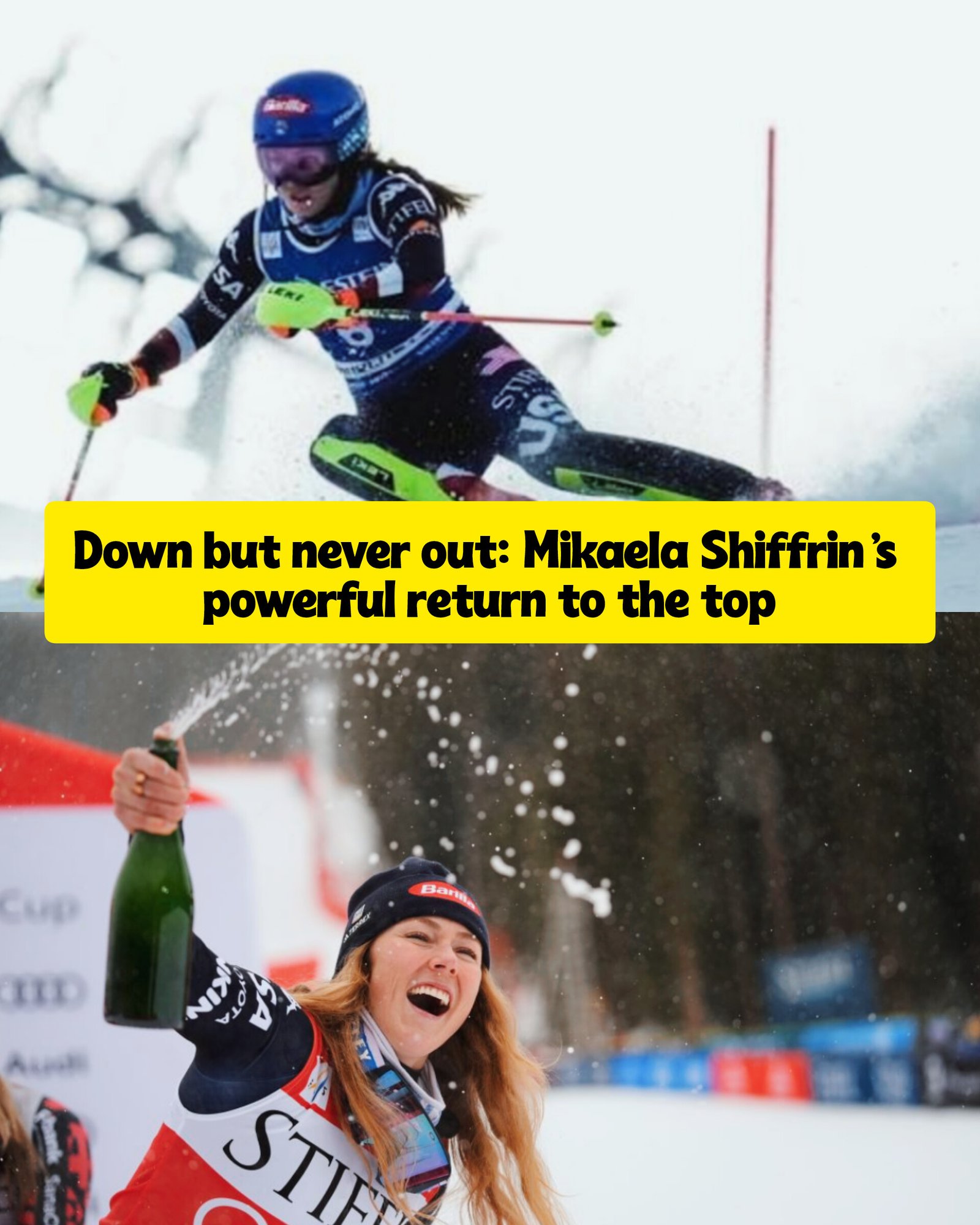
For many Vermonters, their most vivid recent memory of Shiffrin came on a cold late-November day at Killington Ski Resort. She stood atop the iconic Superstar trail, poised to make history. A record-shattering 100th World Cup victory seemed inevitable as she led after the first run of the giant slalom on November 30, 2024. The atmosphere crackled with anticipation among the roughly 20,000 fans lining the course.
Then everything changed in an instant.
Just 12 seconds from the finish line on her second run, Shiffrin lost an edge. She tumbled violently, flipping through the air before crashing into the safety fencing. The crowd fell silent. Millions watching on national television held their breath as ski patrol rushed her off the course on a rescue sled. What was supposed to be a celebration of historic dominance turned into a collective moment of fear and uncertainty.
Hours later, Shiffrin addressed the incident herself. From Rutland Regional Medical Center, she posted a video on Instagram, reassuring fans with characteristic composure and humor. Apologizing for the scare, she revealed an abdominal injury, punctuating the moment with a light-hearted “ay, ay, ay.” The message calmed nerves, but questions lingered about how the crash might affect the trajectory of an already extraordinary career.
Now, more than a year later, those concerns have been replaced by admiration.
As the 2026 Winter Olympics in Italy approach, Shiffrin is once again ascending. She opened the current World Cup season with five consecutive victories, a reminder not only of her talent but of her resilience. Observers close to her journey note that the wins, while impressive, tell only part of the story. Simply returning to elite competition after such a traumatic incident was an achievement in itself.
“She’s been the best in the world for a long time,” says Willy Booker, head of Burke Mountain Academy, Shiffrin’s alma mater in Vermont’s Northeast Kingdom. “But considering everything she’s gone through, maintaining that level is one of the most remarkable things she’s ever done.”
Shiffrin’s connection to Vermont runs deep. She graduated from Burke Mountain Academy in 2013, a year that marked the beginning of her transformation from prodigy to global star. That same season, at just 17 years old, she became the youngest American woman to win a world championship slalom title. It was an early signal that the sport was witnessing the rise of someone special.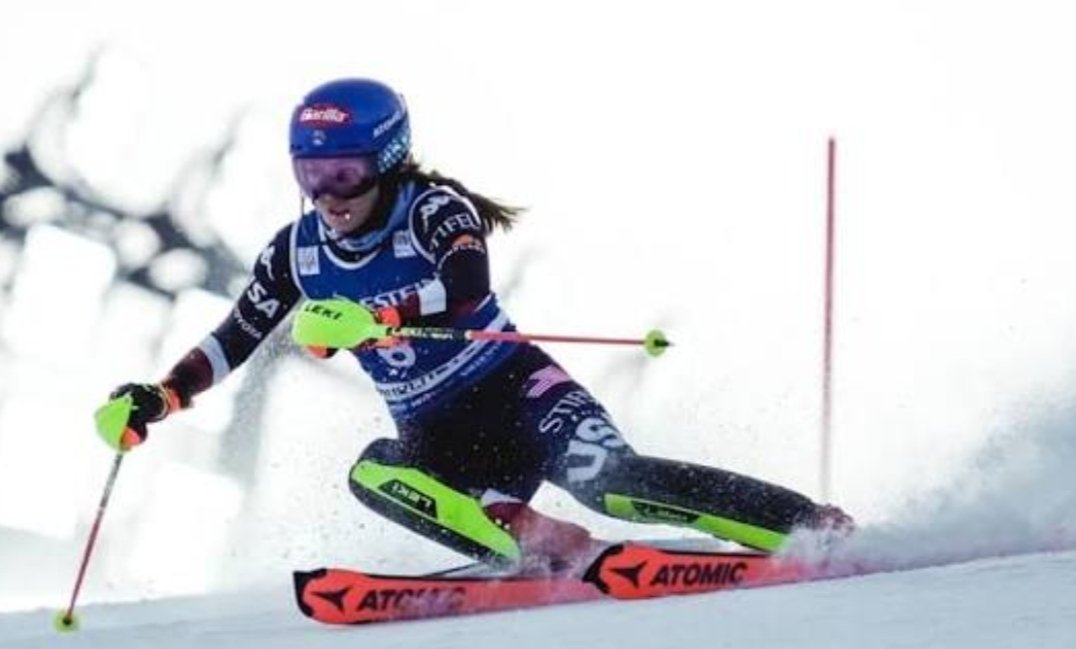
Her Olympic résumé soon followed. At the 2014 Sochi Games, Shiffrin captured gold in slalom, announcing herself on the world’s biggest stage. Four years later in PyeongChang, she added giant slalom gold and a silver medal in the alpine combined, further cementing her status as one of the most versatile and composed competitors in the sport.
Beyond the Olympics, Shiffrin continued to redefine what was possible in alpine skiing. In 2019, she became the first skier in history—male or female—to win World Cup races in all six disciplines: slalom, giant slalom, parallel slalom, alpine combined, super-G, and downhill. The feat underscored not just dominance, but adaptability and technical mastery across the full spectrum of alpine racing.
Booker remembers being at Killington during the 2024 Thanksgiving weekend, watching Shiffrin carve through the first giant-slalom run with breathtaking precision. The buzz among fans was unmistakable. Whispers quickly turned into open excitement about the possibility of a landmark 100th World Cup win—something no skier had ever achieved.
That looming milestone made the crash even more jarring. Yet, in hindsight, it has become another defining chapter in Shiffrin’s story rather than a closing one. The months that followed demanded patience, rehabilitation, and mental strength. For an athlete accustomed to winning, the challenge shifted from chasing records to simply returning healthy and confident.
Those closest to her emphasize that Shiffrin’s greatest strength has never been just physical skill. It is her ability to process adversity, to learn, and to come back stronger. The current season’s early success reflects not only recovery, but growth—an athlete who understands her body, her limits, and her motivations more deeply than ever.
As she prepares for her fourth Olympic Games, Shiffrin stands at a unique point in sporting history. She is no longer the teenage phenom chasing her first medals, nor merely the record-breaker piling up victories. She is a veteran champion, shaped by triumph and trauma alike, still driven by competition and love for the sport.
The rise, fall, and rise of Mikaela Shiffrin is not just a story about winning ski races. It is about longevity in an unforgiving sport, about redefining success after setbacks, and about returning—again and again—to the starting gate with belief. For Vermont, for alpine skiing, and for fans worldwide, her continued ascent ahead of the 2026 Olympics feels both inspiring and entirely fitting.
-

 Blog8 months ago
Celtic issues a fiery VAR statement after Trusty’s red card appeal is dismissed, as furious chiefs release referee audio publicly.
-

 Blog4 weeks ago
Former official calls on SFA to contact Rangers over fan scenes during Celtic match, labeling them “completely unacceptable.”
-

 Blog8 months ago
Celtic informed their January signing under Martin O’Neill that he wouldn’t play a single minute this season.
-

 Blog8 months ago
Celtic issued an £83 million warning amid looming UEFA threats.
-

 Blog7 months ago
SFA Expected to Review Missed Penalty in Rangers v Celtic Clash
-

 Blog6 months ago
Police respond after reported disorder following Middlesbrough vs Millwall clash
-

 Blog2 weeks ago
Middlesbrough receive a warning following Steve Gibson’s submission of a £1.5bn proposal.
-

 Blog1 year ago
“Courtside to Aisle-Side: Tyrese Haliburton and Jade Jones Set New Wedding Date”