
Blog
Three key takeaways from Indiana’s 81–60 road loss to Michigan State

Indiana men’s basketball experienced a sobering reality check in an 81–60 road defeat to a highly ranked Michigan State side, marking the first truly painful lesson of the Darian DeVries era. While the loss represents DeVries’ first defeat by more than 20 points since taking over, the margin only added to the frustration for a fanbase that has grown weary of blowouts and extended offensive droughts.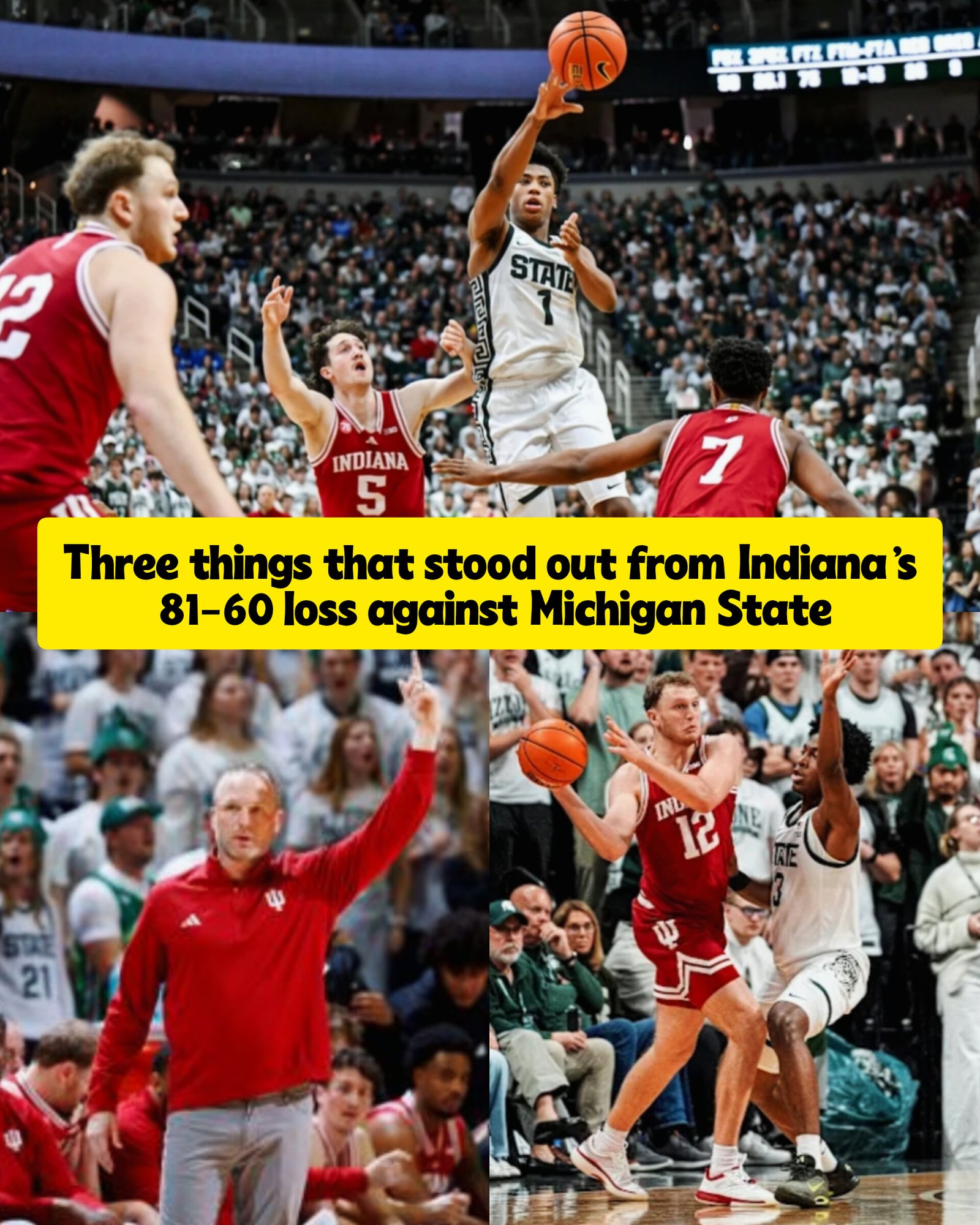
What made the result sting even more was that, once again, Indiana found itself in a position to compete deep into the second half. With just over 11 minutes remaining, the score was locked at 53–53, and the game felt very much within reach. From that moment on, however, everything unraveled. The Hoosiers managed only seven points the rest of the way, converting just three field goals while Michigan State seized complete control.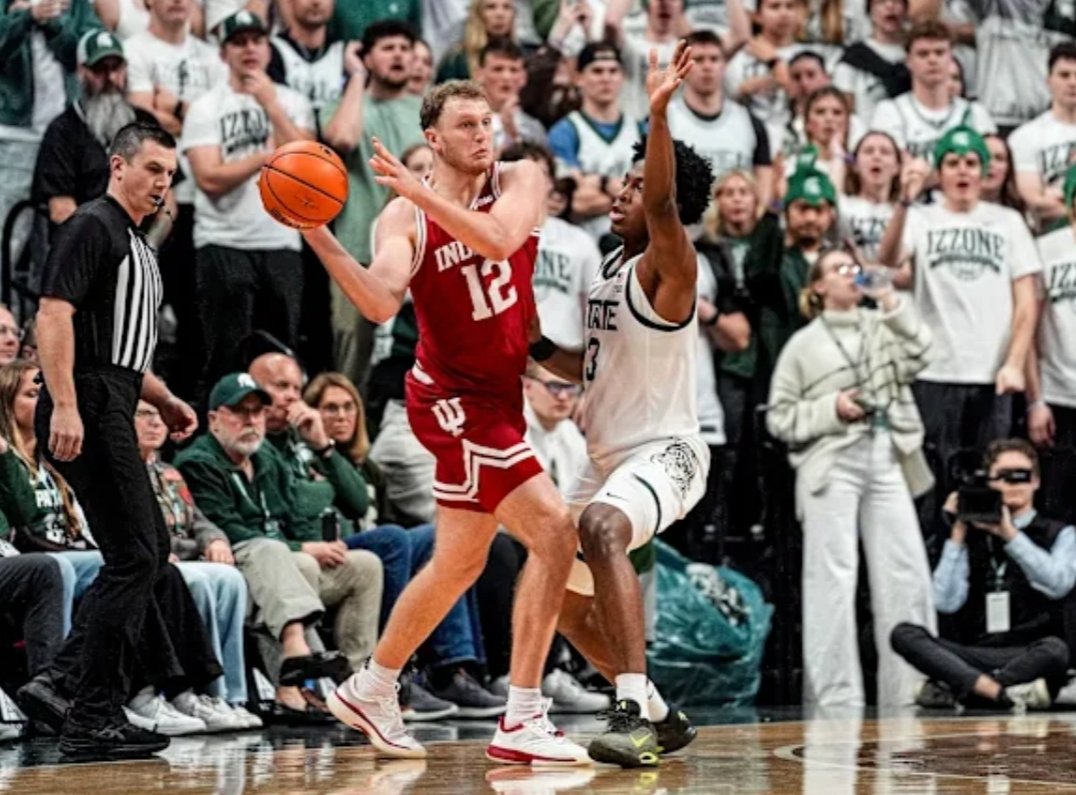
Indiana’s lack of reliable interior scoring proved costly, and turnovers once again played a decisive role. The Hoosiers gave the ball away 14 times, which Michigan State converted into 29 points. Combined with 11 second-chance points allowed, the Spartans built a commanding lead that allowed Tom Izzo to comfortably rotate through his bench down the stretch.
Despite the lopsided final score, the game offered several familiar—and concerning—themes. Here are three major takeaways from Indiana’s loss in East Lansing.
Struggles to close games continue
Indiana’s inability to finish games has become an alarming pattern. In three of the Hoosiers’ five losses this season, they’ve held at least a 75 percent chance of winning at some point in the second half. While this contest didn’t quite fit that statistical mold, being tied with under 12 minutes to play against a top-15 opponent still qualifies as a missed opportunity.
Once again, Indiana failed to sustain consistent execution for a full 40 minutes. The late-game collapse against Michigan State raised further doubts about whether this roster—typically playing eight or nine meaningful contributors—can maintain intensity, focus, and composure throughout an entire game. Even television broadcasters have begun to openly question Indiana’s ability to close, a worrying sign for a program still searching for its identity.
The concern is amplified by how some of Indiana’s early-season résumé boosters are aging. Wins over Marquette and Kansas State no longer carry the same shine, making Indiana’s struggles in tight games even more problematic. The convincing victory over Penn State stands out as a rare exception, but even the Nittany Lions have shown a tendency to falter late in games themselves, squandering multiple upset bids this season.
With another ranked opponent looming on the schedule, Indiana’s margin for error continues to shrink. Unless the Hoosiers can find a way to play disciplined, connected basketball from opening tip to final buzzer, similar outcomes may follow.
Foul trouble undermines rhythm and depth
Foul issues were another major factor in Indiana’s undoing. Conor Enright and Reed Bailey both fouled out, while Tucker DeVries finished the night with four fouls. Regardless of how one evaluates the officiating, this is an area Indiana must clean up if it hopes to stay competitive in Big Ten play.
DeVries, the team’s second-leading scorer and one of its most seasoned players, has now dealt with foul trouble in consecutive games. Although he was allowed to play through early fouls against Michigan State, his defensive aggression and offensive rhythm were clearly affected. Indiana’s game plan relies heavily on his presence on both ends of the floor, and limited availability puts added strain on the rest of the lineup.
The foul trouble extended beyond the perimeter. With Bailey fouling out, Indiana was left thin in the frontcourt. Sam Alexis, despite being a starter, still averages fewer than 20 minutes per game, and the lack of experienced big men made it difficult for Indiana to establish any consistent inside presence. Against a physical Michigan State team, that deficiency was exposed.
If Indiana hopes to avoid future blowouts, it must improve its defensive discipline and manage minutes more effectively. Losing key contributors to foul trouble disrupts rotations, forces uncomfortable matchups, and often leads to the kind of late-game collapse seen in this contest.
Perspective matters, but urgency remains
It’s important to remember that this is the first season under a new head coach with a roster full of players who are still learning how to play together. Growing pains were inevitable, and nights like this were always going to be part of the process.
What will ultimately define this season—and possibly the trajectory of the program under DeVries—is how Indiana responds to early adversity. Big Ten play is still in its early stages, with plenty of opportunities remaining for quality wins. The potential is there, as Indiana has shown flashes of high-level basketball capable of competing with strong opponents.
So far, however, the Hoosiers have struggled to translate those flashes into consistent results. Whether due to late-game execution, foul trouble, turnovers, or roster limitations, Indiana has repeatedly fallen short in moments that could have shifted its season narrative.
Those shortcomings can still be forgiven if Indiana finds a way to learn from them. The ingredients for improvement exist, but they must come together quickly. Playing complete games, staying out of foul trouble, and valuing possessions will be essential moving forward.
There is still a long road ahead and plenty of basketball left to be played. How Indiana navigates the challenges exposed in this loss will determine whether this season becomes another cautionary tale—or the foundation for meaningful progress under a new era.
-
 Blog7 months ago
Celtic issues a fiery VAR statement after Trusty’s red card appeal is dismissed, as furious chiefs release referee audio publicly.
-
 Blog1 week ago
Former official calls on SFA to contact Rangers over fan scenes during Celtic match, labeling them “completely unacceptable.”
-

 Blog7 months ago
Celtic informed their January signing under Martin O’Neill that he wouldn’t play a single minute this season.
-
 Blog7 months ago
Celtic issued an £83 million warning amid looming UEFA threats.
-
 Blog7 months ago
SFA Expected to Review Missed Penalty in Rangers v Celtic Clash
-
 Blog6 months ago
Police respond after reported disorder following Middlesbrough vs Millwall clash
-

 Blog1 year ago
“Courtside to Aisle-Side: Tyrese Haliburton and Jade Jones Set New Wedding Date”
-
 Blog7 months ago
£6m star is looking to leave Rangers this summer and has already announced his next club publicly.