
Blog
Caleb Wilson alone can’t fix UNC basketball’s biggest flaw in ACC play

North Carolina enters the heart of ACC play with an impressive overall résumé, but beneath the surface of the Tar Heels’ strong start lies a growing concern that cannot be ignored. Even with standout performers like Caleb Wilson anchoring the lineup, one persistent weakness threatens to undermine UNC’s success as conference competition intensifies.
The Tar Heels sit at 14–2 overall and 2–1 in ACC play heading into their two-game West Coast trip, which opens with a matchup against Stanford on Wednesday night. On paper, those numbers reflect a team that is winning consistently and positioning itself well early in the season. However, records alone do not tell the full story. As North Carolina prepares for the grind of conference play, it is becoming increasingly clear that there is significant room for improvement—particularly on the defensive end of the floor.
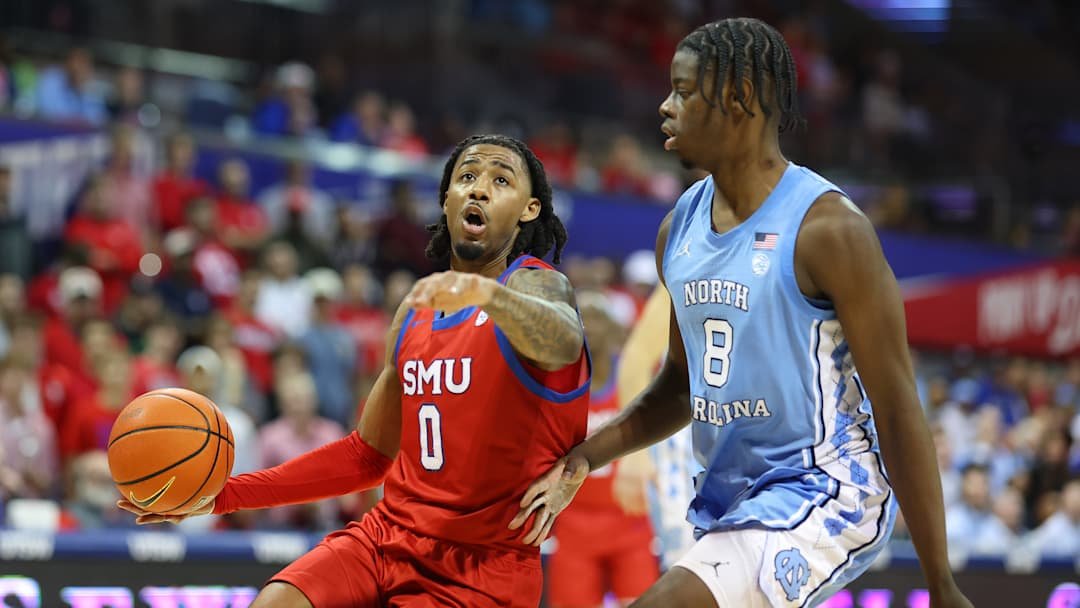
North Carolina v SMU | Sam Hodde/GettyImages
Caleb Wilson has been everything UNC could hope for and more. He is a high-level talent capable of impacting the game in multiple ways, from scoring and rebounding to facilitating offense and setting the tone with his energy. But basketball, especially at the ACC level, is not a one-man sport. No matter how gifted Wilson is, he cannot single-handedly erase the defensive issues that have surfaced against conference opponents.
The most alarming trend so far has been North Carolina’s struggles defending the three-point line. Through the Tar Heels’ first three ACC games, opposing teams have found far too much success shooting from beyond the arc. Florida State connected on 12 of 40 three-point attempts, SMU knocked down 14 of 27, and Wake Forest hit 14 of 35. Combined, ACC opponents have made 40 of 102 three-point shots against UNC—a conversion rate of 39.2 percent.
Allowing opponents to shoot nearly 40 percent from deep is a recipe for trouble, especially as the season progresses. What makes the situation even more concerning is that this number is somewhat softened by Florida State’s high volume of attempts. When focusing on SMU and Wake Forest alone, the picture becomes more troubling. Those two teams shot an elite 45 percent from three-point range, punishing UNC with efficiency rather than volume.
This trend is unsustainable for a team with championship aspirations. The ACC is filled with capable shooters and well-coached offenses that thrive on spacing, ball movement, and exploiting defensive breakdowns. If North Carolina continues to give up clean looks from the perimeter, opponents will keep capitalizing, regardless of how talented UNC is on the offensive side.
A major part of the issue lies in defensive execution. The Tar Heels must do a better job closing out on shooters, communicating through switches, and limiting wide-open opportunities. When good shooters see a few shots fall, confidence builds quickly. Once that rhythm sets in, even strong contests may not be enough to disrupt them. At that point, the defense is no longer dictating terms—the offense is.
Improving this area will require a collective effort. While Wilson can help anchor the defense and provide leadership, perimeter defense depends heavily on guards and wings applying pressure, fighting through screens, and staying disciplined within the team’s defensive scheme. One breakdown often leads to another, and against skilled shooting teams, those mistakes are immediately punished.
The frustrating part for UNC fans is that this team has already shown it is capable of playing elite-level defense. Earlier in the season, the Tar Heels demonstrated strong rotations, physical on-ball defense, and a clear commitment to limiting quality looks. The ability is there. The question is whether the players can consistently bring that level of focus and intensity as the schedule becomes more demanding.
If North Carolina fails to address this weakness, ACC play could become far more difficult than expected. The conference is loaded with teams that can shoot the basketball at a high level, and allowing them to operate comfortably from the perimeter will make even winnable games feel like uphill battles.
As the season unfolds, the Tar Heels’ success may hinge less on how much talent they have and more on how well they defend together. Caleb Wilson will continue to be a difference-maker, but for UNC to truly thrive, the entire roster must take ownership of this defensive challenge. Otherwise, this troubling trend could define their ACC campaign in ways no one in Chapel Hill wants to see.
-
 Blog7 months ago
Celtic issues a fiery VAR statement after Trusty’s red card appeal is dismissed, as furious chiefs release referee audio publicly.
-

 Blog1 week ago
Former official calls on SFA to contact Rangers over fan scenes during Celtic match, labeling them “completely unacceptable.”
-

 Blog7 months ago
Celtic informed their January signing under Martin O’Neill that he wouldn’t play a single minute this season.
-

 Blog7 months ago
Celtic issued an £83 million warning amid looming UEFA threats.
-

 Blog7 months ago
SFA Expected to Review Missed Penalty in Rangers v Celtic Clash
-

 Blog6 months ago
Police respond after reported disorder following Middlesbrough vs Millwall clash
-

 Blog1 year ago
“Courtside to Aisle-Side: Tyrese Haliburton and Jade Jones Set New Wedding Date”
-

 Blog7 months ago
£6m star is looking to leave Rangers this summer and has already announced his next club publicly.