
Blog
Celtic clear a significant hurdle in their pursuit of another star for Martin O’Neill

Celtic have successfully navigated a significant challenge in their pursuit of signing free agent Alex Oxlade-Chamberlain, according to manager Martin O’Neill. This development marks a crucial step forward for the Scottish club as they look to add a highly experienced midfielder to their squad. Oxlade-Chamberlain, who has been without a club since parting ways with Turkish Super Lig side Besiktas this summer, has been a player of interest for Celtic during the recent transfer window. His availability as a free agent has made him an attractive target, especially given his impressive career and international experience.
Oxlade-Chamberlain, now 32 years old, has not played for a club since leaving Besiktas, where he had been training and competing during the previous season. Despite being a free agent, he has remained active by training with his former club Arsenal at their London Colney training ground over the winter period. This ongoing training regime has been part of his effort to maintain his fitness and stay in shape, with the hope of securing a new club deal for the second half of the 2025/26 season. His training alongside Arsenal, a club he previously represented, has kept him in the spotlight and has made him a potential target for clubs like Celtic, who are eager to bolster their midfield options.
During the January transfer window, rumors circulated that Celtic was interested in signing Oxlade-Chamberlain. The midfielder, who has earned 35 caps for England, was seen as a valuable addition given his vast experience and versatility. Reports also linked Arsenal with the possibility of offering Oxlade-Chamberlain a short-term contract, especially since they have been dealing with injuries in their midfield. Other clubs, including Burnley and West Ham, were also mentioned as potential suitors, but Celtic’s interest appeared to be serious and well-founded.
A significant consideration in any potential deal was Oxlade-Chamberlain’s wages. During the peak of his career, he was earning approximately £120,000 per week at Liverpool, which translated to around £6.2 million annually. However, his current earnings, based on previous contracts, were around £2.2 million a year, roughly £45,000 per week, plus bonuses—an amount that could have posed a financial challenge for Celtic. The club, like many others, would need to consider whether they could accommodate such wages within their financial framework.
Despite these concerns, Martin O’Neill has dismissed worries about the financial aspect of signing Oxlade-Chamberlain. He downplayed the significance of the wage demands, emphasizing that money was not the primary issue. O’Neill revealed that he had spoken personally with Oxlade-Chamberlain and was reassured by the midfielder’s attitude and motivation. The manager explained, “No, it’s not about the money. I have spoken to him. I looked into what he was doing in Turkey, and everything was fine.” He further added that age might bring some questions about hunger and motivation, but Oxlade-Chamberlain remains eager and ready for a new challenge. “He’s up for it. At 32, he still has it. He will have other options, and he’s currently training at Arsenal, who have recently suffered some injuries, so they might even consider taking him back,” O’Neill suggested.
Oxlade-Chamberlain’s recent playing history includes 18 appearances for Besiktas last season in the Super Lig, during which he scored once. Unfortunately, his season was cut short by a ligament injury in his knee, which hampered his ability to contribute fully. As a result, he mutually agreed with Besiktas to terminate his contract a year early, leaving him free to pursue opportunities elsewhere. His departure from Turkey has opened the door for a potential move back to the UK or Scotland, with Celtic emerging as a serious contender.
Interestingly, Celtic might have a secret advantage in their pursuit of Oxlade-Chamberlain. O’Neill hinted that the midfielder already has some familiarity with the club and its players, which could facilitate a quicker and smoother integration. He explained, “He knew about the club; he had spoken to Joe Hart, which was just by chance or coincidence.” The timing of that conversation might have been months ago, but it indicates that Oxlade-Chamberlain has some prior knowledge of Celtic and their environment. This relationship could give Celtic an edge over other interested clubs, as the midfielder may already have a positive impression of the club and its players.
Overall, Celtic’s pursuit of Oxlade-Chamberlain appears to be progressing well, despite the hurdles associated with his wages and recent injury history. The club’s management, particularly O’Neill, seems optimistic that a deal can be struck, especially given the player’s motivation and the potential benefit he could bring to the team. His experience at the highest levels of football, combined with his versatility and leadership qualities, could serve as a significant asset for Celtic in their ongoing campaign. The club’s ability to overcome financial concerns and leverage existing relationships may prove crucial in securing his signature and adding a valuable weapon to their squad as they aim for success domestically and potentially in European competitions.
Celtic’s Finances Exposed After January Window as Desmond Waits for ‘Miracle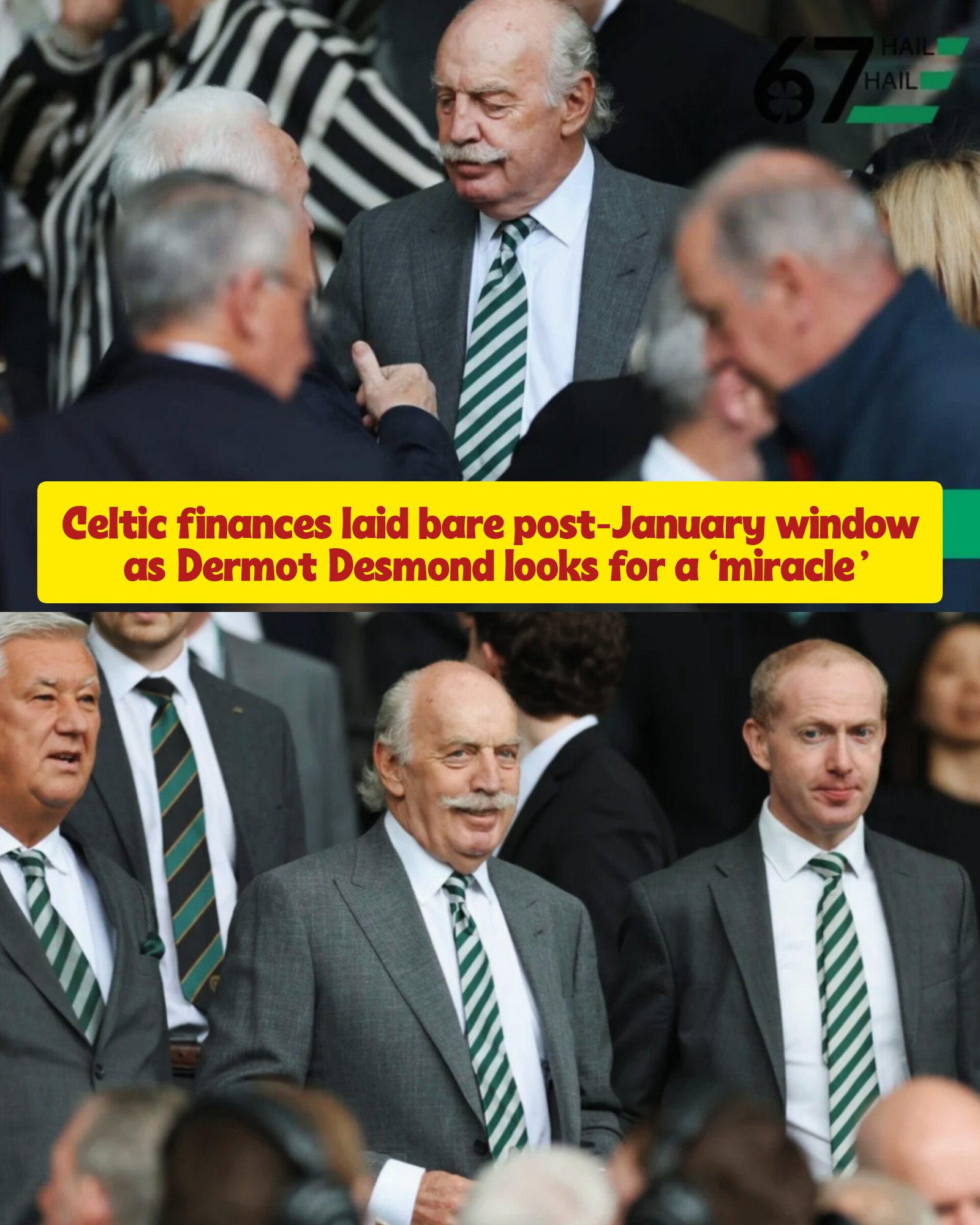
Celtic’s financial position following the January transfer window has come under renewed scrutiny, with fresh insight shedding light on how much cash the club is likely still holding — and why Dermot Desmond appears reluctant to loosen the purse strings.
During the winter window, Celtic added five new players to their squad, but notably, every arrival came on loan, albeit with some deals including options to buy. Despite widespread expectations that the club would invest heavily, no permanent signings were completed.
Prior to January, it was already understood that Celtic were operating from a position of financial strength. Substantial reserves were available, and with European income boosted by qualification for the latter stages of the Europa League, many supporters anticipated decisive action in the market. However, a managerial change led to a more conservative transfer strategy, with spending placed firmly on hold.
To better understand Celtic’s current financial standing, 67 Hail Hail finance analyst Adam Williams examined the club’s accounts to estimate how much cash remains after the window closed — and what that might mean going forward.
A cautious approach from the boardroom
It is no secret that Celtic remain financially stable, with significant funds still held at Parkhead. However, Williams suggests that Desmond and the board are prioritising long-term security over short-term squad investment, largely due to concerns about future seasons without Champions League revenue.
Rather than aggressively reinvesting available funds, the club appears focused on protecting its cash reserves to safeguard against potential downturns. According to Williams, that money is not sitting idle but is instead generating interest, leaving Celtic with a sizeable financial buffer should it ever become necessary.
“There’s absolutely nothing wrong with maintaining a cash surplus,” Williams explained. “Many clubs have found themselves in serious financial trouble because they increase revenue, only to immediately spend it all — and more — on wages, transfer fees, and agent costs.”
He added that Celtic’s model stands in contrast to those struggling sides. “What we’re seeing here is a deliberate strategy. The board’s position seems to be that strong cash reserves are essential for seasons when Champions League qualification is missed. That’s a reasonable argument.”
However, Williams believes the approach carries risks. While he acknowledges the importance of maintaining financial stability, he questions whether the club can realistically expect consistent European qualification without adequate squad reinforcement.
“You’re far less likely to qualify for the Champions League on a regular basis if you’re not strengthening properly,” he said. “Squad turnover and player trading are important, but Celtic don’t actually need to operate as a traditional ‘selling club.’ They already generate strong operating profits in most seasons, even before player sales are factored in.”
Cash reserves remain high — but questions persist
According to Celtic’s most recent accounts, the club held approximately £77 million in the bank. Williams estimates that while that figure will dip slightly by the end of the current season, the decline is unlikely to be dramatic.
Some of the cash is earning interest, but increased tax payments and dividend distributions to shareholders are also drawing funds away. While dividends are not a major expense, Williams notes that they still impact the overall balance.
“In isolation, you could justify holding onto that level of cash,” he said. “But that argument becomes harder to sustain when results on the pitch are underwhelming.”
Williams was particularly critical of what he sees as a lack of strategic vision. He argues that very few clubs can dramatically improve their fortunes without additional investment, regardless of how strong their balance sheet may be.
“There are very few managers or executives capable of transforming a club without backing it financially,” he explained. “Change almost always requires investment alongside a clear rethink of strategy. That type of forward-thinking leadership feels limited at Celtic right now.”
What will Celtic’s final cash position look like?
Predicting Celtic’s end-of-season cash balance is challenging due to the complexity of football finances, including staggered transfer payments and undisclosed clauses. However, Williams believes several factors point towards only a modest reduction.
Although European income is lower this season compared to recent Champions League campaigns, infrastructure spending is also expected to fall after two consecutive years of significant investment off the pitch.
Taking everything into account, Williams estimates Celtic could finish the season with around £70 million still in reserve, depending on how far they progress in Europe.
The board may view this as proof that their cautious financial strategy is working. Supporters, however, are likely to see it differently.
“A strong balance sheet doesn’t stay strong if performances on the pitch continue to decline,” Williams concluded. “Financial prudence matters, but football success ultimately depends on investment — and fans are justified in questioning whether Celtic are striking the right balance.”
Michael Stewart explains Celtic’s thinking behind rejecting Nottingham Forest’s £25m bid for Arne Engels
Arne Engels will remain a Celtic player after one of the most dramatic deadline days the club has experienced in recent years, with late transfer speculation surrounding the midfielder dominating the final hours of the January window.
While many supporters expected Celtic to focus solely on strengthening the squad with new arrivals, attention quickly shifted to outgoing business as Nottingham Forest made a substantial £25 million offer for Engels. The Scottish champions ultimately rejected the bid, a decision that has sparked widespread debate among fans and pundits alike.
Questions have naturally followed over whether turning down such a significant fee was the correct call, particularly given that Engels has divided opinion since arriving in Glasgow two years ago. Former Hearts midfielder and now pundit Michael Stewart has offered his interpretation of why Celtic chose to hold firm despite the financial temptation.
A club caught between present needs and future planning
Stewart believes the circumstances surrounding Celtic’s recent off-field changes played a major role in the decision. At the start of January, Wilfried Nancy was still overseeing matters from the dugout, while Paul Tisdale remained part of the club’s recruitment structure. Their departures mid-window, however, forced Celtic into a period of transition at precisely the wrong time.
According to Stewart, that instability has left the club trying to reshape its transfer approach on the fly — a scenario that significantly reduced their willingness to sell a key asset like Engels.
Speaking on Premier Sports, Stewart suggested that under more settled conditions, the outcome would likely have been very different. In his view, the bid itself was more than strong enough to justify a sale, but the broader context made it too risky to accept.
“I think this strikes at the heart of the issues Celtic have got,” Stewart explained. “This is the balancing act between the here and now and the long-term strategy.”
He went on to make clear that, in isolation, the numbers involved would usually make the decision straightforward.
“There is no doubt in my mind, a £25 million bid for Arne Engels, under normal circumstances, you take it every day of the week,” he said.
Defensive decision-making in a chaotic window
Stewart argued that Celtic’s reluctance to sell stems from uncertainty rather than confidence. With a new structure still bedding in, the club opted to protect what it already had rather than risk destabilising the squad further.
“The problem is that with Celtic trying to implement a transfer strategy on the hoof in the transfer window, they are desperately almost going into a defensive mode,” Stewart continued. “It’s a case of: ‘We need to keep everything we’ve got, add what we possibly can, and then assess the situation in the summer.’”
That cautious approach, Stewart believes, may yet prove to be either a sensible short-term safeguard or a missed opportunity that comes back to haunt them.
“That may well be fine, or it may well prove to be detrimental,” he added. “But all things being equal, and in normal circumstances, Celtic would be accepting a bid of £25 million for Arne Engels. I don’t think there is any doubt about that.”
Engels’ future still uncertain
Although Engels has survived the January window, few believe the story ends here. Stewart’s comments suggest that Celtic’s stance was more about timing than valuation, and that a summer departure remains highly likely if similar offers arrive.
Engels’ two-year spell at Celtic has been a mixed one. While his technical quality and physical profile are undeniable, he has not consistently won over the entire fanbase. Nevertheless, interest from the Premier League at that level highlights his market value and explains why Celtic were seriously tested by Forest’s approach.
A midfield overhaul on the horizon
Looking ahead, Stewart expects significant changes to Celtic’s midfield once the season concludes, regardless of whether the club successfully defends its domestic crown.
Engels is widely expected to be one of the players moved on in the summer, potentially alongside Reo Hatate, as Celtic look to reshape the engine room. Captain Callum McGregor remains central to the side, but there is growing recognition that he requires additional support and rotation to manage his workload effectively.
Beyond the established starters, attention may also turn to squad players on the fringes of the first team. Paulo Bernardo is one name frequently mentioned as a possible departure, while Luke McCowan could also find himself surplus to requirements depending on how Celtic’s recruitment plans develop.
A decision that defines Celtic’s direction
The rejection of Forest’s £25 million bid may ultimately become a defining moment in Celtic’s season. On one hand, retaining Engels preserves stability during a period of internal change and keeps the squad intact for the business end of the campaign.
On the other, passing up such a lucrative offer carries obvious financial risk — particularly if Engels’ value dips or if similar bids fail to materialise later.
For Stewart, the decision perfectly encapsulates Celtic’s current predicament: a club caught between maintaining short-term competitiveness and executing a long-term transfer strategy, all while navigating significant changes behind the scenes.
Whether that balancing act proves inspired or misguided will likely only become clear when the summer window opens and Celtic’s midfield reshuffle truly begins.
Celtic Consider Late Window Move as Engels Interest Intensifies
Celtic could be forced into a late reshuffle before the January transfer window slams shut, with growing interest in Arne Engels potentially pushing the club into a deadline-busting replacement deal — despite Martin O’Neill insisting the midfielder would only be sold for a staggering £100 million.
The Hoops remain active as deadline day unfolds, with multiple deals already progressing and contingency plans quietly being drawn up in case they are forced to part with one of their standout performers.
O’Neill Confirms Busy Deadline Day Plans
Celtic boss Martin O’Neill confirmed on Sunday that the club were deep into negotiations to bring Freiburg forward Junior Adamu and Lorient winger Joel Mvuka to Glasgow, with both deals described as being at an advanced stage.
However, O’Neill also hinted that further movement could follow, particularly in defence, with a central defender still on the club’s radar as the clock ticks down.
What O’Neill did not anticipate was the sudden escalation of interest in Engels, who featured in Celtic’s comfortable 2–0 victory over Falkirk.
Nottingham Forest Step Up Engels Interest
Reports emerged over the weekend suggesting Nottingham Forest had submitted a £14 million bid for Engels — a claim O’Neill denied having any knowledge of at the time.
“Honestly, I didn’t know anything about it,” O’Neill said after the match. “If it happened, it must have been during the game. And I’d want it knocked back — unless it was £100 million. Then the board might have something to say.”
Despite that stance, Forest are believed to have returned with improved offers. A second bid of more than £17 million was reportedly rejected, before Sky Sports revealed a third proposal worth £25 million had been tabled.
What a Sale Would Mean for Celtic
While £100 million is clearly a tongue-in-cheek valuation, even a £25 million sale would place Engels joint-top of Celtic’s most expensive departures of all time, alongside Matt O’Riley, Jota, and Kieran Tierney.
Such a fee would represent a major profit and underline Celtic’s growing reputation as a club capable of developing and selling elite talent — but it would also leave a significant hole in the midfield at a crucial point in the season.
The club are understood to be unwilling sellers, but with English clubs racing against a 7pm deadline, the situation could escalate quickly.
Scottish Deadline Offers Celtic a Safety Net
One factor working in Celtic’s favour is timing. While English clubs must finalise transfers by 7pm, Scottish teams have until 11pm to complete their business.
That window gives Celtic extra breathing room to react should Forest push a deal over the line late in the evening. The Hoops have already secured Adamu’s arrival and are believed to be prepared to move swiftly for a midfield replacement if required.
Miguel Chaiwa Emerges as Contingency Option
Hibernian midfielder Miguel Chaiwa has been identified as a potential short-notice solution if Engels departs before the deadline.
Transfer reporter Pete O’Rourke revealed on X that Celtic are considering a move for the Zambia international, who is capable of playing both as a defensive midfielder or in a box-to-box role.
However, Chaiwa would represent a very different profile to Engels. While the Belgian has contributed five assists this season and operates as a creative force in advanced midfield areas, Chaiwa’s strengths lie more in ball recovery and off-the-ball work.
The Hibs midfielder has yet to register a goal contribution this campaign and has started just two matches in a more attacking role, raising questions about how seamlessly he could replace Engels’ influence.
Celtic Weigh Their Options
As the final hours of the window tick away, Celtic appear determined not to be caught off guard. While O’Neill’s comments suggest the club have no intention of selling Engels cheaply, the rising bids from Nottingham Forest mean the Hoops must be prepared for every scenario.
Whether Engels stays put or Celtic are forced into a rapid rethink, the final stretch of deadline day promises to be tense at Parkhead — with decisions made in the next few hours potentially shaping the club’s season.
“It’s understood…” – Sky Sports journalist provides update as Celtic seal late deal
Celtic appear to have struck a late breakthrough in the transfer market, with reports indicating that a deadline-day deal has been agreed to bring in a Bundesliga attacker. The player has already travelled to the UK and is set to undergo a medical, suggesting the move is close to being finalised.
The developments come amid a busy and chaotic period surrounding the transfer deadline, during which Celtic have continued to make progress on the pitch. On Sunday afternoon, Martin O’Neill’s side comfortably brushed aside Falkirk, securing an important domestic victory that followed on from their midweek success in European competition. The win lifted Celtic up to second place in the Scottish Premiership, easing some of the pressure as attention turns back to recruitment.
Following the match, O’Neill was keen to highlight the impact of recent signing Tomas Cvancara, who marked his home debut with a goal. The Celtic boss was full of praise for the forward, describing the moment as a significant step forward for both player and club.
“It was great, and it was also the breakthrough we needed,” O’Neill told reporters. “Scoring that first goal is important for him and it will give him a real boost in confidence. There are still aspects of his game that need a bit of refinement, but that will come with time.”
O’Neill also pointed to Cvancara’s lack of recent match action prior to arriving at Celtic, noting that the forward is still building rhythm and sharpness. Despite that, he has already shown flashes of quality.
“He hasn’t played much football lately, but that’s now two games for us,” O’Neill continued. “He created the goal against Hearts, and at that moment he may have been the only player capable of making that run. Then on Sunday, he comes in and gets his goal. He’s clearly eager to prove himself, and I think there’s a real player there.”
Cvancara’s early contributions could be an encouraging sign for what lies ahead, and he may not be the only attacking reinforcement making an impact at Celtic Park in the near future. In recent days, speculation has intensified around Freiburg forward Junior Adamu, and it now appears that Celtic are on the verge of securing his signature.
According to Sky Sports journalist Anthony Joseph, Celtic have reached an agreement with Freiburg over a loan deal for Adamu. The Austria international has reportedly already arrived in the UK to complete his medical ahead of the move.
Joseph shared the update on social media, confirming that while a loan deal has been agreed in principle, discussions are still ongoing regarding the finer details of the transfer. “It’s understood the clubs are still discussing the structure of a potential option-to-buy clause,” he noted.
Adamu’s potential arrival would add further depth and competition to Celtic’s attacking options, though his recent form suggests he will be keen to use the move as a fresh start. The forward endured a difficult campaign in the Bundesliga, managing just nine appearances and scoring a single goal for Freiburg.
Much like Cvancara, Adamu will be hoping that a change of scenery and regular opportunities can help him rediscover his best form. Celtic, meanwhile, will be hoping that any agreement includes a favourable purchase option, should the striker flourish in Glasgow.
The club has been down this road before, benefiting from loan signings who quickly became key contributors, only to lose them once their form peaked. Ensuring long-term security over Adamu’s future could therefore be crucial if he proves to be a success.
With the transfer deadline fast approaching, Celtic appear determined to conclude their business decisively. Whether the deal ultimately remains a straight loan or includes an option to buy, all signs suggest that the Scottish champions are set to land their target.
If finalised, the move would represent another statement of intent from Celtic as they look to maintain momentum both domestically and in Europe. Adding attacking reinforcements at this stage of the season could prove vital, particularly as fixture congestion increases and the pressure intensifies at the top end of the table.
As things stand, Celtic fans may not have long to wait before seeing another new face pull on the green and white hoops, with Adamu’s arrival looking increasingly likely as the clock ticks down toward deadline day.
Deal Sealed as Celtic Prepare to Confirm Third January Signing
Any lingering uncertainty surrounding Celtic’s move for Junior Adamu appears to have been settled, with confirmation emerging late on Sunday night that the deal is effectively complete.
Highly regarded German journalist Florian Plettenberg reported that Celtic and SC Freiburg have reached full agreement, describing the transfer as done. According to his update, a verbal agreement is already in place, the player is present, and the loan arrangement will be formally concluded on Monday. With the January transfer deadline falling later that evening, the timing strongly suggests an official announcement will follow before the window closes.
That said, Celtic supporters are well accustomed to the club’s approach when it comes to revealing new signings. Even when deals are wrapped up well in advance, announcements are often delayed, sometimes intentionally, and released later in the day or even during the evening. Whether this transfer is confirmed swiftly or held back may depend on whether further business is completed before the deadline passes.
Regardless of the timing, the key point is that Celtic have secured their target.
Adamu, 24, joins the Hoops on loan from Freiburg, having moved to the Bundesliga club from Red Bull Salzburg in 2023 in a deal reportedly worth around €5 million. His spell in Germany has not unfolded as planned, with the forward struggling to establish himself as a regular starter.
Limited opportunities and increased competition have seen him slide down Freiburg’s attacking hierarchy, making a temporary move away the logical next step in search of consistent game time. This season, Adamu has featured 18 times in all competitions, scoring two goals and providing one assist.
On the surface, those figures may not appear particularly impressive, but they require context. Adamu has often been deployed in brief substitute appearances and has rarely been trusted to lead the line for sustained periods. Without a clear run in the side, he has found it difficult to build rhythm or confidence.
From Celtic’s perspective, the appeal of Adamu goes beyond his raw statistics. The club are not bringing him in solely for goals, but for the different tactical dimension he offers. He is a mobile forward who can operate across multiple attacking positions, providing flexibility in the final third.
Compared to fellow loanee Tomas Cvancara and the more established Iheanacho, Adamu adds another option with a contrasting skill set. His movement and versatility could give the manager additional solutions during matches, particularly in tight or high-intensity fixtures.
However, this move also highlights a broader theme that has defined Celtic’s January transfer window. Rather than long-term planning, the focus has clearly been on short-term fixes. Adamu’s arrival is designed to address immediate needs and provide depth during a demanding run of games, rather than lay foundations for future seasons.
With two strikers now brought in on loan, Celtic appear to be prioritising short-term cover over permanent squad building. That approach has not gone unnoticed by supporters, many of whom have expressed frustration at what they perceive as a reactive strategy rather than a proactive one.
Still, with the season entering a crucial phase, having additional attacking options could prove vital. Injuries, suspensions, and fixture congestion mean that depth is essential, and Adamu’s arrival at least ensures the manager has another forward to call upon.
There are still a few formal steps to complete before the deal is officially confirmed. Registration paperwork must be finalised, and the customary Celtic TV interview—likely featuring Gerry McCulloch—will follow. But in practical terms, the transfer is already over the line.

Celtic’s Tomas Cvancara celebrates after scoring his sides first goal during the William Hill Premiership match at Celtic Park, Glasgow. Picture date: Sunday February 1, 2026.
Celtic identified the need for another striker ahead of the deadline, and they have addressed it. Whether Adamu’s arrival is enough to make a meaningful impact, or simply serves as another reminder of how late and hurried this transfer window has been, is a discussion that will no doubt continue among the fanbase.
In addition to the Adamu deal, Celtic are also expected to finalise the permanent signing of Joel Mvuka. The winger reportedly completed his medical on Sunday, with a move to Glasgow set to cost around £3 million. If completed, that deal would add another piece to Celtic’s January business as the window draws to a close.
For now, though, the headline is clear: Celtic have secured Junior Adamu, and an official announcement appears imminent.
Hogh alternative as Celtic target late-window swoop for £5m goal machine – report
Celtic may yet make a dramatic late move in the final hours of the transfer window, with reports suggesting the Scottish champions are considering an inter-league deal for Motherwell forward Tawanda Maswanhise following his impressive run of form this season.
The 22-year-old has emerged as one of the most dangerous attackers in the Scottish Premiership, currently sitting joint-top of the scoring charts with 11 league goals. He shares that tally with Celtic winger Benjamin Nygren and Hearts striker Lawrence Shankland, although Shankland’s injury absence means Maswanhise is well placed to take sole possession of the Golden Boot race.
While his performances have been central to Motherwell’s strong campaign, those goals may soon be scored at Parkhead rather than Fir Park. Reports suggest Celtic are closely monitoring the situation and could look to prise the Zimbabwe international away in a late-window swoop.
Celtic monitoring Maswanhise as Høgh alternative
According to a report from SportsBoom, Celtic have identified Maswanhise as a potential fallback option should they fail in their pursuit of Bodø/Glimt striker Kasper Høgh. The Hoops are believed to be weighing up their options as the deadline approaches, with Maswanhise now under serious consideration.
Høgh has attracted significant attention after a string of standout performances in European competition. The Danish forward featured prominently in Bodø/Glimt’s Champions League campaign, helping his side earn draws against Slavia Prague, Tottenham Hotspur and Borussia Dortmund. His reputation soared further after scoring twice against Manchester City and netting a crucial winner against Atlético Madrid earlier this week, a goal that kept his club alive in the competition.
Those performances have inevitably drawn interest from elsewhere, with Celtic facing competition from Norwich City. The Championship side are reportedly keen to bring Høgh to Carrow Road, particularly with star striker Josh Sargent considering a return to Major League Soccer. With Norwich understood to have already lodged an offer, Celtic could be forced to look closer to home for reinforcements.
That scenario has elevated Maswanhise into a prime alternative. His consistent output for Motherwell has not gone unnoticed, and Celtic are thought to be impressed by his development, physicality, and composure in front of goal.
Rangers also tracking Motherwell star
Celtic are not alone in admiring Maswanhise. Glasgow rivals Rangers have also been monitoring his progress, though current indications suggest the Hoops are leading the race. Any deal would not come cheaply, however, with Motherwell believed to be holding out for a fee in the region of £5 million.
Convincing Motherwell manager Jens Berthel Askou to part with his leading scorer at this stage of the season would be no easy task. Maswanhise has been central to their attacking play and remains under contract, giving the Lanarkshire club a strong negotiating position.
Maswanhise’s impact on Motherwell’s season
Despite much of the title conversation focusing on the Old Firm and Hearts’ unexpected challenge, Motherwell have quietly put together a highly competitive campaign. Their defensive solidity has been a major factor, with goalkeeper Calum Ward currently boasting the highest number of clean sheets in the division, contributing to one of the league’s strongest back lines.
At the other end of the pitch, Maswanhise’s goals have been vital. His ability to score in crucial moments has kept Motherwell firmly in the mix, and while they currently sit 11 points off the summit, the gap to Celtic is far smaller. With just five points separating the two sides, and only seven between Motherwell and a Champions League qualification spot, the Steelmen remain very much in contention.
That context may be playing into Celtic’s thinking. By signing Maswanhise, they would not only add a proven goal scorer to their squad but also potentially weaken a direct rival in the race for European places. Removing Motherwell’s main attacking threat could blunt any late push from Fir Park as the season enters its decisive phase.
A calculated gamble for Celtic
Maswanhise’s background also adds to his appeal. A graduate of Leicester City’s youth system, he has steadily rebuilt his career north of the border, showing maturity and adaptability in Scottish football. At 22, he offers both immediate impact and long-term value.
For Celtic, a £5 million investment would represent a significant outlay but one that could pay dividends if Maswanhise can translate his domestic form into success at a higher level. With European commitments and a demanding fixture list ahead, adding another reliable source of goals could prove crucial.
As the clock ticks down on the transfer window, Celtic’s next move may depend on how their pursuit of Høgh develops. If that deal proves unattainable, Maswanhise could quickly become their primary target. Whether Motherwell are willing to sell, and whether the player himself is ready to make the leap to Glasgow, remain the key questions in what could yet become one of the window’s most intriguing late deals.
Celtic seal full deal for forward who is set to travel to Glasgow
Celtic have reportedly reached a complete agreement to secure the signing of a highly rated forward, with the player now preparing to travel to Glasgow ahead of completing his move to Parkhead. The deal represents another statement of intent from the Scottish giants as they look to inject fresh quality into their attacking ranks and reignite their season.
The forward’s rise has been anything but straightforward. After showing promise earlier in his career, his breakthrough moment arrived during a productive spell that caught the attention of clubs across Europe. His performances earned him a move to French third-tier side Rouen, where he quickly established himself as a standout figure.
At Rouen, the attacker flourished, becoming a key player and delivering consistently impressive displays that marked him out as one of the division’s most exciting talents. His ability to influence matches with goals, movement, and creativity made him indispensable, and it was not long before clubs from higher-profile leagues began to take notice.
That surge in form convinced Italian side Frosinone to make their move in January 2024, securing his services for a reported fee of £250,000. While the transfer initially flew under the radar, it would soon prove to be one of the smartest pieces of business in Serie B.
Since arriving in Italy, the forward has gone from strength to strength. He has quickly adapted to the demands of Serie B, showcasing his technical quality, intelligence, and composure in front of goal. With eight goals and two assists to his name so far this season, he has emerged as one of the league’s most effective attacking outlets.
More importantly, his contributions have played a central role in Frosinone’s impressive campaign. The club have lost just twice all season, displaying remarkable consistency and resilience, and currently sit at the top of the Serie B table. With momentum firmly on their side, Frosinone are now genuine contenders for promotion back to Italy’s top flight after spending two years away.
The forward’s influence extends beyond the numbers. His presence has lifted those around him, helping to drive performances in crucial moments and providing Frosinone with a reliable attacking focal point. Whether operating through the middle or drifting into wider areas, his movement and work rate have given opposition defences constant problems.
Celtic’s decision to move decisively for the player reflects both his rapid development and the club’s desire to address areas of concern within their own squad. While the Hoops have shown flashes of quality this season, inconsistency has hampered their progress domestically and in Europe, prompting the need for reinforcements capable of making an immediate impact.
By completing a full agreement ahead of the transfer window deadline, Celtic have ensured the forward will have time to settle into his new surroundings and begin contributing as soon as possible. His impending flight to Glasgow signals the final steps of the move, with medical checks and official announcements expected to follow.
At Parkhead, expectations will be high. Celtic supporters will be eager to see whether the forward can replicate the form that made him such a key figure in Italy. The Scottish Premiership presents a different challenge, but his adaptability and recent trajectory suggest he has the tools to succeed.
Manager Martin O’Neill will be hoping the forward can provide a spark in the final third, offering both goals and creativity while adding competition for places in the attacking unit. With important fixtures on the horizon and European ambitions still alive, Celtic are counting on the new arrival to help shift momentum in their favour.
For the player himself, the move represents another significant step forward in a career that has gathered pace rapidly over the past 18 months. From emerging as a standout performer in the lower leagues to becoming a driving force in a promotion-chasing Serie B side, his journey has been defined by steady progress and resilience.
Now, as he prepares to test himself in Glasgow, the opportunity awaits to make an immediate impression on one of the biggest stages in Scottish football. If he can mirror the influence he has had at Frosinone, Celtic may well have secured a forward capable of playing a pivotal role in shaping the remainder of their season and beyond.
Trusted insiders reveal major double Celtic transfer bombshell
When transfer news involving Celtic is delivered by Stephen McGowan or Mark Hendry, it tends to land differently. Their reputations have been built quietly, through accuracy rather than volume, and through restraint rather than speculation. Neither journalist is known for chasing rumours or amplifying noise. When they report progress, it usually means something tangible is happening behind the scenes.
That context is crucial as the January transfer window enters its final stretch. Celtic fans have learned to approach most links with caution. January often brings a flood of names, fleeting excitement, and little in the way of concrete outcomes. This time, however, the significance lies not just in the players being mentioned, but in the credibility of the voices bringing the information forward.
McGowan moved quickly to clarify Celtic’s interest in Fares Ghedjemis following initial reporting from Sky Sports. His update went beyond casual interest. He referenced active discussions between Celtic and Frosinone, with the Italian club already assessing replacement options and contract timelines factoring into negotiations. That level of detail suggests more than passive scouting. It indicates Celtic have tested the conditions of a deal and are actively exploring its feasibility.
At the same time, Hendry has advanced the Damir Redzic narrative further than anyone else. Writing on his Substack, he outlined a situation that goes beyond admiration or background monitoring. Talks with DAC Dunajská Streda have taken place, with transfer fees expected to be discussed. The framing of Redzic as a live option rather than a long-term project points to urgency rather than planning for the distant future.
Together, the two reports reveal something important about Celtic’s approach. This is not a scattergun attempt to see what sticks. It is a focused response to a clearly identified weakness. The right side of the attack has been flagged internally as an area needing reinforcement, and the club are now attempting to address it decisively rather than deferring the problem to another window.
The issue has been evident for some time. Since Nicolas Kühn’s departure, Celtic have lacked a natural right-sided outlet capable of consistently stretching defences. Yang Hyun-jun has made progress. His work rate has improved, his defensive contribution has grown, and there have been moments where his technical ability shines. Yet consistency remains elusive. In matches where Celtic need sustained pressure from wide areas, flashes of quality have not been enough.
That imbalance has had tactical consequences. Opponents have become comfortable overloading the left flank, knowing the danger is greater there. Full-backs are able to narrow their positioning, reducing space centrally. Celtic often dominate possession without forcing defensive structures to break. In European competition, where space is limited and transitions are sharp, that lack of directness has been particularly costly.
Both Ghedjemis and Redzic offer different solutions to the same structural problem. Ghedjemis has shown in Serie B that he can attack space aggressively, contribute goals from wide positions, and carry the ball with intent. Redzic provides versatility, capable of operating across the front line and influencing matches both from the wing and in more central roles. Neither profile suggests excess or indulgence. Both are functional signings aimed at restoring balance and unpredictability.
What also emerges from McGowan and Hendry’s reporting is a counterpoint to the idea that Celtic have been paralysed by indecision this window. The lack of visible movement has undoubtedly fuelled frustration. Only Julian Araujo and Tomas Cvancara have arrived, both on loan, and neither directly addresses the right-wing issue. But silence does not always equal inactivity. Some deals take time, particularly in January when selling clubs are reluctant, players hesitate over mid-season moves, and valuations fluctuate rapidly.
The winter window is unforgiving. Clubs defending promotion pushes or fighting relegation are resistant to selling. Agents leverage interest. Timelines compress. Celtic have allowed themselves limited margin for error, but the emergence of club-level talks suggests an awareness that waiting any longer risks missing the opportunity entirely.
Martin O’Neill’s recent comments align closely with this shift. He has not demanded volume signings. Instead, he has emphasised the need for players who can change games immediately—individuals who can beat opponents one-on-one, disrupt defensive shapes, and alter momentum. That description narrows the field significantly and aligns neatly with the profiles currently under discussion.
Credibility remains central to how this story should be interpreted. McGowan has a long track record of accurately reflecting Celtic’s internal thinking, particularly at board level. When he reports that discussions are ongoing, history suggests they usually are. Hendry has similarly established himself as someone close to negotiations once talks move into the territory of fees and structure rather than scouting reports.
None of this guarantees a successful outcome. January deals collapse for countless reasons. Wage demands can derail progress. Competing clubs can enter late. Selling sides can harden their stance. But what it does confirm is that this is not speculative chatter. There is substance beneath the reporting.
Supporters are right to reserve judgment until signings are finalised. Experience has earned that scepticism. But it is also fair to recognise when credible reporting points toward genuine movement rather than recycled rumour.
Celtic’s needs are immediate. The upcoming fixture list will demand width, speed, and the ability to unlock games when control alone is insufficient. These are not abstract requirements for next season. They are pressing concerns that must be addressed now if the campaign is to meet expectations.
McGowan and Hendry are not manufacturing optimism. They are documenting a process that appears to have shifted from observation to execution. Whether that culminates in the arrival of Ghedjemis, Redzic, or another target entirely remains to be seen.
What is different, for the first time this window, is that the narrative feels grounded. The speculation has been replaced by signals of action. And as deadlines approach, that distinction matters more than ever.
Celtic open late negotiations for £6m striker tipped to be the next Giakoumakis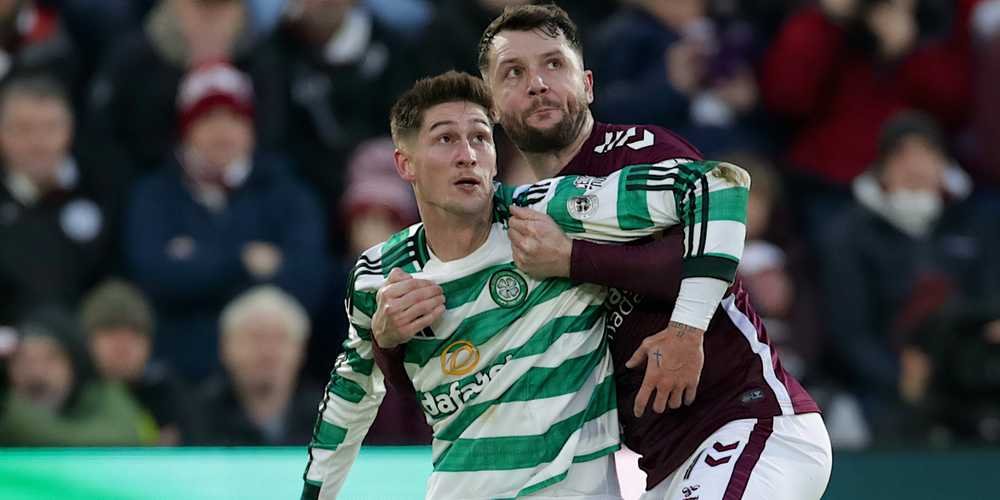
Celtic appear to be edging toward another late attacking move in the January transfer window, with discussions reportedly under way for a striker valued at around £6 million — a forward many believe could replicate the impact once made by Giorgos Giakoumakis at Parkhead.
While it may be premature to draw firm conclusions, there were encouraging signs from Celtic’s most recent attacking addition, Tomas Cvancara, during Sunday’s dramatic 2–2 draw in Edinburgh. The Czech forward, who had not featured competitively since November, showed inevitable signs of rust early on but steadily worked himself into the contest.
Standing at 6ft 3in, Cvancara offered a physical presence that Celtic have often lacked this season. He came close to opening his account when a powerful header rattled the woodwork, and moments later produced an impressive surging run through the Hearts defence before teeing up Yang Hyun-jun for Celtic’s second goal. It was a snapshot of what the striker could offer when fully fit and match-sharp.
However, optimism surrounding his performance was tempered after interim manager Martin O’Neill suggested the striker was withdrawn shortly after the hour mark due to hamstring discomfort. With Celtic already stretched in key areas, the prospect of another injury — particularly at centre-forward — is far from ideal.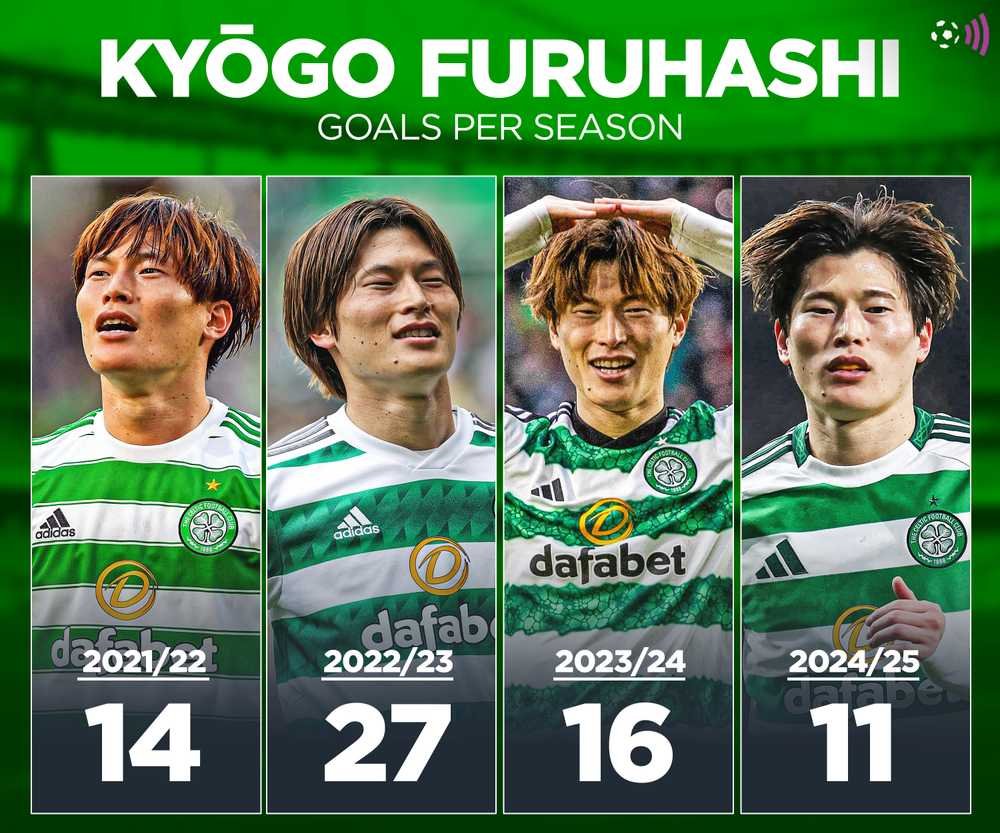
Even if Cvancara’s issue proves minor, there is a growing sense that Celtic’s attacking depth remains insufficient as they attempt to reel in Hearts at the top of the Premiership table.
Celtic step up striker pursuit late in the window
The need for an additional striker has been a recurring theme at Celtic for more than a year. The exits of Kyogo Furuhashi and Adam Idah left a void that has not yet been convincingly filled, and the club’s current options remain limited.
Callum Osmand continues his recovery on the sidelines, while Kelechi Iheanacho has only recently returned from injury and is still working his way back to peak condition. Shin Yamada, meanwhile, has been sent out on loan after failing to find the net throughout the campaign.
Cvancara’s arrival on loan was widely viewed as a step in the right direction, but few believe it should be the final move in Celtic’s January business. Reinforcements are still required if the club are serious about sustaining a title push.
Within Scotland, Motherwell forward Tawanda Maswanhise has been linked as a potential domestic option. Yet Celtic’s recruitment team also appear to be casting the net wider, exploring opportunities beyond the Premiership.
According to reports from Football Insider, Celtic have entered discussions over a possible move for Bodo/Glimt striker Kasper Høgh. The Danish forward is said to be attracting interest from Championship side Norwich City, managed by former Rangers boss Philippe Clement, setting up a potential transfer tussle.
The report claims that O’Neill is keen to secure another striker before the deadline, with Høgh believed to be available for a fee in the region of £6 million.
A familiar Celtic striker blueprint
There was a period not so long ago when Celtic possessed one of the most formidable strike partnerships in Scottish football. Under Ange Postecoglou, Kyogo and Giorgos Giakoumakis offered contrasting but complementary profiles, giving Celtic tactical flexibility and relentless attacking threat.
Kyogo’s pace, movement, and finishing made him the primary choice, but Giakoumakis provided an invaluable alternative. Strong, aggressive, and dominant in the air, the Greek striker was often devastating from the bench and pushed Kyogo relentlessly for a starting role.
At 6ft 1in, Giakoumakis gave Celtic a traditional focal point, something that has been noticeably absent since his departure. He arrived at Parkhead from Dutch side VVV-Venlo after a breakout season in which he scored an astonishing 29 goals in 33 games during the 2020/21 campaign.
Before that spell in the Netherlands, Giakoumakis had never been particularly prolific. Yet that surge in confidence carried over to Glasgow, where he netted 26 goals in 57 appearances for Celtic, despite starting fewer than half of those matches.
His partnership and competition with Kyogo proved short-lived but highly effective — and it is precisely that type of dynamic Celtic appear keen to recreate.
Why Kasper Høgh fits the Giakoumakis mould
Høgh, like Giakoumakis before him, did not begin his career as a reliable goalscorer. Early spells at clubs such as Randers and Aalborg produced modest returns, with the Dane managing just four goals during those periods.
His fortunes changed dramatically following his move to Bodo/Glimt. Since arriving in Norway, Høgh has transformed into one of the Eliteserien’s most dangerous forwards, scoring 42 goals in 82 appearances across all competitions.
His development has been particularly striking over the past two seasons. Across the last two league campaigns combined, Høgh has found the net 29 times, with his form truly exploding from 2024 onwards.
One of his most eye-catching performances came recently in European competition, where he scored twice as Bodo/Glimt stunned Manchester City with a remarkable 3–1 victory in the Champions League. That display underlined his ability to perform on big occasions against elite opposition.
Standing 6ft 1in tall, Høgh is a classic number nine — strong, direct, and highly efficient in front of goal. His playing style mirrors much of what Giakoumakis brought to Celtic: an ability to occupy defenders, dominate aerial duels, and convert chances with minimal touches.
Statistically, the comparison is compelling. During the most recent Eliteserien season, Høgh scored 17 league goals while averaging just over 23 touches per game, highlighting his efficiency. He also won more than half of his aerial duels, reinforcing his reputation as a physical presence.
Giakoumakis produced similar numbers in his debut Scottish Premiership campaign, scoring 13 league goals from an average of just 16 touches per match and winning around 51% of his aerial battles. The parallels between the two forwards are difficult to ignore.
Tactical value for Martin O’Neill
For O’Neill, adding a striker like Høgh would provide crucial tactical flexibility. Celtic have often struggled when asked to break down deep-lying defences or when games become physical and congested. A powerful central striker capable of holding the ball up, winning headers, and finishing efficiently would offer a valuable alternative approach.
Høgh’s presence would also ease the burden on Cvancara, allowing the Czech forward time to build fitness without being rushed into an overloaded role. It would give Celtic genuine competition at number nine — something that has been sorely lacking since Giakoumakis’ departure.
Moreover, Høgh’s recent improvement in chance conversion suggests a striker growing in confidence and maturity. In the latest season, his goal conversion rate climbed significantly while the number of big chances missed dropped sharply, an indication of improved decision-making and composure.
A move that could define Celtic’s window
With the transfer deadline fast approaching, Celtic’s recruitment strategy appears to be reaching a decisive phase. Supporters have grown increasingly vocal about the club’s perceived lack of ambition in recent windows, and another attacking addition could go a long way toward restoring belief.
While £6 million represents a sizeable outlay, it could prove a shrewd investment if Høgh adapts successfully to Scottish football. Giakoumakis arrived with far less fanfare and went on to become one of the most effective forwards in the league.
Should Celtic succeed in landing the Danish striker, it would not only bolster their title challenge but also signal a return to a proven recruitment formula — identifying a physically dominant forward on an upward trajectory and giving him the platform to thrive.
As Celtic look to close the gap on Hearts and regain momentum in the title race, securing a Giakoumakis-style striker may be exactly the statement move O’Neill needs to round off the window.
-

 Blog7 months ago
Celtic issues a fiery VAR statement after Trusty’s red card appeal is dismissed, as furious chiefs release referee audio publicly.
-

 Blog1 week ago
Former official calls on SFA to contact Rangers over fan scenes during Celtic match, labeling them “completely unacceptable.”
-

 Blog7 months ago
Celtic informed their January signing under Martin O’Neill that he wouldn’t play a single minute this season.
-

 Blog7 months ago
Celtic issued an £83 million warning amid looming UEFA threats.
-

 Blog7 months ago
SFA Expected to Review Missed Penalty in Rangers v Celtic Clash
-

 Blog6 months ago
Police respond after reported disorder following Middlesbrough vs Millwall clash
-

 Blog1 year ago
“Courtside to Aisle-Side: Tyrese Haliburton and Jade Jones Set New Wedding Date”
-

 Blog7 months ago
£6m star is looking to leave Rangers this summer and has already announced his next club publicly.