
Blog
Celtic eye 63-year-old ‘shock candidate’ to succeed Martin O’Neill if Ange Postecoglou declines a return

Celtic are reportedly weighing up a surprise managerial option ahead of next season, with a highly experienced former Real Madrid and Manchester United boss emerging as a potential alternative if Ange Postecoglou decides against a return to Glasgow.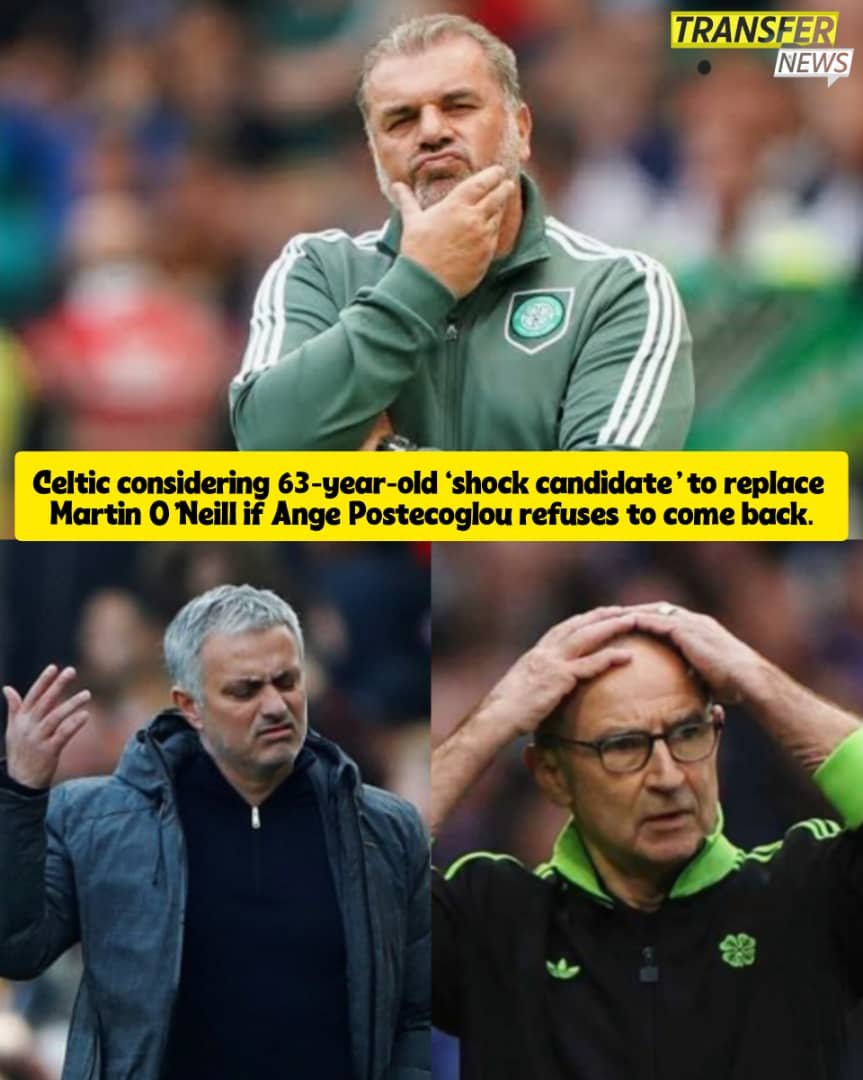
According to recent reports, Celtic are preparing for the possibility that Postecoglou may not come back to Celtic Park, despite remaining the club’s preferred long-term choice to succeed Martin O’Neill. Should that scenario play out, the Scottish giants are said to have identified Jose Mourinho as an eye-catching backup candidate.
Martin O’Neill was brought back into the Celtic hot seat at the beginning of January on a short-term basis, following the exit of Wilfried Nancy. The 73-year-old’s return was not his first stint this season, having initially been appointed in October after Brendan Rodgers departed the club. O’Neill stepped aside in early December when Nancy took over, only to be reinstated weeks later as Celtic attempted to stabilise their campaign.
While O’Neill has provided experience and familiarity during a turbulent period, Celtic’s hierarchy are believed to be focused on appointing a permanent manager for the next campaign. At the top of that wishlist remains Ange Postecoglou, whose previous spell at the club is still fondly remembered by supporters.
Postecoglou enjoyed an immensely successful two-year reign at Celtic between 2021 and 2023. During that time, the former Australia international defender delivered sustained domestic dominance, guiding the club to two Scottish Premiership titles and two Scottish League Cups, as well as lifting the Scottish Cup once. His attacking style of football and ability to rebuild the squad earned widespread praise, making him a dream candidate for many fans should a return be possible.
TEAMtalk previously reported, through transfer correspondent Fraser Fletcher, that Celtic had already made contact with Postecoglou in late October 2025. That approach came shortly after Brendan Rodgers was dismissed from his role as Nottingham Forest manager, with Celtic exploring the feasibility of bringing Postecoglou back to replace Rodgers.
New reporting from Sports Boom now claims that Celtic’s admiration for Postecoglou has not faded. However, the club is also said to be planning for contingencies, and that planning has led them to consider a far more unexpected name.
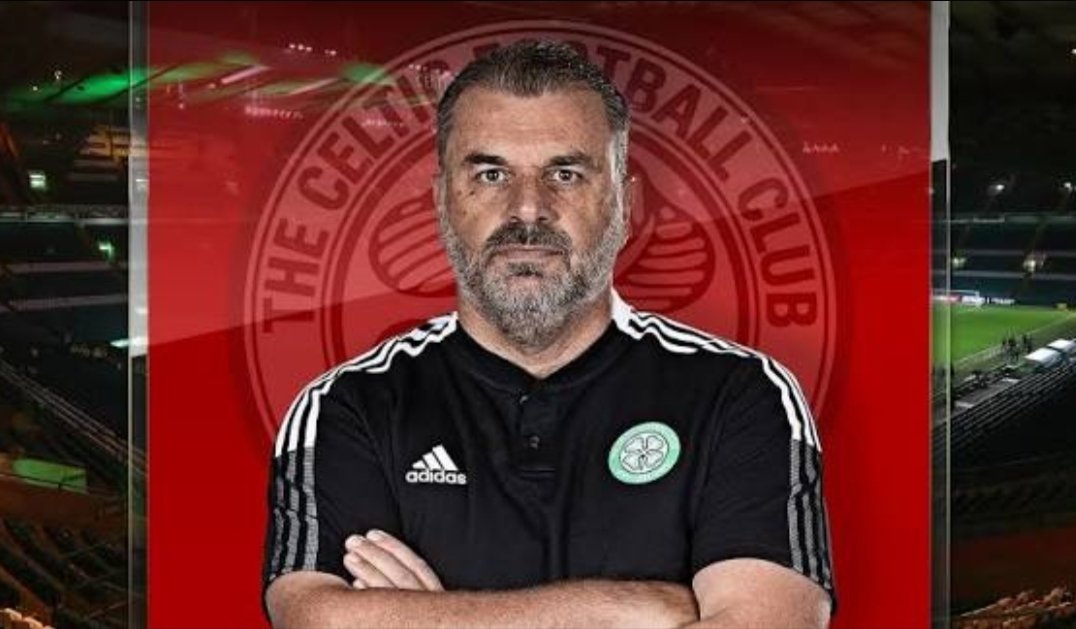
Ange Postecoglou
Jose Mourinho has reportedly been added to Celtic’s managerial shortlist and has been described as a “shock candidate” by the outlet. The report suggests that if Postecoglou ultimately opts against returning to Glasgow, Celtic’s decision-makers could turn their attention to the Portuguese coach.
Mourinho, who has managed some of the biggest clubs in world football, is currently in charge of Benfica. His CV includes spells at elite sides such as Chelsea, Inter Milan, Real Madrid, Manchester United, and Roma, making him one of the most decorated managers of his generation.
Celtic reportedly believe that the scale and profile of the club could appeal to Mourinho, despite the Scottish Premiership often being viewed as less competitive than Europe’s top leagues. The club’s strong global fanbase, regular involvement in European competitions, and intense domestic rivalries are all thought to be factors that might attract the 63-year-old.
The report goes on to suggest that Mourinho could be tempted by the challenge of revitalising Celtic and restoring the club to consistent success, particularly on the European stage. It is claimed that the opportunity to lead such a historically significant club might even persuade Mourinho to accept reduced salary demands, should negotiations ever progress.
Although the idea of Mourinho managing Celtic may come as a surprise to many, this is not the first time his name has been linked with the club.
Back in May 2019, former Celtic striker Chris Sutton revealed that there had been contact between Celtic and Mourinho during the search for a successor to Neil Lennon. Speaking on BT Sport, now known as TNT Sports, Sutton claimed that Mourinho was among the high-profile names considered.
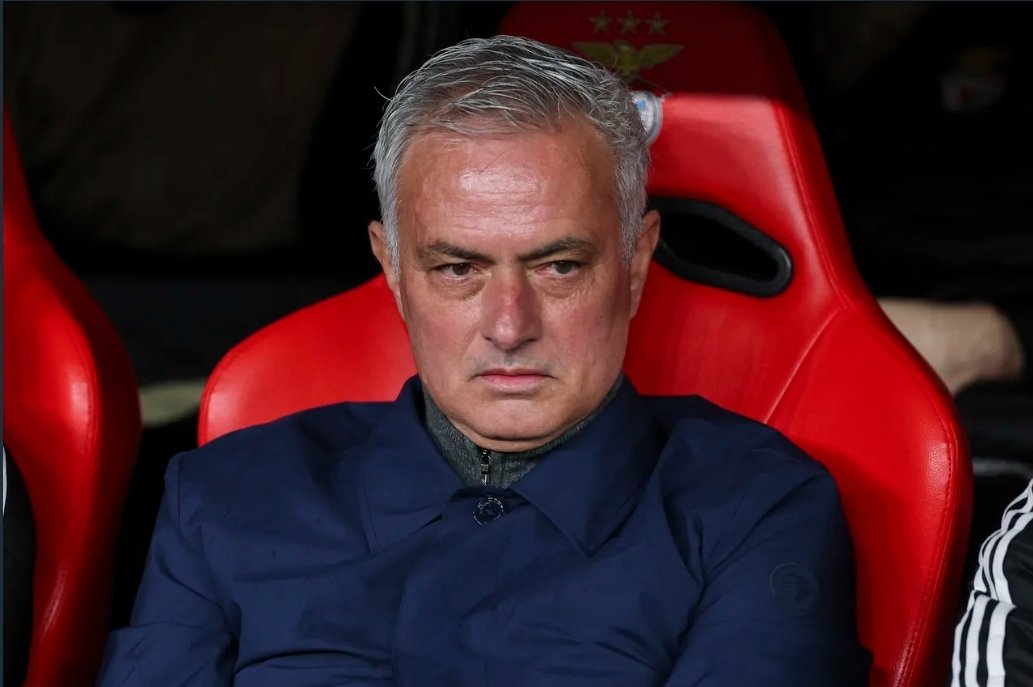
Jose Mourinho
At the time, Sutton acknowledged the scale of the role and the difficulty in predicting who would ultimately take charge. He mentioned Juventus manager Massimiliano Allegri as another rumoured candidate, before casting doubt on the likelihood of either move materialising.
Sutton suggested that while Mourinho had indeed been strongly linked and that an offer had potentially been made, it was difficult to understand why the Portuguese coach would choose to take on the Celtic job. Despite that scepticism, Sutton maintained that there was substance to the rumours, even if the move never came close to completion.
More recently, Mourinho himself has spoken openly about the possibility of managing in Scotland at some point in the future. In March 2025, while in charge of Fenerbahce, he addressed the subject ahead of a Europa League last-16 tie against Rangers, Celtic’s fiercest rivals.
When asked whether a job in Scotland would interest him, Mourinho made it clear that he was fully committed to his current role at the time. However, he did not rule out the idea entirely.
He explained that while a move was not possible at that moment due to professional loyalty and motivation, he could envision himself working in Scottish football later in his career. Mourinho pushed back against the perception that the Scottish league lacks appeal, emphasising the importance of passion in the game.
Mourinho noted that football loses its meaning without atmosphere and intensity, arguing that playing in front of empty stadiums or in competitions lacking emotion holds little attraction. In contrast, he praised the passion surrounding clubs like Celtic and Rangers, highlighting their historic status and strong European traditions.
He also spoke warmly about the expectations and fanbases of both clubs, describing them as massive institutions with deep-rooted histories and devoted supporters.
While no formal approach has been confirmed and Postecoglou remains Celtic’s preferred choice, the emergence of Mourinho as a possible alternative underlines the ambition of the club’s leadership. Whether realistic or speculative, the link adds another intriguing layer to what is shaping up to be a fascinating managerial decision for Celtic in the months ahead.
As the season progresses and plans for the future become clearer, Celtic supporters will be watching closely to see whether the club can tempt a familiar hero back to Glasgow—or whether they might instead witness one of football’s most famous managers taking on one of its most passionate jobs.
Keith Hackett calls for Willie Collum to re-examine the Celtic-Dundee game after a controversy he detected
Former PGMOL chief Keith Hackett has strongly criticised the officiating during Celtic’s Scottish Cup victory over Dundee, insisting that the Hoops were wrongly denied a clear penalty. Hackett believes the incident involving Tomas Cvancara should now be formally reviewed by Willie Collum, the head of refereeing in Scotland, after the decision not to award a spot-kick sparked widespread controversy.
The incident occurred during Celtic’s Scottish Cup tie against Dundee at Parkhead, a match the hosts eventually won 2-1 after extra time. However, according to Hackett, Celtic’s task on the day should have been made significantly easier had the officials applied the laws correctly in the first half.
Celtic fell behind early in the second half when Ethan Hamilton scored a stunning goal to give Dundee the lead. The visitors then held firm deep into stoppage time, frustrating the home crowd and putting Celtic on the brink of a shock exit. It was only in the 97th minute that new signing Junior Adamu rescued Celtic with a dramatic equaliser on his debut, forcing the match into extra time. Sebastian Tounekti later struck the decisive goal to secure Celtic’s place in the quarter-finals.
Despite the eventual victory, attention quickly turned to a key refereeing decision from earlier in the match. With the score still 0-0 in the 38th minute, Celtic forward Tomas Cvancara appeared to be fouled inside Dundee’s penalty area, only for referee Ryan Lee to award a free-kick instead.
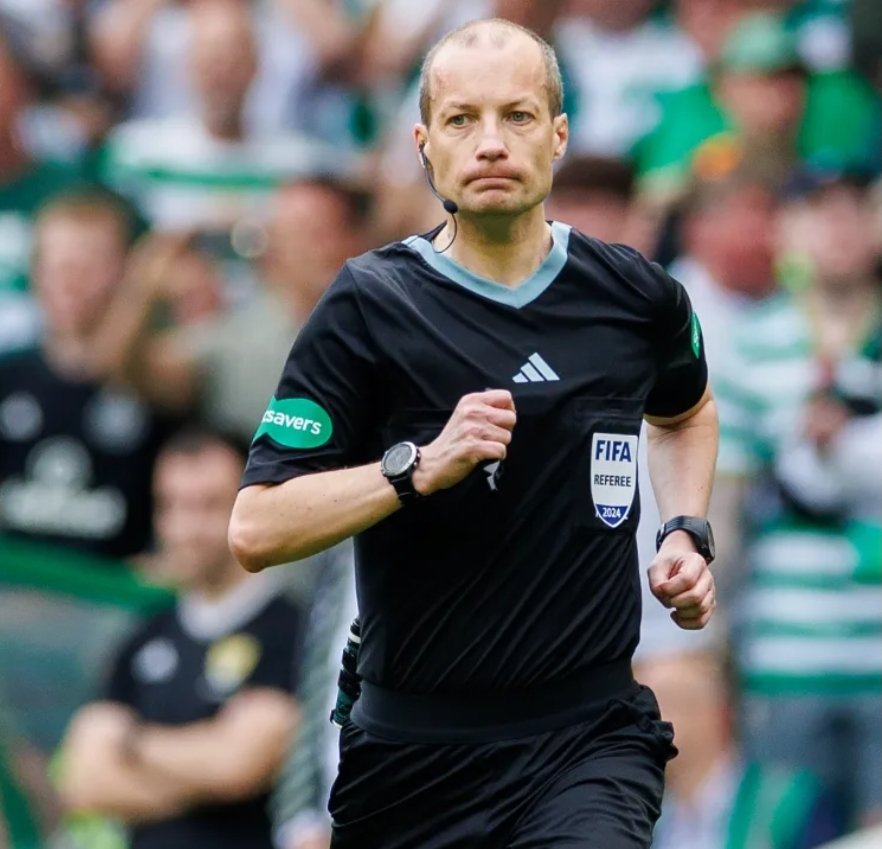
Willie Collum
The move began when Hyun-jun Yang played a pass towards Cvancara on the left edge of the penalty box. As the Czech striker attempted to control the ball and move forward, Dundee centre-back Luke Graham shoved him to the ground. Lee immediately blew his whistle, but instead of pointing to the penalty spot, he awarded Celtic a free-kick just outside the area.
Replays of the incident suggested that Cvancara’s foot was on or inside the penalty area at the moment he was pushed. This led to strong reactions from pundits and supporters, who felt Celtic had been denied a clear opportunity to take the lead. However, VAR official David Dickinson reviewed the footage and decided not to intervene, confirming the referee’s original decision.
During half-time coverage on Premier Sports, presenter Emma Dodds read out an official statement from the Scottish FA explaining the reasoning behind the call. According to the SFA, the foul was deemed to have started outside the penalty area and therefore could not result in a penalty.
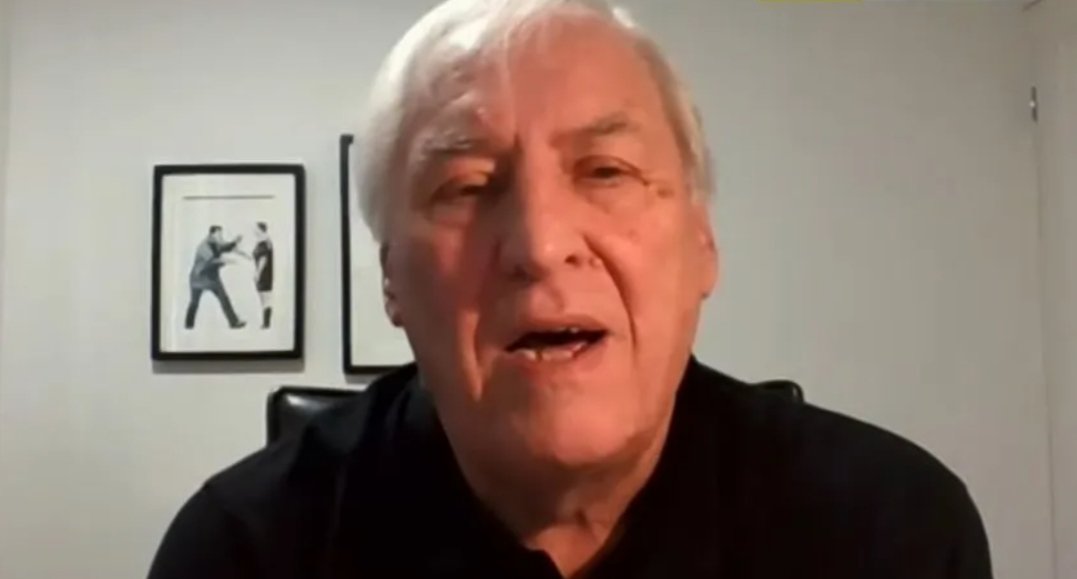
Keith Hackett
The statement said that while the pushing action continued into the box, the laws of the game only allow a penalty to be awarded if holding continues inside the area. Pushing, the SFA clarified, is punished at the point where the initial contact is made. As the officials judged that contact began outside the box, the free-kick decision was upheld.
Hackett, however, strongly disagreed with that interpretation. Speaking exclusively to Football Insider, the former FIFA referee expressed his frustration and questioned why VAR did not send Ryan Lee to the pitch-side monitor to review the incident more closely.
Hackett argued that the replay footage clearly showed Cvancara’s foot inside the penalty area at the moment he was pushed. In his view, that alone should have been enough to justify awarding a penalty. He believes the officials applied the law incorrectly and missed an opportunity to correct the decision through VAR.
The former refereeing chief emphasised that while the outcome of the match cannot be changed, the incident still warrants a thorough review by Willie Collum. Hackett feels it is essential for Scottish officiating to analyse such decisions to improve consistency and transparency going forward.
He stated that VAR should have intervened by recommending an on-field review, allowing the referee to reassess the situation using the available video angles. According to Hackett, this process would likely have led to the correct outcome—a penalty kick for Celtic.
Although Celtic ultimately progressed in the competition, Hackett believes they were unfairly disadvantaged by the decision. Instead of potentially taking a first-half lead, they were forced to chase the game, expend extra energy, and play an additional 30 minutes of football.
The controversy has once again placed Scottish refereeing under scrutiny, particularly regarding the application of VAR and the interpretation of fouls around the penalty area. Hackett’s comments underline ongoing concerns about consistency and decision-making at the highest level of domestic football in Scotland.
While Celtic fans will take comfort in reaching the next round, the debate surrounding Cvancara’s disallowed penalty is unlikely to fade quickly. With senior figures like Hackett calling for accountability and review, pressure may now fall on Collum and the SFA to address the incident and clarify how similar situations will be handled in the future.
SFA explains Celtic penalty decision rejection after VAR controversy against Dundee over ‘point of contact’ debate
Celtic were left aggrieved after a controversial penalty decision went against them during their Scottish Cup clash with Dundee, prompting an official explanation from the Scottish FA following a lengthy VAR review.
The incident occurred with the match still goalless when Celtic striker Tomas Cvancara became embroiled in a physical challenge with Dundee defender Luke Graham near the edge of the penalty area. As Cvancara attempted to drive into the box with the ball, he went to ground after contact from Graham, sparking immediate appeals from the Celtic players for a spot kick.

Celtic striker Tomas Cvancara goes down in the box under pressure from Dundee’s Luke Graham
Referee Ryan Lee judged the foul to have taken place just outside the area and awarded a free kick instead. The decision was then checked by VAR officials, led by David Dickinson, with play briefly halted while the footage was reviewed. After the check, Lee’s original call stood, much to the frustration of the home side.
The incident quickly became a major talking point, particularly at half-time, with former Celtic defender Charlie Mulgrew expressing disbelief at the outcome while working as a pundit on Premier Sports. Mulgrew argued that the foul should have resulted in a penalty, insisting that the contact clearly carried on into the penalty area.
“For me, that’s a penalty,” Mulgrew said. “I understand that the initial contact may begin outside the box, but the guidance has always been that if the contact continues into the box, it should be awarded as a penalty. There is definitely a push involved.”
He went on to stress that the location of the foul was extremely close to the penalty area line. “It’s right on the line, and you could easily argue that part of it is inside the box. If the contact is on the line, that’s a penalty in my opinion. I don’t understand why the referee hasn’t been sent to the monitor to have another look at it.”
Former Dundee manager Tony Docherty also weighed in on the debate, suggesting there was a strong case for a penalty to be awarded. He drew comparisons to a previous incident involving Braga, Hearts and Dundee United, where a similar foul had resulted in a spot kick due to the continuation of contact into the box.
“I think there’s definitely an argument that it should have been a penalty,” Docherty said. “The initial contact happens outside, but it continues as the player moves into the area. It felt like a very quick decision was made in this case.”
Mulgrew remained unconvinced by the VAR verdict, reiterating his stance that the evidence clearly showed contact occurring inside the penalty area. “I don’t know how they’ve arrived at that conclusion,” he said. “You can see there is obvious contact inside the box. It starts outside, yes, but it carries right into the corner of the area. For me, that’s a clear penalty.”
In response to the growing debate, the Scottish FA issued a clarification on the decision, which was relayed live on Premier Sports by host Emma Dodds. According to the governing body, the key factor lay in the nature of the foul and where it was deemed punishable under the Laws of the Game.
Dodds explained: “In the 38th minute, a free kick was correctly awarded outside the penalty area because the pushing action began outside and continued inside. However, pushing can only be penalised at the point where the initial contact occurs. Only holding offences can be punished if they continue into the penalty area.”
This distinction between pushing and holding proved decisive in the officials’ reasoning, even though the contact extended beyond the edge of the box. Under current interpretations of the laws, the VAR team concluded that the referee’s original decision was correct and did not warrant intervention.
Reacting to the explanation, Mulgrew acknowledged the technical difference but did so with a hint of frustration and sarcasm. “There you go,” he said. “That’s the difference between pushing and pulling. I clearly should have paid more attention to the small print.”
The incident has since reignited wider discussions around VAR, consistency in decision-making, and how marginal calls are interpreted in high-stakes matches. While the SFA’s clarification offered insight into the officials’ thinking, it did little to ease the sense of injustice felt by Celtic supporters and pundits who believed the foul crossed the line into penalty territory.
Martin O’Neill is ‘not happy’ with Celtic following the ‘disappointing’ development involving Oxlade-Chamberlain
Martin O’Neill’s dissatisfaction at Celtic has continued to grow following what many have viewed as an underwhelming January transfer window, even with the club closing in on the signing of Alex Oxlade-Chamberlain.
Although the interim manager is understood to welcome the addition of the former England international, the broader picture of Celtic’s mid-season recruitment has left much to be desired. A closer look at the club’s activity, particularly their reliance on the free-agent market, suggests that the Hoops fell short of strengthening the squad in the way O’Neill would have hoped.
Speaking on the latest episode of Football Insider’s Transfer Insider podcast, it was revealed that Celtic are taking a calculated risk by moving for Oxlade-Chamberlain, largely due to his recent injury problems and lack of competitive football.
The midfielder’s most recent senior outing came back in May while playing for Besiktas. Shortly afterwards, he sustained a knee injury, which ultimately led to the termination of his contract with the Turkish side. Since then, Oxlade-Chamberlain has not featured in a competitive match.
In an effort to maintain his fitness, the 32-year-old has been training at former club Arsenal. That arrangement sparked speculation about a possible return to the Premier League, but Celtic acted swiftly to position themselves at the front of the queue and push through a deal.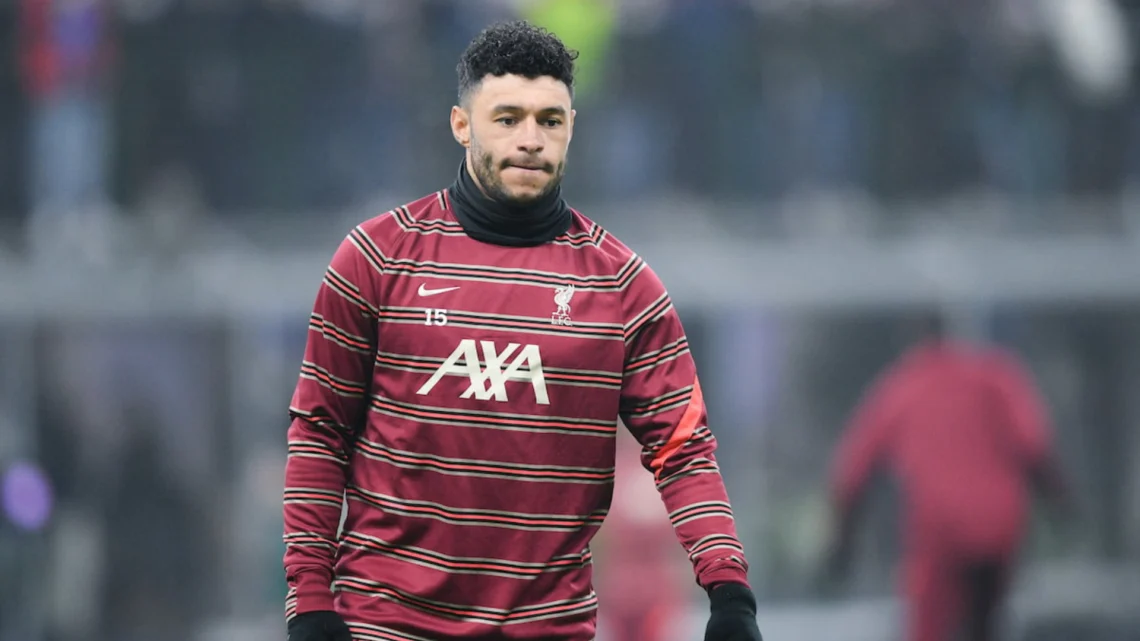
Despite the positive intent behind the move, it has done little to mask the frustrations surrounding Celtic’s overall transfer strategy. Former Manchester United chief scout Mick Brown told Football Insider in late January that O’Neill had been left disappointed by the club’s lack of meaningful business during the window.
Celtic failed to complete a single permanent signing throughout January. Instead, they opted to bring in five players on loan, continuing a pattern of cautious spending that has drawn criticism from supporters and pundits alike.
While the pursuit of Oxlade-Chamberlain indicates that the club recognised the need to add experience and quality, it also highlights their limited options. Turning to a free agent who has not played competitive football for months underlines the sense that Celtic were not entirely satisfied with their transfer dealings.
Discussing the situation on the podcast, it was explained that the potential signing carries clear risks.
“It would be a gamble for Celtic to bring him in,” it was said. “He hasn’t played a competitive match since leaving Besiktas. He’s been keeping himself fit by training at Arsenal, but that’s very different from match sharpness.
“Martin O’Neill has already confirmed his interest in Oxlade-Chamberlain, and the player has suggested he’d be open to the move. On that level, it could suit everyone involved.”
However, there is a significant caveat. O’Neill’s preference has always been for players who can make an immediate impact, particularly given Celtic’s ambitions for the remainder of the season.
“In an ideal world, O’Neill would want players who can come straight in and contribute right away,” the discussion continued. “The big question is whether Oxlade-Chamberlain would be fit enough to do that, and whether he could realistically become a regular starter in this Celtic side.
“It really says a lot about where Celtic are right now. After another disappointing transfer window, they’re having to look at the free-agent market to try and add depth and quality.”
Celtic’s frustrations during January were not limited to incomings. There was also major late-window interest in midfielder Arne Engels, with Nottingham Forest launching a dramatic deadline-day pursuit.
Forest submitted three bids for Engels, the highest of which would have matched the Scottish transfer record at £25 million. Despite the eye-watering figure, Celtic ultimately rejected all approaches.
Football Insider reported last month that the club were reluctant to consider selling Engels mid-season, given his importance to O’Neill’s plans during a crucial phase of the campaign.
However, the situation was not entirely black and white. Had the £25 million offer arrived earlier in the window, Celtic may have taken a different view.
It later emerged that the Hoops could have been open to cashing in on Engels if they had been afforded enough time to identify and secure a suitable replacement. Instead, Forest’s late push left Celtic with little room to manoeuvre, forcing them to dig in and retain the midfielder.
By rejecting all offers, Celtic ensured they kept one of their key players for the rest of the season, but the episode further illustrated the reactive nature of their transfer strategy.
As things stand, O’Neill remains frustrated by the lack of decisive recruitment, even if the arrival of Oxlade-Chamberlain offers some hope. The coming months will reveal whether that gamble pays off, or whether January’s shortcomings come back to haunt Celtic during the business end of the season.
The secret billionaire investor behind Celtic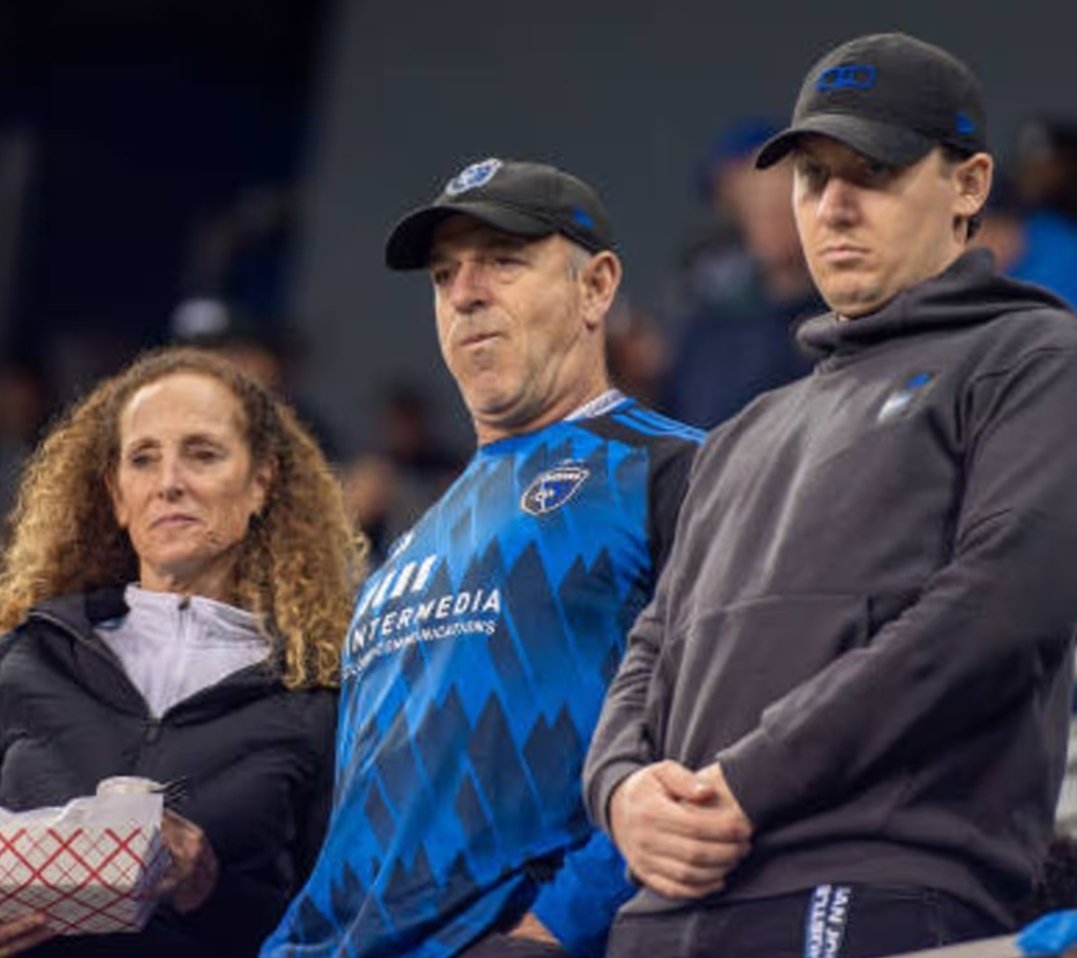
John Fisher is a figure who remains largely unknown to much of the Celtic support, despite having been connected to the club’s ownership structure for nearly two decades. Unlike more visible figures at Parkhead, Fisher has always operated quietly in the background, maintaining a deliberately low profile since first investing in the club.
The American businessman acquired a minority stake in Celtic back in 2007, investing roughly £2 million in exchange for just over three per cent of the club’s shares. From the outset, his involvement was minimal, and over the years that approach has never changed. He has avoided the spotlight, made no public statements about the club, and has never been drawn into debates surrounding Celtic’s direction or decision-making.
What makes Fisher’s anonymity particularly striking is the scale of his personal wealth. He hails from the family behind the globally recognised GAP clothing empire and has significant business interests in the United States, including ownership stakes in professional sports franchises. His net worth is now estimated at close to £3 billion, placing him among the wealthiest individuals with links to the football world.
Despite this enormous financial power, Fisher’s role at Celtic has always been entirely passive. He is not a member of the board, has never sought a more influential position, and has not increased his shareholding since his initial investment. In contrast to Dermot Desmond, who owns a far larger portion of the club and wields clear influence, Fisher has remained a silent minority shareholder with no visible input into Celtic’s day-to-day operations or long-term strategy.
His wealth has not gone unnoticed outside of Glasgow, however. FourFourTwo magazine included Fisher in its ranking of the 50 richest people in football, placing him 49th on the list. The inclusion underlined just how unusual his situation is: a billionaire with a foothold in one of Scotland’s biggest clubs, yet almost completely detached from its public life.
That distance explains why many supporters would struggle to recognise his name. Celtic’s major decisions—whether praised as ambitious or criticised as cautious—have never been associated with Fisher. Transfer policy, spending levels, managerial appointments, and communication with fans have all unfolded without any suggestion of his involvement. For nearly 20 years, his role has amounted to little more than holding onto his shares and observing events from afar.
While other owners and directors have faced scrutiny during turbulent periods, Fisher has escaped attention precisely because he has never put himself forward as a decision-maker. His silence has insulated him from both blame and praise, allowing him to remain largely invisible to the wider fanbase.
As tensions rise around Celtic, with pressure mounting on the board and supporter protests becoming more vocal, it is reasonable to question whether that long-standing approach could ever change. History suggests it is unlikely. There has been no indication, at any stage since 2007, that Fisher has any desire to become more actively involved in the club’s affairs.
Even so, it would be surprising if he were not paying closer attention during periods of unrest. As a businessman with vast resources and experience in elite-level sport, he will undoubtedly be aware of the challenges facing the club and the mood among supporters. Whether that awareness ever translates into action is another matter entirely.
Fisher’s position gives him both financial security and emotional distance. He is not dependent on Celtic, nor is his reputation tied to the club’s fortunes in the way more prominent figures are. That allows him to remain patient and detached, regardless of results on the pitch or noise off it.
For now, nothing has fundamentally changed. John Fisher remains what he has always been at Celtic: a wealthy but quiet shareholder, rarely discussed, seldom acknowledged, and firmly in the background as the club navigates another testing chapter in its history.
Celtic has been criticized for making what’s been called “the dumbest decision in football,” while Martin O’Neill is praised for his achievements
Celtic has recently been at the center of intense debate and criticism after making what many are calling the “most foolish decision in football.” Despite the ongoing controversy surrounding their managerial and strategic choices, legendary manager Martin O’Neill has been widely praised for his actions and influence at the club. This season, in particular, is shaping up to be one of the most unpredictable and chaotic in Celtic’s history, with fans and analysts alike reflecting on the tumultuous events that have unfolded at Parkhead.
The current season has been characterized by a mixture of unexpected wins and controversial decisions, leading many to believe that it will go down as one of the most extraordinary and unpredictable campaigns in Celtic’s storied history. Despite the turbulence, there is a strong hope among supporters and pundits that Martin O’Neill, who previously managed the club, can steer Celtic towards winning the Premiership title. Achieving this feat would serve as the ultimate redemption and make the season even more memorable and significant. The prospect of O’Neill guiding Celtic to league glory has become a beacon of hope amid the chaos, as his leadership and experience are regarded as vital assets in what has been a rollercoaster of a season.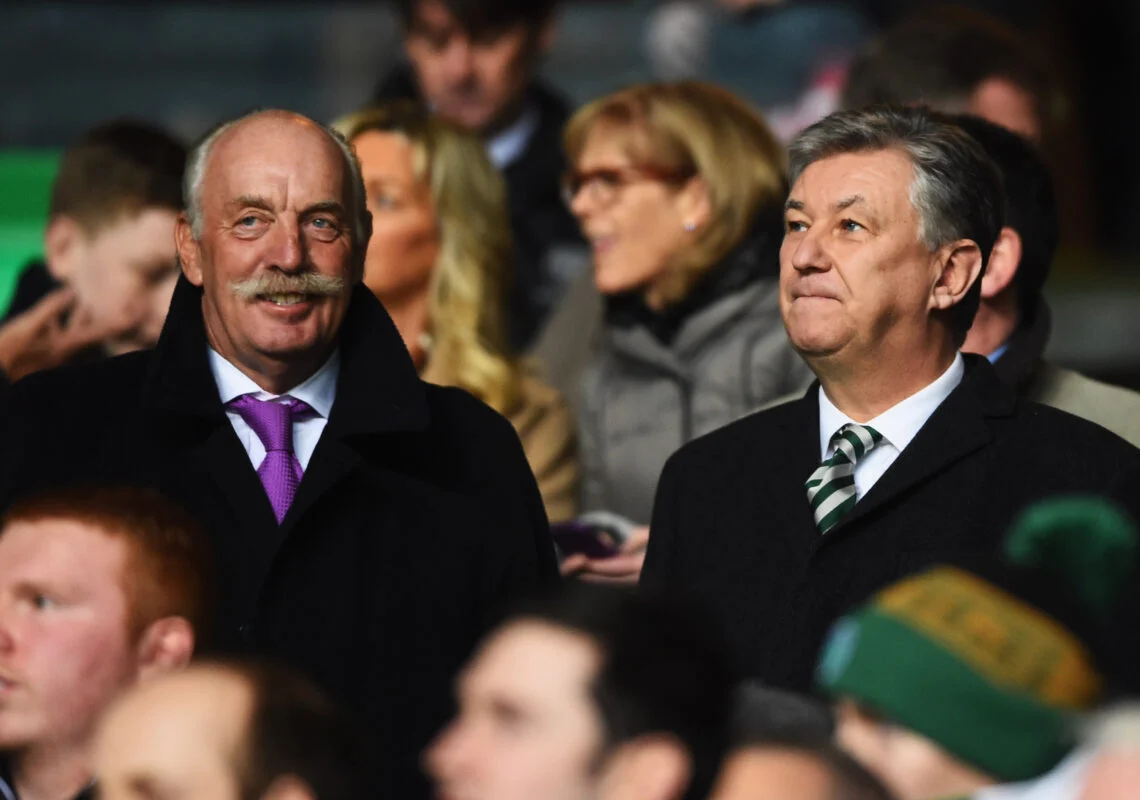
However, despite this optimism, the underlying issues and questionable decisions made by the club’s higher management remain glaringly apparent. The decisions taken by the Celtic hierarchy have been scrutinized heavily, with many fans and critics feeling disillusioned by the strategic direction the club has taken. This dissatisfaction has been vocalized loudly by the Celtic faithful, who have made their feelings about the club’s leadership clear both at the stadium and on social media. From the outside, observers are also beginning to recognize the mess that this campaign has become, especially considering the success Celtic continues to enjoy under O’Neill’s leadership despite the chaos behind the scenes.
One of the most contentious issues this season has been the club’s decision to appoint Wilfried Nancy from Columbus Crew as part of their managerial setup. Discussions on talkSPORT, a prominent sports radio station, have focused on how much the club’s fortunes have shifted under O’Neill’s influence and how some of the recent decisions seem baffling in comparison. Critics have emphasized that despite O’Neill’s previous success in transforming Celtic’s fortunes during his first spell at the club, the management decided to go in a different direction by bringing in Nancy, which many now see as a questionable move.
Alex Crook, a well-known sports pundit and talkSPORT presenter, was particularly outspoken in his criticism of the appointment. He described bringing Nancy from Columbus Crew as “the most stupid decision in football,” highlighting how such a move is perplexing given Celtic’s current standing and past achievements. Crook also criticized the appointment of Paul Tisdale as well, a manager with a less-than-stellar managerial record prior to his role at Celtic. Tisdale’s previous stints at clubs like Exeter, MK Dons, Bristol Rovers, and Stevenage were brief and often unsuccessful, raising questions about why Celtic would entrust him with a key role, such as director of football.
Crook argued that Celtic would likely be top of the league table and have already secured a League Cup victory if they had simply maintained their trust in Martin O’Neill. He questioned what the club’s hierarchy was thinking when they made such high-profile, yet seemingly ill-advised, appointments. Crook also pointed out that many club owners often seek advice from individuals who may lack the necessary expertise, which can lead to disastrous decisions. He emphasized that Tisdale’s managerial track record did not justify his appointment, and questioned why such a person was entrusted with the responsibility of selecting Celtic’s next manager.
Amid these criticisms, former Aston Villa player Gabby Agbonlahor offered a different perspective based on his firsthand experience working under Martin O’Neill. Agbonlahor praised O’Neill’s man-management skills, describing how he was able to lift the dark clouds hanging over Parkhead and bring a sense of optimism and order. According to Agbonlahor, O’Neill possesses an innate understanding of players’ mentalities and knows what motivates them. His straightforward approach, especially in tactical matters, resonated well with players, and he was able to instill discipline and focus without overcomplicating things.
Agbonlahor explained that O’Neill’s management style is rooted in understanding players’ needs and creating an environment where they can thrive. He highlighted that O’Neill’s approach is not just about tactics but about managing personalities and restoring confidence. Agbonlahor noted that O’Neill’s era at Aston Villa was marked by a clear sense of order and purpose, which is now being reflected at Celtic through his influence. He also pointed out that while Celtic now has Shaun Maloney as a young and innovative coach, the real backbone of the club’s current resurgence is O’Neill’s leadership and experience, which has helped the team regain a sense of discipline and direction.
In summary, Celtic’s current season is a rollercoaster filled with controversy, bold decisions, and moments of brilliance. The club’s hierarchy has faced heavy criticism for their management choices, especially regarding the appointment of Wilfried Nancy and Paul Tisdale. Many believe that if Celtic had retained Martin O’Neill or followed a more traditional and proven managerial route, they might be sitting comfortably at the top of the league and having already secured silverware. Nonetheless, O’Neill’s influence remains a guiding light, with many hoping he can lead Celtic to a league title and bring stability amid the chaos. His man-management skills and tactical simplicity have been praised by those who have worked with him, and his impact at Celtic has been significant in restoring order and morale. Despite all the controversy, the hope remains that O’Neill’s return can be the catalyst for Celtic’s ultimate success in what has truly been one of the most unpredictable seasons in the club’s history.
Celtic-linked Maswanhise nearly leaves Motherwell with contract offer prepared
How close Tawanda Maswanhise really came to leaving Motherwell
For much of January, the idea of Tawanda Maswanhise departing Motherwell appeared to be firmly off the table. Despite strong performances and growing interest, there was little indication that the Steelmen were prepared to part with one of their standout players midway through the season.
Speculation intensified when Celtic manager Martin O’Neill and coach Mark Fotheringham were spotted in the stands as Motherwell took on Dundee. Their presence was widely viewed as a potential scouting mission, with Maswanhise’s name quickly emerging as a possible target for the Hoops.
Even so, those close to the forward were quick to downplay the rumours. Maswanhise’s representatives insisted there had been no direct contact from Celtic, and as the window progressed, it became clear that the Glasgow club would ultimately look elsewhere to strengthen their attacking options.
Yet while a move to Parkhead never materialised, Deadline Day brought renewed uncertainty for Motherwell as interest in the Uganda international resurfaced from abroad.
Late interest tests Motherwell’s resolve
Although Maswanhise will remain at Fir Park for the remainder of the season, details have now emerged showing just how close he came to an exit in the final hours of the transfer window.
According to respected Belgian journalist Sacha Tavolieri, Anderlecht made a serious late push to sign the winger on Deadline Day. The Belgian giants were actively exploring attacking reinforcements and opened discussions over a potential move for Maswanhise.
Reports suggest Anderlecht had even prepared a contract offer spanning three-and-a-half years, underlining the level of their interest and the belief that the Motherwell forward could thrive in a more competitive European environment.
Their urgency increased after Nilson Angulo — a player previously linked with Celtic during the summer window — completed a £17.5 million transfer to Sunderland earlier in the day. With Angulo off the market, Anderlecht turned their attention elsewhere and accelerated talks over Maswanhise.
Despite the groundwork being laid, no deal was completed before the window closed, allowing Motherwell to retain one of their most influential players.
A player in the form of his career
Maswanhise’s growing reputation is hardly surprising given his remarkable run of form. The winger has scored in six consecutive matches across club and international football, underlining his confidence and consistency in the final third.
He currently leads the Scottish Premiership scoring charts with 13 goals, edging ahead of Celtic forward Benjamin Nygren by a single strike. For a wide player, those numbers reflect just how central he has become to Motherwell’s attacking play.
His performances have played a major role in Motherwell’s resurgence this season under head coach Jens Berthel Askou. Since October, the Steelmen have suffered just one defeat in all competitions — a remarkable run that has transformed them into one of the league’s most difficult sides to beat.
Given that momentum, there is a strong argument that staying put is the best move for Maswanhise at this stage of his career. Regular football, tactical freedom, and a system built around his strengths have allowed him to flourish in ways that may not have been guaranteed elsewhere.
Summer interest likely to grow
While Motherwell successfully resisted interest in January, the situation may look very different in the summer. If Maswanhise maintains his current trajectory, a competitive bidding process could develop when clubs have more time and financial flexibility to negotiate.
His age, form, and versatility make him an attractive prospect both domestically and abroad, and January’s events suggest that European clubs are already closely monitoring his progress.
Motherwell, however, remain determined to protect the core of their squad for as long as possible.
Askou shuts down January speculation
Speaking recently about the transfer speculation surrounding Maswanhise, Askou was unequivocal in his stance. The Motherwell boss made it clear that the club had no intention of entertaining offers for their top performers during the winter window.
“We are not in negotiations with anyone regarding any of our top players, and we are not selling any of our top players this window,” Askou stated.
He added that the timing of the window played a key role in their thinking. “It is very late and we want them to stay this season, and then we will see in the summer.”
Askou also stressed that Motherwell’s ambition extends beyond short-term gains. “We want to build a stronger squad than what we have right now and sharpen up a few things. That plan doesn’t include selling our best players.”
More interest at Fir Park
Maswanhise is not the only Motherwell player attracting attention. Midfielder Elliot Watt has also been linked with a potential move away, with reports suggesting Rangers are monitoring his situation.
For now, however, Fir Park remains intact — and with Maswanhise still leading the line, Motherwell can continue to dream big. The real test may yet come when the summer window opens and interest inevitably intensifies.
“It’s understood…” – Sky Sports journalist provides update as Celtic seal late deal
Celtic appear to have struck a late breakthrough in the transfer market, with reports indicating that a deadline-day deal has been agreed to bring in a Bundesliga attacker. The player has already travelled to the UK and is set to undergo a medical, suggesting the move is close to being finalised.
The developments come amid a busy and chaotic period surrounding the transfer deadline, during which Celtic have continued to make progress on the pitch. On Sunday afternoon, Martin O’Neill’s side comfortably brushed aside Falkirk, securing an important domestic victory that followed on from their midweek success in European competition. The win lifted Celtic up to second place in the Scottish Premiership, easing some of the pressure as attention turns back to recruitment.
Following the match, O’Neill was keen to highlight the impact of recent signing Tomas Cvancara, who marked his home debut with a goal. The Celtic boss was full of praise for the forward, describing the moment as a significant step forward for both player and club.
“It was great, and it was also the breakthrough we needed,” O’Neill told reporters. “Scoring that first goal is important for him and it will give him a real boost in confidence. There are still aspects of his game that need a bit of refinement, but that will come with time.”
O’Neill also pointed to Cvancara’s lack of recent match action prior to arriving at Celtic, noting that the forward is still building rhythm and sharpness. Despite that, he has already shown flashes of quality.
“He hasn’t played much football lately, but that’s now two games for us,” O’Neill continued. “He created the goal against Hearts, and at that moment he may have been the only player capable of making that run. Then on Sunday, he comes in and gets his goal. He’s clearly eager to prove himself, and I think there’s a real player there.”
Cvancara’s early contributions could be an encouraging sign for what lies ahead, and he may not be the only attacking reinforcement making an impact at Celtic Park in the near future. In recent days, speculation has intensified around Freiburg forward Junior Adamu, and it now appears that Celtic are on the verge of securing his signature.
According to Sky Sports journalist Anthony Joseph, Celtic have reached an agreement with Freiburg over a loan deal for Adamu. The Austria international has reportedly already arrived in the UK to complete his medical ahead of the move.
Joseph shared the update on social media, confirming that while a loan deal has been agreed in principle, discussions are still ongoing regarding the finer details of the transfer. “It’s understood the clubs are still discussing the structure of a potential option-to-buy clause,” he noted.
Adamu’s potential arrival would add further depth and competition to Celtic’s attacking options, though his recent form suggests he will be keen to use the move as a fresh start. The forward endured a difficult campaign in the Bundesliga, managing just nine appearances and scoring a single goal for Freiburg.
Much like Cvancara, Adamu will be hoping that a change of scenery and regular opportunities can help him rediscover his best form. Celtic, meanwhile, will be hoping that any agreement includes a favourable purchase option, should the striker flourish in Glasgow.
The club has been down this road before, benefiting from loan signings who quickly became key contributors, only to lose them once their form peaked. Ensuring long-term security over Adamu’s future could therefore be crucial if he proves to be a success.
With the transfer deadline fast approaching, Celtic appear determined to conclude their business decisively. Whether the deal ultimately remains a straight loan or includes an option to buy, all signs suggest that the Scottish champions are set to land their target.
If finalised, the move would represent another statement of intent from Celtic as they look to maintain momentum both domestically and in Europe. Adding attacking reinforcements at this stage of the season could prove vital, particularly as fixture congestion increases and the pressure intensifies at the top end of the table.
As things stand, Celtic fans may not have long to wait before seeing another new face pull on the green and white hoops, with Adamu’s arrival looking increasingly likely as the clock ticks down toward deadline day.
Deal Sealed as Celtic Prepare to Confirm Third January Signing
Any lingering uncertainty surrounding Celtic’s move for Junior Adamu appears to have been settled, with confirmation emerging late on Sunday night that the deal is effectively complete.
Highly regarded German journalist Florian Plettenberg reported that Celtic and SC Freiburg have reached full agreement, describing the transfer as done. According to his update, a verbal agreement is already in place, the player is present, and the loan arrangement will be formally concluded on Monday. With the January transfer deadline falling later that evening, the timing strongly suggests an official announcement will follow before the window closes.
That said, Celtic supporters are well accustomed to the club’s approach when it comes to revealing new signings. Even when deals are wrapped up well in advance, announcements are often delayed, sometimes intentionally, and released later in the day or even during the evening. Whether this transfer is confirmed swiftly or held back may depend on whether further business is completed before the deadline passes.
Regardless of the timing, the key point is that Celtic have secured their target.
Adamu, 24, joins the Hoops on loan from Freiburg, having moved to the Bundesliga club from Red Bull Salzburg in 2023 in a deal reportedly worth around €5 million. His spell in Germany has not unfolded as planned, with the forward struggling to establish himself as a regular starter.
Limited opportunities and increased competition have seen him slide down Freiburg’s attacking hierarchy, making a temporary move away the logical next step in search of consistent game time. This season, Adamu has featured 18 times in all competitions, scoring two goals and providing one assist.
On the surface, those figures may not appear particularly impressive, but they require context. Adamu has often been deployed in brief substitute appearances and has rarely been trusted to lead the line for sustained periods. Without a clear run in the side, he has found it difficult to build rhythm or confidence.
From Celtic’s perspective, the appeal of Adamu goes beyond his raw statistics. The club are not bringing him in solely for goals, but for the different tactical dimension he offers. He is a mobile forward who can operate across multiple attacking positions, providing flexibility in the final third.
Compared to fellow loanee Tomas Cvancara and the more established Iheanacho, Adamu adds another option with a contrasting skill set. His movement and versatility could give the manager additional solutions during matches, particularly in tight or high-intensity fixtures.
However, this move also highlights a broader theme that has defined Celtic’s January transfer window. Rather than long-term planning, the focus has clearly been on short-term fixes. Adamu’s arrival is designed to address immediate needs and provide depth during a demanding run of games, rather than lay foundations for future seasons.
With two strikers now brought in on loan, Celtic appear to be prioritising short-term cover over permanent squad building. That approach has not gone unnoticed by supporters, many of whom have expressed frustration at what they perceive as a reactive strategy rather than a proactive one.
Still, with the season entering a crucial phase, having additional attacking options could prove vital. Injuries, suspensions, and fixture congestion mean that depth is essential, and Adamu’s arrival at least ensures the manager has another forward to call upon.
There are still a few formal steps to complete before the deal is officially confirmed. Registration paperwork must be finalised, and the customary Celtic TV interview—likely featuring Gerry McCulloch—will follow. But in practical terms, the transfer is already over the line.

Celtic’s Tomas Cvancara celebrates after scoring his sides first goal during the William Hill Premiership match at Celtic Park, Glasgow. Picture date: Sunday February 1, 2026.
Celtic identified the need for another striker ahead of the deadline, and they have addressed it. Whether Adamu’s arrival is enough to make a meaningful impact, or simply serves as another reminder of how late and hurried this transfer window has been, is a discussion that will no doubt continue among the fanbase.
In addition to the Adamu deal, Celtic are also expected to finalise the permanent signing of Joel Mvuka. The winger reportedly completed his medical on Sunday, with a move to Glasgow set to cost around £3 million. If completed, that deal would add another piece to Celtic’s January business as the window draws to a close.
For now, though, the headline is clear: Celtic have secured Junior Adamu, and an official announcement appears imminent.
Hogh alternative as Celtic target late-window swoop for £5m goal machine – report
Celtic may yet make a dramatic late move in the final hours of the transfer window, with reports suggesting the Scottish champions are considering an inter-league deal for Motherwell forward Tawanda Maswanhise following his impressive run of form this season.
The 22-year-old has emerged as one of the most dangerous attackers in the Scottish Premiership, currently sitting joint-top of the scoring charts with 11 league goals. He shares that tally with Celtic winger Benjamin Nygren and Hearts striker Lawrence Shankland, although Shankland’s injury absence means Maswanhise is well placed to take sole possession of the Golden Boot race.
While his performances have been central to Motherwell’s strong campaign, those goals may soon be scored at Parkhead rather than Fir Park. Reports suggest Celtic are closely monitoring the situation and could look to prise the Zimbabwe international away in a late-window swoop.
Celtic monitoring Maswanhise as Høgh alternative
According to a report from SportsBoom, Celtic have identified Maswanhise as a potential fallback option should they fail in their pursuit of Bodø/Glimt striker Kasper Høgh. The Hoops are believed to be weighing up their options as the deadline approaches, with Maswanhise now under serious consideration.
Høgh has attracted significant attention after a string of standout performances in European competition. The Danish forward featured prominently in Bodø/Glimt’s Champions League campaign, helping his side earn draws against Slavia Prague, Tottenham Hotspur and Borussia Dortmund. His reputation soared further after scoring twice against Manchester City and netting a crucial winner against Atlético Madrid earlier this week, a goal that kept his club alive in the competition.
Those performances have inevitably drawn interest from elsewhere, with Celtic facing competition from Norwich City. The Championship side are reportedly keen to bring Høgh to Carrow Road, particularly with star striker Josh Sargent considering a return to Major League Soccer. With Norwich understood to have already lodged an offer, Celtic could be forced to look closer to home for reinforcements.
That scenario has elevated Maswanhise into a prime alternative. His consistent output for Motherwell has not gone unnoticed, and Celtic are thought to be impressed by his development, physicality, and composure in front of goal.
Rangers also tracking Motherwell star
Celtic are not alone in admiring Maswanhise. Glasgow rivals Rangers have also been monitoring his progress, though current indications suggest the Hoops are leading the race. Any deal would not come cheaply, however, with Motherwell believed to be holding out for a fee in the region of £5 million.
Convincing Motherwell manager Jens Berthel Askou to part with his leading scorer at this stage of the season would be no easy task. Maswanhise has been central to their attacking play and remains under contract, giving the Lanarkshire club a strong negotiating position.
Maswanhise’s impact on Motherwell’s season
Despite much of the title conversation focusing on the Old Firm and Hearts’ unexpected challenge, Motherwell have quietly put together a highly competitive campaign. Their defensive solidity has been a major factor, with goalkeeper Calum Ward currently boasting the highest number of clean sheets in the division, contributing to one of the league’s strongest back lines.
At the other end of the pitch, Maswanhise’s goals have been vital. His ability to score in crucial moments has kept Motherwell firmly in the mix, and while they currently sit 11 points off the summit, the gap to Celtic is far smaller. With just five points separating the two sides, and only seven between Motherwell and a Champions League qualification spot, the Steelmen remain very much in contention.
That context may be playing into Celtic’s thinking. By signing Maswanhise, they would not only add a proven goal scorer to their squad but also potentially weaken a direct rival in the race for European places. Removing Motherwell’s main attacking threat could blunt any late push from Fir Park as the season enters its decisive phase.
A calculated gamble for Celtic
Maswanhise’s background also adds to his appeal. A graduate of Leicester City’s youth system, he has steadily rebuilt his career north of the border, showing maturity and adaptability in Scottish football. At 22, he offers both immediate impact and long-term value.
For Celtic, a £5 million investment would represent a significant outlay but one that could pay dividends if Maswanhise can translate his domestic form into success at a higher level. With European commitments and a demanding fixture list ahead, adding another reliable source of goals could prove crucial.
As the clock ticks down on the transfer window, Celtic’s next move may depend on how their pursuit of Høgh develops. If that deal proves unattainable, Maswanhise could quickly become their primary target. Whether Motherwell are willing to sell, and whether the player himself is ready to make the leap to Glasgow, remain the key questions in what could yet become one of the window’s most intriguing late deals.
Celtic seal full deal for forward who is set to travel to Glasgow
Celtic have reportedly reached a complete agreement to secure the signing of a highly rated forward, with the player now preparing to travel to Glasgow ahead of completing his move to Parkhead. The deal represents another statement of intent from the Scottish giants as they look to inject fresh quality into their attacking ranks and reignite their season.
The forward’s rise has been anything but straightforward. After showing promise earlier in his career, his breakthrough moment arrived during a productive spell that caught the attention of clubs across Europe. His performances earned him a move to French third-tier side Rouen, where he quickly established himself as a standout figure.
At Rouen, the attacker flourished, becoming a key player and delivering consistently impressive displays that marked him out as one of the division’s most exciting talents. His ability to influence matches with goals, movement, and creativity made him indispensable, and it was not long before clubs from higher-profile leagues began to take notice.
That surge in form convinced Italian side Frosinone to make their move in January 2024, securing his services for a reported fee of £250,000. While the transfer initially flew under the radar, it would soon prove to be one of the smartest pieces of business in Serie B.
Since arriving in Italy, the forward has gone from strength to strength. He has quickly adapted to the demands of Serie B, showcasing his technical quality, intelligence, and composure in front of goal. With eight goals and two assists to his name so far this season, he has emerged as one of the league’s most effective attacking outlets.
More importantly, his contributions have played a central role in Frosinone’s impressive campaign. The club have lost just twice all season, displaying remarkable consistency and resilience, and currently sit at the top of the Serie B table. With momentum firmly on their side, Frosinone are now genuine contenders for promotion back to Italy’s top flight after spending two years away.
The forward’s influence extends beyond the numbers. His presence has lifted those around him, helping to drive performances in crucial moments and providing Frosinone with a reliable attacking focal point. Whether operating through the middle or drifting into wider areas, his movement and work rate have given opposition defences constant problems.
Celtic’s decision to move decisively for the player reflects both his rapid development and the club’s desire to address areas of concern within their own squad. While the Hoops have shown flashes of quality this season, inconsistency has hampered their progress domestically and in Europe, prompting the need for reinforcements capable of making an immediate impact.
By completing a full agreement ahead of the transfer window deadline, Celtic have ensured the forward will have time to settle into his new surroundings and begin contributing as soon as possible. His impending flight to Glasgow signals the final steps of the move, with medical checks and official announcements expected to follow.
At Parkhead, expectations will be high. Celtic supporters will be eager to see whether the forward can replicate the form that made him such a key figure in Italy. The Scottish Premiership presents a different challenge, but his adaptability and recent trajectory suggest he has the tools to succeed.
Manager Martin O’Neill will be hoping the forward can provide a spark in the final third, offering both goals and creativity while adding competition for places in the attacking unit. With important fixtures on the horizon and European ambitions still alive, Celtic are counting on the new arrival to help shift momentum in their favour.
For the player himself, the move represents another significant step forward in a career that has gathered pace rapidly over the past 18 months. From emerging as a standout performer in the lower leagues to becoming a driving force in a promotion-chasing Serie B side, his journey has been defined by steady progress and resilience.
Now, as he prepares to test himself in Glasgow, the opportunity awaits to make an immediate impression on one of the biggest stages in Scottish football. If he can mirror the influence he has had at Frosinone, Celtic may well have secured a forward capable of playing a pivotal role in shaping the remainder of their season and beyond.
Trusted insiders reveal major double Celtic transfer bombshell
When transfer news involving Celtic is delivered by Stephen McGowan or Mark Hendry, it tends to land differently. Their reputations have been built quietly, through accuracy rather than volume, and through restraint rather than speculation. Neither journalist is known for chasing rumours or amplifying noise. When they report progress, it usually means something tangible is happening behind the scenes.
That context is crucial as the January transfer window enters its final stretch. Celtic fans have learned to approach most links with caution. January often brings a flood of names, fleeting excitement, and little in the way of concrete outcomes. This time, however, the significance lies not just in the players being mentioned, but in the credibility of the voices bringing the information forward.
McGowan moved quickly to clarify Celtic’s interest in Fares Ghedjemis following initial reporting from Sky Sports. His update went beyond casual interest. He referenced active discussions between Celtic and Frosinone, with the Italian club already assessing replacement options and contract timelines factoring into negotiations. That level of detail suggests more than passive scouting. It indicates Celtic have tested the conditions of a deal and are actively exploring its feasibility.
At the same time, Hendry has advanced the Damir Redzic narrative further than anyone else. Writing on his Substack, he outlined a situation that goes beyond admiration or background monitoring. Talks with DAC Dunajská Streda have taken place, with transfer fees expected to be discussed. The framing of Redzic as a live option rather than a long-term project points to urgency rather than planning for the distant future.
Together, the two reports reveal something important about Celtic’s approach. This is not a scattergun attempt to see what sticks. It is a focused response to a clearly identified weakness. The right side of the attack has been flagged internally as an area needing reinforcement, and the club are now attempting to address it decisively rather than deferring the problem to another window.
The issue has been evident for some time. Since Nicolas Kühn’s departure, Celtic have lacked a natural right-sided outlet capable of consistently stretching defences. Yang Hyun-jun has made progress. His work rate has improved, his defensive contribution has grown, and there have been moments where his technical ability shines. Yet consistency remains elusive. In matches where Celtic need sustained pressure from wide areas, flashes of quality have not been enough.
That imbalance has had tactical consequences. Opponents have become comfortable overloading the left flank, knowing the danger is greater there. Full-backs are able to narrow their positioning, reducing space centrally. Celtic often dominate possession without forcing defensive structures to break. In European competition, where space is limited and transitions are sharp, that lack of directness has been particularly costly.
Both Ghedjemis and Redzic offer different solutions to the same structural problem. Ghedjemis has shown in Serie B that he can attack space aggressively, contribute goals from wide positions, and carry the ball with intent. Redzic provides versatility, capable of operating across the front line and influencing matches both from the wing and in more central roles. Neither profile suggests excess or indulgence. Both are functional signings aimed at restoring balance and unpredictability.
What also emerges from McGowan and Hendry’s reporting is a counterpoint to the idea that Celtic have been paralysed by indecision this window. The lack of visible movement has undoubtedly fuelled frustration. Only Julian Araujo and Tomas Cvancara have arrived, both on loan, and neither directly addresses the right-wing issue. But silence does not always equal inactivity. Some deals take time, particularly in January when selling clubs are reluctant, players hesitate over mid-season moves, and valuations fluctuate rapidly.
The winter window is unforgiving. Clubs defending promotion pushes or fighting relegation are resistant to selling. Agents leverage interest. Timelines compress. Celtic have allowed themselves limited margin for error, but the emergence of club-level talks suggests an awareness that waiting any longer risks missing the opportunity entirely.
Martin O’Neill’s recent comments align closely with this shift. He has not demanded volume signings. Instead, he has emphasised the need for players who can change games immediately—individuals who can beat opponents one-on-one, disrupt defensive shapes, and alter momentum. That description narrows the field significantly and aligns neatly with the profiles currently under discussion.
Credibility remains central to how this story should be interpreted. McGowan has a long track record of accurately reflecting Celtic’s internal thinking, particularly at board level. When he reports that discussions are ongoing, history suggests they usually are. Hendry has similarly established himself as someone close to negotiations once talks move into the territory of fees and structure rather than scouting reports.
None of this guarantees a successful outcome. January deals collapse for countless reasons. Wage demands can derail progress. Competing clubs can enter late. Selling sides can harden their stance. But what it does confirm is that this is not speculative chatter. There is substance beneath the reporting.
Supporters are right to reserve judgment until signings are finalised. Experience has earned that scepticism. But it is also fair to recognise when credible reporting points toward genuine movement rather than recycled rumour.
Celtic’s needs are immediate. The upcoming fixture list will demand width, speed, and the ability to unlock games when control alone is insufficient. These are not abstract requirements for next season. They are pressing concerns that must be addressed now if the campaign is to meet expectations.
McGowan and Hendry are not manufacturing optimism. They are documenting a process that appears to have shifted from observation to execution. Whether that culminates in the arrival of Ghedjemis, Redzic, or another target entirely remains to be seen.
What is different, for the first time this window, is that the narrative feels grounded. The speculation has been replaced by signals of action. And as deadlines approach, that distinction matters more than ever.
Celtic open late negotiations for £6m striker tipped to be the next Giakoumakis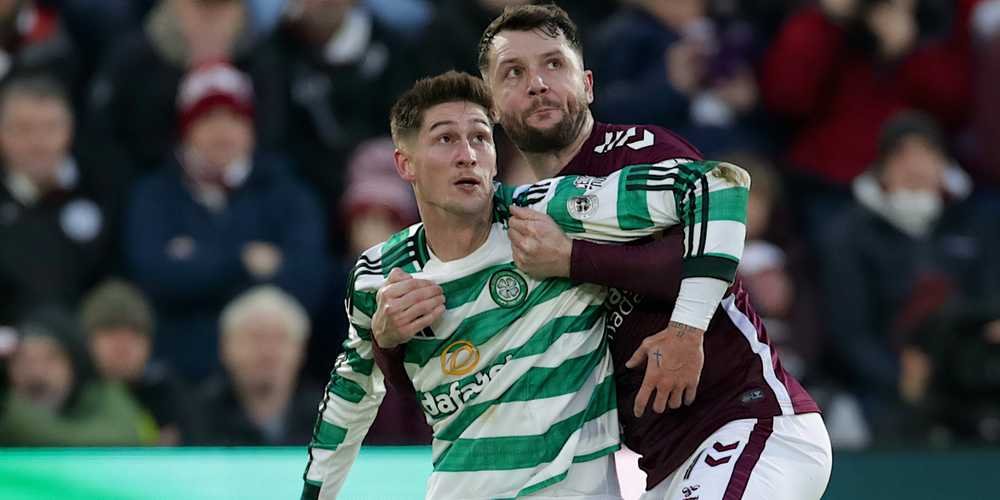
Celtic appear to be edging toward another late attacking move in the January transfer window, with discussions reportedly under way for a striker valued at around £6 million — a forward many believe could replicate the impact once made by Giorgos Giakoumakis at Parkhead.
While it may be premature to draw firm conclusions, there were encouraging signs from Celtic’s most recent attacking addition, Tomas Cvancara, during Sunday’s dramatic 2–2 draw in Edinburgh. The Czech forward, who had not featured competitively since November, showed inevitable signs of rust early on but steadily worked himself into the contest.
Standing at 6ft 3in, Cvancara offered a physical presence that Celtic have often lacked this season. He came close to opening his account when a powerful header rattled the woodwork, and moments later produced an impressive surging run through the Hearts defence before teeing up Yang Hyun-jun for Celtic’s second goal. It was a snapshot of what the striker could offer when fully fit and match-sharp.
However, optimism surrounding his performance was tempered after interim manager Martin O’Neill suggested the striker was withdrawn shortly after the hour mark due to hamstring discomfort. With Celtic already stretched in key areas, the prospect of another injury — particularly at centre-forward — is far from ideal.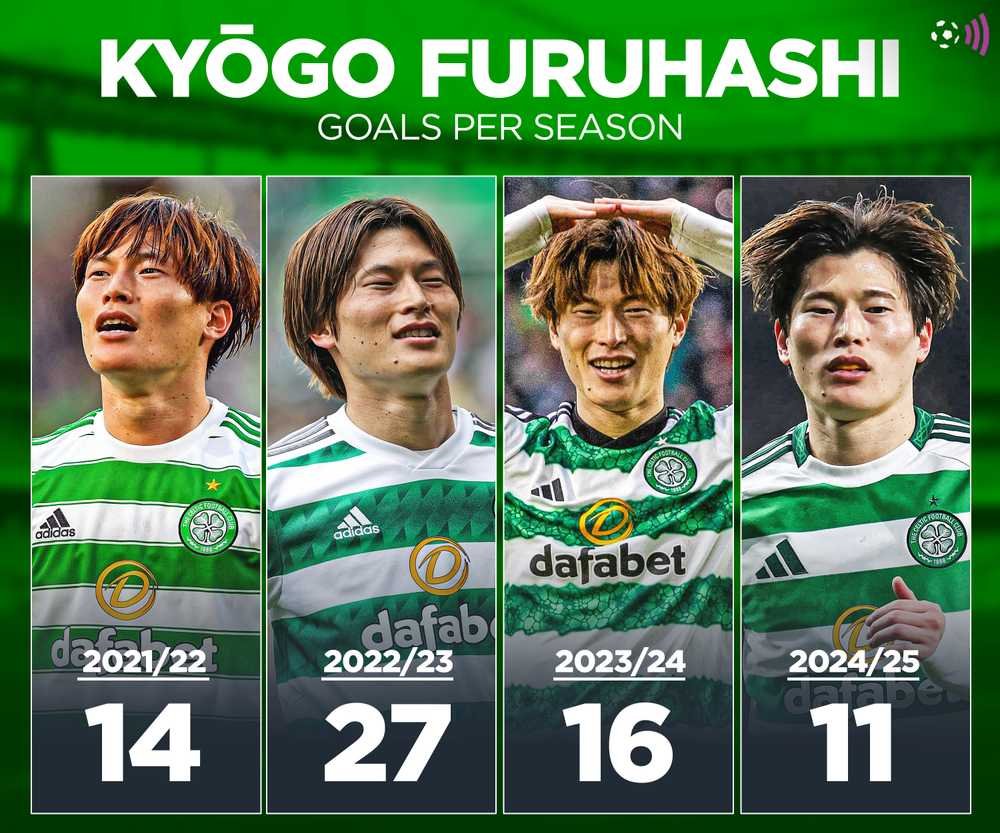
Even if Cvancara’s issue proves minor, there is a growing sense that Celtic’s attacking depth remains insufficient as they attempt to reel in Hearts at the top of the Premiership table.
Celtic step up striker pursuit late in the window
The need for an additional striker has been a recurring theme at Celtic for more than a year. The exits of Kyogo Furuhashi and Adam Idah left a void that has not yet been convincingly filled, and the club’s current options remain limited.
Callum Osmand continues his recovery on the sidelines, while Kelechi Iheanacho has only recently returned from injury and is still working his way back to peak condition. Shin Yamada, meanwhile, has been sent out on loan after failing to find the net throughout the campaign.
Cvancara’s arrival on loan was widely viewed as a step in the right direction, but few believe it should be the final move in Celtic’s January business. Reinforcements are still required if the club are serious about sustaining a title push.
Within Scotland, Motherwell forward Tawanda Maswanhise has been linked as a potential domestic option. Yet Celtic’s recruitment team also appear to be casting the net wider, exploring opportunities beyond the Premiership.
According to reports from Football Insider, Celtic have entered discussions over a possible move for Bodo/Glimt striker Kasper Høgh. The Danish forward is said to be attracting interest from Championship side Norwich City, managed by former Rangers boss Philippe Clement, setting up a potential transfer tussle.
The report claims that O’Neill is keen to secure another striker before the deadline, with Høgh believed to be available for a fee in the region of £6 million.
A familiar Celtic striker blueprint
There was a period not so long ago when Celtic possessed one of the most formidable strike partnerships in Scottish football. Under Ange Postecoglou, Kyogo and Giorgos Giakoumakis offered contrasting but complementary profiles, giving Celtic tactical flexibility and relentless attacking threat.
Kyogo’s pace, movement, and finishing made him the primary choice, but Giakoumakis provided an invaluable alternative. Strong, aggressive, and dominant in the air, the Greek striker was often devastating from the bench and pushed Kyogo relentlessly for a starting role.
At 6ft 1in, Giakoumakis gave Celtic a traditional focal point, something that has been noticeably absent since his departure. He arrived at Parkhead from Dutch side VVV-Venlo after a breakout season in which he scored an astonishing 29 goals in 33 games during the 2020/21 campaign.
Before that spell in the Netherlands, Giakoumakis had never been particularly prolific. Yet that surge in confidence carried over to Glasgow, where he netted 26 goals in 57 appearances for Celtic, despite starting fewer than half of those matches.
His partnership and competition with Kyogo proved short-lived but highly effective — and it is precisely that type of dynamic Celtic appear keen to recreate.
Why Kasper Høgh fits the Giakoumakis mould
Høgh, like Giakoumakis before him, did not begin his career as a reliable goalscorer. Early spells at clubs such as Randers and Aalborg produced modest returns, with the Dane managing just four goals during those periods.
His fortunes changed dramatically following his move to Bodo/Glimt. Since arriving in Norway, Høgh has transformed into one of the Eliteserien’s most dangerous forwards, scoring 42 goals in 82 appearances across all competitions.
His development has been particularly striking over the past two seasons. Across the last two league campaigns combined, Høgh has found the net 29 times, with his form truly exploding from 2024 onwards.
One of his most eye-catching performances came recently in European competition, where he scored twice as Bodo/Glimt stunned Manchester City with a remarkable 3–1 victory in the Champions League. That display underlined his ability to perform on big occasions against elite opposition.
Standing 6ft 1in tall, Høgh is a classic number nine — strong, direct, and highly efficient in front of goal. His playing style mirrors much of what Giakoumakis brought to Celtic: an ability to occupy defenders, dominate aerial duels, and convert chances with minimal touches.
Statistically, the comparison is compelling. During the most recent Eliteserien season, Høgh scored 17 league goals while averaging just over 23 touches per game, highlighting his efficiency. He also won more than half of his aerial duels, reinforcing his reputation as a physical presence.
Giakoumakis produced similar numbers in his debut Scottish Premiership campaign, scoring 13 league goals from an average of just 16 touches per match and winning around 51% of his aerial battles. The parallels between the two forwards are difficult to ignore.
Tactical value for Martin O’Neill
For O’Neill, adding a striker like Høgh would provide crucial tactical flexibility. Celtic have often struggled when asked to break down deep-lying defences or when games become physical and congested. A powerful central striker capable of holding the ball up, winning headers, and finishing efficiently would offer a valuable alternative approach.
Høgh’s presence would also ease the burden on Cvancara, allowing the Czech forward time to build fitness without being rushed into an overloaded role. It would give Celtic genuine competition at number nine — something that has been sorely lacking since Giakoumakis’ departure.
Moreover, Høgh’s recent improvement in chance conversion suggests a striker growing in confidence and maturity. In the latest season, his goal conversion rate climbed significantly while the number of big chances missed dropped sharply, an indication of improved decision-making and composure.
A move that could define Celtic’s window
With the transfer deadline fast approaching, Celtic’s recruitment strategy appears to be reaching a decisive phase. Supporters have grown increasingly vocal about the club’s perceived lack of ambition in recent windows, and another attacking addition could go a long way toward restoring belief.
While £6 million represents a sizeable outlay, it could prove a shrewd investment if Høgh adapts successfully to Scottish football. Giakoumakis arrived with far less fanfare and went on to become one of the most effective forwards in the league.
Should Celtic succeed in landing the Danish striker, it would not only bolster their title challenge but also signal a return to a proven recruitment formula — identifying a physically dominant forward on an upward trajectory and giving him the platform to thrive.
As Celtic look to close the gap on Hearts and regain momentum in the title race, securing a Giakoumakis-style striker may be exactly the statement move O’Neill needs to round off the window.
-

 Blog7 months ago
Celtic issues a fiery VAR statement after Trusty’s red card appeal is dismissed, as furious chiefs release referee audio publicly.
-

 Blog1 week ago
Former official calls on SFA to contact Rangers over fan scenes during Celtic match, labeling them “completely unacceptable.”
-

 Blog7 months ago
Celtic informed their January signing under Martin O’Neill that he wouldn’t play a single minute this season.
-

 Blog7 months ago
Celtic issued an £83 million warning amid looming UEFA threats.
-

 Blog7 months ago
SFA Expected to Review Missed Penalty in Rangers v Celtic Clash
-

 Blog6 months ago
Police respond after reported disorder following Middlesbrough vs Millwall clash
-

 Blog1 year ago
“Courtside to Aisle-Side: Tyrese Haliburton and Jade Jones Set New Wedding Date”
-

 Blog7 months ago
£6m star is looking to leave Rangers this summer and has already announced his next club publicly.