
Blog
Mikaela Shiffrin’s greatest triumph at the 2026 Winter Olympics was achieving peace of mind.

Mikaela Shiffrin finds her greatest triumph beyond medals
Having exceptional talent alone is never sufficient at the highest level of sport.
Even the most gifted athletes can struggle when they are under the intense spotlight of global expectations. When millions of eyes are watching, and the pressure feels larger than the mountains they compete on or the arenas they perform in, physical preparation by itself cannot guarantee success. Years of relentless training and dedication may still fall short in moments of extreme pressure. Doubt can creep in, confidence can waver, and even the body can begin to react negatively under stress.
What ultimately separates those who succeed from those who falter is not just physical readiness, but the mental and emotional groundwork laid beforehand. The ability to manage pressure, remain composed, and stay psychologically strong becomes just as important as technical skill.
The growing importance of mental strength in elite sport
According to Abbey Fox, who works closely with Shiffrin, vulnerability is often misunderstood in high-performance environments. Speaking with USA TODAY Sports, she emphasized that acknowledging personal struggles is not a sign of weakness but rather a demonstration of courage.
Fox explained that while many people believe hiding emotions reflects strength, the reality is quite the opposite. It takes far more bravery to openly admit challenges and confront them head-on. Suppressing feelings may be easier in the short term, but it does not lead to long-term resilience.
This perspective has become increasingly relevant in modern sport, where athletes are beginning to prioritize mental health alongside physical conditioning.
Lessons from the 2026 Winter Olympics
The events of the 2026 Winter Olympics in Milano Cortina once again highlighted that elite competitors are not machines or invincible figures. They are human beings who experience pressure, anxiety, and emotional challenges just like anyone else.
The Games served as a reminder that success is not solely determined by talent or preparation. Mental well-being plays a critical role in how athletes perform on the biggest stages.
For some, the pressure proved overwhelming. For others, it became an opportunity to demonstrate growth and resilience.
Contrasting fortunes on the Olympic stage
One of the most striking examples of how pressure can affect performance was seen in Ilia Malinin. Entering the competition as a heavy favorite, he struggled to cope with expectations and ultimately failed to reach the podium.
In contrast, Shiffrin delivered a remarkable performance, drawing on the lessons she had learned from previous setbacks. Her experience at the 2022 Winter Olympics had been deeply challenging, but it also provided valuable insight into managing pressure.
This time, she was able to block out distractions and external noise, allowing her to focus fully on her performance. That mental clarity played a crucial role in her success.
A long-awaited return to Olympic glory
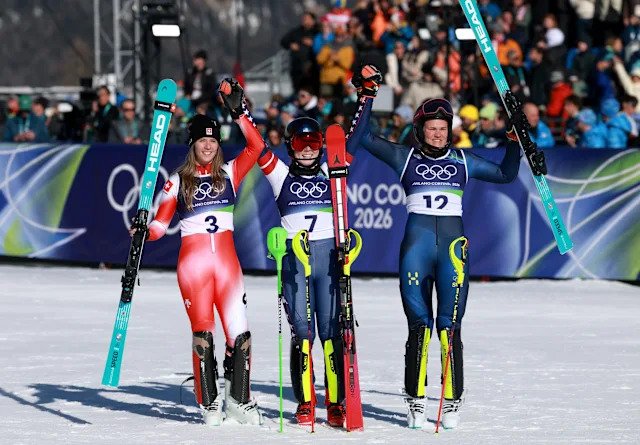
Shiffrin’s victory in the slalom event marked a significant milestone in her career. It was her first Olympic medal since earning silver in the combined event at the 2018 Winter Olympics in Pyeongchang.
The gold medal also ended a frustrating run of eight consecutive Olympic races without a podium finish. That stretch included several did-not-finish results in Beijing, making her triumph in 2026 even more meaningful.
Her success was not just about technical excellence but also about the mental strength she had developed in the years leading up to the competition.
Simone Biles highlights the mental challenge














Shiffrin’s journey resonates with other elite athletes who have spoken openly about the importance of mental health. Simone Biles, one of the most prominent advocates in this area, has emphasized that mental preparation is often the key factor in delivering peak performance.
Reflecting on her own experience with “the twisties” at the Tokyo 2020 Olympics, Biles explained that mental work can sometimes outweigh physical training in importance.
She stressed that performing at the highest level is far from easy and that the mental demands should not be underestimated. For Biles, acknowledging and addressing these challenges has been an essential part of her journey.
Preparing for the next challenge
As Shiffrin looks ahead to the FIS Alpine Skiing World Cup Finals, which began on March 21 in Lillehammer, Norway, she remains focused on maintaining the balance that has brought her success.
With the possibility of securing a record-tying sixth overall title, she continues to build on the mental strategies that have helped her perform at her best.
Her approach offers valuable lessons not only for fellow athletes but for anyone striving to excel under pressure.
Finding clarity and calm within
A key turning point in Shiffrin’s journey came after the Beijing Olympics, when she began working with Abbey Fox at the suggestion of her mother, Eileen, who also serves as one of her coaches.
This decision marked a shift in how Shiffrin approached her mental preparation. While she had always been reflective and self-aware, working with a professional allowed her to develop more effective tools for managing her thoughts and emotions.
Shiffrin has long been open about the personal challenges she has faced, including the profound grief following the sudden loss of her father, Jeff, in 2020. She has also spoken candidly about her complex relationship with the Olympics.
However, Fox pointed out that there is a crucial difference between expressing emotions and allowing them to dominate one’s mindset. Learning to acknowledge feelings without being controlled by them is an essential skill.
Fox explained that individuals must live authentically and accept that not everyone will understand or approve of their experiences. Embracing discomfort, rather than avoiding it, reduces its power.
By confronting difficult emotions instead of suppressing them, Shiffrin has been able to achieve a greater sense of peace and focus.
The true meaning of victory
Ultimately, Shiffrin’s greatest achievement at the 2026 Winter Olympics was not just winning a gold medal. It was the sense of mental clarity and stability she developed along the way.
Her journey demonstrates that success in elite sport is about far more than physical ability. It requires a holistic approach that includes emotional resilience, self-awareness, and the courage to confront personal challenges.
In finding peace of mind, Shiffrin unlocked the performance she had been striving for. That inner victory, more than any medal, defines her triumph.
-

 Blog7 months ago
Celtic issues a fiery VAR statement after Trusty’s red card appeal is dismissed, as furious chiefs release referee audio publicly.
-

 Blog3 weeks ago
Former official calls on SFA to contact Rangers over fan scenes during Celtic match, labeling them “completely unacceptable.”
-

 Blog8 months ago
Celtic informed their January signing under Martin O’Neill that he wouldn’t play a single minute this season.
-

 Blog7 months ago
Celtic issued an £83 million warning amid looming UEFA threats.
-

 Blog7 months ago
SFA Expected to Review Missed Penalty in Rangers v Celtic Clash
-

 Blog6 months ago
Police respond after reported disorder following Middlesbrough vs Millwall clash
-

 Blog2 weeks ago
Middlesbrough receive a warning following Steve Gibson’s submission of a £1.5bn proposal.
-

 Blog1 year ago
“Courtside to Aisle-Side: Tyrese Haliburton and Jade Jones Set New Wedding Date”