
Blog
Rob Green uncovers shocking QPR contract revelation.

Shock Queens Park Rangers contract revelation shared by Rob Green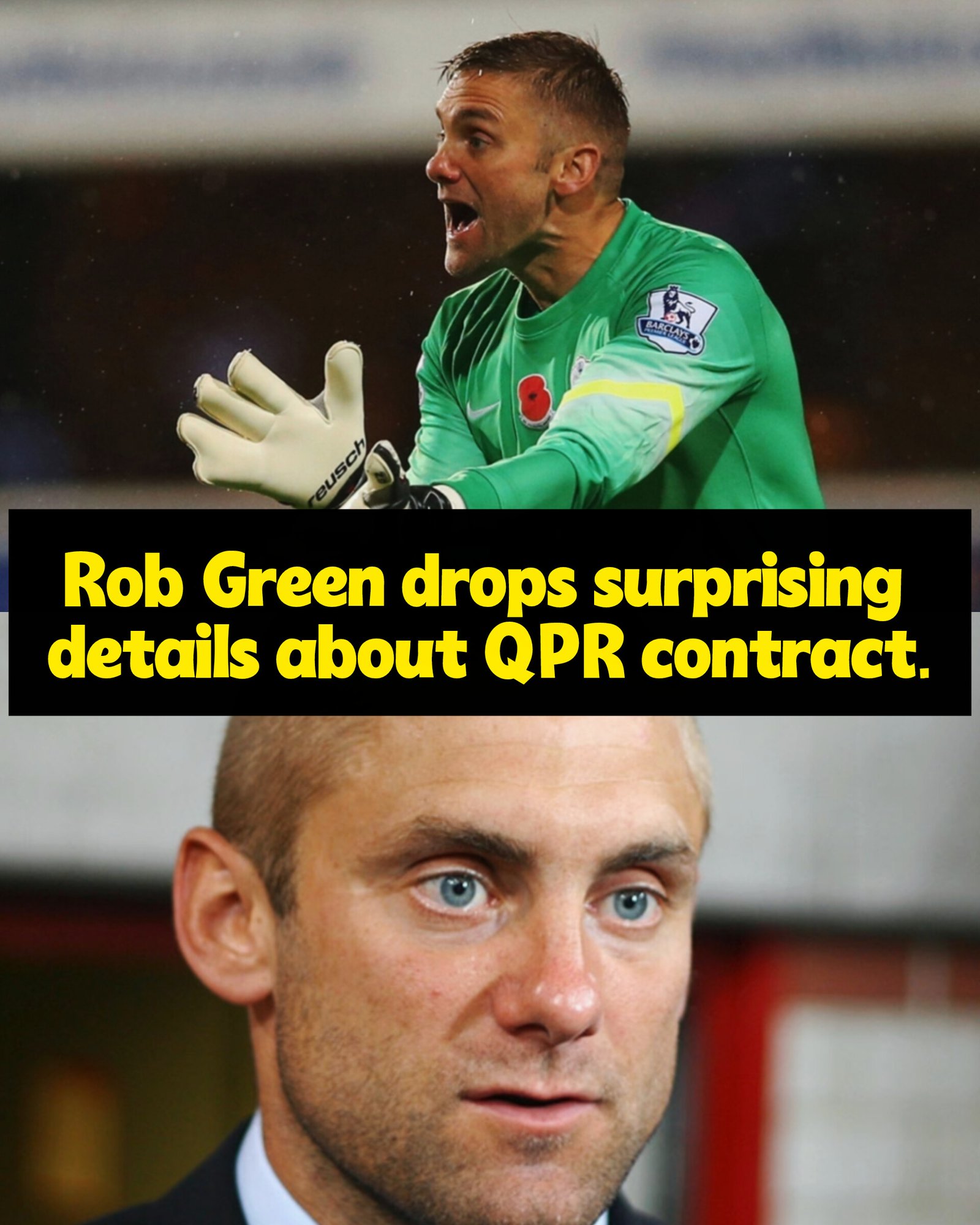
Queens Park Rangers have now spent well over ten years away from the Premier League, and it appears they will not be making a return to the top tier under Julien Stéphan during the current campaign. The club continues to push forward, but promotion is not on the cards this season.
That said, it is important to recognise that the French coach has walked into a club that is very different from the one that last celebrated promotion to the Premier League. The structure, financial outlook, and overall strategy have evolved significantly since those earlier years.
Ambition under Tony Fernandes
During the tenure of Tony Fernandes, QPR became known for their bold ambition. The ownership group sought to transform the club into a competitive force by investing heavily in experienced and high-profile players. The aim was not only to remain in the Premier League but also to build a squad capable of pushing forward and achieving sustained success.
Over a relatively short space of time, a number of big-name players arrived at Loftus Road. Among them were Rio Ferdinand, Park Ji-sung, Júlio César, and José Bosingwa. Each signing carried significant expectations, and on paper, they appeared to be steps in the right direction.
However, while the intentions behind these acquisitions were positive, the overall approach quickly earned QPR a reputation for excessive and uncontrolled spending. In the long term, that strategy would come back to haunt the club.
Rob Green lifts the lid on contract issues
One of the most striking insights into that era has now been provided by Rob Green, who was part of the QPR squad during those years. The goalkeeper made more than 100 appearances across a four-year spell in West London and experienced firsthand how the club operated behind the scenes.
Speaking on a podcast hosted by Ben Foster, Green revealed a surprising detail about the contractual structure in place at QPR. He explained that, unlike many clubs, QPR did not include relegation clauses that would reduce player wages if the team dropped out of the Premier League.
In fact, the situation was quite the opposite. Players did not suffer any wage cuts following relegation to the Championship. Instead, the structure of their earnings meant they could actually take home more money in the second tier.
How players earned more after relegation
Green compared his experience at QPR with his time at West Ham United, where a 50 percent wage reduction clause was standard in the event of relegation. This type of clause is widely used across football as a way to protect clubs financially when they lose the significant revenue associated with Premier League status.
At QPR, however, no such protection existed. Green explained that the difference in the number of matches between the two divisions played a major role in this unusual situation.
In the Premier League, teams play 38 matches per season, with players receiving appearance-related bonuses alongside their wages. When a club is relegated to the Championship, the schedule increases to 46 league matches, creating more opportunities for players to earn appearance fees.
Additionally, the Championship offers promotion bonuses for players if the team secures a return to the Premier League. This combination of more games and the potential for additional bonuses meant that players at QPR could actually increase their earnings despite competing at a lower level.
A rare and risky approach
Green’s revelation highlights just how unusual QPR’s approach was. It is common practice for clubs to include relegation wage reductions, and reports have indicated that even clubs such as Tottenham Hotspur have such clauses in place, despite rarely being involved in relegation battles.
QPR’s failure to adopt this standard safeguard exposed them to significant financial risk. Without wage reductions, the club was left paying Premier League-level salaries while operating with Championship-level income.
The consequences of poor management
This approach says a great deal about how QPR were run during that period. The lack of financial planning and oversight made it extremely difficult for the club to adapt after relegation. One of the biggest challenges they faced was moving players on, as high wages made it unattractive for other clubs to take them on.
Ultimately, responsibility for these decisions lies with the ownership. While there was a clear desire to make QPR competitive by investing heavily in the squad, the execution of that plan was flawed. Throwing money at the problem without proper safeguards proved to be a costly mistake.
Financial fallout and EFL settlement
The consequences of this mismanagement were severe. In 2018, QPR reached a settlement of £42 million with the English Football League due to financial breaches linked to overspending during their promotion campaign four years earlier.
At that time, the club’s wage bill had risen to an astonishing 195 percent of their turnover. This figure clearly demonstrated how unsustainable their financial model had become and why corrective action was necessary.
The settlement served as a stark reminder of the dangers of overspending and failing to maintain a balance between ambition and financial responsibility.
A more stable present and lessons learned
Although QPR have continued to report financial losses in recent years, there has been a noticeable shift toward greater stability and improved management. The club is no longer operating with the same level of financial recklessness that defined the Tony Fernandes era.
This transformation reflects a broader understanding of the challenges faced by football clubs striving to remain competitive. Success on the pitch must be supported by sound financial planning off it.
Looking ahead to a potential Premier League return
If QPR are able to secure promotion back to the Premier League in the future, it is almost certain that their approach to player contracts will be very different. Relegation clauses are now widely regarded as essential, providing a safety net that helps clubs manage the financial impact of dropping down a division.
Green’s revelation serves as both a fascinating insight into the club’s past and a cautionary tale for the future. It underlines the importance of learning from previous mistakes and ensuring that ambition is matched with responsible decision-making.
Conclusion
The story of QPR during this period is one of ambition undermined by poor execution. While the club sought to compete at the highest level by investing heavily in players, the absence of key financial safeguards ultimately created long-term problems.
Today, QPR are in a more measured position, and the lessons learned from that era will likely shape their future decisions. Should they return to the Premier League, it is clear that a more sustainable and carefully planned approach will be essential to avoid repeating the mistakes of the past.
-
 Blog7 months ago
Celtic issues a fiery VAR statement after Trusty’s red card appeal is dismissed, as furious chiefs release referee audio publicly.
-

 Blog1 week ago
Former official calls on SFA to contact Rangers over fan scenes during Celtic match, labeling them “completely unacceptable.”
-

 Blog7 months ago
Celtic informed their January signing under Martin O’Neill that he wouldn’t play a single minute this season.
-

 Blog7 months ago
Celtic issued an £83 million warning amid looming UEFA threats.
-

 Blog7 months ago
SFA Expected to Review Missed Penalty in Rangers v Celtic Clash
-

 Blog6 months ago
Police respond after reported disorder following Middlesbrough vs Millwall clash
-

 Blog1 year ago
“Courtside to Aisle-Side: Tyrese Haliburton and Jade Jones Set New Wedding Date”
-

 Blog7 months ago
£6m star is looking to leave Rangers this summer and has already announced his next club publicly.