
Blog
Daizen Maeda’s announcement raises questions about his Celtic future after bold move — opinion.

Autobiography Announcement Sparks Celtic Future Debate
Daizen Maeda has revealed plans to release an autobiography, and the timing of that announcement has immediately raised a notable question about his future at Celtic F.C..
The forward confirmed that the book will document his journey in football up to this point, presenting his career story as one that is already substantial enough to be told in full. That framing is particularly striking given his current position — still an active and influential player rather than someone nearing the end of his career.
By choosing to present his story in this way, Maeda has drawn attention to the stage he currently occupies in his professional life, prompting curiosity about what this might mean for what comes next.
Framing a Career Still in Motion
In his announcement on X, Maeda explained that the autobiography would capture his “entire journey so far.” That specific wording stands out because it suggests a sense of completeness, even though his playing career is still ongoing.
For many athletes, autobiographies are typically reserved for later stages — either when their careers are winding down or after they have retired. In contrast, Maeda is choosing to reflect on his journey while still deeply involved at the highest level.
This contrast between timing and convention is what makes the announcement particularly intriguing. It raises the possibility that Maeda views his career in defined phases, with the current one already worthy of being recorded and shared.
A Key Role at Celtic
Since joining Celtic in 2022, Maeda has become a vital part of the team. His ability to operate in multiple attacking roles has made him an essential option in the squad, whether deployed on the wing or through the middle as a striker.
His work rate, tactical awareness, and versatility have ensured that he remains a regular starter. This level of involvement highlights just how important he is to the team’s structure and overall performance.
Given that importance, the decision to release an autobiography now feels unconventional. It is not typical for a player who is still playing a central role at a major club to present their story as a complete narrative.
An Unusual Move in Modern Football
In the modern game, players generally wait until later in their careers to publish autobiographies. These books are often seen as reflective pieces, offering a full account of a career once most of the major milestones have been reached.
Maeda’s decision breaks from that pattern. By releasing a book at this stage, he is effectively documenting his journey while it is still unfolding. That approach adds a different dimension to how his career is being perceived.
It also suggests a level of self-awareness about the significance of his experiences so far. Rather than waiting for a natural endpoint, Maeda is choosing to acknowledge and share his journey in the present moment.
The Celtic Chapter as a Defined Era
By describing the autobiography as covering his journey “so far,” Maeda appears to be treating his time at Celtic as a distinct and meaningful chapter. This framing implies that his current period with the club holds particular importance within his overall story.
His contributions since arriving have played a key role in the team’s successes, reinforcing the idea that this chapter is both impactful and memorable. At the same time, presenting it as a complete segment raises questions about how he views its place within the broader narrative of his career.
For supporters, this creates an interesting perspective. It suggests that while Maeda remains fully committed on the pitch, he may also be reflecting on his journey in a more structured and segmented way.
Questions for Celtic Supporters
The timing of the autobiography naturally leads to speculation among fans. Maeda is currently in what are widely considered peak years for a footballer, yet his career is already being presented as a story ready to be told in full.
This contrast invites a key question: why now? Is it simply an opportunity to share his experiences while they are fresh, or does it hint at a potential shift in his career path?
While there is no direct indication that he is preparing to leave Celtic, the timing of the release inevitably encourages discussion about his future. Supporters are left to interpret the significance of the announcement in the absence of any explicit explanation.
No Clear Signal, But Plenty of Meaning
It is important to note that Maeda’s decision does not necessarily signal an imminent departure or the end of his time at Celtic. Players can choose to document their journeys for a variety of reasons, and an autobiography does not automatically imply a major change.
However, the announcement does underline just how much he has already achieved. It reflects a recognition that his journey — from his early days to his current role at Celtic — holds enough depth and significance to be shared in book form.
At the same time, it keeps the conversation about his future open. In football, where circumstances can change quickly, even small signals can take on greater meaning.
A Career Still Unfolding
Ultimately, Maeda’s autobiography serves as both a reflection and a milestone. It highlights the importance of his journey so far while also reminding observers that his story is still being written.
His role at Celtic remains as crucial as ever, and there is no immediate indication that this will change. Yet, by choosing to document his experiences now, he has added an extra layer of intrigue to his current situation.
For fans, the announcement offers both pride in what he has achieved and curiosity about what lies ahead. It does not provide definitive answers, but it does frame his career in a way that encourages deeper reflection.
Conclusion: Timing That Raises Eyebrows
The decision by Daizen Maeda to release an autobiography at this stage of his career is undeniably unusual. While it celebrates his journey and achievements, it also raises questions about how he views his current chapter at Celtic.
Whether it marks the closing of one phase or simply the recognition of its significance, the timing ensures that it will not go unnoticed. For now, it stands as a reminder of his impact so far — and a prompt to consider what the next chapter might bring.
Reports indicate that an ‘exceptional’ British manager is leaning towards managing Celtic rather than Robbie Keane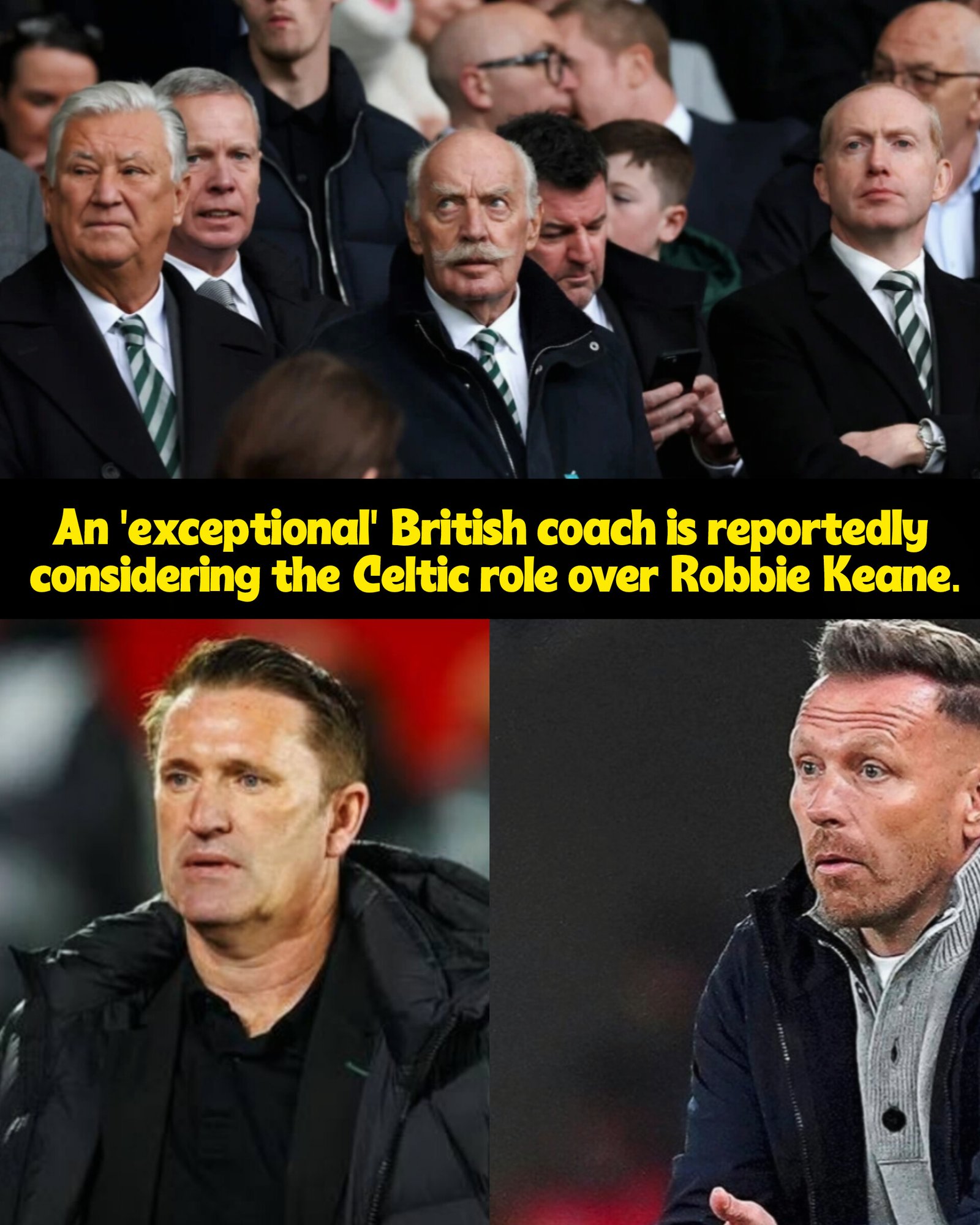
Celtic are still in the process of deciding who will take over as their next permanent manager, with no final appointment made yet. The club’s leadership has opted to proceed cautiously after a turbulent period earlier in the season, and a new name has now emerged as a potential candidate. According to recent reports, Craig Bellamy has become the latest manager to show openness to taking on the role, adding another dimension to an already evolving situation.
The Hoops have been deliberate in their approach following a managerial misstep that disrupted their campaign. Rather than rushing into another appointment, the club’s hierarchy is carefully assessing its options to ensure the next decision is the right one for both the short and long term.
Fallout from a Difficult Appointment
Earlier in the season, Celtic made what ultimately proved to be a costly decision with the appointment of Wilfried Nancy. His tenure turned out to be extremely short-lived, lasting just over a month before coming to an abrupt conclusion. The quick turnaround highlighted the instability within the club at that time and reinforced the need for a more measured approach moving forward.
In the aftermath of Nancy’s departure, the club turned to an experienced figure to steady the situation. Martin O’Neill was brought in on an interim basis, tasked with guiding the team through the remainder of the campaign. His role has been to restore some level of stability while the club continues its search for a long-term solution.
O’Neill Facing an Uphill Battle
Despite O’Neill’s experience and familiarity with the club, the situation he inherited has proven to be challenging. A series of disappointing results earlier in the season has left Celtic with significant ground to make up in the title race.
At present, the team finds itself trailing both Hearts and Rangers by five points at the top of the Scottish Premiership standings. With only a limited number of matches remaining, the margin for error has become extremely small. Heading into their upcoming fixture away at Dundee, Celtic are aware that they likely need to win all of their remaining seven games to keep their hopes of lifting the league trophy alive.
While it is not mathematically impossible, the task is undeniably difficult. O’Neill’s ability to guide the team through this crucial stretch could yet influence how he is viewed by the club’s decision-makers, even though he is not currently expected to remain in the role beyond the end of the season.
Bellamy Emerges as a Candidate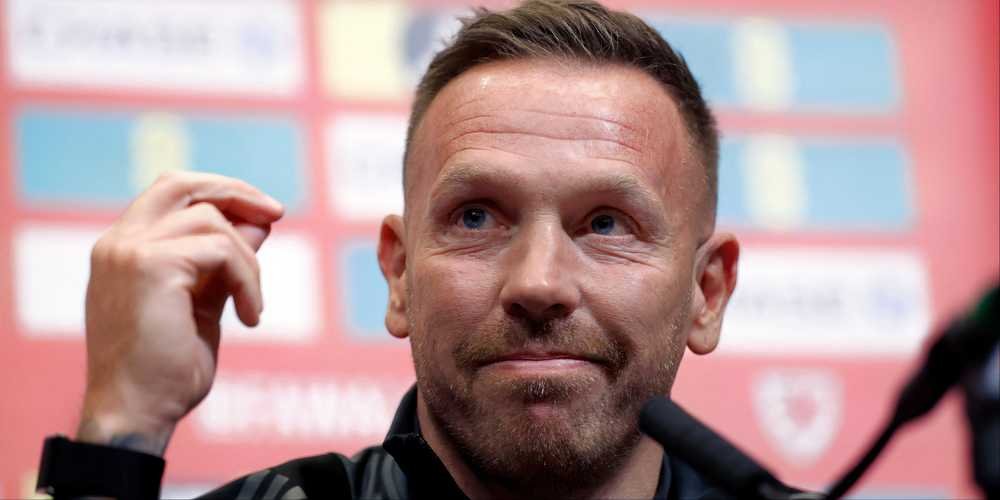
Amid this uncertainty, Craig Bellamy has entered the conversation as a potential successor. Reports indicate that while he is currently content in his role as Wales manager, he would be open to taking the Celtic job under certain circumstances.
Specifically, Bellamy’s future with Wales could come into question following their failure to qualify for the 2026 World Cup. The disappointment of missing out on the tournament has placed pressure on the national team setup, and any decision by the Welsh FA to make a change could open the door for Bellamy to consider new opportunities.
For Celtic, this presents an intriguing possibility. Bellamy is already familiar with the club, having enjoyed a successful loan spell at Celtic Park during his playing career. His connection to the club, combined with his growing reputation as a manager, makes him a noteworthy option.
Bellamy’s Playing Legacy at Celtic
During his time as a player at Celtic, Bellamy made a strong impression. On loan from Newcastle United in the 2004–05 season, he scored nine goals in just 15 appearances, quickly becoming a fan favourite.
That experience not only gave him a taste of life at the club but also established a connection that could prove influential if he were to be considered for the managerial role. Familiarity with the club’s culture and expectations is often seen as an advantage in situations like this.
Additionally, Bellamy has received praise for his managerial abilities. Wales captain Aaron Ramsey has described him as “exceptional,” a testament to the regard in which he is held within the game.
Other Candidates in the Frame
Bellamy is not the only name under consideration. According to the same reports, Motherwell manager Jens Berthel Askou is also on Celtic’s shortlist. This suggests that the club is exploring a range of options, from experienced figures to emerging managerial talents.
The presence of multiple candidates indicates that Celtic are casting a wide net in their search. Each potential appointment brings different qualities and levels of experience, and the club must weigh these factors carefully before making a final decision.
While O’Neill remains in charge for now, it is widely expected that he will not be retained on a permanent basis. However, football can be unpredictable, and a strong finish to the season could at least prompt some reconsideration from the board.
Robbie Keane Previously Linked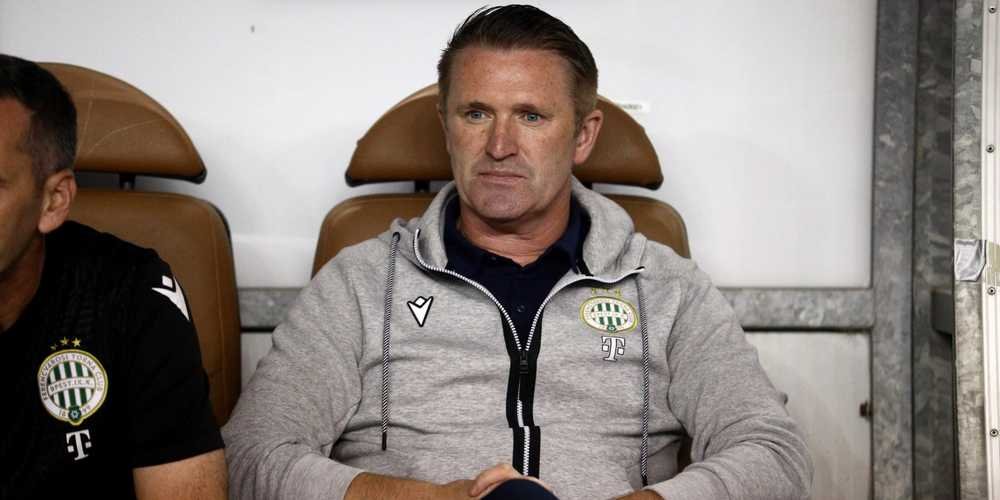
Before Bellamy’s emergence as a candidate, Robbie Keane had been strongly linked with the Celtic job. The current Ferencvaros manager was reportedly viewed as a leading contender, with the club’s hierarchy believing he would be a good fit.
Keane’s managerial record includes league title successes in both Israel and Hungary, achievements that have enhanced his reputation in a relatively short period of time. His experience of managing in European competitions is another factor that works in his favour, particularly given Celtic’s regular participation in continental tournaments.
This level of experience could be seen as a significant advantage over other candidates who have yet to manage at that level.
Changing Circumstances Around Keane
There has been an interesting twist regarding Keane’s situation in recent weeks. He had been mentioned as a possible candidate for the Tottenham Hotspur managerial position, alongside high-profile names such as Roberto De Zerbi and Mauricio Pochettino.
However, Tottenham have since appointed De Zerbi on a long-term deal, effectively removing that potential opportunity for Keane. As a result, Celtic may now find themselves in a stronger position if they decide to pursue him, as his options elsewhere appear more limited.
Reports also suggest that Keane would be open to taking the Celtic job, particularly if opportunities in English football do not materialise. This willingness could make negotiations more straightforward should the club choose to move in that direction.
A Crucial Decision for Celtic’s Future
The decision facing Celtic is a significant one. The next managerial appointment will play a key role in shaping the club’s direction, both domestically and in European competitions.
With several viable candidates available, including Bellamy, Keane, and Askou, the club must carefully consider what qualities they value most in their next manager. Experience, tactical approach, familiarity with the club, and the ability to deliver immediate results are all likely to be important factors.
At the same time, the current state of the team and the outcome of the ongoing season could influence the final decision. If O’Neill manages to engineer a dramatic turnaround and secure the league title, it could complicate the situation further.
Conclusion: An Uncertain but Pivotal Moment
Celtic find themselves at a pivotal moment, both in terms of their current campaign and their long-term future. The search for a new manager is taking place against the backdrop of a challenging season, adding to the pressure on the club’s leadership.
Craig Bellamy’s reported openness to the role adds another intriguing option to the mix, while Robbie Keane remains a strong contender with a proven track record. With Jens Berthel Askou also in consideration, the club has multiple paths it could take.
Ultimately, the decision will need to balance ambition with stability, ensuring that the next appointment can guide Celtic back to consistent success. Until that choice is made, speculation will continue, and the focus will remain on both the managerial search and the team’s efforts to salvage their season.
-

 Blog7 months ago
Celtic issues a fiery VAR statement after Trusty’s red card appeal is dismissed, as furious chiefs release referee audio publicly.
-

 Blog1 week ago
Former official calls on SFA to contact Rangers over fan scenes during Celtic match, labeling them “completely unacceptable.”
-

 Blog7 months ago
Celtic informed their January signing under Martin O’Neill that he wouldn’t play a single minute this season.
-

 Blog7 months ago
Celtic issued an £83 million warning amid looming UEFA threats.
-

 Blog7 months ago
SFA Expected to Review Missed Penalty in Rangers v Celtic Clash
-

 Blog6 months ago
Police respond after reported disorder following Middlesbrough vs Millwall clash
-

 Blog1 year ago
“Courtside to Aisle-Side: Tyrese Haliburton and Jade Jones Set New Wedding Date”
-

 Blog7 months ago
£6m star is looking to leave Rangers this summer and has already announced his next club publicly.