
Blog
I experienced luxury with James Tavernier of Rangers, something he never did, and his reply verified his captain qualities.

Richard Gough defends James Tavernier as he reflects on the realities of captaining Rangers FC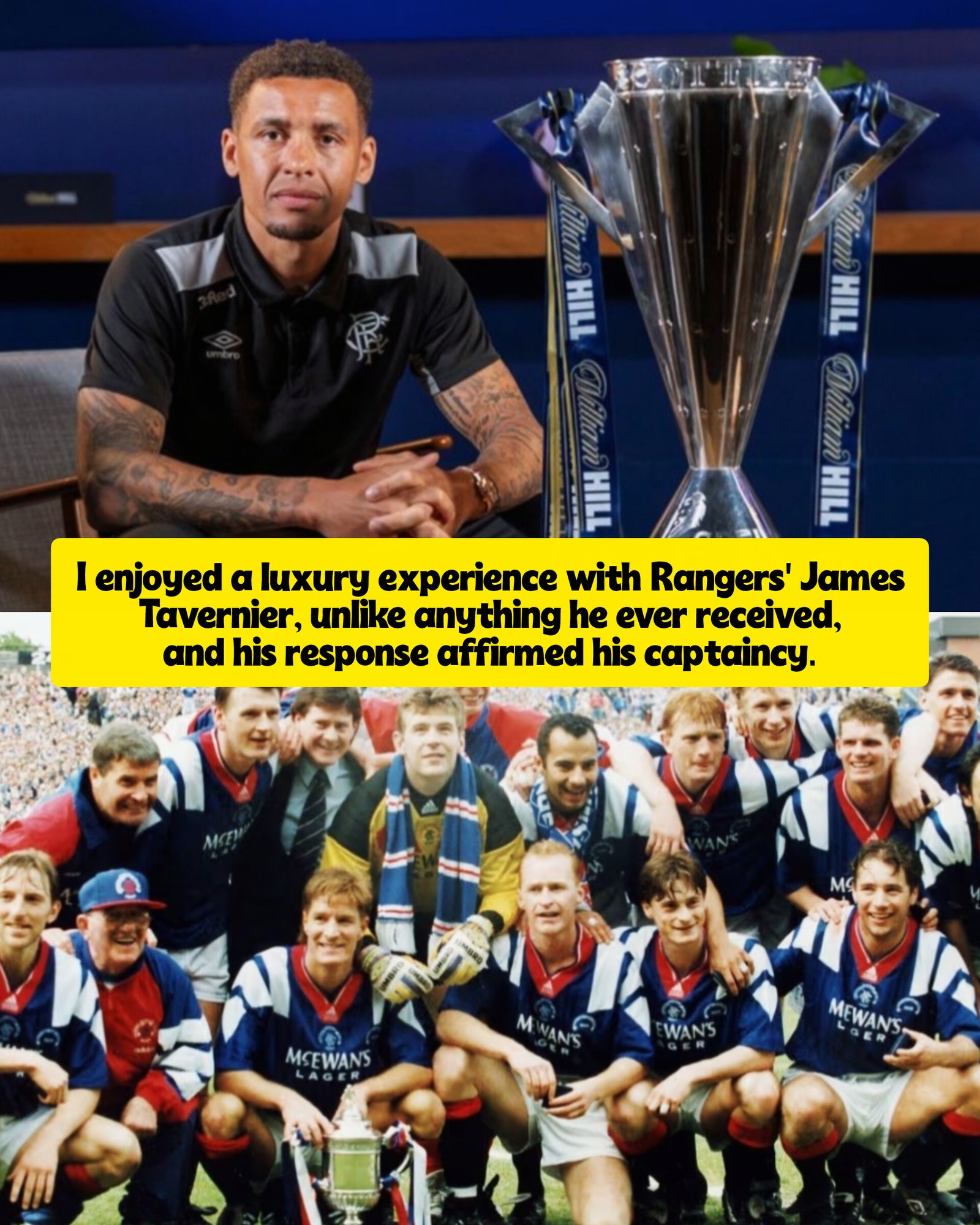
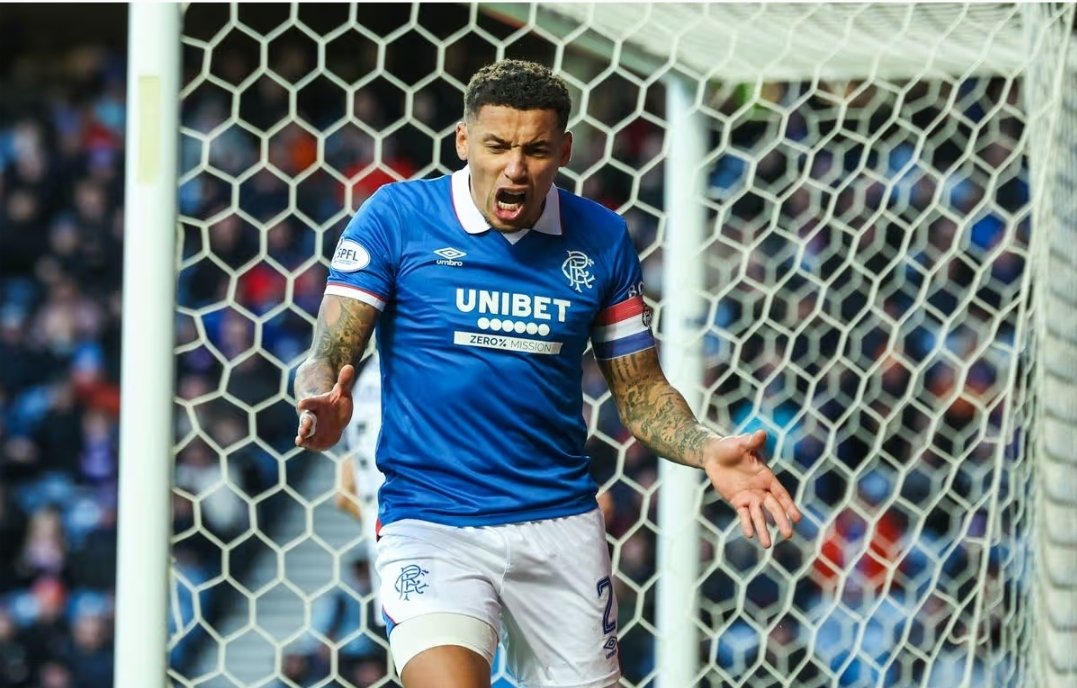
Rangers’ James Tavernier looks dejected (Image: SNS Group)
Richard Gough was determined to get his message across — so much so that after an initial phone conversation with Record Sport, he followed it up with a late-night text from his home on the California coast just to reinforce his point.
His message was clear and emphatic: captaining one of the Old Firm clubs is far from straightforward.
“It’s not easy being an Old Firm captain,” the former Rangers skipper insisted, drawing on his own experiences leading the club during one of its most dominant eras.
His words carry particular relevance for James Tavernier, who recently confirmed that he will leave Ibrox when his contract expires this summer. After more than a decade at the club, Tavernier’s tenure as captain has been defined by both remarkable highs and frustrating lows.
Over 11 years, the current Rangers captain has ridden the emotional rollercoaster that comes with representing one of Scotland’s biggest clubs. While there have been moments of success, much of his time has been marked by disappointment, especially when compared to the trophy-laden eras that came before him.
Gough understands that pressure better than most. During his own time at Rangers, he experienced the same intensity, the same scrutiny, and the same relentless expectations that come with the role. But there was a significant difference between his era and Tavernier’s.
Gough had the advantage of leading a squad filled with world-class talent — a luxury he believes Tavernier never truly enjoyed.
That contrast is at the heart of Gough’s defence of the outgoing captain. While some critics have questioned Tavernier’s credentials based on the relatively small number of trophies he has won, Gough insists that such judgments fail to take into account the broader context.
“James arrived at a time when the club was struggling,” Gough explained. “We were in the Championship, and for that level, he was a very good signing.”
Despite that, Tavernier quickly found himself under scrutiny, with some fans questioning whether he had the qualities required to lead the team.
Gough rejects that criticism outright. In his view, there is no single template for what makes a good captain. Leadership can take many forms, and what matters most is the respect a player commands within the dressing room.
For Gough, being a strong performer on the pitch is fundamental. A captain must lead by example, earning the trust and admiration of teammates through consistent performances.
Judging by the reaction to the news of Tavernier’s departure, Gough believes the defender has clearly achieved that level of respect within the squad.
At the same time, he acknowledges that Tavernier has faced challenges that previous Rangers captains did not have to deal with. The quality of the team around him has not matched that of earlier eras, making success harder to achieve.
Gough reflected on the strength of the squad he led during his own playing days. He recalled lining up in the tunnel and seeing some of the biggest names in football alongside him — players like Paul Gascoigne, Brian Laudrup, Terry Butcher, Ray Wilkins, Ally McCoist, and Mark Hateley.
He also pointed to the generation that followed, under Barry Ferguson, which included top-quality players such as Arthur Numan and Giovanni van Bronckhorst.
By comparison, Gough believes Tavernier has not had the same level of support in terms of squad depth and star power.
He also highlighted the unique pressures that come from the Rangers fanbase. While he described the supporters as the club’s greatest asset, he admitted they can also be incredibly demanding, especially when results are not going well.
That intensity can make life extremely difficult for a captain, particularly if the team is not performing at a consistently high level.
Gough noted that many critics focus heavily on the number of trophies Tavernier has won. While the total is modest compared to previous captains, Gough believes it reflects the circumstances rather than the player’s ability.
For much of Tavernier’s time at Rangers, the club has been competing against a dominant Celtic FC side, which has made silverware harder to come by.
As a fellow captain, Gough made a point of offering support to Tavernier whenever he visited the club. He let him know that he was available to talk if needed.
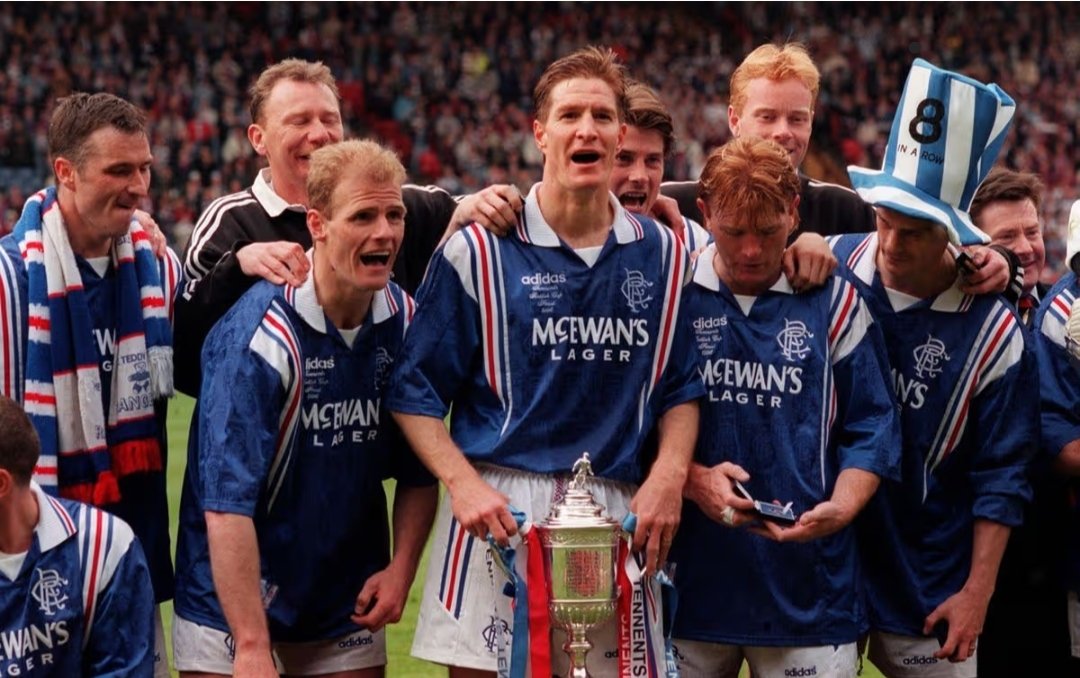
Richard Gough with the Scottish Cup celebrates
However, Tavernier never felt the need to reach out. According to Gough, that speaks volumes about his character and ability to handle the demands of the role.
In Gough’s eyes, Tavernier has done an excellent job as Rangers captain over the past 11 years.
While he acknowledged that the number of trophies won — around three — falls short of expectations, he emphasized that success in football is rarely down to one individual. Instead, it reflects the overall quality of the team.
Gough contrasted this with his own career, during which he won 18 trophies as part of a dominant Rangers side. He credits that success not only to his own performances but also to the strength and character of the players around him.
That, he believes, is the key difference between the two eras.
One area where Tavernier stands out, however, is his durability and consistency. Over the course of his Rangers career, he has made more than 550 appearances and scored an astonishing 144 goals — an extraordinary return for a defender.
In fact, that goal tally has made him the highest-scoring defender in British football history.
Despite those achievements, team success has been relatively limited, with only one Premiership title and a couple of domestic cup wins to show for his efforts.
This raises an interesting question: how would Tavernier have fared if he had played during one of Rangers’ golden eras?
Gough was asked whether Tavernier would have made it into his own team. His response was thoughtful.
He pointed out that his side had Gary Stevens at right-back — an England international with 46 caps — which made competition for places extremely tough.
While he was unsure whether Tavernier would have been a guaranteed starter, Gough had no doubt that he would have been a valuable member of the squad.
He even suggested that Tavernier’s attacking qualities would have made him particularly effective in a wing-back role, especially in a system that used three central defenders.
Criticism of Tavernier’s defensive abilities has been a recurring theme throughout his career. However, Gough believes that his attacking contributions more than compensate for any perceived weaknesses.
A defender capable of scoring 20 goals in a season is a rare asset, and Gough argues that any team would benefit from such output.
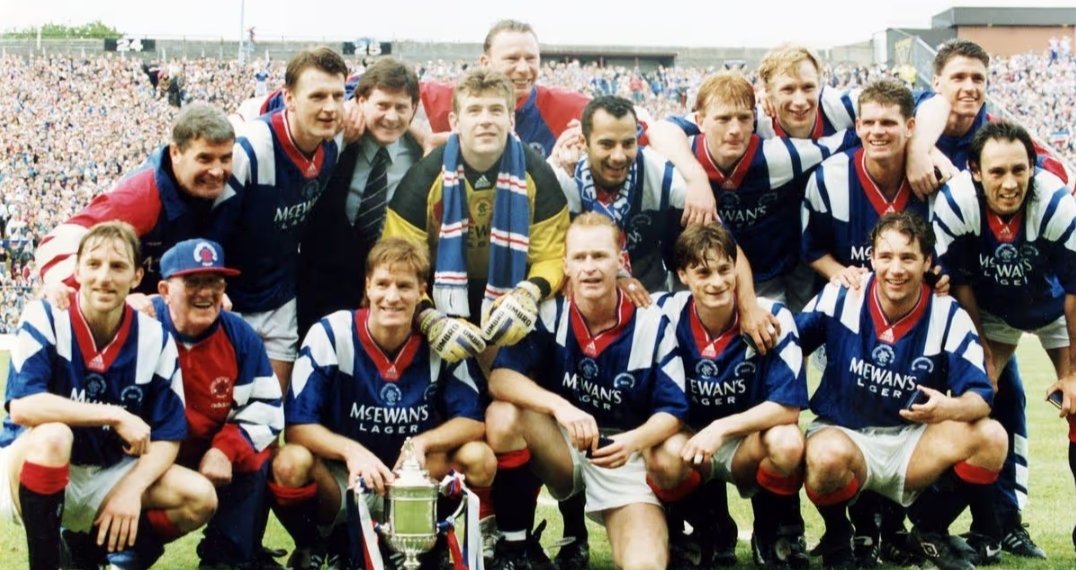
The Rangers players celebrate winning the 1992 Scottish Cup
He also emphasized that longevity at a club like Rangers is a strong indicator of quality. Players do not make hundreds of appearances for a club of that stature without possessing significant ability.
Another aspect that impressed Gough was Tavernier’s availability. Injuries have rarely sidelined him, allowing him to maintain a consistent presence in the team.
Gough compared this to his own record, noting that he made 428 appearances over 11 years. Tavernier, in a similar timeframe, has exceeded 560 appearances — a remarkable level of consistency.
While he acknowledged that modern players participate in more European matches, he still viewed Tavernier’s durability as a testament to his professionalism and fitness.
Although Tavernier may not have matched Gough’s trophy haul, he has achieved milestones that place him in elite company.
One such moment came in 2022, when he captained Rangers in the Europa League final against Eintracht Frankfurt in Seville. By doing so, he joined a select group of players — including Eric Caldow, John Greig, and Barry Ferguson — who have led the club in a European final.
Unfortunately, that match ended in disappointment, with Rangers losing on penalties after coming close to victory.
Gough, who attended the game, described it as a fantastic occasion despite the result. He acknowledged that winning the trophy would have been a defining achievement for Tavernier and the team.
As Tavernier approaches the end of his time at Rangers, there is still one final opportunity for success.
Alongside manager Danny Rohl, he will aim to guide the team to a league title, competing against rivals including Heart of Midlothian FC and Celtic.
Despite a turbulent start to the season under Russell Martin, Rangers have managed to stay in contention, setting up a potentially dramatic conclusion to the campaign.
Gough believes that winning the title would be a fitting way for Tavernier to end his Rangers career.
With five games remaining, the equation is simple: win them all, and the title could be theirs.
For Gough, such an outcome would not only be significant for the club but also deeply meaningful for Tavernier, providing him with the kind of send-off his commitment and service deserve.
SPFL releases a statement following Celtic’s decision to withhold away tickets for the upcoming Old Firm match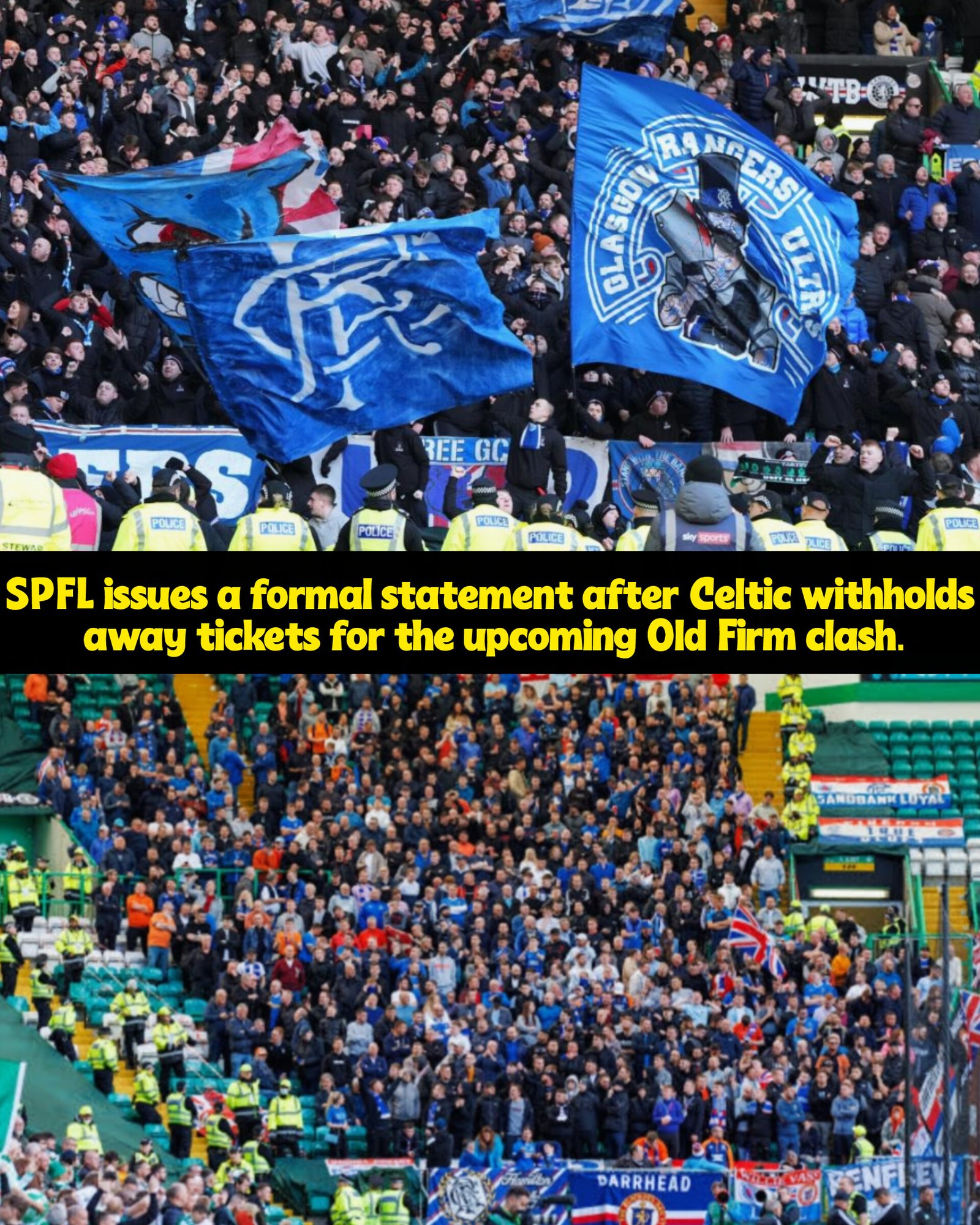
Scottish Professional Football League has issued a response following Celtic FC’s decision to withhold away tickets for the upcoming Old Firm clash against Rangers FC at Parkhead.
As it stands, the post-split Premiership fixture scheduled for May 10 will take place without any Rangers supporters present in the stadium. Celtic have opted not to provide an away allocation for the match, a move that follows incidents which occurred after last month’s derby at Ibrox.
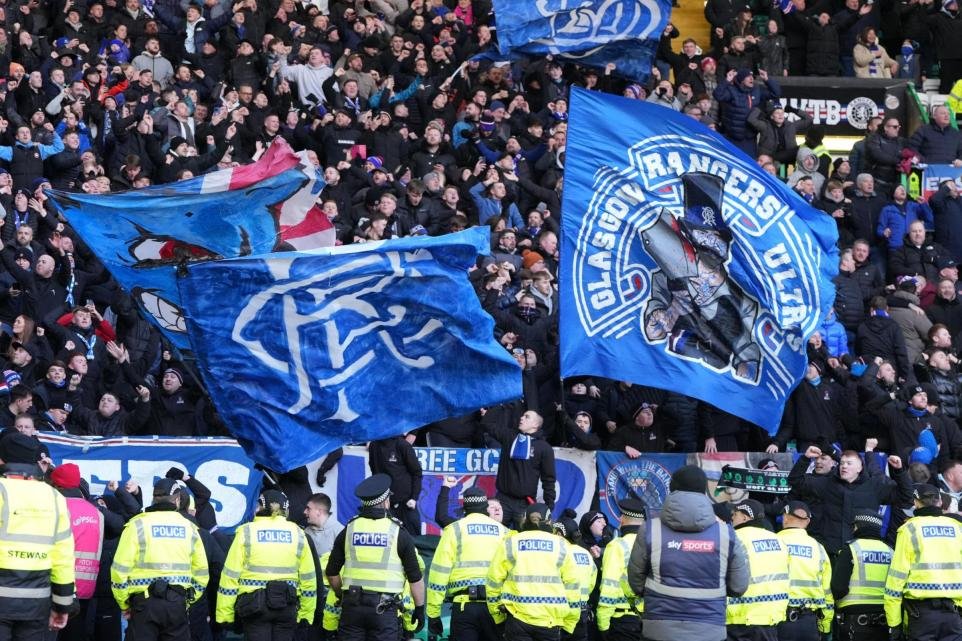
Rangers fans at Celtic Park (Image: Shutterstock)
The consequence of this decision is that visiting fans from Rangers will not be in attendance for one of the most high-profile fixtures of the Scottish season. The absence of away supporters has added further tension to an already intense rivalry.
Both clubs have since addressed the matter publicly, leading the SPFL to release an official statement clarifying its position and outlining the next steps in the process. The governing body confirmed that it has now been formally approached to intervene.
In its statement, the SPFL explained that it had received a request from Rangers seeking a determination regarding the arrangements for the upcoming league match away to Celtic. The fixture, part of the William Hill Premiership schedule, is set to take place on Sunday, May 10.
The league body noted that this request came after attempts by the two clubs to resolve the issue through discussions failed to produce an agreement. Talks between Celtic and Rangers over ticket allocations did not lead to a compromise, leaving the situation unresolved.
Celtic subsequently informed Rangers that they were not in a position to provide any tickets for visiting supporters for the match at Parkhead. This notification effectively confirmed that there would be no away section for Rangers fans at the game.
An SPFL spokesperson elaborated on the process that will now follow. According to the statement, the SPFL Board will appoint a sub-committee tasked with reviewing Rangers’ request. This group will consider the matter under the relevant league regulations, specifically Rule I27, which governs disputes of this nature.
The formation of a sub-committee indicates that the issue will be examined formally, with the governing body expected to assess whether Celtic’s decision aligns with league rules and whether any further action is required.
The situation has its roots in events that took place after the previous Old Firm meeting at Ibrox last month. Reports suggest that those incidents played a significant role in Celtic’s decision to withhold tickets for the return fixture.
Efforts were made by both clubs to find a resolution through dialogue, but those discussions ultimately broke down without an agreement being reached. As a result, Celtic proceeded with their decision and communicated it directly to Rangers.
The absence of away supporters is a notable development, given the traditional presence of fans from both sides at Old Firm matches. These fixtures are typically characterized by a strong atmosphere generated by both sets of supporters, making the lack of visiting fans particularly significant.
Rangers’ decision to escalate the matter to the SPFL reflects their dissatisfaction with the situation. By requesting a determination, they are seeking clarity on whether the decision complies with league regulations and whether any remedies are available.
The SPFL’s involvement now places the issue within a formal framework, with the appointed sub-committee expected to review all relevant details before reaching a conclusion. This process will likely consider the circumstances surrounding the decision, including safety concerns and previous incidents.
For now, the expectation remains that the match will proceed without Rangers supporters unless the SPFL determines otherwise. The timeline for any decision has not been specified, leaving some uncertainty as the fixture approaches.
This development adds another layer of intrigue to the upcoming Old Firm encounter, which is already one of the most anticipated fixtures in Scottish football. The absence of away fans could have an impact on the atmosphere and overall dynamic of the match.
While Celtic have taken their stance based on recent events, Rangers’ appeal to the SPFL ensures that the issue will be examined further. The outcome of that review will be closely watched by both clubs and their supporters, as well as by the wider football community.
Ultimately, the situation highlights the challenges involved in managing high-profile fixtures with intense rivalries, particularly when off-field incidents influence decisions regarding fan attendance.
-
 Blog7 months ago
Celtic issues a fiery VAR statement after Trusty’s red card appeal is dismissed, as furious chiefs release referee audio publicly.
-
 Blog1 week ago
Former official calls on SFA to contact Rangers over fan scenes during Celtic match, labeling them “completely unacceptable.”
-

 Blog7 months ago
Celtic informed their January signing under Martin O’Neill that he wouldn’t play a single minute this season.
-
 Blog7 months ago
Celtic issued an £83 million warning amid looming UEFA threats.
-
 Blog7 months ago
SFA Expected to Review Missed Penalty in Rangers v Celtic Clash
-

 Blog6 months ago
Police respond after reported disorder following Middlesbrough vs Millwall clash
-

 Blog1 year ago
“Courtside to Aisle-Side: Tyrese Haliburton and Jade Jones Set New Wedding Date”
-
 Blog7 months ago
£6m star is looking to leave Rangers this summer and has already announced his next club publicly.