
Blog
[VIDEO] Exploring the Mental World of Skiing Legends: How Mikaela Shiffrin and Marco Odermatt Achieve ‘Flow’

A rare look into the mindset of skiing’s elite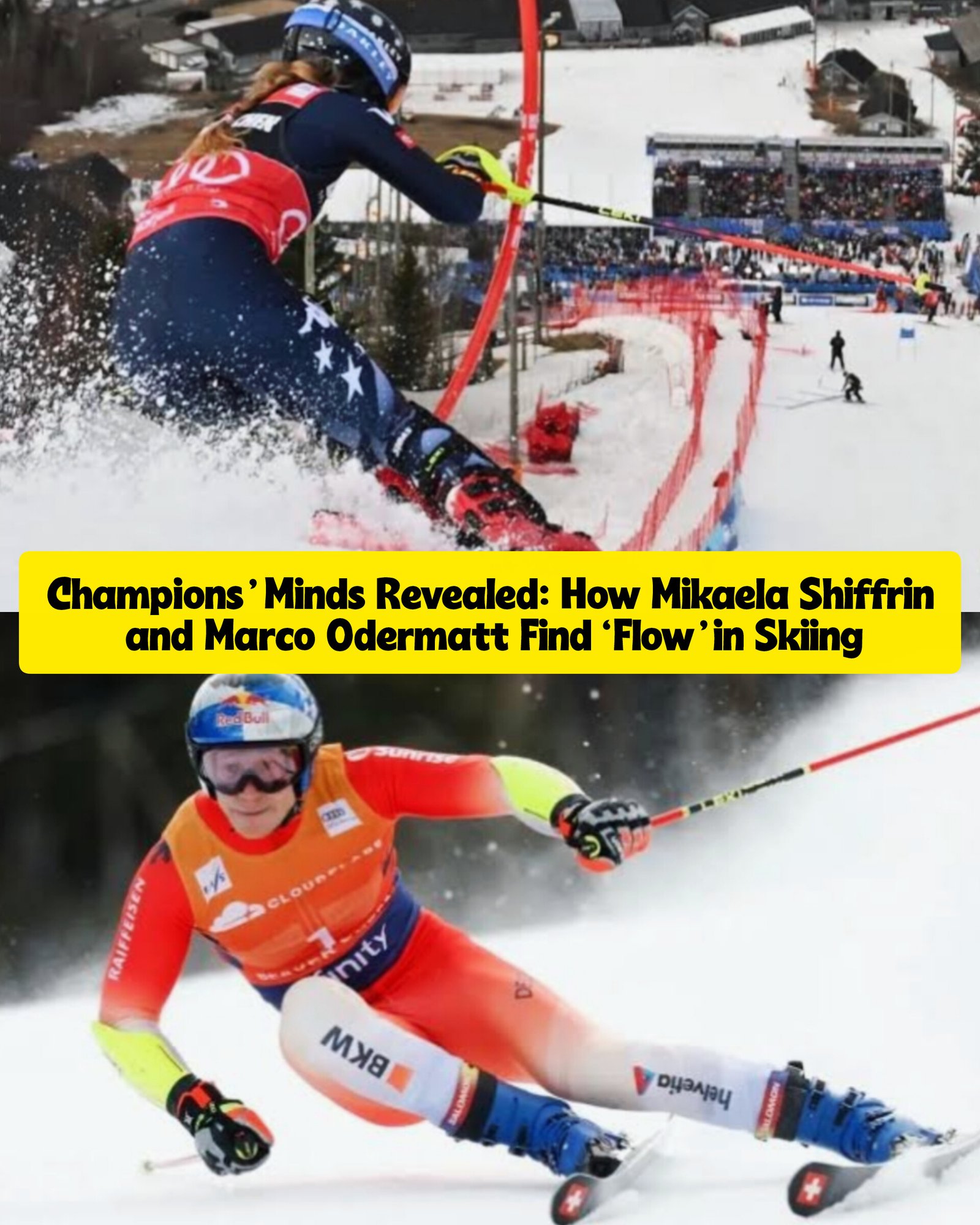
In a compelling new interview released by the International Ski and Snowboard Federation, two of alpine skiing’s most dominant figures, Mikaela Shiffrin and Marco Odermatt, provide a fascinating insight into the mental edge that separates strong performances from truly exceptional ones. Both athletes, who claimed the overall Crystal Globe titles in the 2025–26 season, delve into the elusive psychological state often referred to as “flow,” offering their own interpretations of what it feels like to perform at the very highest level.
Understanding the elusive “flow state”
Despite expressing it in slightly different ways, both skiers describe a remarkably similar experience when they are at their best. It is a state where instinct takes over, conscious thought fades, and everything seems to fall into place naturally. This “flow state” is not something they can easily define, yet it remains central to their dominance on the slopes.
For Shiffrin, the sensation is tied closely to energy — specifically, the way it builds and evolves throughout a run. She likens her best performances to a growing force, almost like a ball of energy that gathers momentum with each turn. Instead of peaking or fading, this energy continues to rise, creating a feeling of constant acceleration and control. She compares it to pressing down on a gas pedal without hesitation, maintaining a smooth yet powerful progression from start to finish. Crucially, she emphasizes that focusing on winning disrupts this state. Instead, her attention remains entirely on the act of skiing itself, allowing her instincts to guide her.
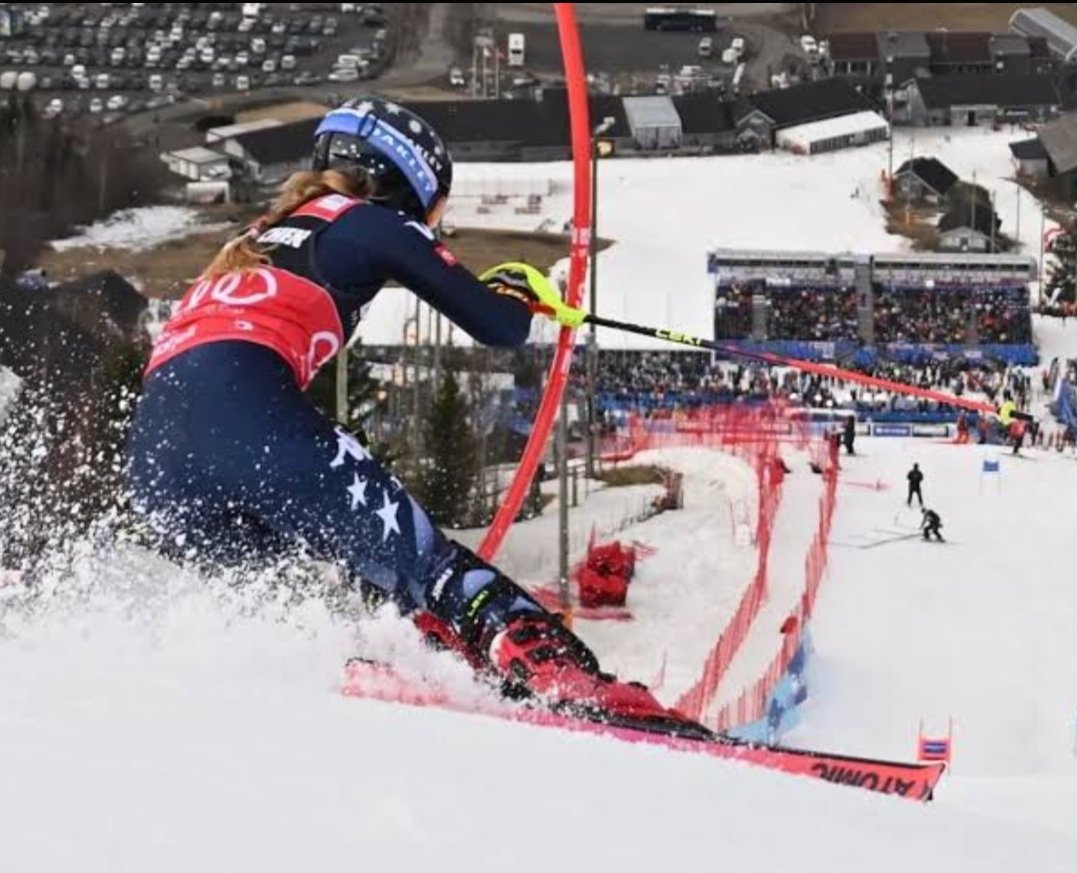
Shiffrin weaving down the Hafjell slalom course. | Image: FIS Alpine
Odermatt approaches the concept from a slightly different angle, describing it as moments of absolute perfection. For him, these instances are rare but unmistakable — the kind of runs where he crosses the finish line with the clear sense that nothing could have been executed better. He acknowledges that such performances have only occurred a handful of times in his career, which makes them all the more significant.
Why it’s so hard to explain
Both athletes admit that if they could clearly articulate how to achieve this mental state, it might become something that others could replicate. However, their difficulty in describing it highlights just how intangible and unique it is. This inability to fully define the “flow state” may, in part, explain why they remain ahead of their competitors. With Shiffrin holding six overall season titles and Odermatt five, their sustained excellence suggests they have mastered something that others continue to chase.
Mutual respect and observation
One of the most intriguing aspects of the interview is how each athlete recognizes elements of this mindset in the other. Shiffrin reveals that she observes Odermatt closely in the start gate, a moment filled with tension and anticipation. She looks for subtle cues in his body language and composure, trying to understand how he prepares himself mentally before launching into a run.
Odermatt, in turn, highlights Shiffrin’s remarkable precision and control. He notes how she rarely appears to be skiing on the absolute edge, yet consistently posts faster times than her rivals. This combination of composure and speed reinforces the idea that success at this level is not solely about physical ability, but about accessing the right mental state at exactly the right moment.
Focus over results
A key theme that emerges from their discussion is the importance of focusing on execution rather than outcomes. Both athletes dismiss the idea of thinking about winning while in the middle of a run. Instead, they stress the importance of rhythm, preparation, and trust in their training. By concentrating on the process rather than the result, they are able to maintain the clarity and composure needed to perform at their best.
They also highlight the unique nature of ski racing, where every run represents a fresh start. Regardless of past successes or failures, each race begins from zero, requiring the athlete to “rewrite the story” every time they push out of the start gate. This constant reset adds an extra layer of pressure, particularly for athletes at the top of the sport who must manage both internal expectations and external scrutiny.
The role of pressure and expectations
Competing at such a high level brings with it immense pressure, and both Shiffrin and Odermatt acknowledge the challenges that come with it. Expectations can come from many sources — personal ambitions, team goals, media attention, and fan support — all of which can weigh heavily on an athlete’s. Yet, their ability to navigate these pressures and still access the “flow state” is what sets them apart.
Rather than allowing pressure to overwhelm them, they use their preparation and experience to remain grounded. This mental resilience enables them to perform consistently, even in the most demanding .
The difference between training and competition
Another fascinating point raised in the interview is the distinction between training performance and race-day results. Many athletes are capable of posting impressive times in training, sometimes even outperforming the sport’s biggest stars. However, these performances do not always translate into competitive success.
The difference, according to Shiffrin and Odermatt, lies in that intangible mental switch — the ability to access the “flow state” under pressure. It is this quality that allows them to elevate their performance when it matters most, turning potential into results.
The mental edge in a sport of fine margins
Ultimately, both athletes arrive at the same conclusion: at the highest level of alpine skiing, the factor is not just physical skill, but mental mastery. Success depends on entering a state where thinking gives way to instinct, where preparation meets execution seamlessly, and where external pressures fade into the background.
In a sport where races are often decided by mere hundredths of a second, this mental edge can make all the difference. For Shiffrin and Odermatt, it is not just about being technically superior, but about unlocking a mindset that allows them to perform with clarity, confidence, and precision when it matters most.
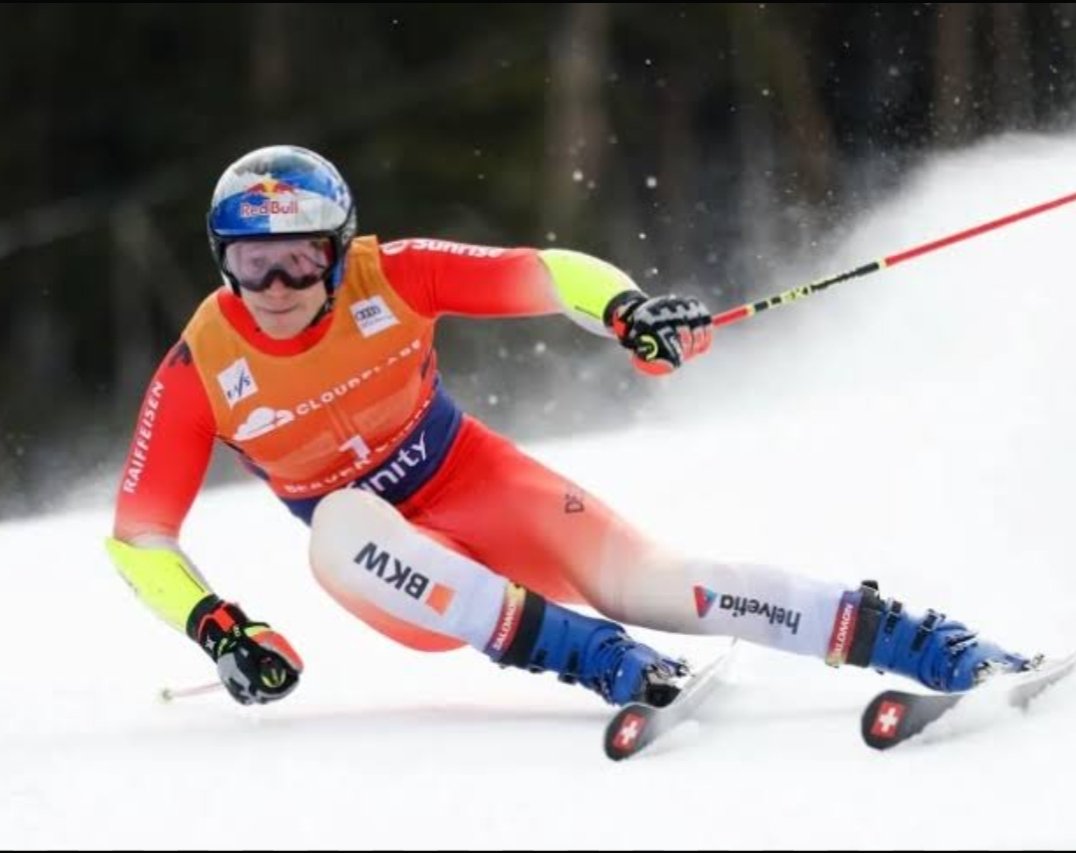
Marco Odermatt on course on Birds of Prey. | Image: FIS Alpine
-

 Blog7 months ago
Celtic issues a fiery VAR statement after Trusty’s red card appeal is dismissed, as furious chiefs release referee audio publicly.
-

 Blog1 week ago
Former official calls on SFA to contact Rangers over fan scenes during Celtic match, labeling them “completely unacceptable.”
-

 Blog7 months ago
Celtic informed their January signing under Martin O’Neill that he wouldn’t play a single minute this season.
-

 Blog7 months ago
Celtic issued an £83 million warning amid looming UEFA threats.
-

 Blog7 months ago
SFA Expected to Review Missed Penalty in Rangers v Celtic Clash
-

 Blog6 months ago
Police respond after reported disorder following Middlesbrough vs Millwall clash
-

 Blog1 year ago
“Courtside to Aisle-Side: Tyrese Haliburton and Jade Jones Set New Wedding Date”
-

 Blog7 months ago
£6m star is looking to leave Rangers this summer and has already announced his next club publicly.