
Blog
SPFL has determined the away allocation for Celtic vs Rangers after Union Bears were denied entry.

The Scottish Professional Football League has confirmed its ruling regarding the away ticket allocation for the upcoming league clash between Celtic FC and Rangers FC, with the decision hinging on a key condition imposed by the home side.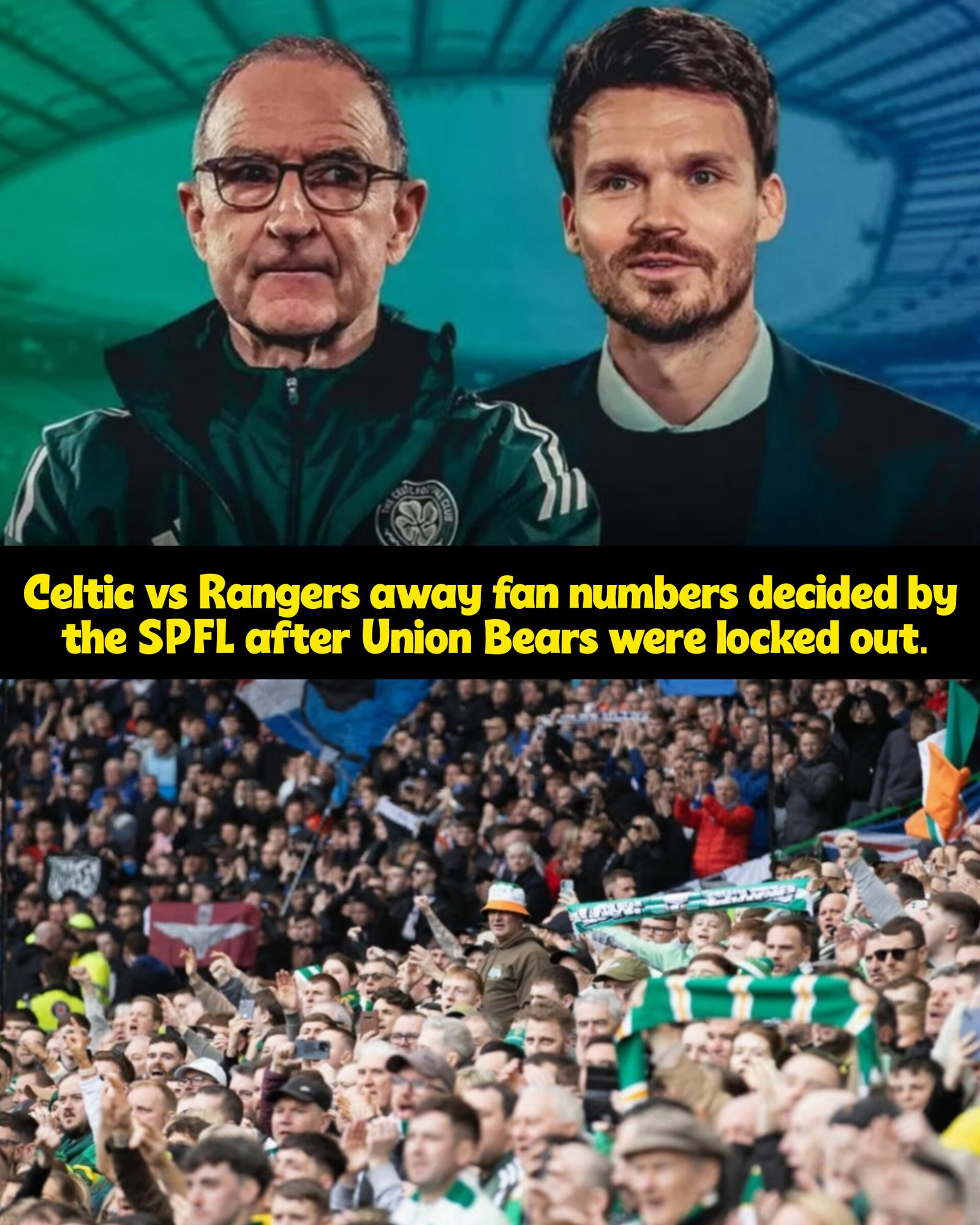
Rangers have now been informed that they will only be granted an allocation of away supporters at Celtic Park next weekend if they agree to Celtic’s stipulation that no tickets are sold or distributed to the ultras group known as the Union Bears. This condition follows recent crowd trouble at Ibrox, which heightened concerns around safety and matchday security.
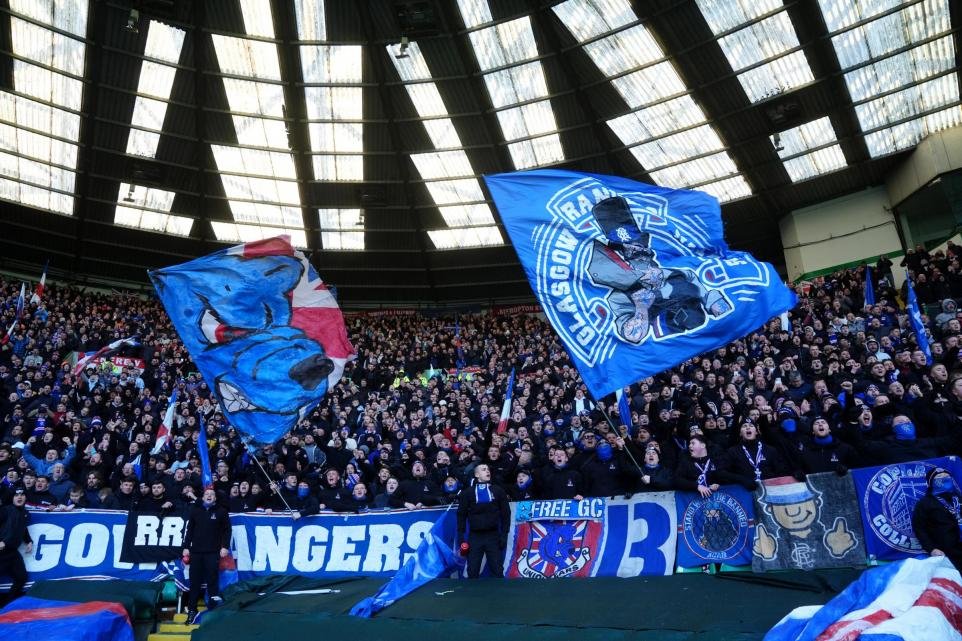
Rangers fans learned their fate for Celtic Park (Image: Andrew Milligan)
The ruling comes after the matter was escalated to the SPFL, with an independent sub-committee convened to review the dispute. Rangers had initially rejected Celtic’s condition, maintaining their stance against restricting ticket distribution to a specific group of supporters. As a result, Celtic indicated that no away tickets would be provided unless their terms were accepted, prompting Rangers to seek intervention from the league.
Following a formal hearing, the SPFL sub-committee determined that Rangers can access an allocation equivalent to five percent of Celtic Park’s capacity, but only if they comply with the condition set by Celtic. This aligns with the longstanding reciprocal agreement between the two clubs, which typically sees each side allocate a similar percentage of tickets to visiting supporters for derby fixtures.
In its official statement, the SPFL outlined the sequence of events leading to the decision. On Friday, 24 April, Rangers formally requested that the SPFL Board intervene and determine the ticket allocation for the William Hill Premiership fixture scheduled for Sunday, 10 May at Celtic Park. This request followed unsuccessful discussions between the clubs, during which no agreement could be reached regarding ticketing arrangements.
Celtic had offered Rangers an allocation broadly consistent with the agreed five percent share but attached an additional safety-related condition. Rangers declined to accept this requirement, leading to the referral of the issue to the SPFL Board for adjudication.
A hearing took place on Thursday, 30 April, before an independent sub-committee of the SPFL Board. Both clubs were given the opportunity to present their evidence and legal arguments in full. After reviewing the submissions, the sub-committee made several observations.
Firstly, it expressed regret that the two clubs had been unable to resolve the matter through direct negotiation, noting that such agreements are typically handled without requiring league intervention. Secondly, it reaffirmed that a reciprocal arrangement exists between Celtic and Rangers, under which each club is expected to allocate approximately five percent of their stadium capacity to away supporters.
The sub-committee also emphasized that, under SPFL Rule H36, the home club bears ultimate responsibility for ensuring safety and security at league matches. This point proved central to the final decision, as it reinforced Celtic’s authority to implement measures they deemed necessary to manage risks effectively.
Attention was also drawn to the most recent meeting between the clubs in the Scottish Cup, which was marred by significant disorder. That incident prompted the Scottish Football Association to launch an independent review, though the findings of that investigation have yet to be published. As a result, the sub-committee noted that it did not have the benefit of any formal recommendations or lessons arising from that review when making its determination.
Another factor considered was the timing of the referral. The request for SPFL intervention was submitted just 16 days before a major league fixture, during a period of heightened scrutiny on Scottish football. The sub-committee acknowledged that such a short timeframe limited the scope for a detailed and comprehensive assessment of all relevant issues.
Crucially, the sub-committee accepted that Celtic, as the host club, had conducted a risk assessment and introduced an additional condition that it believed to be both necessary and proportionate in addressing safety concerns. Given their legal responsibility for matchday security, the panel concluded that it would not be appropriate to override Celtic’s judgment or interfere with the mitigation measures they had chosen to implement.
On that basis, the sub-committee confirmed that a five percent allocation remains a reasonable provision for this fixture under SPFL Rule I27, provided that Celtic’s condition is accepted. In effect, this means Rangers must decide whether to comply with the restriction on ticket distribution in order to secure a presence for their supporters at Celtic Park.
An SPFL spokesperson later commented on the broader implications of the case, noting that discussions have been ongoing for several months regarding the rules governing such disputes. There had already been agreement among clubs that the current deadline—allowing referrals to the SPFL Board up to 14 days before a match—is insufficient for conducting a thorough and detailed analysis.
As a result, the league had planned to propose a rule change at its June Annual General Meeting, which would extend the deadline to 35 days prior to a fixture. However, in light of this decision and the circumstances surrounding it, the SPFL indicated that it will take additional time to reflect before proceeding with any formal amendments.
The outcome leaves Rangers with a clear but difficult choice: accept Celtic’s condition and bring a limited number of fans to one of football’s most intense rivalries, or stand firm on principle and face the prospect of having no away supporters present at all.
-
 Blog6 months ago
Celtic issues a fiery VAR statement after Trusty’s red card appeal is dismissed, as furious chiefs release referee audio publicly.
-

 Blog6 months ago
Celtic informed their January signing under Martin O’Neill that he wouldn’t play a single minute this season.
-

 Blog6 months ago
Celtic issued an £83 million warning amid looming UEFA threats.
-
 Blog6 months ago
SFA Expected to Review Missed Penalty in Rangers v Celtic Clash
-

 Blog5 months ago
Police respond after reported disorder following Middlesbrough vs Millwall clash
-

 Blog1 year ago
“Courtside to Aisle-Side: Tyrese Haliburton and Jade Jones Set New Wedding Date”
-

 Blog6 months ago
£6m star is looking to leave Rangers this summer and has already announced his next club publicly.
-

 Blog5 months ago
Rangers victory overshadowed by refereeing controversy