
Blog
Simon Jordan questions West Ham’s decisions following Daniel Kretinsky’s choice to appoint Nuno.

Optimism Returns After Difficult Period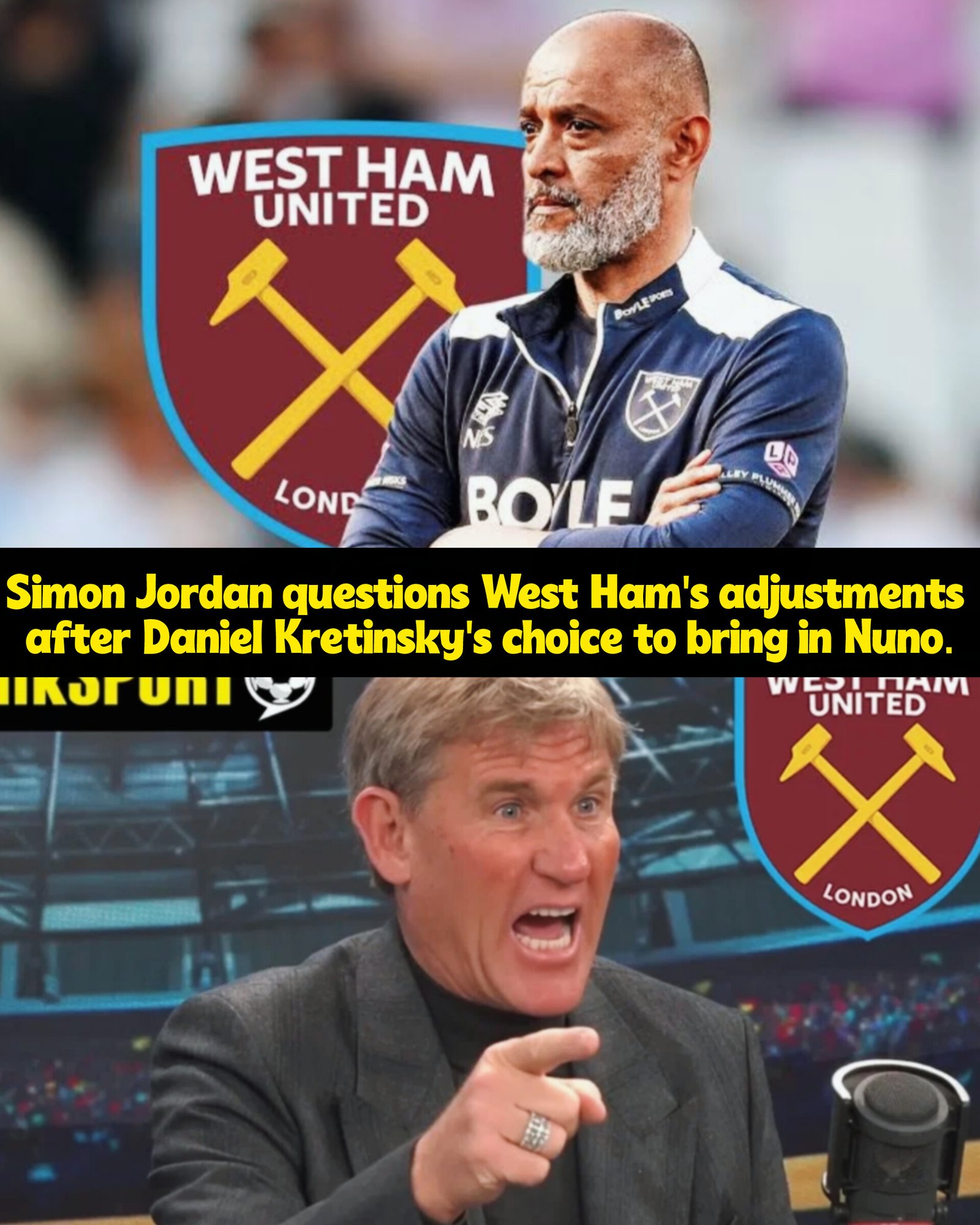
The mood surrounding West Ham United has improved slightly in recent weeks, but significant uncertainty still hangs over the club as preparations continue for life in the Championship.
Relegation from the Premier League was a devastating setback for supporters, players and staff alike. The disappointment of dropping out of England’s top flight was then compounded by developments away from the pitch involving the club’s ownership structure.
Long-serving co-chairman and director David Sullivan stepped down from his position following allegations relating to his personal life. His departure created further instability at a time when the club was already dealing with the consequences of relegation.
In the aftermath of those events, Czech billionaire Daniel Křetínský increased his shareholding in West Ham, becoming the club’s largest shareholder. Many supporters welcomed the move, hoping it would usher in a fresh era and provide renewed direction after a turbulent period.
However, not everyone is convinced that the ownership changes will lead to major differences in how the club operates.
Simon Jordan Raises Questions About Future Direction
Former Crystal Palace chairman Simon Jordan has become the latest prominent football figure to comment on the situation at West Ham.
While many fans are optimistic that Křetínský’s increased involvement could transform the club, Jordan has urged caution and suggested that expectations may need to be managed.
According to Jordan, supporters should not automatically assume that a change in ownership influence will result in sweeping changes throughout the organisation.
He believes the reality may be far more complicated than many fans expect.
Although Křetínský now holds a stronger position within the club’s hierarchy, Jordan argued that the existing power structure remains influential and that major decisions are still likely to involve several key figures.
As a result, he questioned whether the transition will fundamentally alter the way West Ham is run.
David Sullivan Still Holds Significant Influence
One of Jordan’s main points centred on the continuing role of David Sullivan.
While Sullivan has stepped away from his formal leadership position, he remains a substantial shareholder in the club.
That means his influence has not disappeared entirely, despite Křetínský becoming the largest shareholder.
Jordan suggested that, at least for now, the pair still retain considerable control over the direction of the football club.
Although further ownership changes could take place during the summer, the current structure means that decision-making authority is likely to remain shared rather than concentrated entirely in Křetínský’s hands.
This reality, according to Jordan, may limit the extent of immediate transformation that supporters are hoping to see.
The ownership situation therefore remains more complex than a simple handover of power.
Nuno Espírito Santo Decision Highlights Influence
One of the clearest examples of Křetínský’s influence reportedly emerged in discussions surrounding head coach Nuno Espírito Santo.
Following West Ham’s relegation to the Championship, one of the club’s most important decisions involved determining whether Nuno should remain in charge.
Relegation often leads clubs to seek a fresh start with a new manager, and speculation surrounding the Portuguese coach’s future intensified as the season came to an end.
Ultimately, however, Nuno was retained and will be given the opportunity to lead West Ham’s attempt to secure an immediate return to the Premier League.
Jordan believes that decision demonstrated the influence Křetínský was already exerting behind the scenes.
Speaking on talkSPORT, he claimed that the Czech businessman had played a key role in ensuring Nuno remained in charge despite opposing views elsewhere within the club.
Jordan Claims Křetínský Was Already Influential
Discussing the situation publicly, Jordan suggested that Křetínský had been a significant voice in the debate surrounding Nuno’s future.
According to him, reports indicate that the businessman was effectively the driving force behind the decision to keep the manager.
Jordan stated that Křetínský had already demonstrated considerable influence by backing Nuno’s continued tenure even when others were believed to favour a different approach.
As a result, he argued that the businessman was already playing a major role in shaping the club’s future.
While this may reassure some supporters who wanted stronger leadership, Jordan warned that influence alone does not guarantee sweeping change.
The former Crystal Palace chairman stressed that supporters should remain realistic about what can actually be achieved.
Fans Hoping for Fresh Start
Many West Ham supporters have long expressed frustration with aspects of the club’s ownership and governance.
As a result, any reduction in Sullivan’s influence has been welcomed by sections of the fan base.
For those supporters, the arrival of Křetínský as the dominant shareholder represents an opportunity for a fresh start.
Jordan acknowledged that many fans simply wanted to see someone other than Sullivan holding the primary position of influence.
Because of that, Křetínský’s rise has naturally generated optimism.
However, Jordan questioned whether supporters might be expecting too much from the ownership change.
In his view, while the new majority shareholder may bring benefits, certain structural challenges facing the club will remain regardless of who is in charge.
Stadium Issues Unlikely to Disappear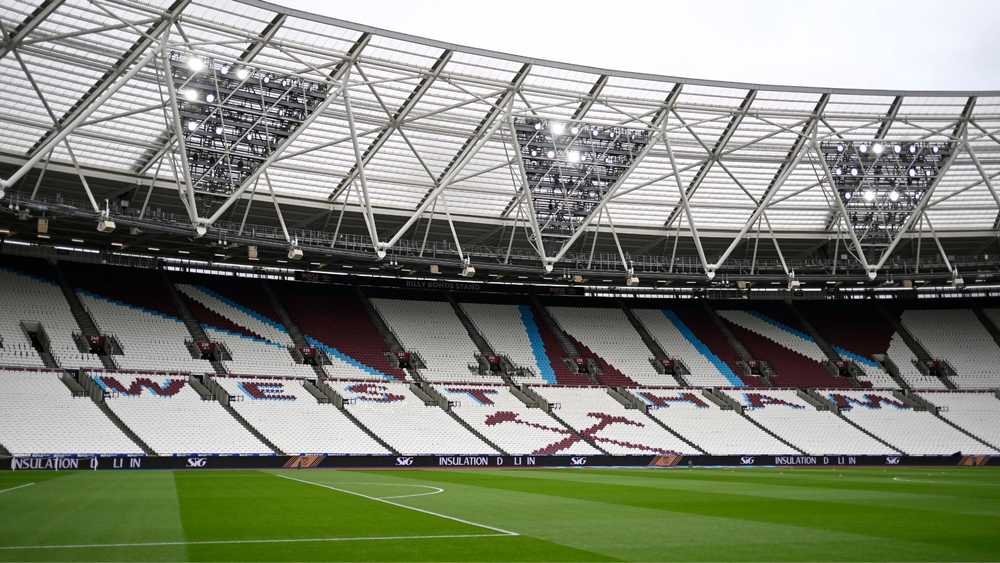
Among the concerns highlighted by Jordan is the continuing situation surrounding the London Stadium.
The stadium has been a source of debate ever since West Ham relocated from Upton Park.
Many supporters have criticised aspects of the venue, particularly the distance between the stands and the pitch, which some believe affects the atmosphere on matchdays.
Jordan suggested that ownership changes alone cannot solve those issues.
He argued that Křetínský inherited a club carrying years of frustration linked to the stadium and its relationship with supporters.
According to Jordan, the businessman cannot simply erase those problems overnight.
The logistical challenges associated with the venue remain significant and continue to influence how supporters perceive the club.
Plans Emerging for Stadium Improvements
Despite Jordan’s scepticism, reports indicate that Křetínský is actively exploring ways to improve the matchday experience.
One proposal involves altering the layout of the London Stadium by removing the running track that currently surrounds the pitch.
The plan would also involve moving seating sections closer to the playing surface in an effort to create a more traditional football atmosphere.
Such changes would undoubtedly be popular with many supporters who have long called for improvements to the stadium environment.
However, implementing those modifications will not be straightforward.
The London Stadium remains publicly owned, meaning any significant redevelopment would require cooperation from external stakeholders and could involve lengthy negotiations.
As a result, turning those ambitions into reality may prove challenging.
Infrastructure Investment Also Planned
Beyond the stadium itself, West Ham are reportedly looking at broader infrastructure improvements.
Plans are said to be under consideration regarding investment in training facilities and other long-term projects.
Such developments would align with Křetínský’s apparent desire to strengthen the club’s foundations and improve conditions behind the scenes.
Investment in infrastructure is often viewed as a crucial component of sustainable growth, particularly for clubs seeking to establish themselves as long-term competitors at the highest level.
If implemented successfully, these projects could have a lasting impact on West Ham’s future.
Nevertheless, infrastructure improvements require time, resources and careful planning before supporters begin to see tangible results.
Major Transfer Decisions Await
While ownership and infrastructure remain important topics, the immediate focus will inevitably fall on the playing squad.
West Ham face a crucial transfer window as they prepare for Championship football.
The club must decide how best to balance financial considerations with the need to remain competitive.
Several key players have already attracted attention from Premier League clubs.
Mateus Fernandes, Jarrod Bowen and Crysencio Summerville have all been strongly linked with potential moves away from East London.
Should substantial offers arrive, West Ham may face difficult decisions regarding whether to cash in on valuable assets or retain them in pursuit of promotion.
The outcome of those decisions could shape the club’s fortunes for years to come.
Uncertainty Remains Despite Optimism
Ultimately, it remains unclear exactly how much Křetínský’s increased influence will change West Ham.
There is little doubt that supporters needed some positive news following relegation and the turmoil surrounding ownership issues.
The emergence of a new leading shareholder has provided a degree of optimism during what has otherwise been a difficult period.
Whether that optimism translates into meaningful change remains uncertain.
Jordan’s comments serve as a reminder that structural challenges, financial realities and long-standing issues cannot be solved immediately.
Křetínský may bring fresh ideas, investment and leadership, but transforming a football club is rarely a quick process.
For now, West Ham supporters can only watch developments unfold and hope that the changes taking place behind the scenes eventually lead to a brighter future both on and off the pitch.
-
 Blog7 months ago
Celtic issues a fiery VAR statement after Trusty’s red card appeal is dismissed, as furious chiefs release referee audio publicly.
-

 Blog1 week ago
Former official calls on SFA to contact Rangers over fan scenes during Celtic match, labeling them “completely unacceptable.”
-

 Blog7 months ago
Celtic informed their January signing under Martin O’Neill that he wouldn’t play a single minute this season.
-

 Blog7 months ago
Celtic issued an £83 million warning amid looming UEFA threats.
-

 Blog7 months ago
SFA Expected to Review Missed Penalty in Rangers v Celtic Clash
-

 Blog6 months ago
Police respond after reported disorder following Middlesbrough vs Millwall clash
-

 Blog1 year ago
“Courtside to Aisle-Side: Tyrese Haliburton and Jade Jones Set New Wedding Date”
-

 Blog7 months ago
£6m star is looking to leave Rangers this summer and has already announced his next club publicly.