
Blog
Lewis Ferguson’s race provides McInnes with a reality check ahead of Rangers.

Every transfer window produces one signing that threatens to blur the line between smart planning and emotional decision-making.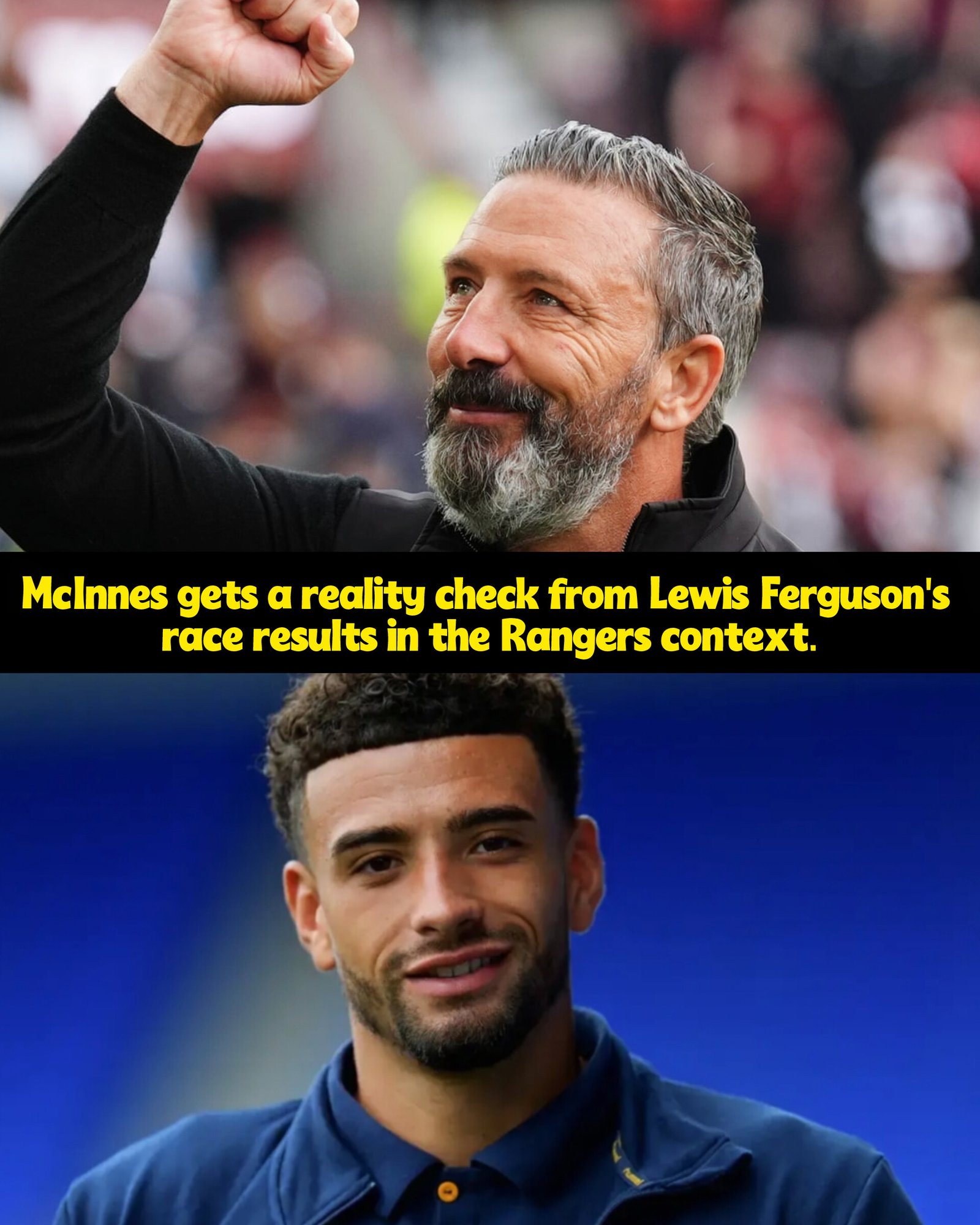
For Rangers, Lewis Ferguson has quickly become that player.
Everything about the Scotland midfielder makes the story appealing. He is Scottish, understands the demands of the domestic game, has deep family ties to Rangers, and began his senior career under Derek McInnes at Aberdeen. Since then, he has transformed himself into Bologna’s captain, become an established Scotland international and earned widespread respect in Serie A.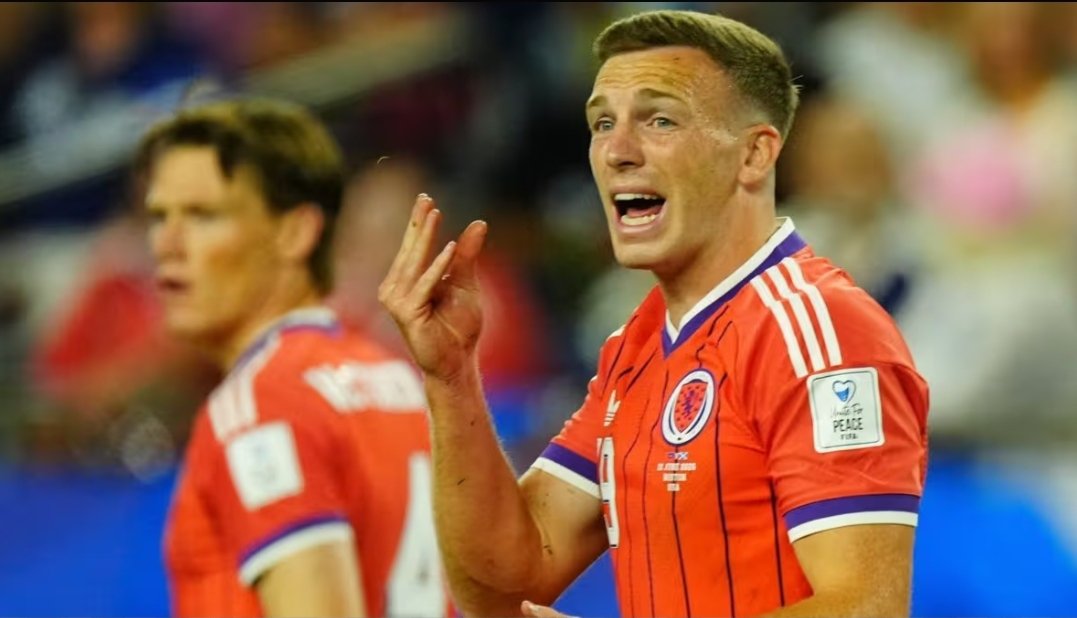
Those qualities naturally make him an attractive target for Rangers.
However, they also create the greatest danger.
The latest reports have reignited speculation over Ferguson’s future. According to The Scottish Sun, Rangers are among several clubs monitoring his situation once Scotland’s World Cup commitments conclude. The report also suggests Atalanta, Lazio and a number of Premier League clubs are keeping a close watch, while Italian sources claim Ferguson would be willing to consider opportunities involving bigger clubs or a move to England after the tournament.
For Rangers, this is about far more than bringing home a familiar face.
McInnes and the club’s recruitment department must decide whether Ferguson represents the type of elite addition capable of transforming the team or whether pursuing him risks consuming resources that could strengthen multiple areas of the squad.
That decision may become one of the defining moments of the manager’s first transfer window.
Ferguson Is an Obvious Target—And That Is Exactly Why Rangers Must Be Careful
The attraction is easy to understand.
Supporters naturally dream about seeing one of Scotland’s leading midfielders wearing Rangers colours.
McInnes already knows Ferguson’s character and abilities better than most managers. The midfielder knows the pressures of Scottish football, understands what is expected in Glasgow and has matured significantly since leaving Aberdeen for Italy.
On paper, it appears almost too perfect.
Yet football recruitment rarely rewards decisions driven by sentiment.
Fergusson’s journey has dramatically changed since leaving Scotland.
He is no longer simply an exciting domestic midfielder looking for a bigger opportunity.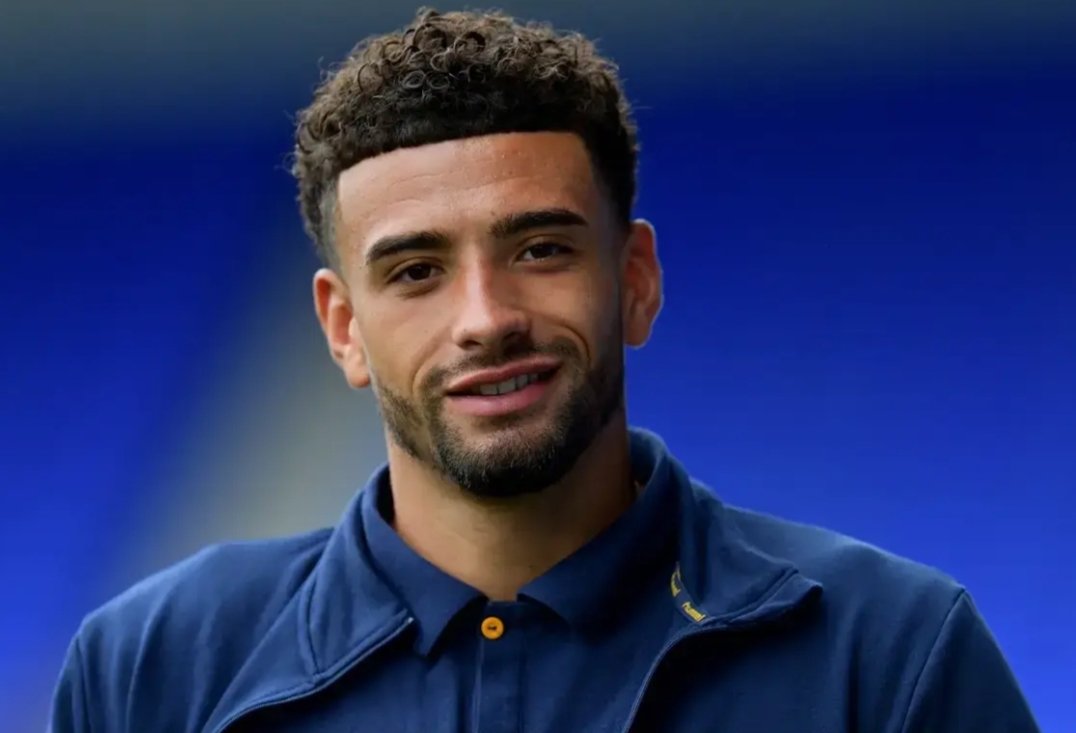
He has developed into one of Bologna’s most influential players, captaining the side and proving himself in one of Europe’s strongest leagues.
His profile has risen accordingly.
At 26 years of age, Ferguson is entering what many consider the prime years of a midfielder’s career.
Standing at 185 centimetres and operating with authority in central areas, he has evolved from an Aberdeen academy graduate into a player regularly linked with clubs competing in European competition.
That development inevitably changes both his value and the competition for his signature.
Rangers are no longer competing for an emerging talent.
They would be attempting to sign a fully established international footballer who has already demonstrated he can perform consistently in Serie A.
That significantly alters the financial picture.
Why Ferguson Fits McInnes’ Vision
Few managers understand Ferguson’s strengths as well as Derek McInnes.
It was McInnes who handed the midfielder his first-team breakthrough at Aberdeen and helped accelerate his early development before his eventual move abroad.
That existing relationship inevitably strengthens Rangers’ chances.
In modern football, recruitment often relies heavily upon data analysis, scouting reports and financial modelling.
However, genuine trust between manager and player still carries considerable value.
McInnes knows exactly what Ferguson would bring to the dressing room.
Equally, Ferguson understands what McInnes expects from his midfielders both tactically and mentally.
That familiarity reduces uncertainty.
When Rangers appointed McInnes, the club emphasised several important qualities.
His previous spell as a Rangers player, extensive managerial experience and deep understanding of Scottish football were all highlighted as major reasons behind the decision.
Chairman Andrew Cavenagh also pointed towards McInnes’ knowledge of Rangers and the Scottish game as important factors when explaining the appointment.
Given that context, Ferguson appears almost tailor-made for the project.
He would require no lengthy adaptation period.
He already understands the intensity surrounding Rangers, the demands of challenging for trophies and the scrutiny that accompanies every result.
Those advantages should not be underestimated.
Yet familiarity alone cannot justify a transfer.
One of Rangers’ stated objectives under the new football structure is making recruitment decisions based upon long-term strategy rather than personal relationships.
The arrival of Dan Purdy and the wider football department reflects that ambition.
Every significant signing should now pass through a more rigorous decision-making process.
That means Ferguson must satisfy not only McInnes’ preferences but also the club’s broader financial and sporting objectives.
The Biggest Question Is Value
Nobody doubts Ferguson’s quality.
The more difficult question concerns value for money.
Leadership is undoubtedly one of his greatest strengths.
Captaining Bologna while becoming a regular Scotland international demonstrates both maturity and consistency.
Those characteristics would undoubtedly improve Rangers’ midfield.
He has also already shown he can thrive in Scottish football before proving himself abroad.
That removes much of the uncertainty often associated with overseas recruitment.
However, every positive carries a financial consequence.
Elite players command elite fees.
Should Bologna decide to sell, they will understandably demand significant compensation for one of their most important performers.
If clubs like Atalanta and Lazio are genuinely interested, Rangers would not simply be negotiating with Bologna.
They would also be competing against clubs capable of offering higher wages, stronger European competition and the opportunity to remain within one of Europe’s top leagues.
That changes the entire equation.
Rangers must determine whether allocating such a substantial proportion of their transfer budget towards one midfielder represents the smartest route forward.
Nicolas Raskin Could Shape Everything
Any discussion involving Ferguson naturally leads towards Nicolas Raskin.
The Belgian midfielder remains one of Rangers’ most valuable assets and continues attracting interest from elsewhere in Europe.
Should Rangers receive a substantial offer for Raskin, Ferguson suddenly becomes a far more logical replacement.
Rather than simply adding another expensive midfielder, Rangers would effectively be reshaping the character of their midfield.
The two players possess different strengths.
Raskin excels through technical quality, energy and progression with the ball.
Ferguson offers something different.
His greatest attributes lie in his physical presence, intelligent movement into attacking positions, leadership qualities and ability to influence matches through both aggression and timing.
He is neither a traditional holding midfielder nor an advanced playmaker.
Instead, he thrives by driving forward, competing for second balls and imposing himself physically throughout matches.
Those qualities suit Scottish football exceptionally well.
Championship-winning sides often require midfielders capable of excelling during difficult, physical encounters rather than simply dominating possession.
Ferguson fits that profile perfectly.
Even so, Rangers cannot ignore the wider picture.
Selling Raskin would create obvious financial opportunities.
However, the squad requires reinforcement across several departments.
Goalkeeping remains an area of discussion.
Additional defensive depth may be necessary.
Further options on the right flank could also strengthen the team.
Another attacking player may be required depending upon how McInnes intends to build around Lawrence Shankland.
Spending the majority of available resources on Ferguson alone could limit Rangers’ ability to address those other priorities.
That represents the genuine challenge.
Signing one outstanding player means little if several weaknesses remain unresolved elsewhere.
Competition From Italy Changes Everything
Interest from Atalanta and Lazio cannot simply be dismissed as transfer speculation.
Those clubs establish the market.
Atalanta have become renowned throughout Europe for developing players and competing regularly in continental competition.
Their recruitment model consistently attracts ambitious footballers.
Lazio offer the prestige of Rome, continued Serie A football and the opportunity to compete at a high level under an experienced coaching structure.
Premier League interest creates an even greater obstacle.
Financially, Rangers cannot realistically compete with English clubs if bidding develops into an auction.
That means Ferguson’s own priorities become critically important.
If returning to Scotland genuinely appeals, Rangers possess advantages.
McInnes’ presence, the opportunity to challenge for trophies and the emotional attraction of representing Rangers could all strengthen their position.
However, those factors only matter if Ferguson actively wants the move.
Should he prioritise remaining in Serie A or moving to England, Rangers are unlikely to persuade him through financial incentives alone.
The club must therefore sell a broader vision.
The message cannot simply revolve around nostalgia or familiarity.
Instead, Rangers need to convince Ferguson that he would become one of the central figures in a new era under McInnes.
He must believe the project itself is ambitious enough to justify returning north.
Without that conviction, other options may prove more attractive.
Rangers Must Remain Disciplined
There is certainly a scenario where signing Ferguson becomes outstanding business.
He would immediately improve leadership within the squad.
His experience at international level and in Serie A would raise standards.
His understanding of Scottish football would eliminate adaptation concerns.
Perhaps most importantly, he would arrive during the prime years of his career rather than towards the end.
Those qualities are difficult to find.
Yet Rangers must avoid allowing emotion to dictate negotiations.
Should Bologna significantly increase their asking price because of Ferguson’s performances for Scotland or growing interest from elsewhere, the club must be prepared to walk away.
That discipline will define whether the new recruitment structure genuinely differs from previous regimes.
Successful football clubs know when to pursue ambitious targets aggressively.
They also know when circumstances no longer represent value.
McInnes’ first summer should focus upon constructing a balanced squad capable of competing across every competition.
The objective is not simply collecting familiar names.
It is building a team capable of handling demanding away fixtures, navigating European qualifiers, challenging Celtic over an entire season and consistently breaking down stubborn domestic opponents.
Those ambitions require depth as well as quality.
Final Verdict
Lewis Ferguson deserves his reputation.
He has developed into one of Scotland’s finest midfielders through hard work, consistency and impressive performances in Italy.
He would undoubtedly strengthen Rangers.
Few supporters would question his ability.
However, this transfer represents much more than signing one excellent player.
It is an early examination of how Rangers intend to operate under Derek McInnes and the club’s revamped football structure.
If the financial terms remain sensible and Ferguson genuinely wants the move, Rangers should pursue the opportunity with confidence.
He possesses the leadership, quality and experience to become a cornerstone of McInnes’ midfield.
If circumstances change, however, discipline must prevail.
Allowing sentiment to inflate the price or compromise wider recruitment plans would undermine the rebuild before it has truly begun.
The best recruitment departments understand that every target has a value.
Ferguson should be no different.
Rangers can admire him, pursue him and recognise his qualities without abandoning the principles they hope will shape the club’s future.
That is the real test.
McInnes’ first transfer window is not simply about acquiring talented footballers.
It is about proving Rangers can make ambitious decisions while remaining financially disciplined.
How they handle the Ferguson pursuit may reveal exactly how serious the club is about building sustainable success.
-

 Blog8 months ago
Celtic issues a fiery VAR statement after Trusty’s red card appeal is dismissed, as furious chiefs release referee audio publicly.
-

 Blog4 weeks ago
Former official calls on SFA to contact Rangers over fan scenes during Celtic match, labeling them “completely unacceptable.”
-

 Blog8 months ago
Celtic informed their January signing under Martin O’Neill that he wouldn’t play a single minute this season.
-

 Blog8 months ago
Celtic issued an £83 million warning amid looming UEFA threats.
-

 Blog7 months ago
SFA Expected to Review Missed Penalty in Rangers v Celtic Clash
-

 Blog6 months ago
Police respond after reported disorder following Middlesbrough vs Millwall clash
-

 Blog2 weeks ago
Middlesbrough receive a warning following Steve Gibson’s submission of a £1.5bn proposal.
-

 Blog1 year ago
“Courtside to Aisle-Side: Tyrese Haliburton and Jade Jones Set New Wedding Date”