Blog
Eckert attends FA misconduct hearing over Spygate; his future remains uncertain.

Tonda Eckert is heading to Wembley for his Football Association misconduct hearing, with Southampton still unsure what punishment could follow the controversy surrounding the club’s spying operations.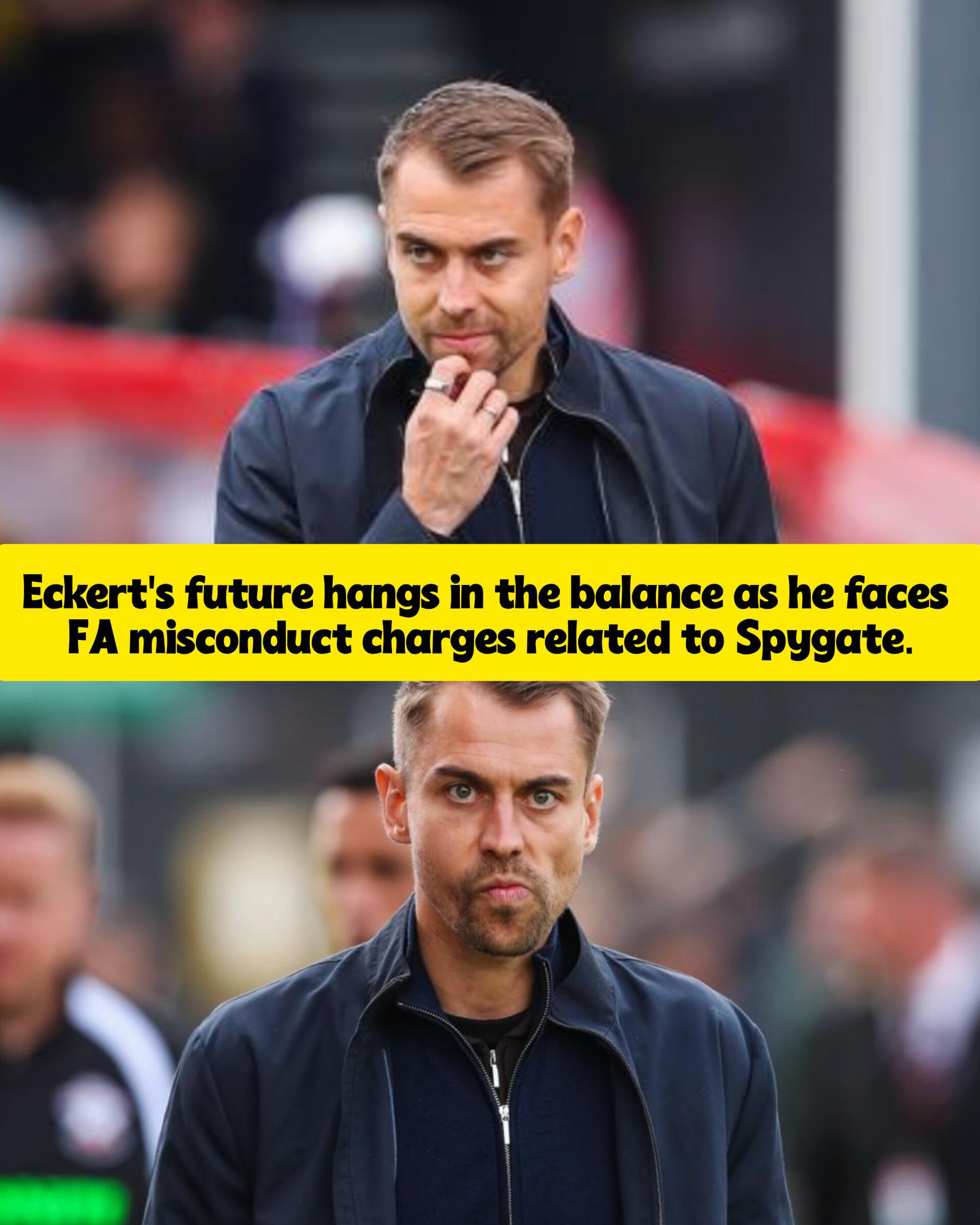
The 33-year-old Saints head coach has been charged with three breaches of FA Rule E3.1, concerning improper conduct and behaviour capable of bringing football into disrepute. The charges relate to Eckert’s admission that he authorised attempts to observe the training sessions of three Championship opponents last season.
Southampton have already received severe punishment from the English Football League. An independent commission expelled the club from the Championship play-offs and imposed a four-point deduction for the new season. Eckert now faces a separate individual case after the FA began its own investigation in June and formally charged him on July 22.
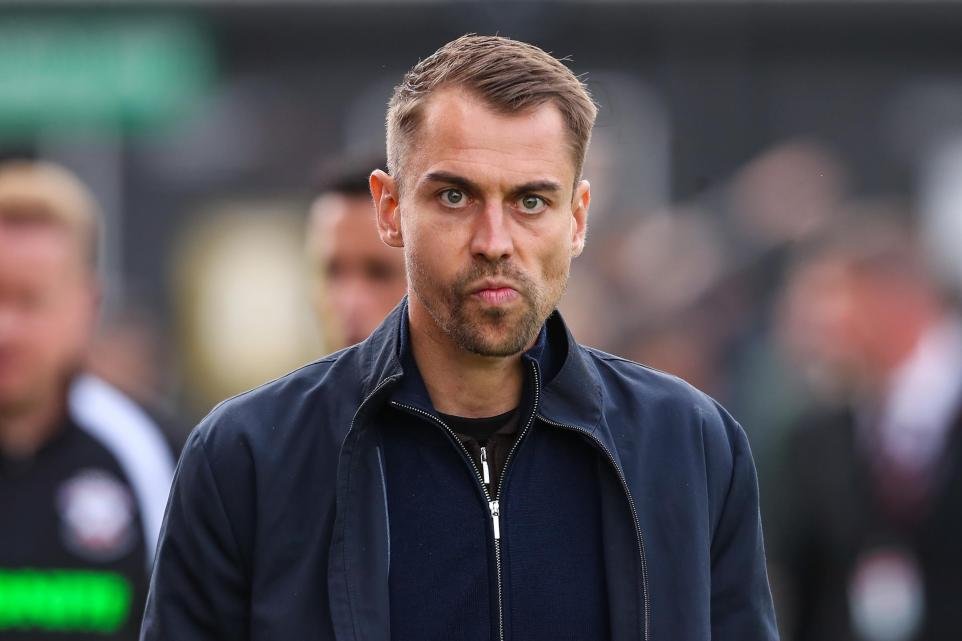
Saints feel they have been punished enough already over the ‘Spygate’ scandal (Image: PA)
What could happen at Wembley
Eckert’s hearing follows a four-hour interview conducted more than two months ago. Southampton had hoped the scheduled date would lead to a decision either immediately or before the weekend, although there is no guarantee of such a quick outcome.
The hearing could be relatively short if the panel has already reached its conclusions, or it could develop into another lengthy process. Eckert has already given his account, although the panel may ask him to respond to further observations before reaching a decision.
One major concern is the possibility of a suspension lasting three months or longer. Southampton could appeal such a punishment, and owner Dragan Solak has previously indicated that he believes an extended ban would be unfair.
An appeal could allow Eckert to continue managing while the case is considered, although that is not guaranteed. The FA panel could instead impose an indefinite suspension that would prevent him from working while proceedings continue. There is currently no clear English precedent for a case of this exact nature.
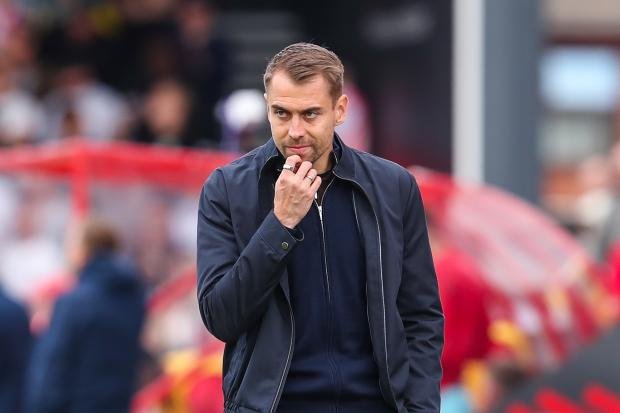
Tonda Eckert is set for his FA misconduct hearing today (Image: PA)
International consequences
The stakes could be even higher if the FA asks FIFA to extend any suspension internationally. Such requests are normally accepted, meaning Eckert could potentially be prevented from immediately taking another coaching position in Germany, where his young family are based.
The closest English comparison is Marcelo Bielsa’s spying controversy at Leeds United in 2019. After an analyst was caught observing Derby County, Bielsa admitted that Leeds had monitored opponents and even held a press conference explaining the practice.
The EFL subsequently found Leeds in breach of its good-faith regulations and fined the club £200,000. Specific anti-spying rules were introduced later that summer. The FA, however, chose not to charge Bielsa, instead issuing formal warnings to him and the analyst.
That history makes Eckert’s case difficult to assess. Although EFL regulations have since become more detailed, the FA’s Rule E3.1 remains unchanged. It would therefore represent a significant escalation if conduct that previously resulted in warnings led to a lengthy individual suspension.
The FIFA comparison
Another possible precedent is the case involving Bev Priestman, then head coach of Canada’s women’s team. In July 2024, Priestman and two members of her staff received one-year bans after a drone was used to monitor New Zealand ahead of the Paris Olympics.
The suspension would have prevented Priestman from taking charge for Canada’s next 15 matches. After an internal investigation lasting four months, the Canadian federation also dismissed the three staff members and the team received a six-point deduction alongside financial penalties.
Southampton chief executive Phil Parsons has called for balance ahead of Eckert’s hearing. He said the FA could impose a long ban, a short suspension or a punishment that is suspended, but stressed that the governing body should consider everything Southampton had already experienced.
Why Southampton are speaking out
The club’s decision to discuss the matter publicly before the verdict has attracted attention. Parsons’ comments do not necessarily indicate what punishment Southampton expect, but they demonstrate the seriousness with which the club views the hearing.
Former Premier League chairman Simon Jordan has argued that a suspension for Eckert would be excessive, while also warning that the panel could want to establish a strong precedent.
There is also a question over whether the public discussion has helped Southampton’s position. Interviews have kept the controversy in the spotlight, although the club maintains that its previous punishment should be considered when determining any further sanction.
Importantly, Eckert’s FA charges concern his authorisation of three spying operations. They are not directly charges about how he treated members of his staff.
During the earlier EFL proceedings, junior analyst Will Salt said he had felt pressure to carry out actions he knew were wrong. However, he did not say that this pressure came directly from Eckert, and Southampton maintain there was no direct contact between the two over such matters.
Oxford operation
The first incident occurred around Southampton’s preparation for a December 2025 match against Oxford United. Eckert asked whether someone could watch Oxford train because he wanted information about their tactical shape and whether Cameron Brannagan was fit.
A junior analyst intern was sent to observe training from public areas. He supplied photographs, videos and updates about Oxford’s tactics and expected team selection. He returned the following day and established that Oxford planned to use a back four.
The information was incorporated into a predicted Oxford lineup, which was sent to Eckert with key messages apparently based on the observations. The intern also spoke with Eckert and another analyst by telephone and answered questions about what he had seen.
An analyst later messaged the intern praising his work and saying the manager had loved it. Eckert maintained that he did not personally watch the footage and that the information did not affect Southampton’s preparation. Saints eventually lost the match 2-1.
Ipswich operation
The second incident came in April 2026 before Ipswich visited Southampton. Ipswich trained at Eastleigh, where Southampton had a close working relationship.
According to evidence presented to the commission, an assistant coach said Eckert wanted somebody to observe the session. The original intern refused, explaining that he was uncomfortable, and another analyst also declined.
A different academy intern was eventually sent. He was provided with Eastleigh kit and a cover story for his supposed role there. During the training session, someone at Eastleigh also recorded the entire practice, and the footage was sent to Southampton.
The club was subsequently able to predict Ipswich’s exact starting lineup. Eckert said he only became aware of the CCTV footage shortly before kick-off, ordered it to be switched off and maintained that it did not influence preparations. Southampton drew 2-2.
Middlesbrough operation
The third and most serious incident occurred before Southampton’s Championship play-off semi-final against Middlesbrough.
After Southampton learned they would face Boro, Eckert asked whether somebody could watch their training, particularly because he wanted to know whether Hayden Hackney was fit. The same junior intern was selected and later said he felt extreme pressure because of the importance of the play-off.
On May 7, the intern travelled to Middlesbrough’s training ground and secretly recorded three videos from behind a tree. He sent them to a Southampton analyst, who passed information to Eckert, including a projected Middlesbrough lineup featuring Hackney.
The intern was confronted, told to delete the footage and subsequently changed his clothes before leaving the area. He later deleted his LinkedIn profile because he feared being identified.
Back in Southampton, analysts examined what they believed the videos showed. One analyst even suggested hiding online photographs connected to Eckert’s Manager of the Month award because the intern appeared in the background.
Eckert later said the footage was poor quality and offered no useful information. He maintained that Southampton had already decided their formation and that the spying material did not influence preparations.
EFL investigation and punishment
Middlesbrough reported the incident to the EFL on May 7. The league immediately demanded information about the person involved, who had instructed him, and whether footage had been recorded or shared.
Southampton initially told the EFL that the conduct was not part of the club’s culture and that no senior staff had instructed the intern. The club also claimed that no footage had been captured, transmitted or analysed.
The position changed several days later when Southampton’s lawyers apologised for inaccuracies in the original response. The club admitted that the Middlesbrough mission had been authorised by Eckert and that three videos had been sent to Southampton before being deleted.
The internal investigation also uncovered the Oxford and Ipswich incidents.
Southampton admitted the breaches but argued that no sporting advantage had been gained. The independent commission nevertheless expelled the club from the play-offs and imposed a four-point deduction. It described the spying activity as a determined plan from senior levels and criticised the use of junior staff.
The commission said the integrity of the play-offs had been seriously affected and argued that a financial punishment alone could encourage clubs to take similar risks because promotion carries major financial rewards.
Appeal rejected
Southampton appealed, arguing that the sporting sanctions were excessive and should be replaced by a financial penalty and reprimand. The appeal was heard urgently because the play-off final was only days away.
The club argued that the process had been procedurally unfair and that there was no sporting advantage from the incidents. However, the appeal was dismissed and the original sanctions were confirmed.
That leaves Eckert facing a separate FA decision, with the possibility of a significant individual punishment. The hearing could determine whether Southampton’s controversial spying saga finally moves towards a conclusion or enters another lengthy phase of uncertainty.
-
 Blog7 months ago
Celtic issues a fiery VAR statement after Trusty’s red card appeal is dismissed, as furious chiefs release referee audio publicly.
-
 Blog2 weeks ago
Former official calls on SFA to contact Rangers over fan scenes during Celtic match, labeling them “completely unacceptable.”
-

 Blog7 months ago
Celtic informed their January signing under Martin O’Neill that he wouldn’t play a single minute this season.
-

 Blog7 months ago
Celtic issued an £83 million warning amid looming UEFA threats.
-
 Blog7 months ago
SFA Expected to Review Missed Penalty in Rangers v Celtic Clash
-

 Blog6 months ago
Police respond after reported disorder following Middlesbrough vs Millwall clash
-

 Blog1 year ago
“Courtside to Aisle-Side: Tyrese Haliburton and Jade Jones Set New Wedding Date”
-

 Blog7 months ago
£6m star is looking to leave Rangers this summer and has already announced his next club publicly.