Blog
Former Rangers chairman David Murray says HMRC ‘targeted’ the club

Former Rangers chairman Sir David Murray has claimed that he could still be running the Ibrox club today if he had not faced what he described as pressure from HM Revenue and Customs.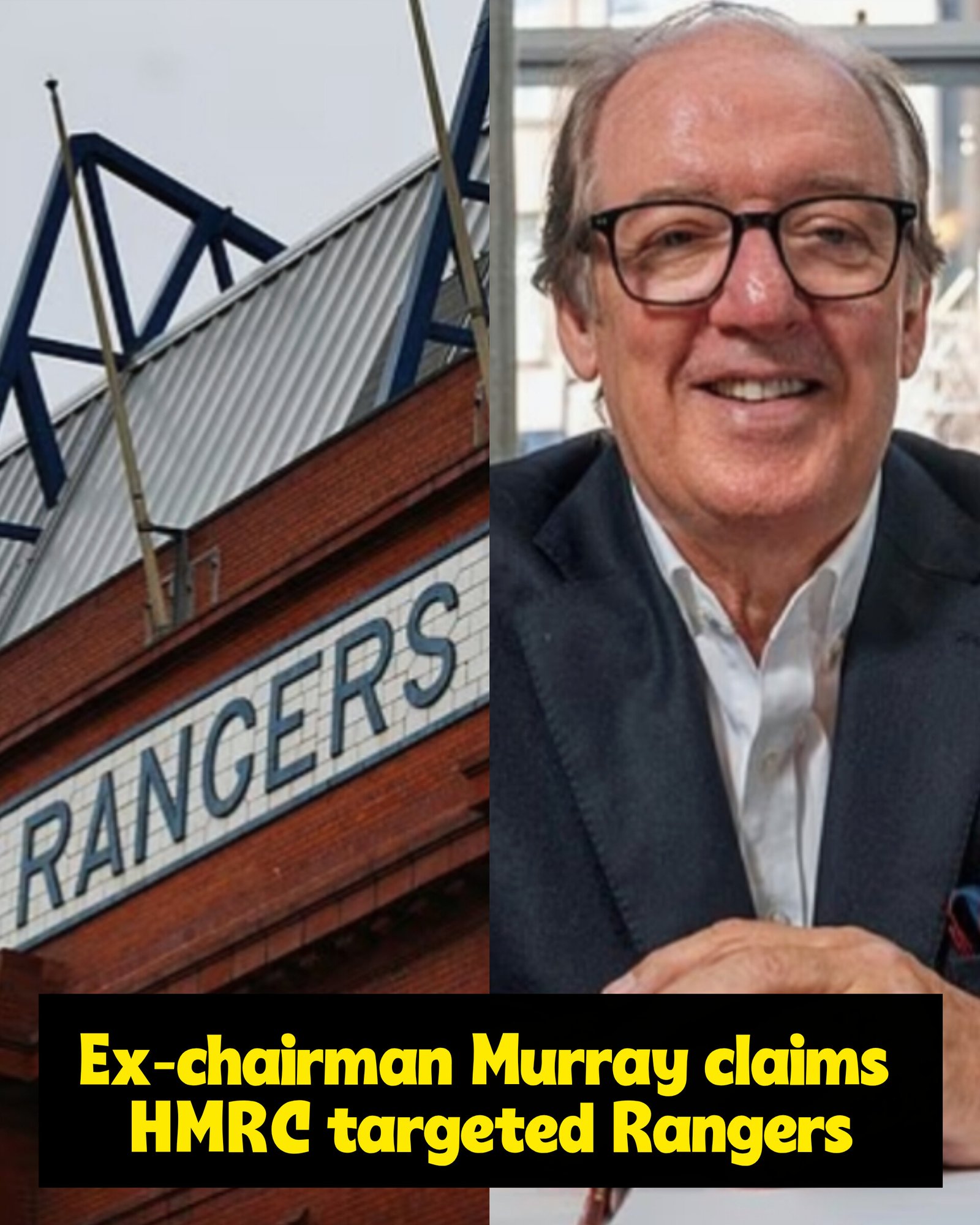
Murray, who owned Rangers for many years, believes the club was specifically targeted by HMRC during a period when it was already facing significant financial difficulties. He has argued that the tax dispute, combined with the collapse of the Bank of Scotland, left him with no realistic way of keeping the club financially stable.
Murray eventually sold his majority stake in Rangers to Craig Whyte for £1 in 2011. The sale came after pressure from the Bank of Scotland, alongside an agreement that Whyte would settle around £20 million of Rangers’ debts.
Whyte subsequently arranged funding through a deal involving future season-ticket revenues. However, Rangers continued to face serious uncertainty over an HMRC tax claim, which reportedly discouraged other potential buyers.
The club eventually entered liquidation in 2012 after accumulating a separate £10 million tax debt during Whyte’s brief ownership.

Sir David Murray has claimed that HMRC ‘targeted’ Rangers unfairly in their lengthy tax case
HMRC tax dispute
The tax dispute centred largely on Rangers’ use of Employee Benefit Trusts, or EBTs, during Murray’s time in charge.
Liquidators BDO later revealed that HMRC had initially submitted a claim worth £73 million relating to Rangers’ use of the tax arrangements. Around half of that figure was reportedly made up of interest and penalties.
The final EBT-related debt recorded for the liquidated oldco Rangers was listed at £41.6 million in 2024.
However, Murray maintains that the financial burden placed on Rangers became significantly larger than the underlying tax liability.
Speaking on the Graeme Souness Tackles podcast, Murray recalled the scale of the financial pressure facing the club.
“We won three in a row when I left and had started building up again,” Murray said.
He then described the tax dispute as a major turning point for Rangers.
“When Rangers got hit with the tax bill from HMRC of £85million, they started loading penalties on to us, and the bill got to about £130million,” he explained.
Murray argued that the tax liability became particularly difficult to manage because of the simultaneous problems facing his bank.
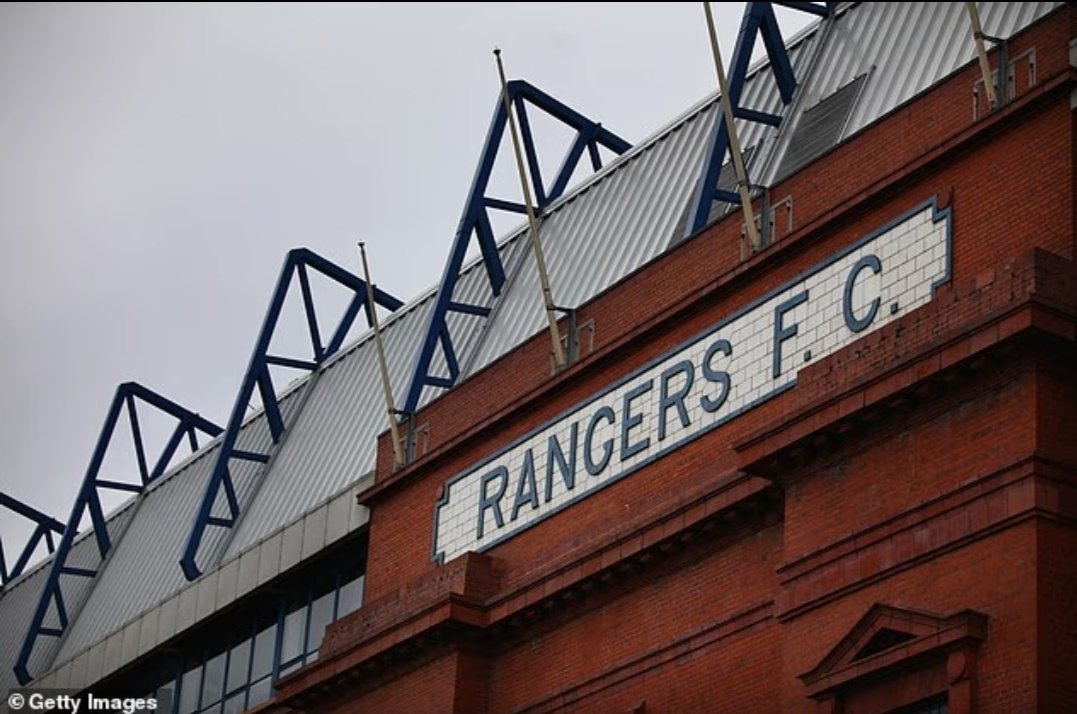
Rangers endured tough times following Murray’s sale to Whyte and subsequent administration
Bank of Scotland collapse
According to Murray, the collapse of the Bank of Scotland compounded the problems already created by the tax dispute.
He said Rangers faced a charge of approximately £130 million to £140 million while the bank that had been involved in the club’s finances had itself collapsed.
“Obviously we were in trouble but, on top of that, the biggest thing that hit me was that the Bank of Scotland went bust,” Murray said.
He added that, regardless of how effectively he believed he had managed the club, the combination of circumstances left him with no viable escape route.
“It doesn’t matter how clever I thought I was, there was no way out of it,” he said.
Murray also claimed that one aspect of the tax dispute continues to frustrate him.
He said it was eventually determined that penalties imposed as part of the tax demand were unlawful and claimed the final figure was substantially lower.
“But the ironic and really annoying thing to this day that still sticks in my craw is that they eventually found out that the penalties were illegal,” Murray said.
“They shouldn’t have charged us. And the final figure was £33million.”
Murray says Rangers was ‘targeted’
Murray went on to make his strongest claim, arguing that Rangers did not necessarily need to collapse.
“Rangers did not need to go bust but HMRC identified ‘this is the target we are going to get’,” he said.
That account represents Murray’s view of the circumstances surrounding Rangers’ financial collapse. HMRC has previously rejected claims that it mishandled or overstated the tax demand.
Rangers’ confirmed debts under Murray had reached a peak of £74 million before he heavily underwrote a £57 million share issue in 2004.
The club had used EBT arrangements between 2001 and 2010 as part of efforts to reduce its wage bill. HMRC subsequently challenged the arrangements, with the dispute eventually reaching the Supreme Court.
In 2017, the Supreme Court ruled in HMRC’s favour over the tax avoidance case.
Pressure from Rangers supporters
Murray also admitted that pressure from Rangers supporters influenced some of his decisions while he was running the club.
Speaking to his friend and former Rangers manager Souness, he acknowledged that he became caught up in the expectation surrounding the club.
“I didn’t really want to do another £50million rights issue but I found another £50million to keep it going,” he said.
Murray explained that meeting supporters and dealing with their expectations could make difficult financial decisions even harder.
“But when you sit there with supporters groups, it’s quite difficult and you do get caught up in it,” he admitted.
He also acknowledged that other people in football had experienced similar pressures.
“There are cleverer people than me that got caught up in it,” Murray added.
Looking back at his Rangers tenure
Murray described Rangers as a huge institution carrying enormous expectations from its supporters.
“Rangers Football Club is a massive institution, great pressure from the fans,” he said.
Despite that, he returned to his belief that the club had been specifically targeted and suggested he could still have been involved at Ibrox if the financial pressures had not occurred.
“We could still be at the club today if those two factors had not hit us,” Murray claimed, referring to the banking crisis and tax dispute.
However, Murray also accepted that he was not entirely blameless for the decisions made during his ownership.
“Yes, I probably made decisions that were vanity and not sanity,” he admitted.
HMRC has previously rejected Murray’s interpretation of events. In 2019, the tax authority responded to claims that it had overstated Rangers’ tax liability, stating that it had won its Supreme Court case concerning Rangers’ tax avoidance arrangements and had not miscalculated the amount owed.
Murray’s latest comments therefore reopen a long-running debate about the financial decisions, tax disputes and external pressures that contributed to Rangers’ eventual collapse and liquidation.
-
 Blog7 months ago
Celtic issues a fiery VAR statement after Trusty’s red card appeal is dismissed, as furious chiefs release referee audio publicly.
-
 Blog3 weeks ago
Former official calls on SFA to contact Rangers over fan scenes during Celtic match, labeling them “completely unacceptable.”
-

 Blog8 months ago
Celtic informed their January signing under Martin O’Neill that he wouldn’t play a single minute this season.
-

 Blog7 months ago
Celtic issued an £83 million warning amid looming UEFA threats.
-
 Blog7 months ago
SFA Expected to Review Missed Penalty in Rangers v Celtic Clash
-

 Blog6 months ago
Police respond after reported disorder following Middlesbrough vs Millwall clash
-
 Blog1 week ago
Middlesbrough receive a warning following Steve Gibson’s submission of a £1.5bn proposal.
-

 Blog1 year ago
“Courtside to Aisle-Side: Tyrese Haliburton and Jade Jones Set New Wedding Date”