
Blog
‘It’s not easy’: Birmingham City’s St. Andrew’s atmosphere comes under scrutiny.

Birmingham City are entering an increasingly exciting period under the ownership of Knighthead Capital Management, with the club’s ambitions extending well beyond what is happening on the pitch. After years of frustration, Blues supporters now have genuine reasons to look towards the future, with the long-term objective of returning to the Premier League firmly in sight.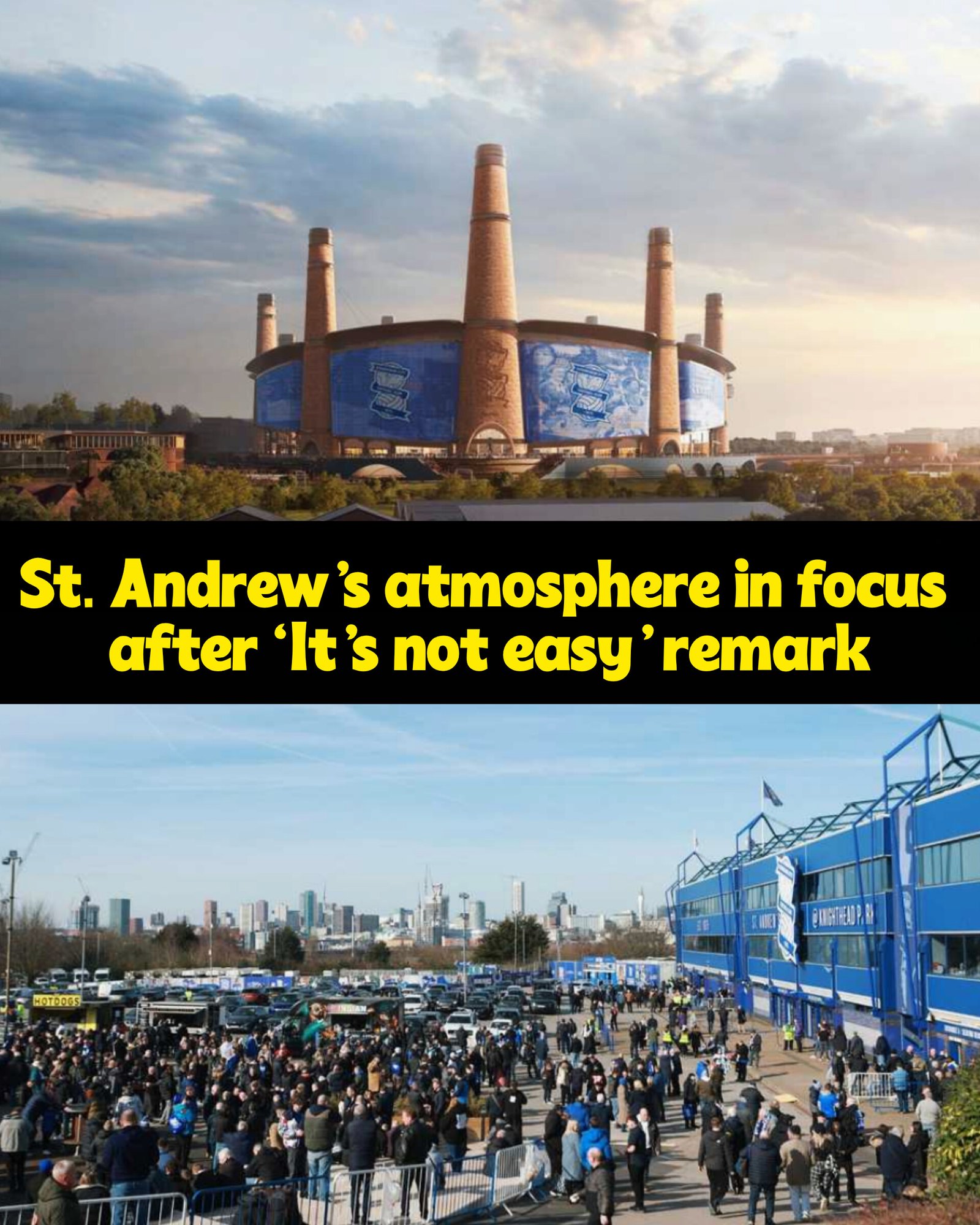
The club will be hoping that its impressive plans away from the pitch can eventually be matched by sustained success on it. Promotion to England’s top flight would represent a major step forward, although Birmingham know there is still plenty of work to do before they can make that dream a reality.
Birmingham making progress after difficult years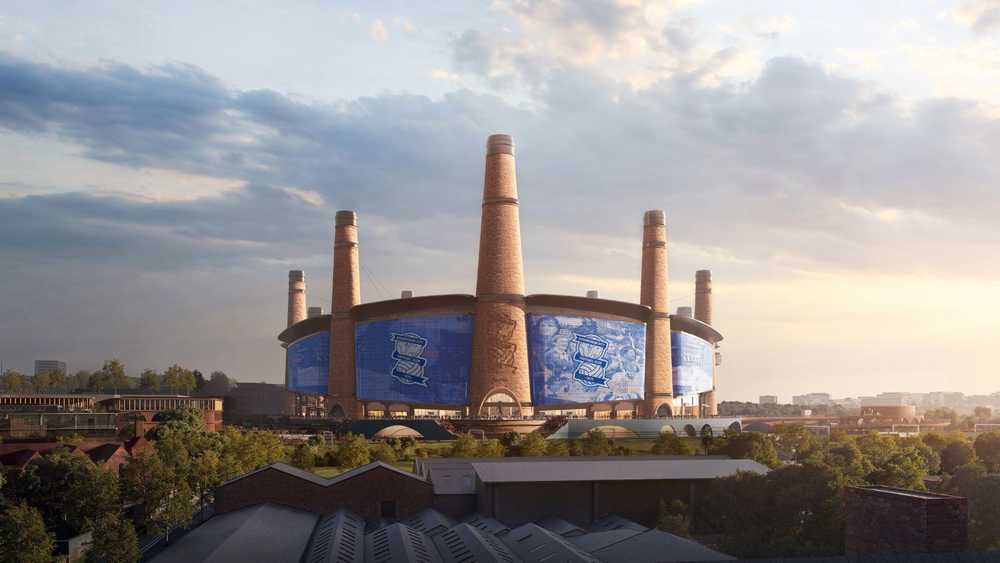
The current Championship campaign has offered considerably more encouragement than the corresponding period last season. Birmingham have made a stronger start and there is growing optimism that the club could finally challenge for a play-off position over an extended period.
For a generation of Blues supporters, such ambition would have seemed difficult to imagine not so long ago.
Birmingham spent years struggling to make a serious impact in the Championship, with inconsistency and underachievement becoming familiar themes around the club. That difficult period eventually reached its lowest point when Birmingham suffered relegation to League One in 2024.
However, the mood surrounding the club has changed significantly since then.
The arrival of Knighthead has brought a fresh sense of ambition, while substantial investment has been made across different areas of the football club. The changes have not been restricted to the playing squad either, with the ownership group attempting to improve the overall experience for supporters and establish Birmingham as a club with much greater long-term potential.
Has the matchday atmosphere changed?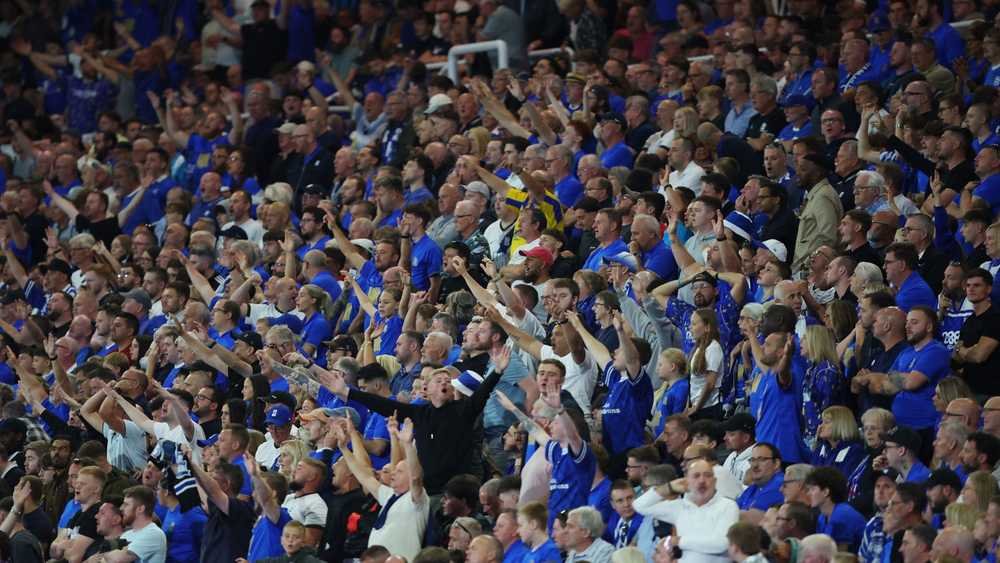
Despite the progress, one subject continues to generate debate among Birmingham supporters and followers of the wider EFL: the atmosphere inside St. Andrew’s.
There is no question that attendances have improved and that the excitement around the club has increased. Yet there are differing opinions over whether the atmosphere has become stronger or whether something has been lost during the changes taking place around the club.
St. Andrew’s remains a stadium with plenty of character. Unlike some of the newer grounds found throughout the Championship, Birmingham’s home still possesses a traditional feel that reflects the club’s long history.
But there is a question over whether the ground continues to provide the same intimidating experience for visiting teams that it once did.
During Birmingham’s Premier League years, St. Andrew’s developed a reputation as an uncomfortable destination for visiting sides. The combination of passionate supporters, the compact nature of the stadium and the intensity generated on matchdays could make life difficult for opposition players.
A reputation built over generations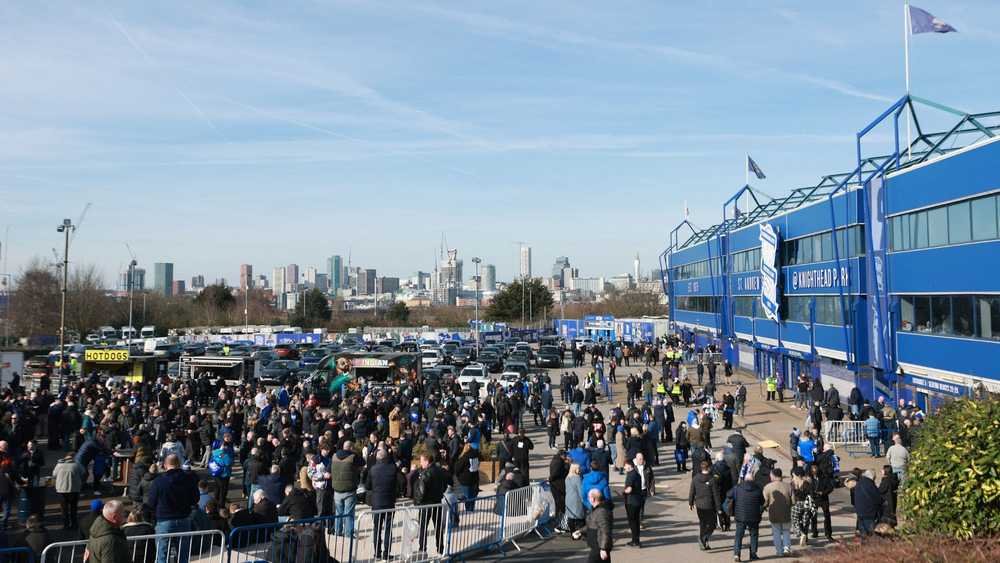
The atmosphere at St. Andrew’s was once regarded as one of the most intimidating in English football.
Former Arsenal manager Arsene Wenger famously described the environment as “very hostile”, highlighting the challenge faced by visiting teams when they travelled to Birmingham.
Manchester United legend Sir Alex Ferguson has also been credited with comparing the hostility at St. Andrew’s to the atmosphere he encountered at Galatasaray, another stadium renowned for creating an intense environment for visiting sides.
Those descriptions demonstrate just how highly regarded the atmosphere at the Birmingham ground once was.
For supporters who experienced those periods, there is therefore understandable concern over whether the modern matchday environment can reproduce the same level of intensity.
It is not necessarily a criticism of the current fanbase. Football has changed considerably, while clubs and stadiums have evolved alongside it. Nevertheless, there is a debate over whether the character that made St. Andrew’s such a difficult venue has been preserved.
St. Andrew’s days are numbered
There is another reason why this conversation is particularly relevant.
Birmingham supporters will not be watching their team at St. Andrew’s forever if Knighthead’s long-term plans come to fruition.
The club’s American ownership group has an ambitious vision that will eventually see Birmingham move away from their historic home and into a completely new stadium as part of a much larger development.
The proposed destination is the Powerhouse stadium, which is expected to form the centrepiece of an enormous Sports Quarter project.
The scale of the proposed development is difficult to ignore.
The Powerhouse project
The plans currently envision a stadium capable of holding around 62,000 spectators. That would make the new home more than twice the size of Birmingham’s current stadium.
The proposed move is expected to take place within the next five years, with Knighthead and its partners hoping to oversee a major transformation of the surrounding area.
The Powerhouse would not simply be a football stadium. It would form part of a wider £2 billion to £3 billion Sports Quarter, incorporating facilities designed to benefit local communities and businesses as well as Birmingham City itself.
The ambition is therefore significantly greater than simply constructing a new ground.
The project is intended to create a major destination in the West Midlands, with football acting as one of several important components.
Can the new stadium recreate St. Andrew’s identity?
That naturally leads to another question for Birmingham supporters.
Can the atmosphere and traditions associated with St. Andrew’s be transferred to a much larger, modern stadium?
There is no guarantee.
One of the defining characteristics of St. Andrew’s is its history. The stadium has stood since 1906 and has witnessed generations of Birmingham supporters experience promotion battles, relegation struggles, derby victories and some of the most memorable moments in the club’s history.
A new stadium can offer improved facilities, greater capacity and a more modern experience, but it cannot automatically reproduce more than a century of history.
That is one of the challenges facing the club.
However, the plans for the Powerhouse suggest that the atmosphere has not been ignored.
The proposed designs have reportedly placed considerable emphasis on ensuring that the new stadium remains intimidating for visiting teams. The objective is to create an environment where opposition players still feel the pressure associated with playing at Birmingham.
With a capacity of approximately 62,000, the potential for a huge atmosphere will certainly be there.
The challenge will be ensuring that supporters use that capacity to create the same intensity that has historically been associated with St. Andrew’s.
A changing club and changing identity
Ultimately, Birmingham City are at a fascinating point in their history.
The club is moving away from a period defined by disappointment and towards one built around investment, ambition and long-term planning. On the pitch, the hope is that the Blues can establish themselves as genuine Championship promotion contenders before eventually returning to the Premier League.
Off the pitch, the proposed Sports Quarter and Powerhouse stadium represent an even more ambitious future.
But supporters will understandably want the club’s identity to survive the transition.
St. Andrew’s is more than bricks, seats and floodlights. For generations of Birmingham fans, it has been part of the club’s identity. The noise, history and intimidating reputation have all contributed to making matchdays there special.
The move to the Powerhouse will provide Birmingham with an opportunity to create something extraordinary, but recreating that unique atmosphere will not be straightforward.
For now, St. Andrew’s remains the home of Birmingham City, and supporters still have the chance to enjoy its unique character.
The bigger question is whether the Powerhouse can eventually create a new version of that atmosphere — one capable of matching the reputation established by St. Andrew’s over more than a century.
What do you think? Has the atmosphere at St. Andrew’s improved under Knighthead, or has something been lost? And can the proposed Powerhouse stadium become just as intimidating for visiting teams?
-

 Blog7 months ago
Celtic issues a fiery VAR statement after Trusty’s red card appeal is dismissed, as furious chiefs release referee audio publicly.
-

 Blog3 weeks ago
Former official calls on SFA to contact Rangers over fan scenes during Celtic match, labeling them “completely unacceptable.”
-

 Blog8 months ago
Celtic informed their January signing under Martin O’Neill that he wouldn’t play a single minute this season.
-

 Blog7 months ago
Celtic issued an £83 million warning amid looming UEFA threats.
-

 Blog7 months ago
SFA Expected to Review Missed Penalty in Rangers v Celtic Clash
-

 Blog6 months ago
Police respond after reported disorder following Middlesbrough vs Millwall clash
-

 Blog2 weeks ago
Middlesbrough receive a warning following Steve Gibson’s submission of a £1.5bn proposal.
-

 Blog1 year ago
“Courtside to Aisle-Side: Tyrese Haliburton and Jade Jones Set New Wedding Date”