
Blog
‘He’s lucky… he got off very lightly’: Tonda Eckert’s Spygate punishment questioned.

The Football Association’s decision to hand Southampton head coach Tonda Eckert a suspended six-week ban has sparked a fresh debate over whether the punishment properly reflects the seriousness of his involvement in the club’s Spygate controversy.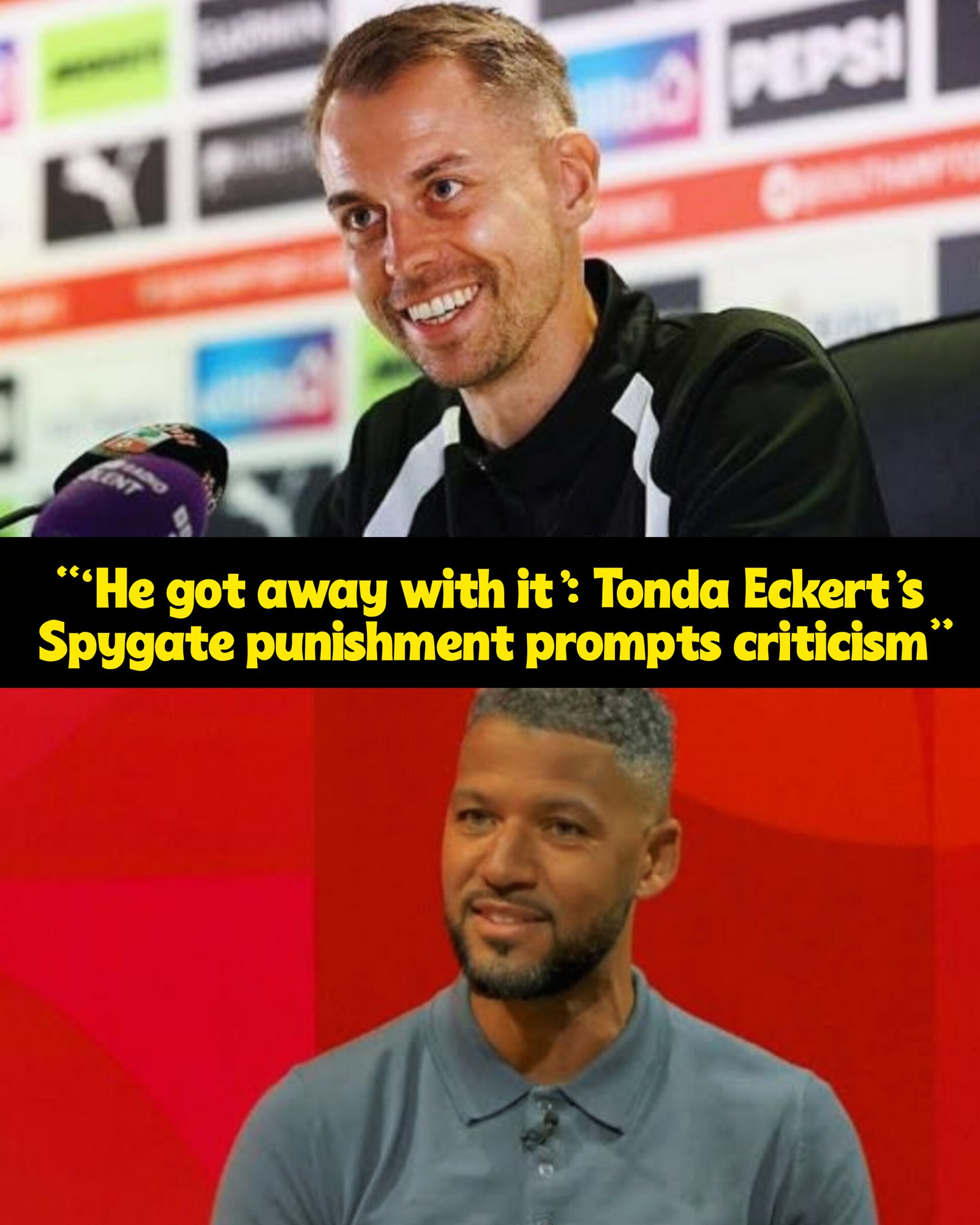
The verdict was discussed during a bonus edition of the BBC’s Football Daily podcast, where presenter John Bennett was joined by BBC Radio Solent reporter Adam Blackmore and former Reading and Watford winger Jobi McAnuff, who now works with the 72+ EFL podcast.
Eckert was given a six-week suspension, which has been suspended, meaning he will not currently be prevented from taking his place on the Southampton touchline. He was also fined £28,000 after an FA regulatory commission found that he had authorised three separate incidents involving the surveillance of opponents before matches.
One of those incidents related to Southampton’s Championship play-off semi-final against Middlesbrough last season, a controversy that ultimately had major consequences for the Saints.
Southampton originally progressed to the play-off final after defeating Middlesbrough over two legs. However, the club was subsequently expelled from the final as punishment for the spying scandal. Southampton were also hit with a four-point deduction at the beginning of the current campaign.
While Eckert has personally received a substantial financial penalty and a suspended ban, questions remain over why he will not actually miss competitive matches as a result of his actions.
Blackmore believes the Southampton boss may consider himself fortunate after avoiding an immediate touchline suspension.
Speaking about the likely punishment before the verdict was discussed, Blackmore explained that he had expected a considerably longer sporting sanction.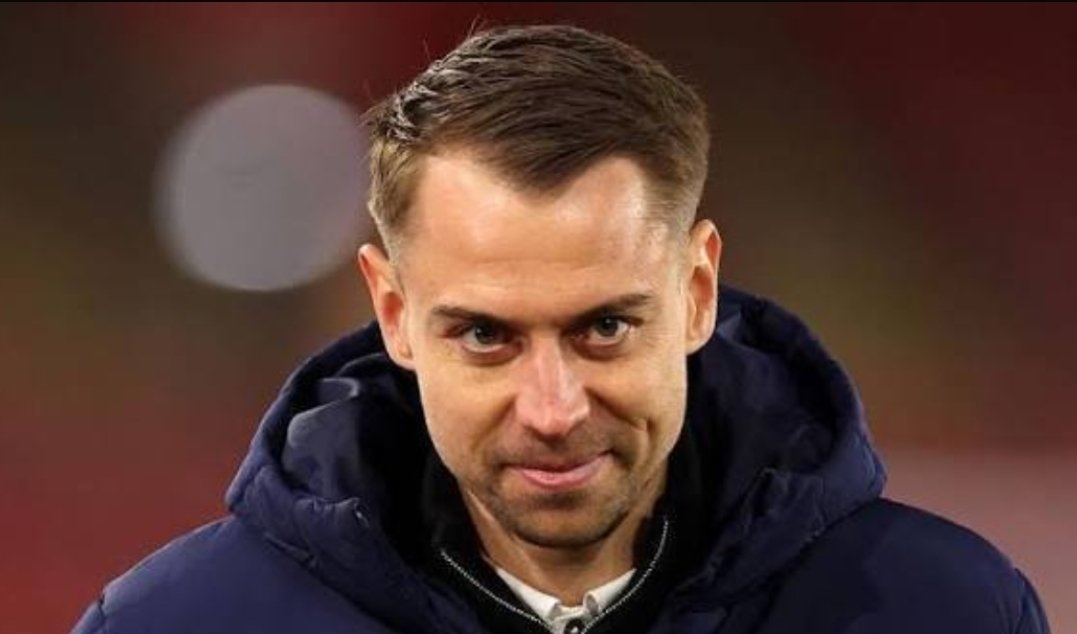
He suggested that a ban of around three to five matches for each charge could have been possible, which would have left Southampton facing a significant decision about whether they should continue with Eckert or make alternative arrangements while he served the punishment.
Instead, the final outcome means Eckert remains available to manage the team from the technical area.
Blackmore nevertheless believes the matter has now reached its conclusion and that Southampton can finally attempt to move forward.
He acknowledged that Eckert has still paid a significant price, particularly because of the £28,000 fine and the suspended six-week ban. However, the BBC Radio Solent reporter suggested that the absence of an immediate touchline suspension means Eckert has avoided what could have been a much more damaging sporting consequence.
“I think he’s lucky,” Blackmore said, while making clear that he was pleased the long-running controversy had finally reached an end.
For McAnuff, however, the punishment went far beyond merely being lenient.
The former professional footballer believes Eckert escaped the consequences far too easily, particularly when compared with the impact the wider scandal had on Southampton.
McAnuff described the manager as having been given a very light punishment and questioned how the regulatory commission reached the conclusion that he should not actually be removed from the touchline for any period.
His main concern was that Eckert will not miss a single match because of the ban.
That, according to McAnuff, creates an uncomfortable contrast with the punishment suffered by Southampton’s players, supporters and staff, many of whom had no involvement or knowledge of what had taken place.
The club itself suffered a major sporting setback. Southampton were removed from the play-off final after defeating Middlesbrough in the semi-final and were subsequently given a four-point deduction for the new season.
McAnuff believes those consequences were severe but justified, particularly because the rules surrounding the conduct were broken. However, he finds it difficult to understand why the individual he believes was ultimately responsible will not have to serve an immediate suspension.
He argued that if one person was responsible for crossing the line, then that person should face a punishment that has a direct sporting impact.
For McAnuff, the absence of an actual touchline ban is particularly surprising because he believes misconduct of this nature should carry serious consequences.
He described the verdict as a major shock and admitted that he had not anticipated the commission arriving at such a decision.
The former winger’s argument is that the sanctions should reflect the seriousness of deliberately gathering information on opponents outside the accepted boundaries of preparation.
While Southampton have already paid a heavy price as a club, McAnuff believes the personal consequences for Eckert do not match the scale of the controversy.
The discussion also included the Middlesbrough perspective, given that Boro played a central role in bringing the spying allegations to light.
Southampton’s surveillance of Middlesbrough before their play-off meeting became one of the most significant elements of the entire scandal, eventually contributing to the Saints being removed from the final.
Robert Nichols, a Middlesbrough supporter and editor of the Fly Me To The Moon fanzine, was therefore invited to explain how the verdict looks from the Boro side.
From Middlesbrough’s perspective, the issue carries particular weight because the club’s play-off campaign was directly connected to the events that ultimately resulted in Southampton’s punishment.
Boro had been beaten by Southampton across the two legs of the semi-final, only for the Saints’ subsequent removal from the final to completely change the outcome of the play-off picture.
The controversy has therefore left questions about fairness, responsibility and proportionality on both sides.
For Southampton, the club can now at least attempt to put the entire affair behind it and concentrate on the remainder of the season. Eckert remains available to lead the team from the dugout, despite the six-week suspension hanging over him.
However, the verdict is unlikely to end the debate.
The central question remains whether a suspended ban is enough for an offence that had such serious consequences for Southampton and affected the outcome of the Championship play-offs.
Blackmore believes Eckert was fortunate but accepts that the punishment represents a significant financial and disciplinary cost.
McAnuff takes a much stronger position, arguing that the manager has escaped too lightly and should have been forced to miss matches.
The contrasting opinions highlight why the FA’s decision has proved so controversial. Southampton have already suffered expulsion from the play-off final and a four-point league deduction, while Eckert’s personal punishment will not prevent him from managing the team on matchday.
For supporters, particularly those who believe responsibility should be matched by direct consequences, that distinction may prove difficult to accept.
With the FA process now concluded, Southampton must move forward, but the argument over whether justice was properly served by Eckert’s punishment is unlikely to disappear anytime soon.
-
 Blog8 months ago
Celtic issues a fiery VAR statement after Trusty’s red card appeal is dismissed, as furious chiefs release referee audio publicly.
-

 Blog4 weeks ago
Former official calls on SFA to contact Rangers over fan scenes during Celtic match, labeling them “completely unacceptable.”
-

 Blog8 months ago
Celtic informed their January signing under Martin O’Neill that he wouldn’t play a single minute this season.
-

 Blog8 months ago
Celtic issued an £83 million warning amid looming UEFA threats.
-

 Blog7 months ago
SFA Expected to Review Missed Penalty in Rangers v Celtic Clash
-

 Blog6 months ago
Police respond after reported disorder following Middlesbrough vs Millwall clash
-

 Blog2 weeks ago
Middlesbrough receive a warning following Steve Gibson’s submission of a £1.5bn proposal.
-

 Blog1 year ago
“Courtside to Aisle-Side: Tyrese Haliburton and Jade Jones Set New Wedding Date”