Blog
Frontline police call for powers to identify a new generation of Scottish football hooligans.

Frontline police officers are calling for stronger legal powers to force masked football troublemakers to reveal their identities as violence continues to cause concern around Scottish football.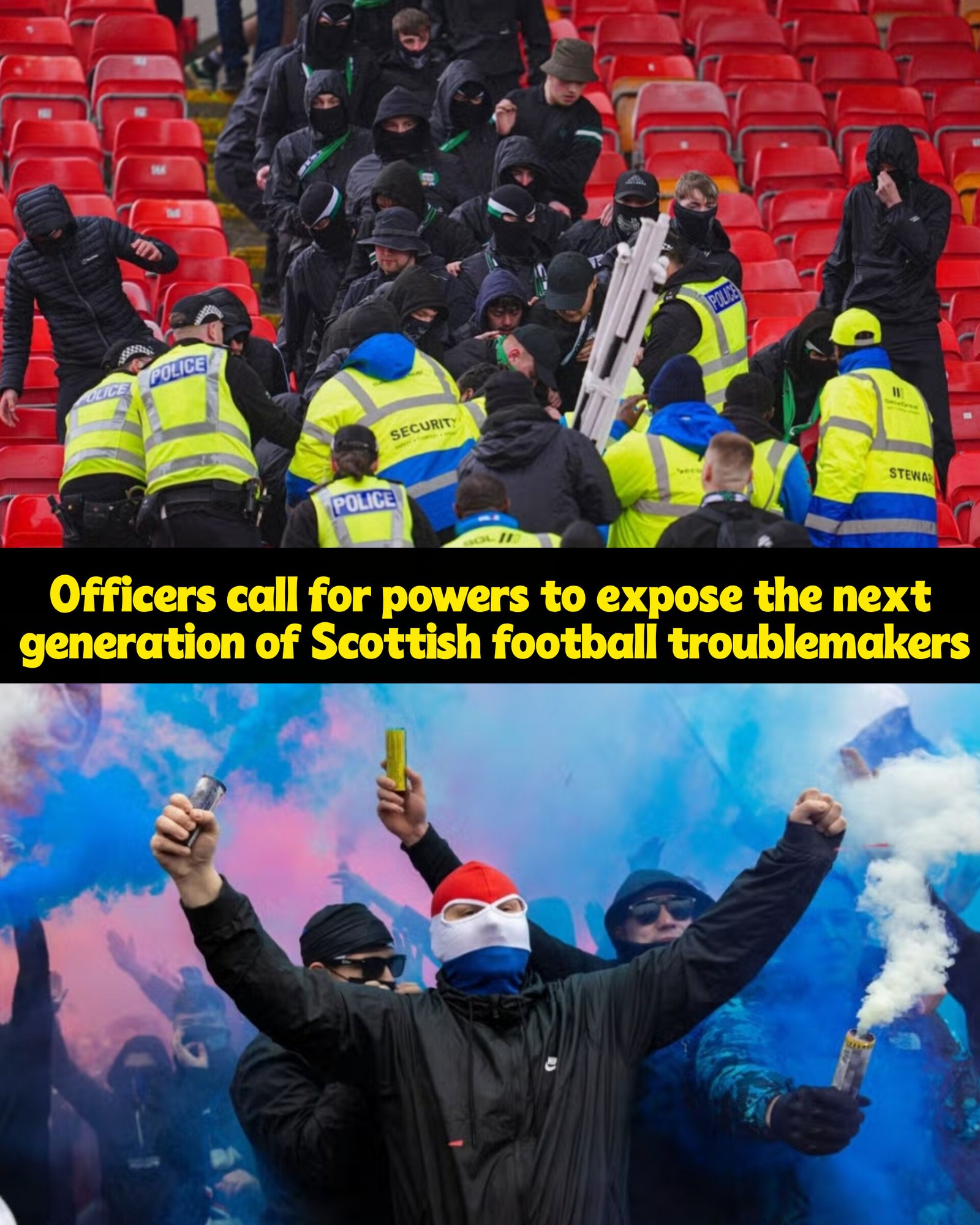
Scottish clubs have experienced a growing number of incidents involving groups associated with Ultras, with some supporters adopting a distinctive appearance that includes black clothing, tracksuits and face coverings. The Scottish Police Federation, which represents officers working on the frontline, now wants legislation that would allow police to order individuals suspected of criminal activity to remove masks.
David Kennedy, the federation’s boss, believes officers need greater authority to identify people who deliberately conceal their faces during football-related disorder.
“We need police officers to have more powers to demask folk,” Kennedy said. He pointed to suggestions that CCTV could be used to identify offenders, but argued that such technology has limitations when individuals deliberately hide their faces.
He said more action was required to ensure football matches remain safe, insisting that effective policing depends on having enough officers available at games.
Police Scotland currently has around 16,400 officers, which is almost 1,000 fewer than the number employed when the force was established in 2013.
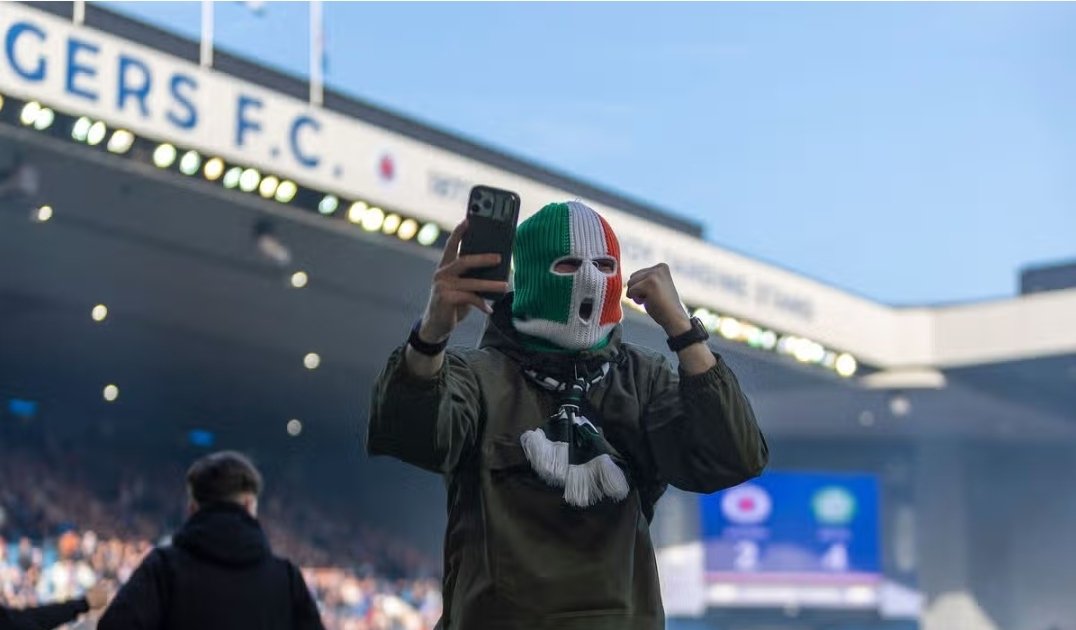
The Scottish Police Federation is demanding new powers to order hooligangs to remove their face covering
Kennedy said his preferred situation would be for clubs to take primary responsibility for what happens inside stadiums. However, he argued that this becomes difficult when supporters are involved in criminal behaviour.
He described the matter as a government responsibility and called for a standard legal power allowing police to instruct anyone believed to be involved in criminality to remove a face covering so they can be identified. Kennedy also believes refusing such an order should provide grounds for arrest.
Violence continues to trouble Scottish football
His comments come amid a series of violent incidents involving football supporters across Scotland.
Last week, reports highlighted the case of a father and son who admitted attacking a St Johnstone supporter following a match against Dundee. Sean Collins, 57, and his 31-year-old son Liam attacked Jamie Black at Whites Bar on Provost Road.
Black suffered serious injuries, including a broken jaw, fractured eye socket and damage to his kneecaps. He required surgery, including the fitting of a facial implant, and was unable to work for around 10 months.
Another serious incident occurred last month after Rangers defeated Celtic 3-0. A man was taken to hospital following a fight outside the Bristol Bar, a Rangers pub in Glasgow’s east end. Police investigations into the incident remain ongoing.
There have also been previous cases involving supporters who were banned from football grounds because of disorder. In June last year, two men received two-year football banning orders after being involved in an ambush on rival supporters at a pub.
Airdrie Sheriff Court heard how Airdrieonians supporter Cameron Patey had described getting a “buzz” from causing trouble.
Video footage from another incident showed bottles being thrown into a bar crowded with St Johnstone supporters. Scott Rae, the 47-year-old manager of the venue, later said he was fortunate to avoid being injured.
Patey, 22, Ryan Lawrence, 29, and Nathan Dunsmore, 26, admitted committing a breach of the peace on January 20, 2024. Patey and Lawrence, who already had previous convictions, were subsequently given football banning orders.
More clashes involving masked supporters
Violence has also occurred outside stadiums and pubs involving rival groups of supporters.
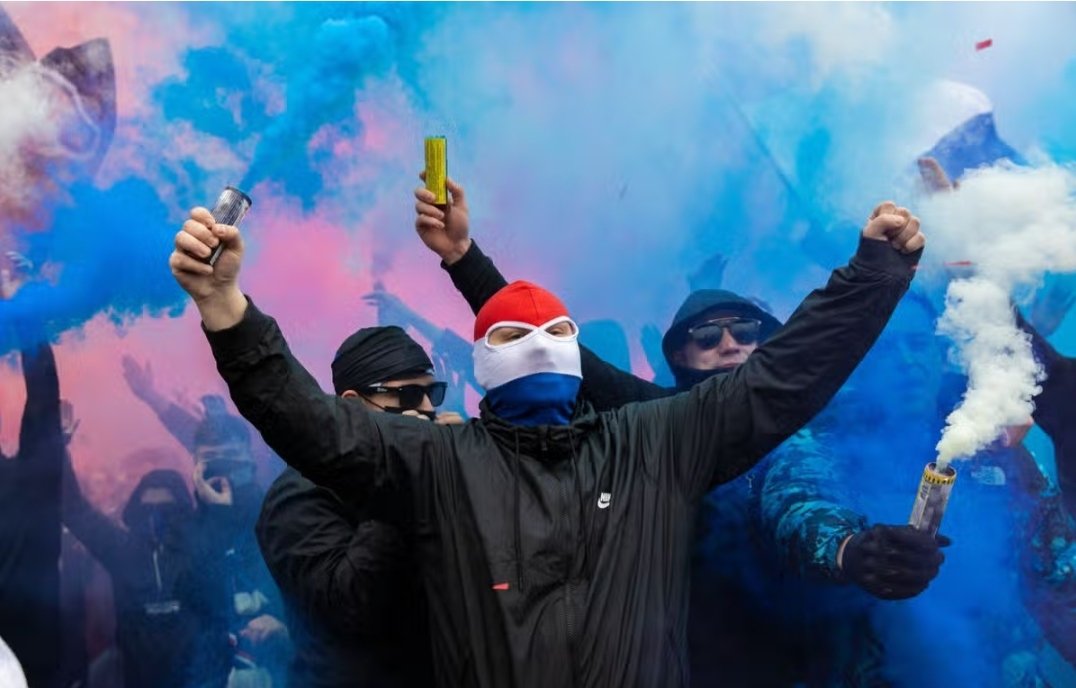
Scottish clubs have been hit by violence fuelled by Ultras
Before Aberdeen’s Premiership meeting with Rangers at Pittodrie in January, footage appeared to show approximately 50 Rangers supporters moving towards a police line separating them from Aberdeen fans. Many were dressed in black, while some had their faces covered with balaclavas.
Both groups moved past police officers and clashed before officers eventually restored control. No arrests were made in connection with that incident.
A separate mass confrontation occurred outside Gayfield Park in Arbroath during a match involving Arbroath and Greenock Morton in January. Social media footage showed individuals wearing hoods and face coverings throwing punches and kicks during the disorder. One teenager was subsequently charged.
The latest concerns emerged around Celtic’s home fixture against Hearts last weekend, when rival supporters became involved in a violent confrontation outside Celtic Park before the Premiership match.
Disturbing footage from the incident captured a woman screaming as fighting broke out between supporters.
There was further trouble after the match as fans left the stadium. A police officer was assaulted during an altercation and required hospital treatment.
A 23-year-old man subsequently appeared at Glasgow Sheriff Court in connection with the incident.
The repeated incidents have strengthened calls for authorities to take tougher action against supporters who use face coverings to conceal their identities.
For the Scottish Police Federation, giving officers clear statutory authority to remove masks could make it easier to identify offenders, deter criminal behaviour and improve safety around football grounds.
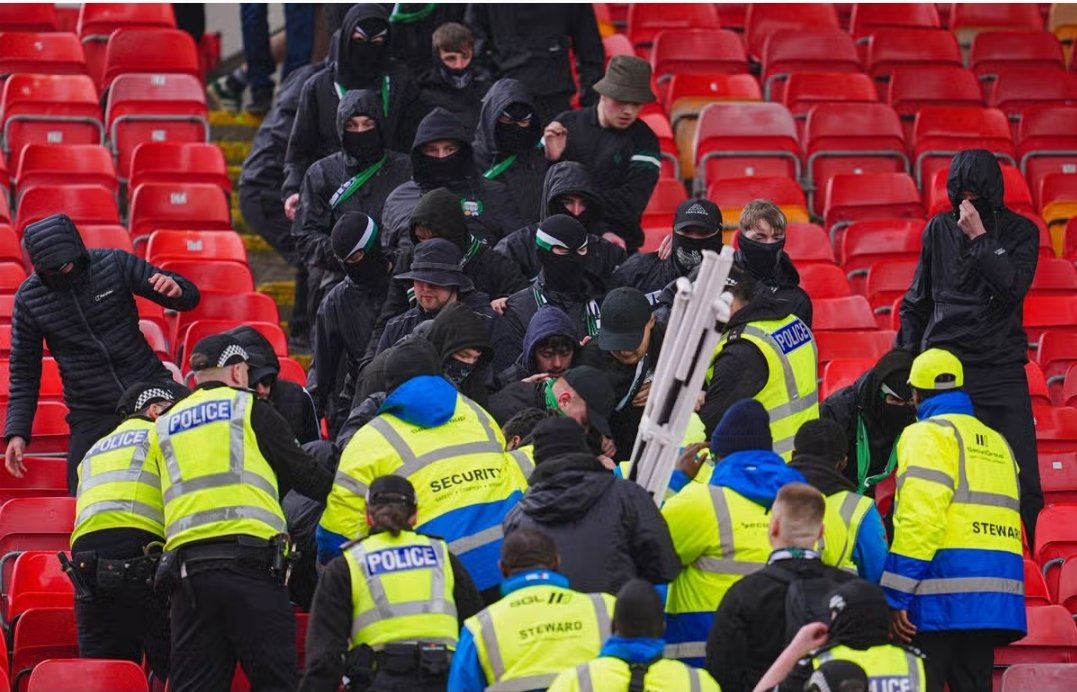
Hibernian fans clash with police and stewards(Image: SNS Group)
Kennedy believes increased police numbers will also be essential, arguing that meaningful progress cannot be achieved unless enough officers are available to police matches effectively.
-
 Blog8 months ago
Celtic issues a fiery VAR statement after Trusty’s red card appeal is dismissed, as furious chiefs release referee audio publicly.
-
 Blog1 month ago
Former official calls on SFA to contact Rangers over fan scenes during Celtic match, labeling them “completely unacceptable.”
-

 Blog8 months ago
Celtic informed their January signing under Martin O’Neill that he wouldn’t play a single minute this season.
-
 Blog8 months ago
Celtic issued an £83 million warning amid looming UEFA threats.
-
 Blog8 months ago
SFA Expected to Review Missed Penalty in Rangers v Celtic Clash
-
 Blog7 months ago
Police respond after reported disorder following Middlesbrough vs Millwall clash
-

 Blog1 month ago
Middlesbrough receive a warning following Steve Gibson’s submission of a £1.5bn proposal.
-

 Blog1 year ago
“Courtside to Aisle-Side: Tyrese Haliburton and Jade Jones Set New Wedding Date”