
Blog
Hearts chairman addresses “completely unacceptable” scenes, CEO search and club finances.

Hearts chairman Calum Paterson has spoken publicly for the first time since taking charge a year ago, addressing the controversial Celtic Park scenes, the ongoing search for a chief executive and the club’s financial position.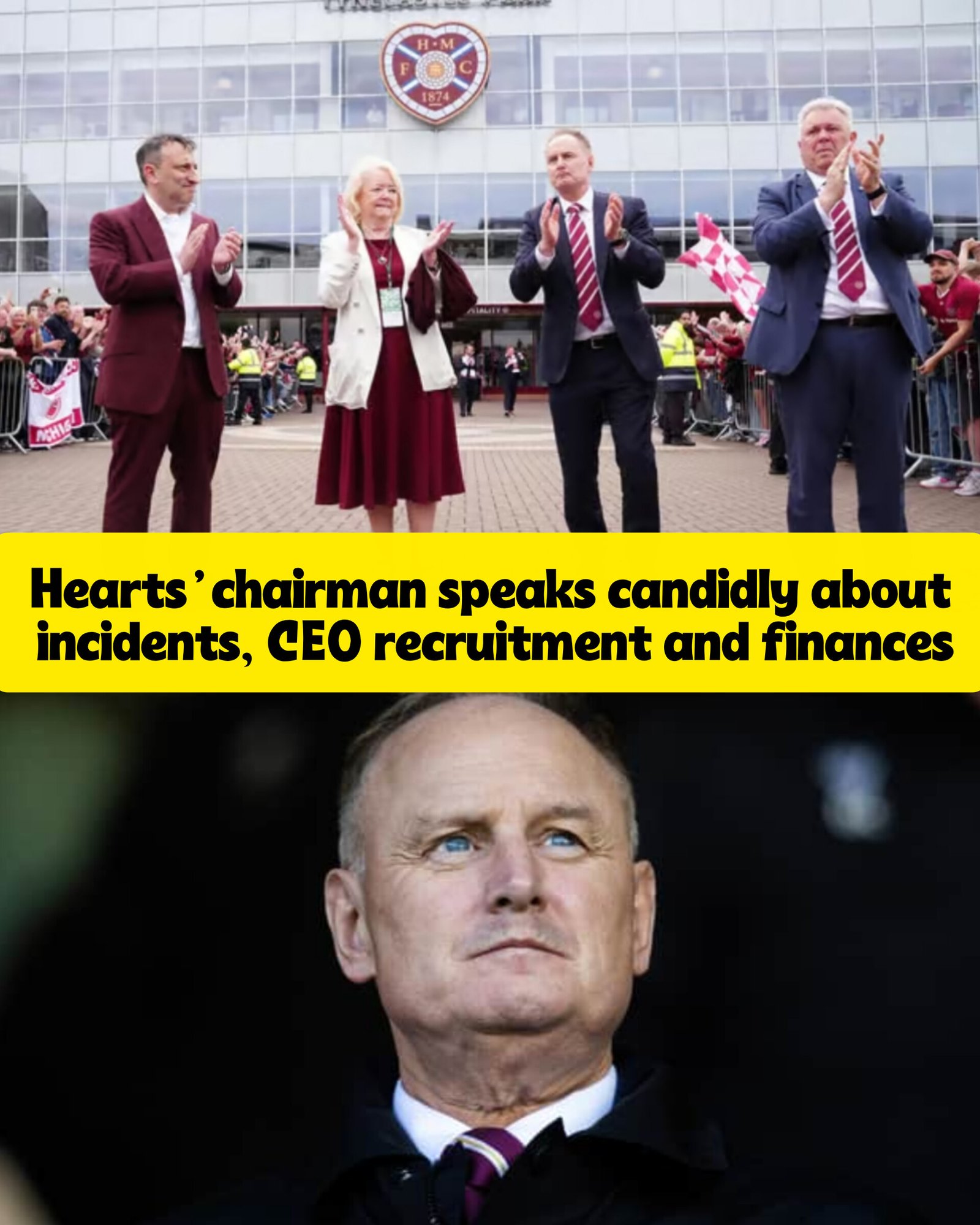
Paterson addresses Celtic Park controversy
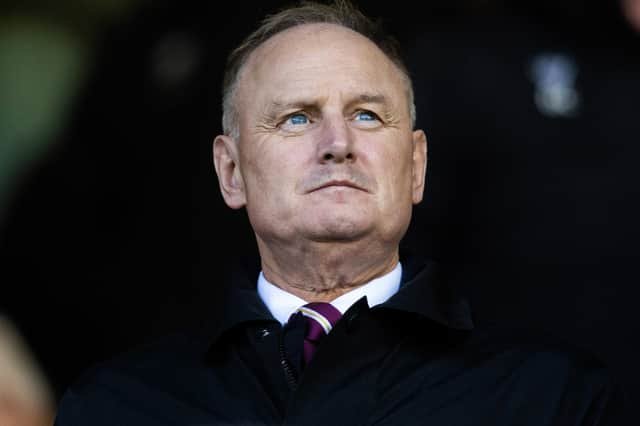
Heart of Midlothian chairman Calum Paterson has reflected on his first year in office. (Photo by Craig Foy / SNS Group) | SNS Group
Hearts lost 3-1 to Celtic in May, a result that ended their hopes of winning the Premiership title. The match was followed by a pitch invasion after Callum Osmand’s stoppage-time goal, with Hearts players approached by opposition supporters.
There was also controversy over whether the match should have been allowed to continue to its conclusion. Paterson admitted the circumstances were unacceptable and said Hearts had raised their concerns with the relevant football authorities.
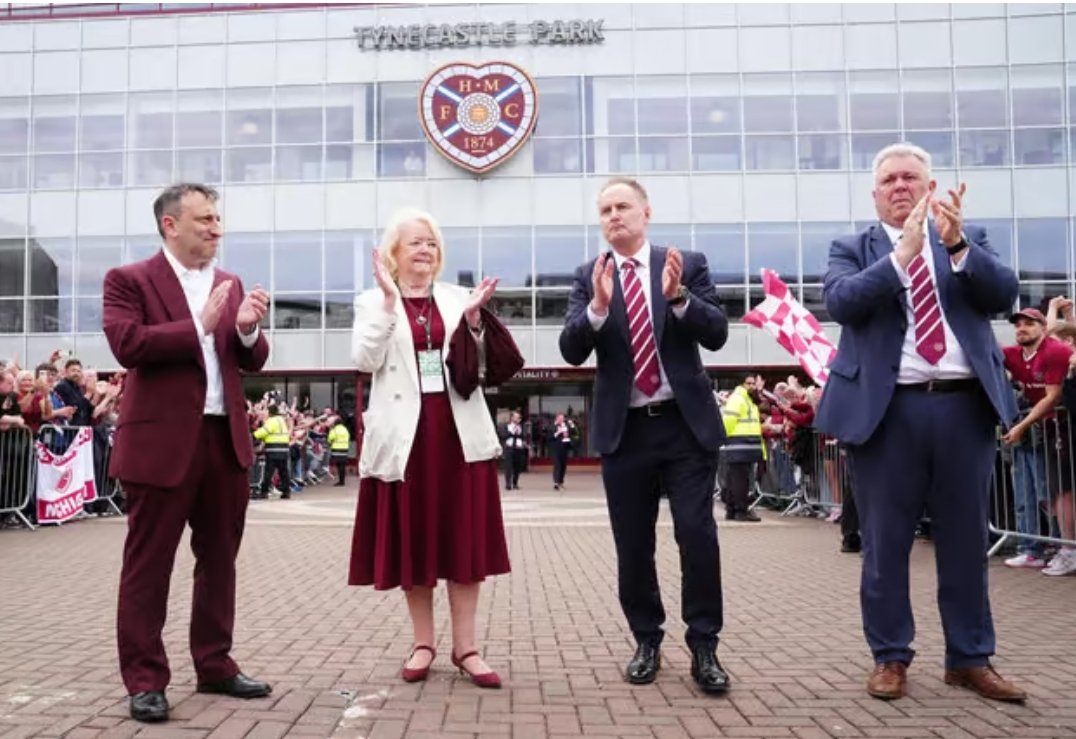
(Left to right) Heart of Midlothian minority owner Tony Bloom, former Heart of Midlothian owner Ann Budge, chairman Calum Paterson and CEO Andrew McKinlay, acknowledge the fans at Tynecastle Park in Edinburgh, after their team lost the Scottish Premier League championship decider against Celtic. Picture PA/Jane Barlow
He also believes Scottish football needs greater openness and consistency when important decisions are made.
Paterson accepted that supporters were frustrated by the limited information released by Hearts afterwards. However, he explained that an active police investigation into incidents involving the club’s players restricted what Hearts could say publicly.
Despite those limitations, he admitted the club could have communicated more effectively with supporters.
Paterson said Hearts ultimately decided to concentrate on the new season and their incoming management structure rather than allow the dispute to dominate the club’s future. Nevertheless, he stressed that Hearts had defended their interests and had not forgotten what happened.
Search for a new chief executive
Paterson also provided an update on the search for Andrew McKinlay’s replacement. McKinlay left his role as Hearts chief executive on August 31, prompting the club to begin a recruitment process for a successor.
Hearts want their next chief executive to understand the size and potential of the club while sharing its ambitions. The successful candidate will need commercial, strategic and organisational leadership qualities capable of helping Hearts enter their next stage of development.
Paterson stressed that the appointment is important and that the club intends to get the decision right rather than rush the process.
In the meantime, Hearts have confidence in their existing executive structure. Cat McCallum, Euan Forbes and Graeme Jones are leading the day-to-day operation, allowing the club to take additional time when selecting McKinlay’s successor.
Hearts prepare for another financial loss
The club’s financial situation was another subject addressed by Paterson. Hearts have recorded losses during each of the previous two years, with the deficit standing at £4.4 million in 2024 and £2 million in 2025.
The 2026 accounts are expected to show another loss, although Paterson insisted that the club remains financially stable.
One major factor has been the absence of European revenue during a period when Hearts continued investing heavily in their playing squad and wider football operation.
Paterson described that spending as deliberate, saying the necessary funding had been available. However, he acknowledged that Hearts must continue exercising financial discipline while increasing income and controlling expenditure responsibly.
The club’s return to European competition this season provides another opportunity to strengthen its financial position. Paterson said supporters would receive a fuller explanation once the latest accounts are formally published.
Further investment discussions underway
Hearts have benefited from substantial backing from benefactor James Anderson and shareholder Tony Bloom, and the club is now exploring the possibility of securing additional investment.
Paterson confirmed that discussions have already taken place and described them as positive, although he was unwilling to make premature announcements.
If completed successfully, further investment would strengthen Hearts’ financial position and provide additional resources for long-term development. However, Paterson stressed that any new funding would need to be used responsibly.
The objective would be to create a stronger football operation and provide sustainable resources for the club’s ambitions. Hearts are also developing a player-trading strategy that they expect to become increasingly important to their future financial sustainability.
Ambitions remain high at Tynecastle
Hearts are targeting consistent success rather than short-term achievements. The club wants to compete near the top of Scottish football, challenge for trophies regularly and establish a regular presence in European competition.
Paterson acknowledged that achieving those ambitions sustainably will require continued improvement across the football department.
Recruitment, player development and creating opportunities for academy prospects will all be important. Hearts also want to continue building on the progress achieved by their women’s team.
Their partnership with Jamestown Analytics is another important component of the strategy, helping the club make better-informed decisions across its football operation.
At the same time, commercial growth remains essential because Hearts need stronger revenues to support their sporting ambitions.
Paterson accepts there is significant work still ahead, but believes the club has a clear direction. The ultimate objective is success on the pitch alongside a football club that its supporters and wider community can take pride in.
-
 Blog8 months ago
Celtic issues a fiery VAR statement after Trusty’s red card appeal is dismissed, as furious chiefs release referee audio publicly.
-
 Blog1 month ago
Former official calls on SFA to contact Rangers over fan scenes during Celtic match, labeling them “completely unacceptable.”
-

 Blog8 months ago
Celtic informed their January signing under Martin O’Neill that he wouldn’t play a single minute this season.
-
 Blog8 months ago
Celtic issued an £83 million warning amid looming UEFA threats.
-
 Blog8 months ago
SFA Expected to Review Missed Penalty in Rangers v Celtic Clash
-

 Blog7 months ago
Police respond after reported disorder following Middlesbrough vs Millwall clash
-
 Blog1 month ago
Middlesbrough receive a warning following Steve Gibson’s submission of a £1.5bn proposal.
-

 Blog1 year ago
“Courtside to Aisle-Side: Tyrese Haliburton and Jade Jones Set New Wedding Date”