
Blog
Pundit dismisses controversial theory about Celtic goal.

Celtic’s opening goal against St Mirren has become a talking point, with particular attention focused on the role played by Yang before he produced an impressive cutback for Alex Oxlade-Chamberlain to finish.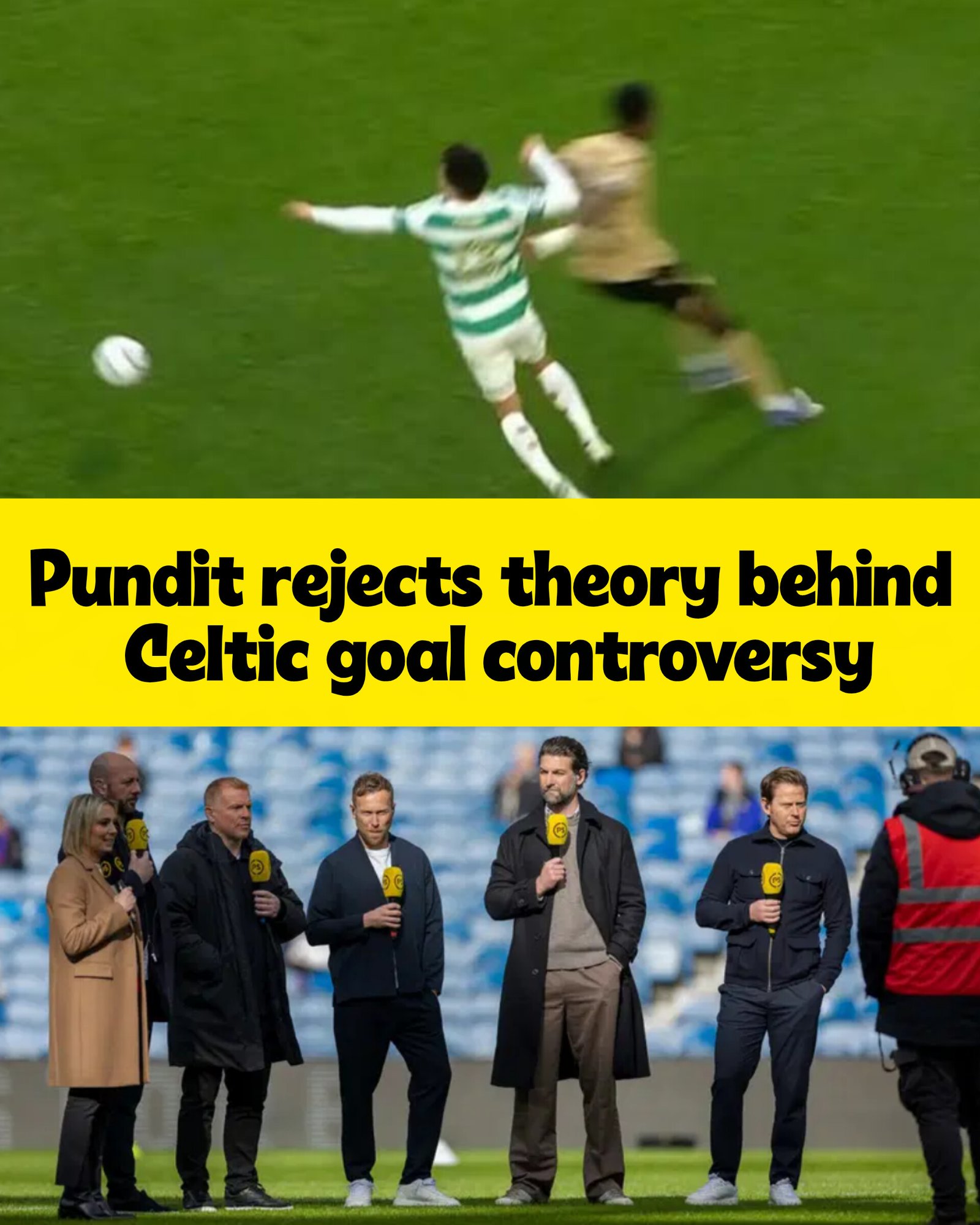
However, the debate has not simply been about the quality of the winger’s contribution. Questions have also been raised about the decision that allowed Celtic to begin the attacking move in the first place. Yang went down after an incident involving Paul Nsio, despite there appearing to be no contact between the two players. Referee Matthew MacDermid awarded Celtic a free-kick, a decision that has since attracted criticism.
Michael Stewart believes the referee got that call wrong. Nevertheless, the pundit does not agree that the incorrect free-kick should be treated as the decisive reason for Celtic scoring. In his view, too much happened after the restart for the original decision to be considered a material factor in the goal.
Speaking on the Scottish Football Social Club, Stewart accepted that the foul should not have been given, but highlighted the amount of play that followed before the ball reached the net. He also expressed surprise that MacDermid had awarded a free-kick when he was positioned so close to the incident.
“Touching quickly on the non-foul, there was enough play afterwards to say that it didn’t have a material impact on the goal, for me,” Stewart said.
He then questioned the referee’s judgement, pointing out how close MacDermid had been to the challenge.
“But the referee is standing two yards away from the incident.
“I have got no idea how he felt it was a free kick. It should never have been a foul.
“As I said, I don’t think it had much material effect because there was so much build-up play after it, but it was a poor one from the referee.”
Stewart’s assessment separates two issues that have become closely connected in the reaction to the goal. The first is whether Yang was fouled when he went to ground. The second is whether the decision to award Celtic a free-kick directly influenced the goal that followed.
On the first point, there is little defence of the referee’s call in the account of the incident. Yang appeared to go down without being touched by Nsio, meaning Celtic should not have received the set-piece. MacDermid’s position, reportedly only two yards away, has added to the criticism because he was close enough to have a clear view of what happened.
Celtic benefited from a decision that should not have gone their way. Supporters of the Hoops would likely have been furious if an opponent had won a similar free-kick against them.

8th March 2026; Ibrox Stadium, Glasgow, Scotland; Scottish Cup Football, Rangers versus Celtic; Premier sports panel of Alan Hutton, Neil Lennon, Scott Arfield, Charlie Mulgrew and Michael Stewart on the pitch
However, accepting that the decision was wrong does not automatically mean the goal should be viewed as nothing more than a product of the error. That is the distinction Stewart is making. Celtic still had to turn the restart into a successful attacking sequence, and St Mirren had further opportunities to prevent the move from ending in a goal.
After the free-kick was taken, the ball was worked forward and the move developed. Yang then had to take on his opponent and get beyond him before delivering the cutback into a dangerous area. Oxlade-Chamberlain was in position to complete the move, applying the finish that gave Celtic the opening goal.
Those actions required execution from the attacking players. St Mirren were still involved in the passage of play and had chances to defend the developing attack before Yang created the opening.
That does not remove the frustration for the visitors. A team can reasonably feel aggrieved when an opponent receives possession because of an obvious refereeing mistake, especially when the same sequence ends with the ball in the net.
The argument, therefore, is not that MacDermid made the correct call. Stewart has been clear that the free-kick should never have been awarded and has criticised the referee for missing the incident from such close range.
Celtic’s goal can consequently be assessed on two levels: the questionable decision that preceded it and the quality of the attacking work that followed. Yang’s contribution and Oxlade-Chamberlain’s finish deserve recognition, but they do not erase the fact that the Hoops benefited from an incorrect free-kick.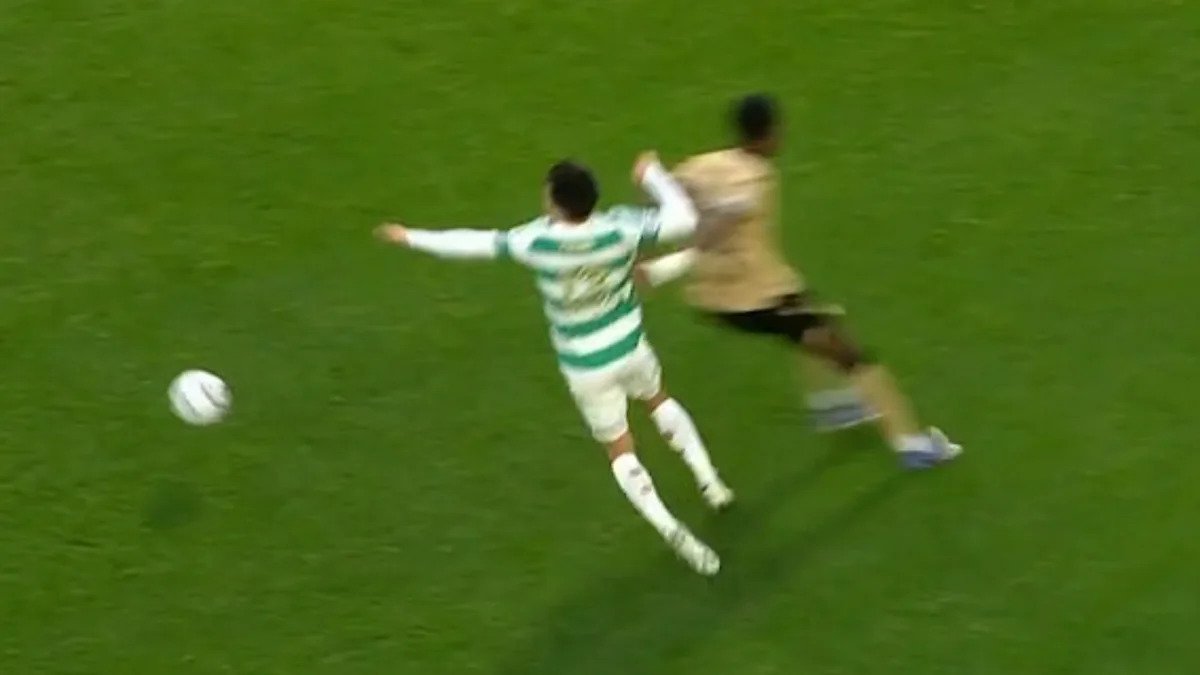
For St Mirren, the timing of the mistake will make the incident particularly difficult to accept. Stewart’s comments offer a measured position: the referee was wrong, but the subsequent build-up means the decision should not be blamed entirely for the goal. The discussion is therefore likely to continue, with St Mirren supporters focusing on the missed foul and Celtic fans pointing to the quality of the move that followed.
-
 Blog9 months ago
Celtic issues a fiery VAR statement after Trusty’s red card appeal is dismissed, as furious chiefs release referee audio publicly.
-
 Blog2 months ago
Former official calls on SFA to contact Rangers over fan scenes during Celtic match, labeling them “completely unacceptable.”
-

 Blog9 months ago
Celtic informed their January signing under Martin O’Neill that he wouldn’t play a single minute this season.
-

 Blog9 months ago
Celtic issued an £83 million warning amid looming UEFA threats.
-
 Blog9 months ago
SFA Expected to Review Missed Penalty in Rangers v Celtic Clash
-

 Blog8 months ago
Police respond after reported disorder following Middlesbrough vs Millwall clash
-

 Blog2 months ago
Middlesbrough receive a warning following Steve Gibson’s submission of a £1.5bn proposal.
-

 Blog1 year ago
“Courtside to Aisle-Side: Tyrese Haliburton and Jade Jones Set New Wedding Date”