
Blog
Celtic chiefs left to weigh Wilfried Nancy’s future after Rangers expose failing tenure

Under ordinary circumstances, a Rangers victory of this magnitude at Celtic Park would dominate every headline. A 3–1 Old Firm triumph, the club’s most emphatic away win over their rivals in more than a decade, would normally be framed as a turning point for the blue half of Glasgow. But Scottish football is rarely straightforward, and this result has instead shone an unforgiving spotlight on Celtic’s rapidly deteriorating situation.
The focus, inevitably, falls on Wilfried Nancy.
Celtic’s defeat to Rangers has pushed their head coach firmly into crisis territory. The numbers alone are damning. Eight matches into his tenure, Nancy has overseen six defeats, with victories only coming against bottom-placed Livingston and a ten-man Aberdeen. For a club that began the season as reigning champions, that return is alarmingly inadequate.
The immediate aftermath of the Old Firm loss feels decisive. Over the next day or two, Celtic’s hierarchy must determine whether Nancy is afforded further time or whether the experiment is already at an end. When he was appointed just a month ago, the board publicly committed to his vision following Brendan Rodgers’ exit. That confidence now appears increasingly isolated, both among supporters and observers of the game.
What makes the situation more complex is that Celtic were not entirely outplayed for the full 90 minutes. In fact, the opening half at Parkhead offered fleeting evidence of promise. Celtic started brightly, pressing aggressively and slicing open the Rangers defence with regularity. Yang Hyun-jun’s early goal was deserved, but it arguably should not have been the only reward for their dominance. Wasteful finishing once again proved costly.

Rangers’ Youssef Chermiti places the ball past Celtic’s Kasper Schmeichel to put them 2-1 up. | Getty Images
As has become a worrying pattern under Nancy, the second half told a very different story. Rangers returned from the interval transformed. Danny Rohl, already earning a reputation for in-game adaptability, made adjustments that Celtic struggled to cope with. Youssef Chermiti struck twice, with Mikey Moore adding a third, as the visitors completely seized control. Celtic, once behind, appeared fragile and uncertain, folding under pressure as Parkhead grew tense and restless.
Defensive vulnerability has been the defining weakness of Nancy’s Celtic. Eighteen goals conceded in eight matches tells its own story. His preference for a fluid, high-risk 3-4-3 system has left the team exposed far too often. While the shape can look exciting in possession, it has repeatedly collapsed when opponents attack with pace and clarity. Players appear unsure of their roles, and errors have multiplied as confidence drains away.
Despite this, Nancy has continued to search for positives, suggesting a complete performance is close. That optimism feels increasingly disconnected from reality. Results have deteriorated sharply, and performances lack resilience. Celtic now sit six points behind leaders Hearts, with Rangers level on points in second place. When Nancy arrived, Celtic were joint-top and held a commanding advantage over their rivals from Ibrox. That cushion has evaporated at alarming speed.
Much of the frustration stems from how abruptly Celtic abandoned the stability built under caretaker manager Martin O’Neill. During his brief spell, O’Neill guided the team to seven wins from eight matches, restoring belief and structure at a turbulent time. Nancy’s decision to immediately discard that framework and impose a complex new system on a squad already low on confidence now appears reckless. Doing so during a congested run of fixtures against strong opposition only amplified the risk.
To be fair, Nancy did not inherit ideal conditions. He stepped into a club fractured by supporter unrest, facing ongoing protests against the board and criticism of recruitment decisions. The squad itself is not flawless, with clear gaps in key areas. Yet there remains sufficient quality to dominate domestically. O’Neill’s short stint demonstrated that much. The argument that this group is incapable of success no longer holds.

Rangers boss Danny Rohl consoles his Celtic counterpart Wilfried Nancy. | Getty Images
As discontent grows, attention is already turning to potential alternatives. Many supporters would welcome a return for O’Neill, even at 73, particularly if accompanied by trusted assistants Shaun Maloney and Mark Fotheringham, both of whom were dismissed upon Nancy’s arrival. Ultimately, the decision rests with Dermot Desmond, the club’s principal powerbroker, who personally sanctioned Nancy’s move from Columbus Crew.
Across the city, Rangers are quietly benefitting from the chaos engulfing their rivals. Hearts, too, will hope Celtic’s instability continues as they strengthen their grip on top spot. Rangers’ own progress under Danny Rohl has been notable. Since taking charge in late October, the German has overseen 13 league matches, with only one defeat, against Hearts. Until now, he lacked a defining victory. Beating Celtic so convincingly may prove to be exactly that.
Rangers struggled in the first half at Parkhead and were fortunate to trail by just one goal, thanks largely to goalkeeper Jack Butland. Their midfield was second best, and Celtic repeatedly found joy down the flanks. Rohl identified the issues quickly. At half-time, he reshaped his side and introduced Mohamed Diomande for Thelo Aasgaard, injecting energy and aggression. The impact was immediate and decisive.
Rohl’s strength has been his awareness of context. Unlike Nancy, he has adapted tactics to suit his squad rather than forcing players into an ill-fitting philosophy. Several individuals have improved markedly under his guidance, none more so than Youssef Chermiti. Signed from Everton for £8.5 million, the young Portuguese striker endured a difficult start to life in Glasgow. Under Rohl, he is beginning to look like a player reborn.
Chermiti’s movement and composure were central to Rangers’ comeback. His equaliser showcased intelligent timing, while his second goal demonstrated strength, anticipation, and calm finishing. Teenager Mikey Moore, another beneficiary of Rohl’s trust, capped the performance with a well-taken goal to seal the win.
That strike triggered wild celebrations among the travelling Rangers support and deepened the fury among home fans. Many turned their anger toward the directors’ box, demanding accountability. Outside the stadium, protests continued long after the final whistle, underlining the depth of feeling.
These two clubs are clearly heading in opposite directions. Rangers appear organised, adaptable, and increasingly confident. Celtic, by contrast, look lost, burdened by uncertainty and strategic missteps. Halting one of the worst runs in the club’s modern history may now require another managerial change.
Nancy will argue he needs time. After this defeat, however, there is little tangible evidence to support that claim. In Scottish football, patience is rare. At Celtic, it may already be exhausted.
Watch: Celtic players’ reaction to fan protests outside Parkhead.

Soccer Football – Scottish Premiership – Celtic v Rangers – Celtic Park, Glasgow, Scotland, Britain – January 3, 2026 Police officers prevent fans from interacting with Celtic board members REUTERS/Russell Cheyne
The scenes both inside and outside Celtic Park following the defeat to Rangers have been interpreted in different ways, but the truth lies somewhere between justified frustration and uncomfortable excess. What unfolded was not the behaviour of a reckless support, but rather a deeply emotional response from fans who feel worn down after months of disappointment.
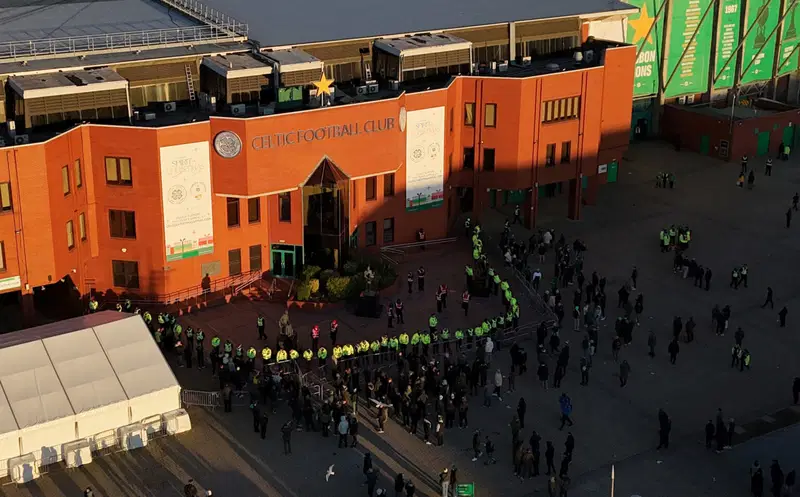
Soccer Football – Scottish Premiership – Celtic v Rangers – Celtic Park, Glasgow, Scotland, Britain – January 3, 2026 Drone view showing Celtic fans protesting outside the stadium after the match REUTERS/Lee Smith

Soccer Football – Scottish Premiership – Celtic v Rangers – Celtic Park, Glasgow, Scotland, Britain – January 3, 2026 Drone view showing Celtic fans protesting outside the stadium after the match REUTERS/Lee Smith


Soccer Football – Scottish Premiership – Celtic v Rangers – Celtic Park, Glasgow, Scotland, Britain – January 3, 2026 Rangers manager Danny Rohl celebrates after the match as Celtic manager Wilfried Nancy looks dejected REUTERS/Russell Cheyne

Soccer Football – Scottish Premiership – Celtic v Rangers – Celtic Park, Glasgow, Scotland, Britain – January 3, 2026 Celtic’s Auston Trusty looks dejected after the match REUTERS/Russell Cheyne

Soccer Football – Scottish Premiership – Celtic v Rangers – Celtic Park, Glasgow, Scotland, Britain – January 3, 2026 Celtic’s Callum McGregor and Yang Hyun-Jun look dejected after the match REUTERS/Russell Cheyne

Soccer Football – Scottish Premiership – Celtic v Rangers – Celtic Park, Glasgow, Scotland, Britain – January 3, 2026 Rangers manager Danny Rohl hugs Celtic manager Wilfried Nancy after the match REUTERS/Lee Smith

Soccer Football – Scottish Premiership – Celtic v Rangers – Celtic Park, Glasgow, Scotland, Britain – January 3, 2026 Rangers’ Thelo Aasgaard in action with Celtic’s Luke McCowan REUTERS/Lee Smith
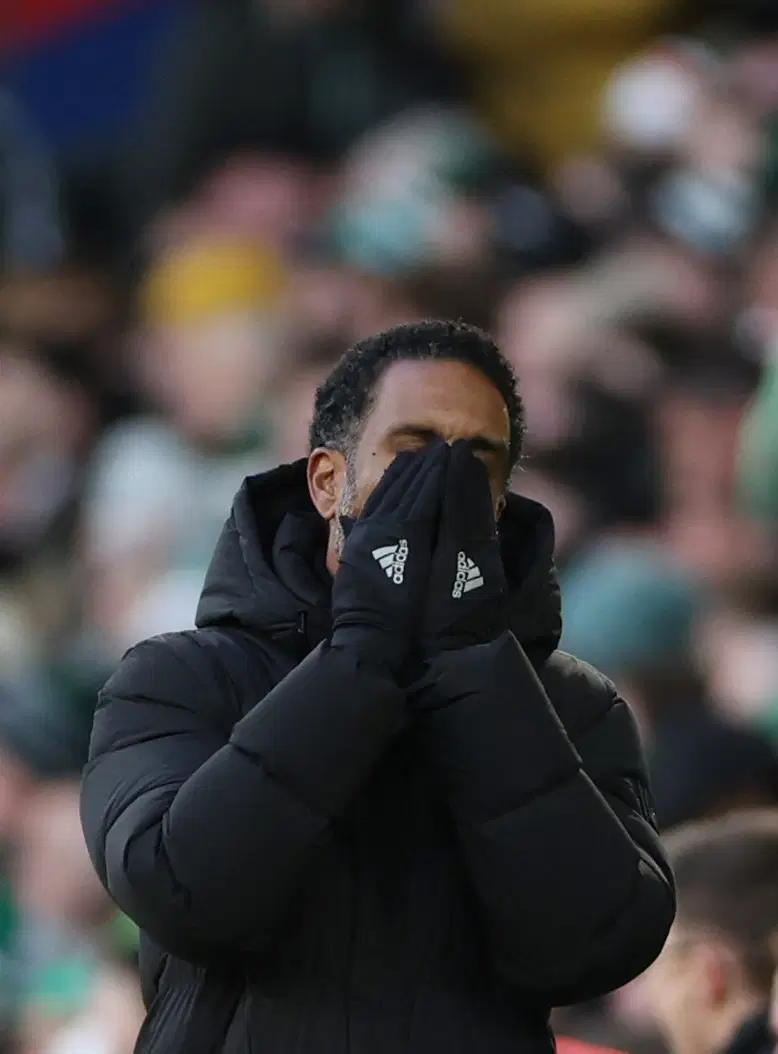
Soccer Football – Scottish Premiership – Celtic v Rangers – Celtic Park, Glasgow, Scotland, Britain – January 3, 2026 Celtic manager Wilfried Nancy looks dejected after Rangers’ Mikey Moore scores their third goal REUTERS/Russell Cheyne
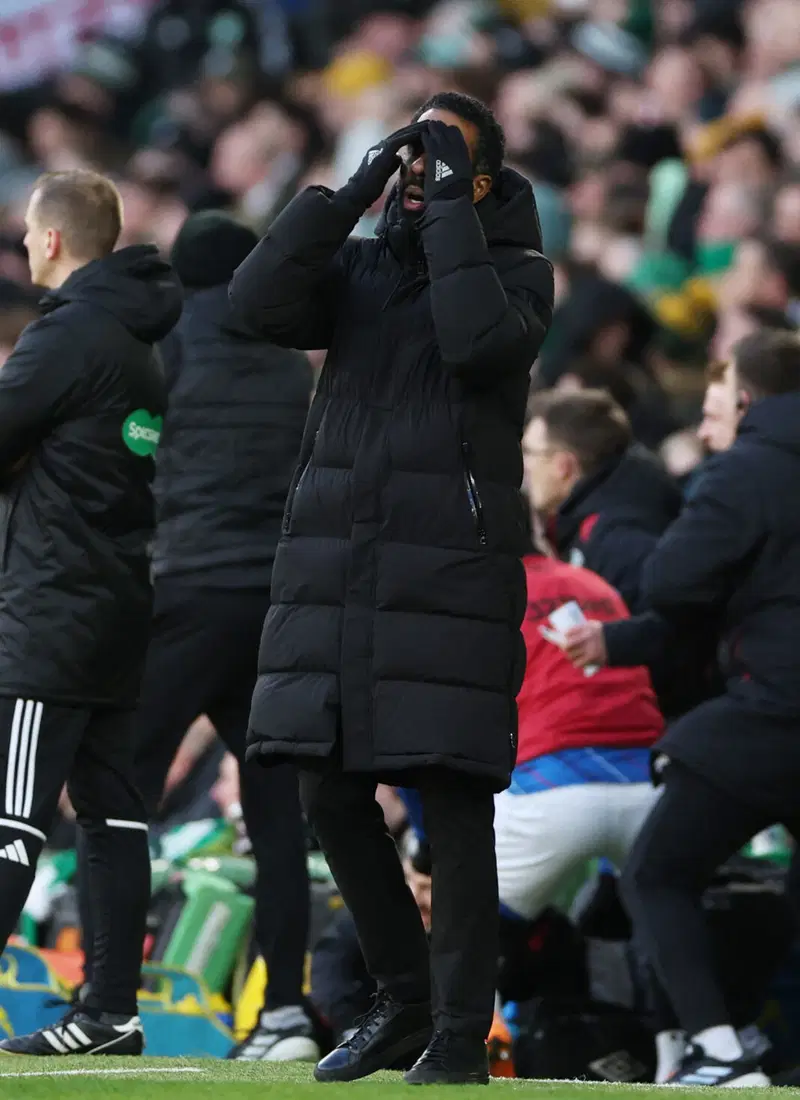
Soccer Football – Scottish Premiership – Celtic v Rangers – Celtic Park, Glasgow, Scotland, Britain – January 3, 2026 Celtic manager Wilfried Nancy looks dejected after Rangers’ Mikey Moore scores their third goal REUTERS/Russell Cheyne
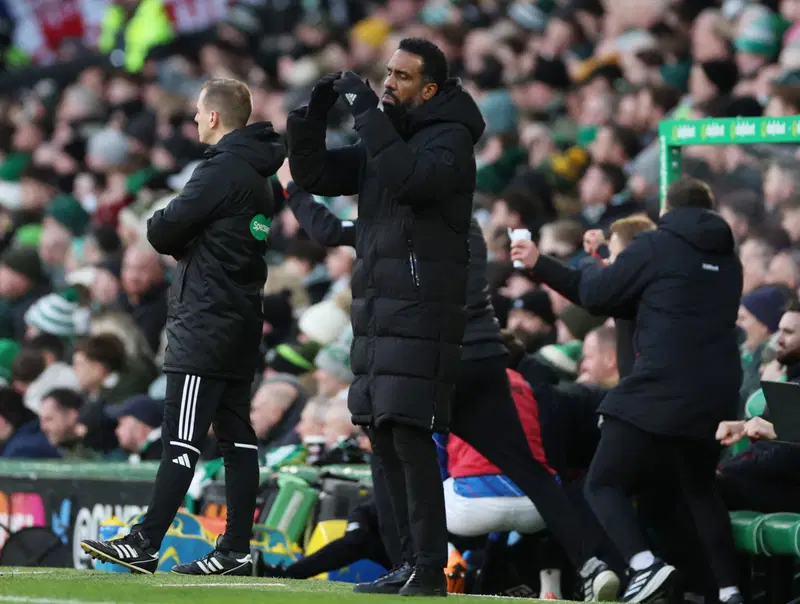
Soccer Football – Scottish Premiership – Celtic v Rangers – Celtic Park, Glasgow, Scotland, Britain – January 3, 2026 Celtic manager Wilfried Nancy looks dejected after Rangers’ Mikey Moore scores their third goal REUTERS/Russell Cheyne
For many supporters, this was not an eruption of sudden anger but the release of pressure that has been building throughout the season. There is a significant difference between outrage driven by impulse and frustration born of long-term concern, and what followed the Old Firm loss was very much the latter.
Joe Hart gets the biggest and only cheer from the couple of hundred or so who are still here.
“Can you teach Kasper Schmeichel a thing or two” was the shout from one punter.
Things have died down but those who are still here aren’t leaving until their voices are heard. pic.twitter.com/PSG1GY3IyY
— Ryan McDonald (@rmcd93) January 3, 2026
That said, some of the behaviour directed at Celtic players as they left the stadium clearly crossed a line. Verbal abuse aimed at individuals is never acceptable and rarely productive. It does nothing to restore confidence or improve performances, particularly for a squad already struggling with belief and cohesion. Watching players subjected to personal insults was uncomfortable and, in some cases, disheartening.
However, it would be overly simplistic — and unfair — to dismiss the reaction without understanding its roots. Celtic supporters invest heavily in their club. Week after week, they spend hard-earned money on tickets, travel across the country and beyond, buy merchandise, and commit emotionally in a way few football institutions can match. That financial and emotional commitment underpins the wages of the players and the running of the club itself.
When standards slip, supporters feel the impact deeply because they are not passive observers. They are stakeholders. For many fans, this season has strained that bond more than most. The frustration is not just about losing a derby match; it is about a perceived decline in performance, direction, and accountability.
The entire Celtic team are slaughtered as they finally depart the stadium.
There’s no stopping for autographs tonight as Callum McGregor, Kieran Tierney and the rest of the squad head for the car park. pic.twitter.com/0UtGnPP2v8
— Ryan McDonald (@rmcd93) January 3, 2026
The defeat to Rangers was simply the tipping point. It came after months of worrying trends — defensive frailties that go uncorrected, familiar mistakes repeated week after week, and a growing sense that lessons are not being learned. For supporters, it feels like watching the same problems resurface without meaningful solutions.
In that context, the anger was not born from a single poor afternoon. It was the culmination of patience that many believe has already been extended beyond reasonable limits. When fans gathered outside the stadium, emotions were raw, but they were rooted in a long-standing sense of disillusionment rather than fleeting rage.
As players made their way past supporters, the situation became increasingly uncomfortable. Some fans expected acknowledgment or an apology, but the scale and intensity of the crowd made that moment extremely difficult to navigate. With emotions running high and large numbers still present, stopping to engage carried the risk of escalating tensions rather than calming them.
From the players’ perspective, deciding how to respond in real time was far from straightforward. Any attempt to address the supporters could easily have backfired, particularly if it was perceived as insincere or poorly timed. Choosing to move on rather than engage was not necessarily an act of arrogance, but a judgement call made in a volatile environment.
That does not mean supporters are wrong to expect accountability. Wearing the Celtic shirt comes with a weight of expectation, and performances will always be scrutinised against the club’s history and standards. Players understand this when they sign, and criticism — when expressed constructively — is part of the job.
Yet there is a broader issue beneath the surface. Many fans feel that players are insulated from consequences, while supporters are repeatedly asked to show patience without seeing tangible progress. When communication is poor and results fail to improve, trust erodes quickly.
From the players’ side, it is important to remember that footballers are not immune to criticism. They feel pressure, disappointment, and anxiety just like anyone else. Being confronted by anger en masse after a defeat can entrench fear rather than inspire a response, particularly when confidence is already fragile.
This is where balance becomes crucial. Supporters have every right to express frustration, but the manner in which it is expressed determines whether it leads to positive change or further disconnect. Passion has always been a defining feature of Celtic’s identity, but that passion must be channelled carefully to avoid deepening divides.
The events following the Rangers defeat cannot be ignored by the club’s hierarchy. When frustration spills over in such a visible way, it signals deeper problems related to trust, direction, and communication. These are not issues that can be resolved with platitudes or short-term fixes.
Celtic has always been a supporter-driven club. At its best, that connection pushes players to exceed expectations and holds decision-makers to account. At its worst, when belief fades, the same passion can turn inward and become destructive.
What happened at Parkhead should be treated as a moment for reflection rather than conflict. Players, supporters, and the club itself all share responsibility for what happens next. Blame alone will not move the club forward, but neither will pretending everything is fine.
Soccer Football – Scottish Premiership – Celtic v Rangers – Celtic Park, Glasgow, Scotland, Britain – January 3, 2026 Police officers prevent fans from interacting with Celtic board members REUTERS/Russell Cheyne
Anger on its own will not repair a season that has drifted off course. Equally, silence and blind patience will only deepen the sense of disconnection. The challenge for Celtic now is to transform frustration into constructive pressure — pressure that demands improvement without sacrificing unity.
The club’s strength has always been built on a shared sense of purpose between those on the pitch and those in the stands. Rebuilding that trust will take honesty, accountability, and visible progress. Only then can the emotion witnessed after the Rangers defeat become a catalyst for change rather than a symbol of further decline.
How Much a Celtic Star Could Earn After Saudi Switch, According to Borson
Stefan Borson has outlined how a potential move to Saudi Arabia could dramatically increase the earnings of a key Celtic figure as speculation continues to grow ahead of the January transfer window.
Celtic are facing a pivotal period as new manager Wilfried Nancy assesses his squad and prepares to make changes following a challenging start to his tenure at Parkhead. While the Frenchman is eager to bring in fresh reinforcements, attention has instead turned to the future of club captain Callum McGregor, who has been linked with a surprise switch to the Saudi Pro League.
The 32-year-old midfielder, a long-serving and influential presence at Celtic, has reportedly attracted interest from Al-Qadsiah. The Saudi club are now managed by former Hoops boss Brendan Rodgers, who left his role in Glasgow in October and was appointed earlier this month. Rodgers is believed to be keen on reuniting with McGregor, having worked closely with him across two spells in charge at Celtic.
Financial expert Stefan Borson, formerly an adviser at Manchester City, has provided insight into what such a move could mean financially for the Scotland international. Speaking exclusively to Football Insider, Borson suggested that McGregor could see his take-home pay rise to as much as four times his current earnings if he were to relocate to Saudi Arabia.
Borson explained that Scottish clubs generally operate on comparatively modest wage structures, which immediately places players at a disadvantage when competing with overseas leagues. When combined with the favourable tax conditions offered in Saudi Arabia, the financial gap becomes even more pronounced.
According to Borson, a transfer itself would not present major difficulties if all parties were aligned. Should McGregor express a willingness to move and Celtic receive a fee they are satisfied with, the deal would be relatively straightforward to complete.
However, Borson pushed back on claims that Saudi wages are as inflated as some reports suggest. While the salaries on offer may not always reach the eye-watering figures often quoted, he believes they are still significantly higher than those typically earned by players in the UK.
In his view, players moving to Saudi Arabia can usually expect to earn around double their British salary on paper. Crucially, because those earnings are tax-free, the actual amount received by the player is substantially greater. Once taxation is factored in, Borson estimates that the real financial benefit can equate to roughly four times what a player would take home in Scotland.
McGregor has been a central figure at Celtic throughout his career, making 547 appearances for the club and captaining the side through multiple domestic successes. His potential departure would represent a major moment for the club, particularly given his leadership role and deep connection to the supporters.
Adding further fuel to the speculation, former Aberdeen chief executive Keith Wyness has also weighed in on the situation. Speaking to Football Insider, Wyness said he expects McGregor to follow Rodgers to Saudi Arabia, suggesting the managerial appointment could prove decisive in persuading the midfielder to consider a move abroad.
Despite the clear financial incentives, Borson also highlighted that there are complications players must consider before committing to a Saudi switch. One key issue revolves around tax residency rules, which require players to remain outside the UK for a set period in order to fully benefit from the tax advantages.
Borson noted that this requirement can often be a stumbling block, as it is not as simple as spending a short stint overseas. Players may need to stay in Saudi Arabia for at least two years before their tax situation becomes fully clear, making the decision less straightforward than it might initially appear.
Nevertheless, from a purely financial standpoint, Borson believes there would be no obstacle to meeting McGregor’s wage expectations. He also suggested that Rodgers, now settling into his new role, is likely to seek familiar faces as he adapts to the demands of managing in a different climate and league.
McGregor’s long-standing relationship with Rodgers could therefore play a significant role. The midfielder spent five years playing under the Northern Irishman during his two periods in charge at Celtic, developing into one of the most reliable and respected players in the squad.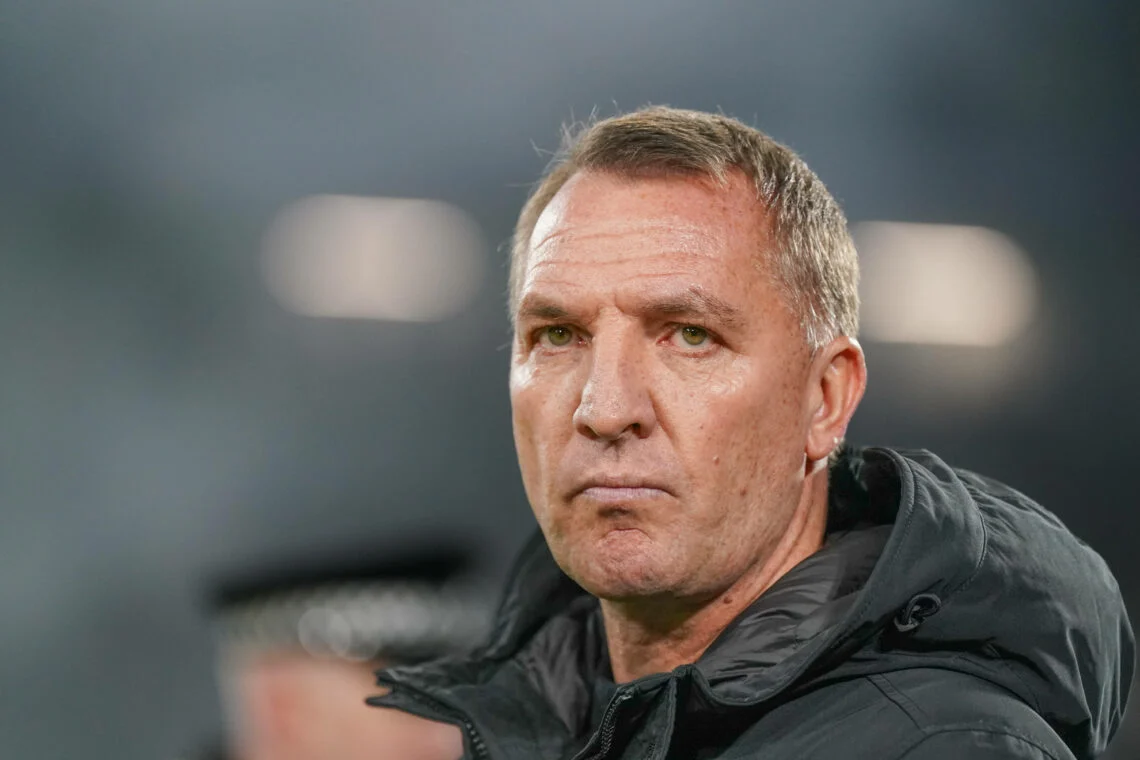
As January approaches, Celtic face important decisions both in terms of recruitment and potential departures. Whether McGregor ultimately chooses to remain at Parkhead or embark on a lucrative new chapter in Saudi Arabia could have major implications for Nancy’s plans and the club’s direction for the remainder of the season.
Referee team revealed for explosive Celtic–Rangers derby
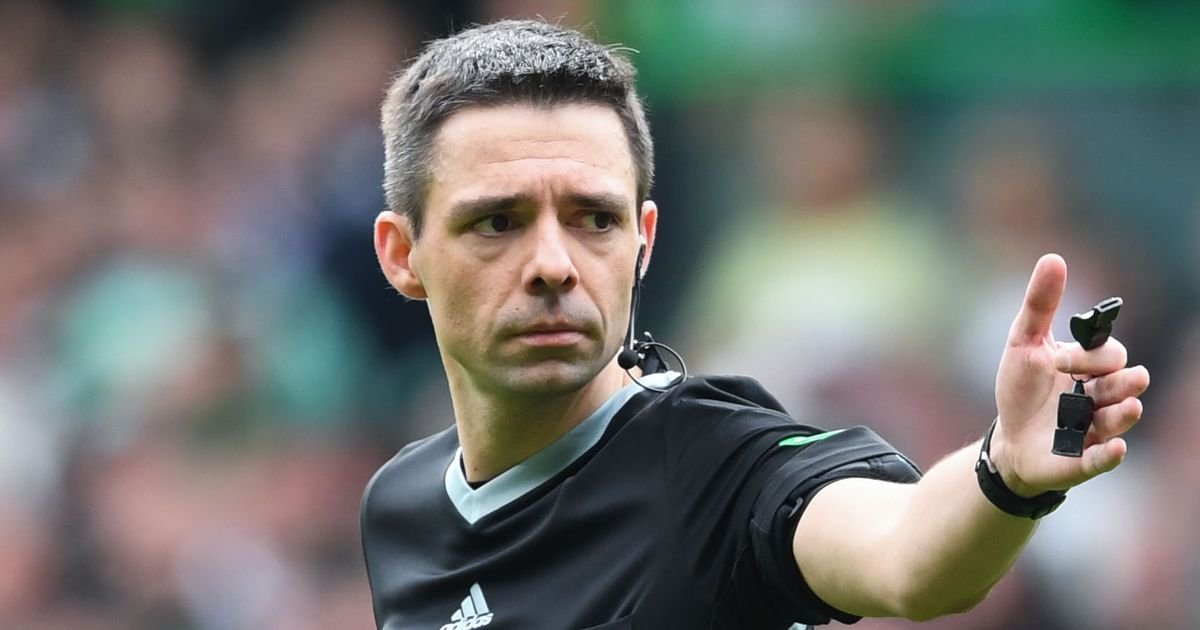
Kevin Clancy
The Scottish FA has confirmed the full officiating lineup for this weekend’s highly anticipated Old Firm derby between Celtic and Rangers.
The two Glasgow rivals are set to meet at Parkhead on Saturday lunchtime in a William Hill Premiership clash, with kick-off scheduled for 12:30pm. Steven McLean has been appointed as the referee for the fixture, taking charge of proceedings on the pitch. He will be supported by assistant referees David McGeachie and Jonathan Bell along the touchlines.
Video Assistant Referee responsibilities will fall to Kevin Clancy, who will be assisted by Grant Irvine in the VAR hub, ensuring key decisions are closely monitored during what is expected to be a fiercely contested encounter.
Kevin Clancy
Celtic go into the derby under mounting pressure after a disappointing 2-0 defeat away to Motherwell on Tuesday night. That result has further intensified scrutiny on head coach Wilfried Nancy, who has endured a difficult start to life at Parkhead. Since taking charge four weeks ago, the Frenchman has overseen five defeats in seven matches, leaving supporters increasingly concerned about the team’s form and direction.
Despite the recent struggles, Nancy remains determined to approach his first Old Firm derby with confidence and belief. Speaking ahead of the weekend, he underlined his awareness of the significance of the fixture and the emotions that surround it.
“I know Celtic against Rangers,” Nancy said. “I understand that this is a rivalry game and I know exactly what it means. This is part of why I do this job – to be involved in matches like this. We want to play with passion and fully understand what it represents.”
He added that the focus will now shift firmly toward preparation and recovery following the midweek setback. “Tonight is tonight,” Nancy continued. “We now have more days to prepare, to rest, and to get ready to face this team properly.”
The upcoming derby represents a major test for Nancy, with the match marking his first experience of the Old Firm rivalry since arriving in Scotland. A positive result could help ease some of the tension surrounding his tenure, while another defeat would only increase the pressure.
Rangers, meanwhile, head into the contest with renewed confidence after securing a 2-1 victory over St Mirren at Ibrox earlier in the week. That win helped maintain their momentum in the league and ensured they remain firmly in the title conversation heading into the weekend.
Their manager, Danny Röhl, will be particularly motivated to claim a result at Parkhead as he looks to gain revenge for last month’s defeat to Celtic in the Premier Sports Cup semi-final. On that occasion, Celtic emerged 3-1 winners, denying Rangers a place in the final and adding extra edge to Saturday’s meeting.
With league points, pride, and momentum all at stake, the derby is shaping up to be a pivotal moment for both clubs. Celtic will be desperate to respond after recent disappointments and give their supporters something to celebrate, while Rangers will aim to capitalize on their rivals’ uncertainty and close the gap at the top of the table.
The appointment of experienced officials, including VAR oversight, reflects the importance of the occasion, as attention will be firmly fixed on every major decision. As ever, the Old Firm derby promises intensity, drama, and scrutiny in equal measure when Celtic and Rangers collide at Parkhead this weekend.
Wilfried Nancy considers MLS reunion as Celtic linked with move for former Barcelona defender
Celtic are reportedly exploring the possibility of bringing Bournemouth right-back Julian Araujo to Parkhead on loan, with head coach Wilfried Nancy keen to bolster his squad ahead of the second half of the season.
The 24-year-old Mexican international has found opportunities limited on the south coast this campaign, making just one appearance under Andoni Iraola. With the January transfer window about to open, Bournemouth are understood to be open to a temporary move that would allow the defender to gain regular playing time elsewhere.
Nancy is believed to be assessing his options as Celtic look to strengthen areas of concern, particularly on the right side of defence. Injuries have left the Scottish champions light in that position, with first-choice right-back Alistair Johnston having already suffered his second hamstring problem of the season.
Celtic short of options on the right
Johnston’s latest setback has once again exposed Celtic’s lack of depth at right-back, prompting the club to look at potential reinforcements. While Anthony Ralston remains a reliable squad option, the demands of domestic and European football mean additional cover could be required.
Araujo’s profile appears to fit Celtic’s needs. Though he featured regularly for Bournemouth last season, making 13 appearances in all competitions, his involvement has dropped significantly this time around. Despite being included in matchday squads, he has struggled to force his way into Iraola’s plans.
Reports suggest Bournemouth are willing to sanction a loan deal in January, allowing the defender to rebuild momentum and showcase his abilities in a new environment.
From MLS prospect to European experience
Araujo began his professional career in Major League Soccer, coming through the academy system at LA Galaxy. His performances in the MLS caught the attention of European clubs, leading to a move to Barcelona in 2023.
While he did not feature for the Catalan giants’ first team, he gained valuable experience during a loan spell with Las Palmas, where he played regularly in La Liga. His performances in Spain were enough to secure a permanent move to Bournemouth the following season, marking another step forward in his career.
Despite his promising trajectory, consistent minutes have been hard to come by this season, making a temporary exit increasingly appealing for both player and club.
International ambitions driving search for game time
Regular football is especially important for Araujo as he looks ahead to the 2026 World Cup, which will be jointly hosted by Mexico, the United States and Canada. The defender will be eager to cement his place in Mexico’s plans ahead of the tournament, and that goal may require a move away from Bournemouth in search of guaranteed playing time.
Araujo has already earned 16 caps for Mexico, having committed his international future to El Tri after initially representing the United States at youth level. He made a single senior friendly appearance for the USMNT in 2020 before switching allegiance the following year.
With competition for places expected to intensify ahead of the World Cup, securing consistent minutes at club level will be a priority.
Familiar face for Nancy
A potential move to Celtic would also reunite Araujo with Wilfried Nancy, who previously faced the defender during his time coaching in Major League Soccer. Nancy managed both CF Montreal and Columbus Crew and would be well aware of Araujo’s strengths from their MLS encounters.
That prior familiarity could play a role in Celtic’s interest, with Nancy potentially seeing the Mexican defender as a good fit for his tactical approach and physical demands.
Competition at Parkhead
If a deal were to be completed, Araujo would join a competitive environment at Celtic. He would be challenging Ralston and young defender Colby Donovan for minutes on the right side, while Yang Hyun-jun has also been deployed further forward as a wing-back option.
The opportunity to compete for a starting role at a club pushing for domestic success could be an attractive proposition for Araujo, particularly given Celtic’s need for reinforcements in that area.
January decision looming
As the transfer window approaches, Celtic are weighing their options carefully. A loan move for Araujo would represent a low-risk way to add depth and experience, while giving the player a platform to rediscover form and consistency.
With injuries mounting and the second half of the season fast approaching, the coming weeks could prove decisive in determining whether an MLS reunion is on the cards at Parkhead.
Pat Bonner makes surprising claim about Wilfried Nancy’s Celtic after Livingston win
Pat Bonner has offered an unexpected but glowing assessment of Wilfried Nancy’s Celtic after their dramatic victory over Livingston, drawing a comparison that few supporters might have anticipated.
Celtic emerged from Almondvale with a 4–2 win, but the manner of the performance was anything but straightforward. The Hoops found themselves trailing twice inside the opening ten minutes, leaving fans bracing themselves for a potentially uncomfortable afternoon. However, an explosive attacking response turned the game on its head before half-time. Benjamin Nygren struck twice, while Hyunjun Yang and Arne Engels also found the net in a breathless first-half display that ultimately secured all three points for the visitors.
While the match was nerve-racking for sections of the Celtic support, former Hoops goalkeeper Pat Bonner was left deeply impressed by what he saw from Nancy’s side. Rather than focusing solely on the defensive issues exposed early on, Bonner zeroed in on the team’s attacking intent and entertainment value. In doing so, he reached back into Celtic history to make a comparison that surprised many listening.
Bonner likened Nancy’s Celtic to the side managed by Tommy Burns during the 1996/97 season — a team remembered fondly for its flair, attacking ambition and willingness to take risks, even if that approach came with defensive vulnerabilities.
Speaking on BBC Radio Scotland at half-time, Bonner admitted he had been searching for a historical parallel as he watched the chaos unfold at Almondvale. He explained that the closest comparison he could find was Burns’ Celtic, particularly the team that featured the famous attacking quartet of Pierre van Hooijdonk, Paulo Di Canio, Jorge Cadete and Andy Thom.
According to Bonner, that Burns side was packed with attacking talent, with several players focused almost entirely on creating and scoring goals rather than contributing defensively. The result was often thrilling football, but it also left the back line exposed. Bonner suggested Nancy’s Celtic showed similar traits: exciting, bold and highly watchable, yet always susceptible to conceding goals.
He highlighted how, under Burns, Celtic were sometimes left with just four defenders trying to cope while the attacking players expressed themselves further up the pitch. It made for compelling viewing but also meant the team could be punished, particularly in big games. Bonner felt the same balance — or imbalance — was evident in Nancy’s current side, especially during the early stages against Livingston.
For many Celtic fans, the mention of Tommy Burns inevitably stirs feelings of nostalgia. Burns’ team from the mid-1990s is remembered not only for its attacking football but also for how close it came to delivering major success. In the 1996/97 campaign, Celtic pushed Rangers hard in the title race but ultimately finished five points adrift.
That season, Burns’ Celtic scored 78 league goals while conceding 32, underlining both their potency going forward and their defensive shortcomings. They recorded 23 wins, six draws and seven defeats, but crucially lost all four Old Firm derbies — a factor that proved decisive in the title race, as Rangers finished with slightly superior results overall.
Despite falling short in the league, Burns had already etched his name into Celtic folklore the previous season by ending a six-year trophy drought. The Scottish Cup triumph over Dunfermline in 1995 remains a cherished moment, cementing Burns’ legacy as a manager who restored pride and attacking identity to the club.
By invoking Burns’ Celtic, Bonner was not offering criticism so much as praise for the entertainment Nancy’s team provides. The comparison suggests a side willing to take risks, prioritise attacking football and thrill supporters — even if that approach occasionally comes at a cost. For a fanbase that values style as much as success, it was a compliment that carried real weight, even if it also served as a reminder of the fine balance between excitement and control.
-
 Blog4 weeks ago
Celtic issues a fiery VAR statement after Trusty’s red card appeal is dismissed, as furious chiefs release referee audio publicly.
-

 Blog1 month ago
Celtic informed their January signing under Martin O’Neill that he wouldn’t play a single minute this season.
-

 Blog4 weeks ago
Celtic issued an £83 million warning amid looming UEFA threats.
-

 Blog3 weeks ago
SFA Expected to Review Missed Penalty in Rangers v Celtic Clash
-

 Blog10 months ago
“Courtside to Aisle-Side: Tyrese Haliburton and Jade Jones Set New Wedding Date”
-

 Blog1 month ago
£6m star is looking to leave Rangers this summer and has already announced his next club publicly.
-

 Blog3 days ago
Rangers victory overshadowed by refereeing controversy
-

 Blog1 month ago
Auston Trusty under intense Celtic red card investigation amid new Hibs ‘punch’ claims and Rangers’ appeal review.