
Blog
Chris Sutton provides his verdict regarding Willie Haughey’s plan to invest in Celtic.

Chris Sutton has shared his thoughts on Willie Haughey’s proposal to invest more than £10 million into Celtic FC, admitting he feels “genuinely optimistic” about the initiative and what it could mean for the club’s future.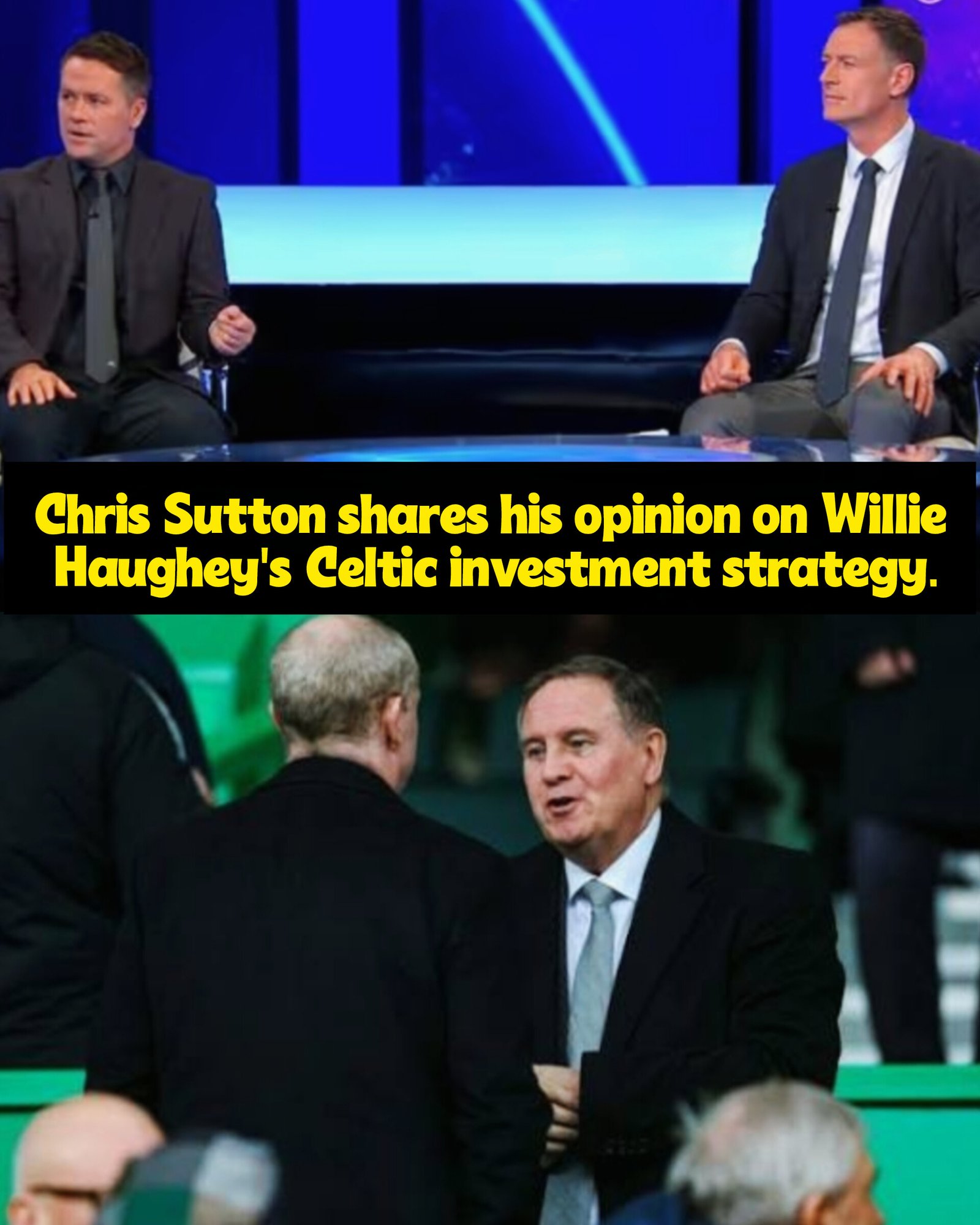
Haughey’s proposal centres around the creation of what is being called “The Celtic Season Ticket Alliance.” The concept is designed as a free membership group specifically for the club’s 54,000 season ticket holders. The idea behind the initiative is simple but ambitious: for every 10,000 supporters who sign up to the alliance, Haughey has pledged to invest £2 million in Celtic shares. If all targets are met, that could amount to a total injection of £10 million into the club.
Sutton believes the plan represents a bold and potentially transformative step. Speaking to RecordSport, he described it as a significant move intended to bring unity back to Celtic. According to Sutton, the proposal is about encouraging everyone connected to the club to move forward together, after what has been a turbulent period.
He acknowledged that it remains to be seen how the scheme will develop in practice, but maintained that his outlook is positive. In his view, this could serve as an important first move toward repairing divisions and restoring a sense of shared purpose within the club.
While some supporters have expressed doubt about the Season Ticket Alliance, Sutton was quick to defend Haughey’s credibility. He pointed out that Haughey is not only an experienced and intelligent businessman but also someone with a lifelong passion for Celtic. That combination, Sutton suggests, should not be dismissed lightly.
The former striker praised Haughey for being willing to back up his words with tangible financial commitment. By offering to potentially invest up to £10 million, Haughey is demonstrating a readiness to put substantial resources behind his vision. However, Sutton emphasised that the proposal is not solely about money.
In his opinion, the greater significance lies in empowering supporters. The structure of the plan would allow a considerable segment of the fanbase to acquire a meaningful shareholding in the club. That, in turn, would provide them with representation and influence — something many supporters have long desired.
Sutton noted that Celtic has experienced a period of fragmentation over the past year. Discontent among fans has grown, with concerns raised about how the club is managed and a perceived lack of openness from those at the top. Many supporters feel disconnected from decision-making processes and frustrated by limited communication.
Haughey’s initiative, Sutton argues, could help address those concerns. By distributing shares among season ticket holders through the alliance framework, supporters would gain a stronger voice in the governance of the club. Even if the immediate impact is modest, the symbolic importance of inclusion could be substantial.
Sutton suggested that what many fans truly want is transparency and regular dialogue, rather than sporadic updates. He alluded to frustrations over hearing only from interim leadership figures or reading occasional strong-worded statements posted on the club’s official website. In his view, that approach does not constitute meaningful engagement.
The Season Ticket Alliance could, over time, pave the way for more structured communication between the club’s hierarchy and its supporters. Sutton mentioned the possibility of proactive measures such as establishing a fan advisory board or creating consistent forums for discussion. Greater accountability and open channels of dialogue, he believes, would help rebuild trust.
Importantly, Sutton recognised that any meaningful change would likely take time. Transforming governance structures and restoring unity is not something that can happen overnight. Nevertheless, he sees Haughey’s proposal as a constructive starting point.
By aligning financial investment with supporter participation, the plan attempts to bridge the gap between ownership and fandom. It seeks to combine capital injection with democratic engagement — a blend that could reshape the relationship between Celtic and its supporters.
In summary, Sutton’s verdict is one of cautious but genuine optimism. While acknowledging scepticism and the practical challenges ahead, he views Haughey’s Season Ticket Alliance as a potentially positive step for Celtic. Beyond the promise of fresh funds, the initiative offers the prospect of a more inclusive and transparent future, one in which supporters feel they have a real stake — both financially and symbolically — in the direction of their club.
The SFA panel issues decision on Celtic and Rangers penalty appeals and the missed red card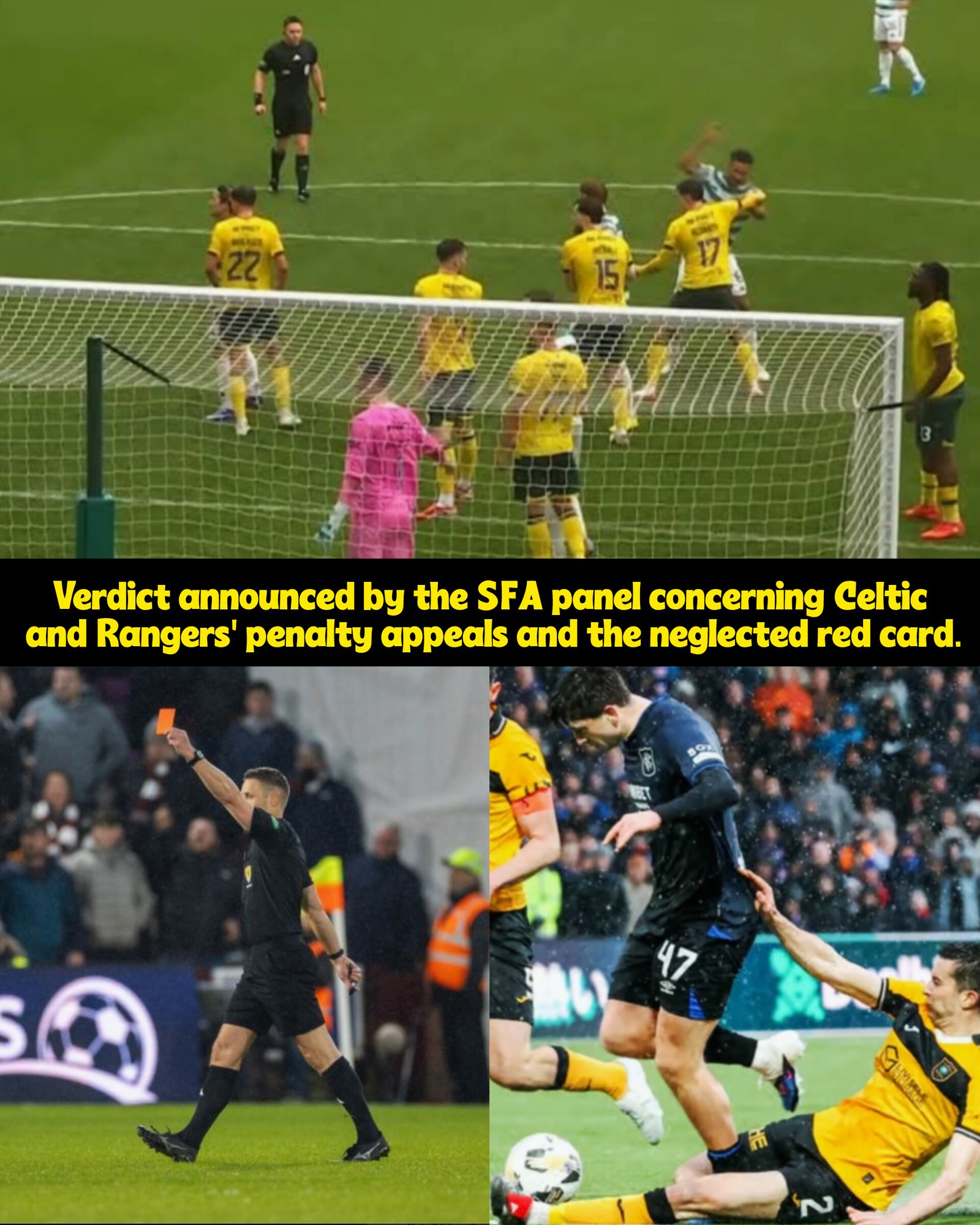
The Scottish Football Association’s latest Key Match Incident (KMI) panel has concluded that two VAR mistakes occurred in recent Scottish Premiership fixtures.
The panel reviewed 17 separate incidents from matches played between February 18 and 22, including the main talking points from Celtic’s clash with Hibernian and Rangers’ encounter with Livingston on Sunday.
Trusty Red Card Upheld
In Celtic’s 2-1 loss to Hibs, defender Auston Trusty was sent off for violent conduct following an altercation with Jamie McGrath. During a corner-kick, as the two players tussled for position, Trusty struck down on McGrath’s arm with his hand.
Referee Matthew MacDermid initially missed the incident but issued a red card after being alerted by VAR official Grant Irvine. Celtic challenged the decision, but their appeal was rejected by an SFA fast-track tribunal.
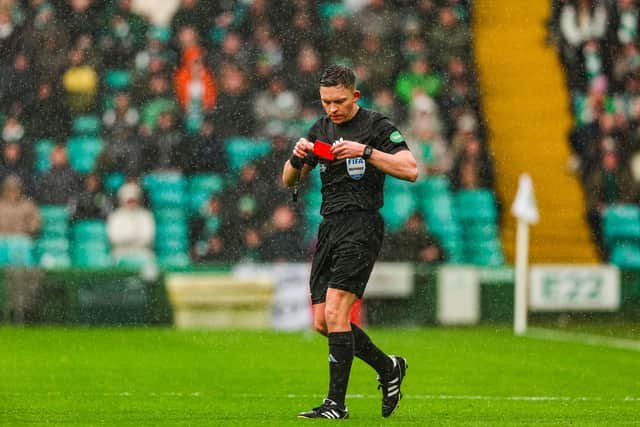
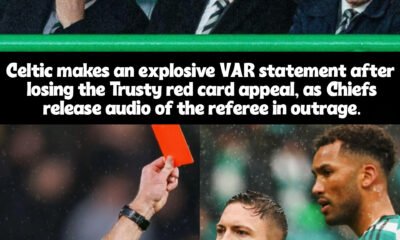
Referee Matthew MacDermid shows Celtic defender Auston Trusty a red card in the match against Hibs. | SNS Group
The KMI panel unanimously supported the officials’ call, agreeing that the red card for violent conduct was the correct decision.
Split Opinion on Celtic Penalty Claim
There was less agreement, however, over a separate incident in the same match. Celtic felt they should have been awarded a penalty when Hibs defender Jack Iredale appeared to pull Liam Scales’ shirt while the score was level at 1-1.
Celtic manager Martin O’Neill questioned the decision afterward, explaining that the referee had told him the hold was not sustained long enough to warrant a penalty. O’Neill suggested that grabbing an opponent’s shirt while they attempt to move toward the ball would previously have resulted in a spot-kick, but VAR opted not to intervene.
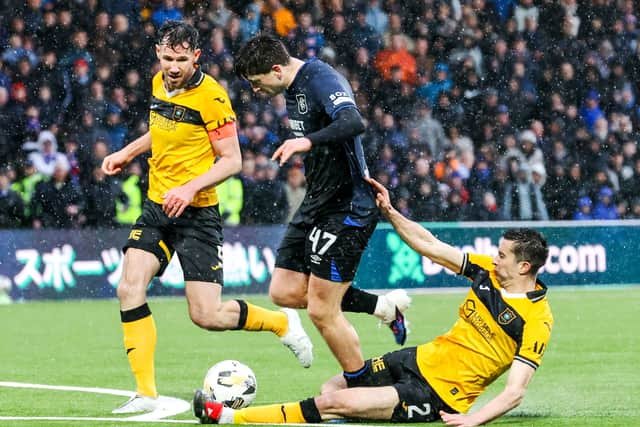
Rangers had this penalty appeal waved away in stoppage time when Cammy Kerr challenged Mikey Moore. | SNS Group
The KMI panel was divided on the matter. By a 2-1 majority, the panel concluded that the on-field decision not to award a penalty was correct. However, one member felt that VAR should have stepped in and recommended a penalty.
The official report noted that while most panel members agreed with the referee’s call, there was dissenting opinion that intervention was warranted.
Rangers Incident Sparks VAR Criticism
The KMI panel did identify a VAR error in the 2-2 draw between Livingston and Rangers at Almondvale.
The contentious moment occurred in the 94th minute. Rangers forward Mikey Moore was challenged by Cammy Kerr as he attempted a shot on goal, shortly after Rangers had come back from two goals down to level the match.
Referee Ryan Lee dismissed Rangers’ appeals at the time, and VAR official David Dickinson chose not to review the decision, even though replays appeared to show a clear foul. The initial contact between Kerr and Moore seemed to take place outside the penalty area, but the challenge continued into the box.
Much of the subsequent discussion focused on whether Rangers should have been awarded a penalty. The KMI panel was unanimous in its view that not awarding a penalty was the correct outcome.
However, the panel determined that VAR made an error by failing to recommend a red card for Kerr. They judged that the defender had denied Moore a clear goalscoring opportunity, and therefore VAR should have advised the referee to issue a dismissal.
Other Key Decisions Reviewed
The panel also examined an earlier red card in the same match. Livingston’s Cristian Montano had been sent off for a late challenge on Rangers winger Djeidi Gassama when the attacker was through on goal. The KMI panel agreed that this decision was correct.
In another case, St Mirren successfully appealed against the red card shown to Richard King during their 5-0 home defeat to Motherwell on Saturday.
Referee Callum Scott had issued the dismissal, but upon review, the KMI panel unanimously agreed that it was an error. They stated that VAR should have intervened during the match to recommend rescinding the red card.
Overall Findings
In total, the KMI panel assessed 17 separate incidents across the round of Premiership fixtures. While most decisions were deemed correct, two clear VAR errors were identified.
The first involved the failure to recommend a red card for Cammy Kerr in the Livingston versus Rangers match. The second related to Richard King’s dismissal in St Mirren’s loss to Motherwell, where VAR should have stepped in to overturn the decision.
Meanwhile, Celtic’s red card against Auston Trusty was fully supported by both the SFA tribunal and the KMI panel, and the majority of panel members backed the call not to award a penalty in their match against Hibs.
The findings underline the scrutiny placed on match officials and VAR in the Scottish Premiership, with the KMI panel continuing to review contentious decisions to ensure accountability and consistency in officiating standards
-
 Blog4 weeks ago
Celtic issues a fiery VAR statement after Trusty’s red card appeal is dismissed, as furious chiefs release referee audio publicly.
-

 Blog1 month ago
Celtic informed their January signing under Martin O’Neill that he wouldn’t play a single minute this season.
-
 Blog4 weeks ago
Celtic issued an £83 million warning amid looming UEFA threats.
-
 Blog3 weeks ago
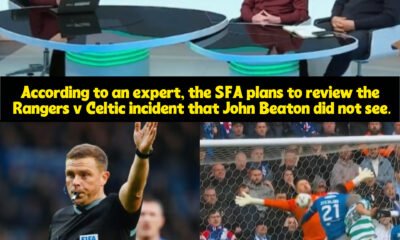
SFA Expected to Review Missed Penalty in Rangers v Celtic Clash
-

 Blog10 months ago
“Courtside to Aisle-Side: Tyrese Haliburton and Jade Jones Set New Wedding Date”
-
 Blog1 month ago
£6m star is looking to leave Rangers this summer and has already announced his next club publicly.
-
 Blog3 days ago
Rangers victory overshadowed by refereeing controversy
-

 Blog4 weeks ago
Auston Trusty under intense Celtic red card investigation amid new Hibs ‘punch’ claims and Rangers’ appeal review.