
Blog
Detroit Pistons’ success lies in the finer details that Orlando Magic lack.

Orlando Magic and Detroit Pistons were widely expected to ascend the Eastern Conference ladder together. Both franchises committed to youth-driven rebuilds, both accumulated promising lottery talent, and both appeared poised to peak around the same time. Instead, Detroit has uncovered the subtle but critical ingredients of winning basketball, while Orlando continues searching for them.
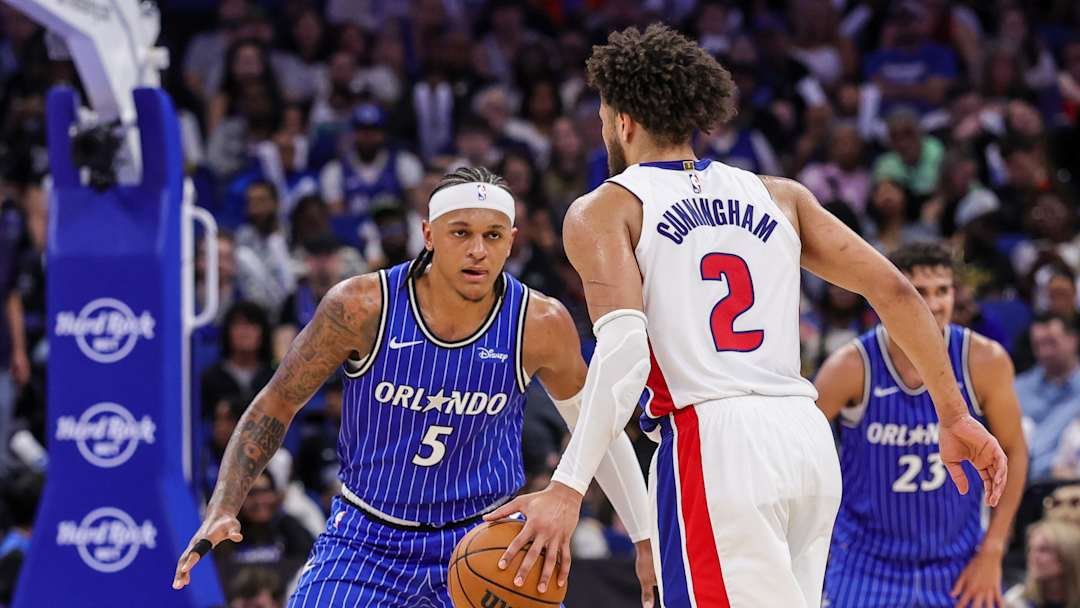
The Orlando Magic tried to stand up to the Detroit Pistons. But they again found themselves struggling to keep up as their offense hit a wall and they gave up another crucial run to fall for a second straight time. | Mike Watters-Imagn Images
Even after surrendering another third-quarter advantage—a recurring frustration for this group—the Magic showed resilience. Early in the fourth quarter, they clawed back to level the score at 83. It felt like a reset, a moment where the home side could regain control.
But momentum shifted almost immediately. After Detroit converted on two quick possessions, head coach Jamahl Mosley called a swift timeout. He reinserted his stars, Paolo Banchero and Wendell Carter Jr., signaling a clear intent: lean on your best players and close the game.
This matchup was supposed to showcase two emerging teams progressing in parallel. In preseason conversations, many viewed it as a preview of meaningful postseason battles to come. The narrative suggested both teams would grow together, mature together, and contend together.
Instead, what unfolded after that 83-83 tie exposed the widening gap between them.
Detroit responded with a decisive 14-2 surge. They executed possession after possession, capitalizing on Orlando’s errors—missed shots, careless turnovers, rushed decisions, and visible frustration. The final 106-92 scoreline at Kia Center reflected more than just a late scoring burst. It highlighted a difference in poise and precision during a defining stretch.
The Pistons approached adversity methodically. Each defensive stop flowed into a composed offensive set. Each basket reinforced their control. Orlando, by contrast, pressed. The more the game slipped, the more hurried their execution became. That composure gap is a major reason Detroit is battling near the top of the standings while Orlando is scrambling to stay out of the Play-In picture.
Turnovers told much of the story. The Magic committed 19 miscues, which Detroit converted into 26 points. Add 19 fast-break points, and the margin becomes clearer. Those giveaways erased the benefits of what was otherwise a strong defensive effort from Orlando.
Mosley summarized the damage succinctly afterward, calling those 26 points “points of pain.” He acknowledged Detroit’s physicality—how they reach, swipe, and pressure relentlessly—and credited their defensive intensity as a defining trait of the conference’s top team. For Orlando, he emphasized, valuing each possession in games of this magnitude must improve.
The disparity was not solely about star production, though that also revealed contrasts. Cade Cunningham delivered 29 points, seven rebounds, and 11 assists for Detroit, absorbing five turnovers but maintaining command on 11-of-25 shooting. Banchero countered with 24 points and 11 rebounds, yet his nine turnovers overshadowed his 5-of-10 efficiency. Under pressure, Detroit’s centerpiece looked settled. Orlando’s appeared overextended.
Even trailing by seven at halftime, the Pistons remained steady. Orlando, as Detroit intensified its focus, seemed increasingly unsettled.
This pattern is becoming familiar.
The same lesson emerged after a recent loss to the Houston Rockets. When games tighten and elite defenses clamp down, Orlando struggles to recommit to what works. Instead of sharpening execution, mistakes compound. A missed shot turns into a rushed possession. A turnover leads to visible frustration. Momentum snowballs.
Against disciplined defenses, preventing those initial breakdowns is crucial. The Magic have faltered in that regard. They have not consistently recognized how opponents adjust after halftime, nor have they responded with clarity.
Banchero addressed that theme candidly. He stressed the need for improved organization and communication, especially as teams counter their first-half strategies. Too often, Orlando fails to adjust to those counters, particularly offensively. Identifying how defenses are playing them and relaying that information effectively remains a work in progress.
Sunday’s contest amplified that issue. With Desmond Bane largely neutralized by Ausar Thompson and Anthony Black sidelined by a quad contusion, Banchero assumed expanded playmaking duties. While he tallied seven assists, the nine turnovers reflected the strain.
Detroit, meanwhile, sharpened its focus as the game progressed. Trailing early did not rattle them. If anything, it heightened their discipline. Defensive rotations tightened. Offensive decisions simplified. The details accumulated.
Orlando players were again left postgame discussing the need to stick with successful approaches and to find better counters to relentless defensive pressure.
Forward Tristan da Silva observed that the team developed a solid rhythm in the first half but may have assumed scoring would remain easy. Against a defense as disciplined as Detroit’s, that assumption proved costly. The Pistons have demonstrated throughout the season that generating points against them requires patience and precision.
Ultimately, the Magic have struggled to identify and execute the smaller components necessary to defeat elite teams. That missing edge—the killer instinct, the minute adjustments, the calm in chaotic moments—separates promising squads from genuine contenders.
Statistically, the second half underscored Orlando’s offensive stagnation. The Magic scored only 35 points after intermission and posted a 91.1 offensive rating per 100 possessions, their second-lowest of the season. As Detroit’s lead expanded, easy scoring chances vanished.
Bane reflected on that breakdown, noting the need for deliberate paint touches and smarter matchup targeting during key stretches. Too often, a couple of missed shots snowball into hurried attempts or turnovers, which opponents promptly convert.
The Pistons demonstrated the opposite approach: patience, clarity, and incremental pressure. They did not attempt to erase deficits in a single possession. They chipped away, trusting execution.
Orlando’s inconsistency—due in part to health fluctuations and lineup instability—has hindered cohesion. Yet these late-game lapses point to a broader developmental hurdle. Health may explain some issues, but execution under duress defines championship-caliber teams.
Detroit has cultivated that composure. Their young core plays with assurance. They embrace physical battles, respond to adjustments, and maintain structure when momentum swings.
The Magic, by contrast, are still navigating that learning curve. They possess talent and flashes of brilliance, but their inability to string together disciplined possessions in crunch time remains a critical gap.
That is the difference between a youthful contender solidifying its identity and another still searching for one. The Pistons have mastered the fine points—ball security, defensive intensity, situational awareness, and composure. Orlando continues to chase those elements, knowing that until they do, the standings will reflect that separation.
-
 Blog4 weeks ago
Celtic issues a fiery VAR statement after Trusty’s red card appeal is dismissed, as furious chiefs release referee audio publicly.
-

 Blog1 month ago
Celtic informed their January signing under Martin O’Neill that he wouldn’t play a single minute this season.
-
 Blog4 weeks ago
Celtic issued an £83 million warning amid looming UEFA threats.
-
 Blog3 weeks ago
SFA Expected to Review Missed Penalty in Rangers v Celtic Clash
-

 Blog10 months ago
“Courtside to Aisle-Side: Tyrese Haliburton and Jade Jones Set New Wedding Date”
-
 Blog1 month ago
£6m star is looking to leave Rangers this summer and has already announced his next club publicly.
-
 Blog3 days ago
Rangers victory overshadowed by refereeing controversy
-

 Blog4 weeks ago
Auston Trusty under intense Celtic red card investigation amid new Hibs ‘punch’ claims and Rangers’ appeal review.