
Blog
“It was crazy”: Wayne Rooney’s true feelings about Celtic legend Henrik Larsson during his time at Manchester United.

Wayne Rooney once reflected on what it was like to share a dressing room with Henrik Larsson during the Swedish forward’s short but memorable spell at Manchester United. Larsson, widely regarded as a legend at Celtic FC, joined United on a three-month loan, giving Rooney the opportunity to play alongside someone he had admired from afar.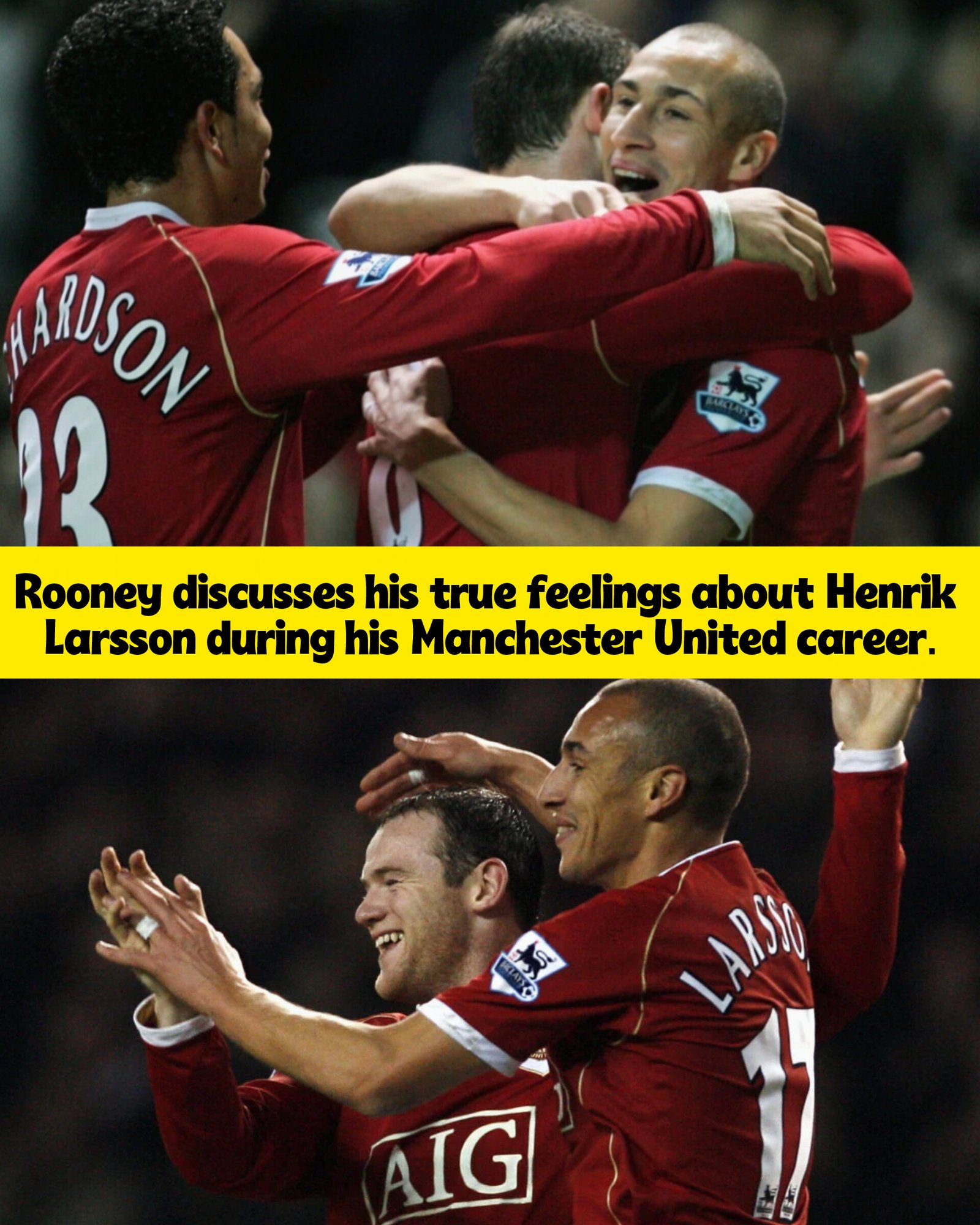
Larsson’s move to Old Trafford came after he had returned to Sweden with Helsingborg, following a hugely successful stint at Barcelona and a glittering period in Scotland with Celtic. Although he was in the twilight of his career, Sir Alex Ferguson saw value in bringing the experienced striker into his squad for additional firepower and leadership.
Speaking candidly, Rooney admitted that his early perception of Larsson had been influenced by where he had played. Watching him star in Scotland for Celtic, Rooney confessed that he underestimated just how good the Swede truly was. He was quick to stress that he meant no disrespect toward Celtic or Scottish football, but acknowledged that many players in England often assumed the Premier League represented a higher standard.
Rooney explained that it felt surreal to suddenly find himself playing alongside someone he had grown up watching. He compared the experience to the feeling he had when teaming up with senior figures earlier in his career, noting how unexpected it was to go from observing Larsson on television to linking up with him on the pitch at United. The transition from admirer to teammate happened quickly, and it left a strong impression on him.
What struck Rooney most was how Larsson exceeded his expectations. Once they began training and playing together, he realized that the Swedish forward’s ability translated seamlessly to the Premier League. Rooney admitted that when he had previously watched Larsson scoring freely in Scotland, he had wondered whether that form would carry over into England’s top division. However, those doubts vanished almost immediately.
Despite being in the latter stages of his career, Larsson’s intelligence and movement stood out. Rooney was particularly impressed by the forward’s positioning and awareness. He described Larsson’s off-the-ball runs as exceptional, even for a player no longer in his physical prime. Their understanding developed quickly, with the pair forming a natural partnership in attack. Rooney noted that they complemented each other well, often anticipating one another’s movements.
One of the standout moments of Larsson’s loan spell came on his debut in the FA Cup against Aston Villa during the 2007/08 season. Rooney provided the assist for Larsson’s goal in United’s 2–1 victory, marking a dream start for the Swede. That early contribution reinforced the impact he was capable of making, even in a short timeframe.
Rooney later admitted that playing alongside Larsson made him reflect on how exceptional the striker must have been in his younger years. If he was still producing such intelligent performances at that stage of his career, Rooney could only imagine the level he had reached during his peak at Celtic and Barcelona.
Although Larsson’s stay at Manchester United lasted only three months, he made 13 appearances and scored three goals. During that period, he played his part in United’s successful campaign, collecting a Premier League winners’ medal. He also netted the decisive goal in a 1–0 victory over Lille in the Champions League at Old Trafford, further underlining his knack for delivering in big moments.
While Larsson will forever be revered by Celtic supporters as one of the club’s greatest ever players, his brief time in England ensured he left a positive mark at Manchester United as well. Rooney’s reflections highlight how quickly skepticism can turn into admiration when talent proves itself on a bigger stage. In the end, Larsson not only impressed his teammates but also reshaped opinions, demonstrating that true quality transcends leagues and reputations.
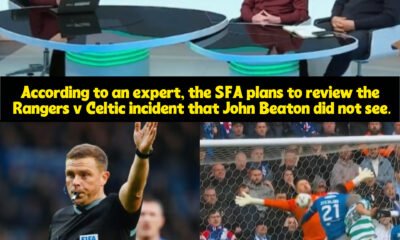
The SFA panel issues decision on Celtic and Rangers penalty appeals and the missed red card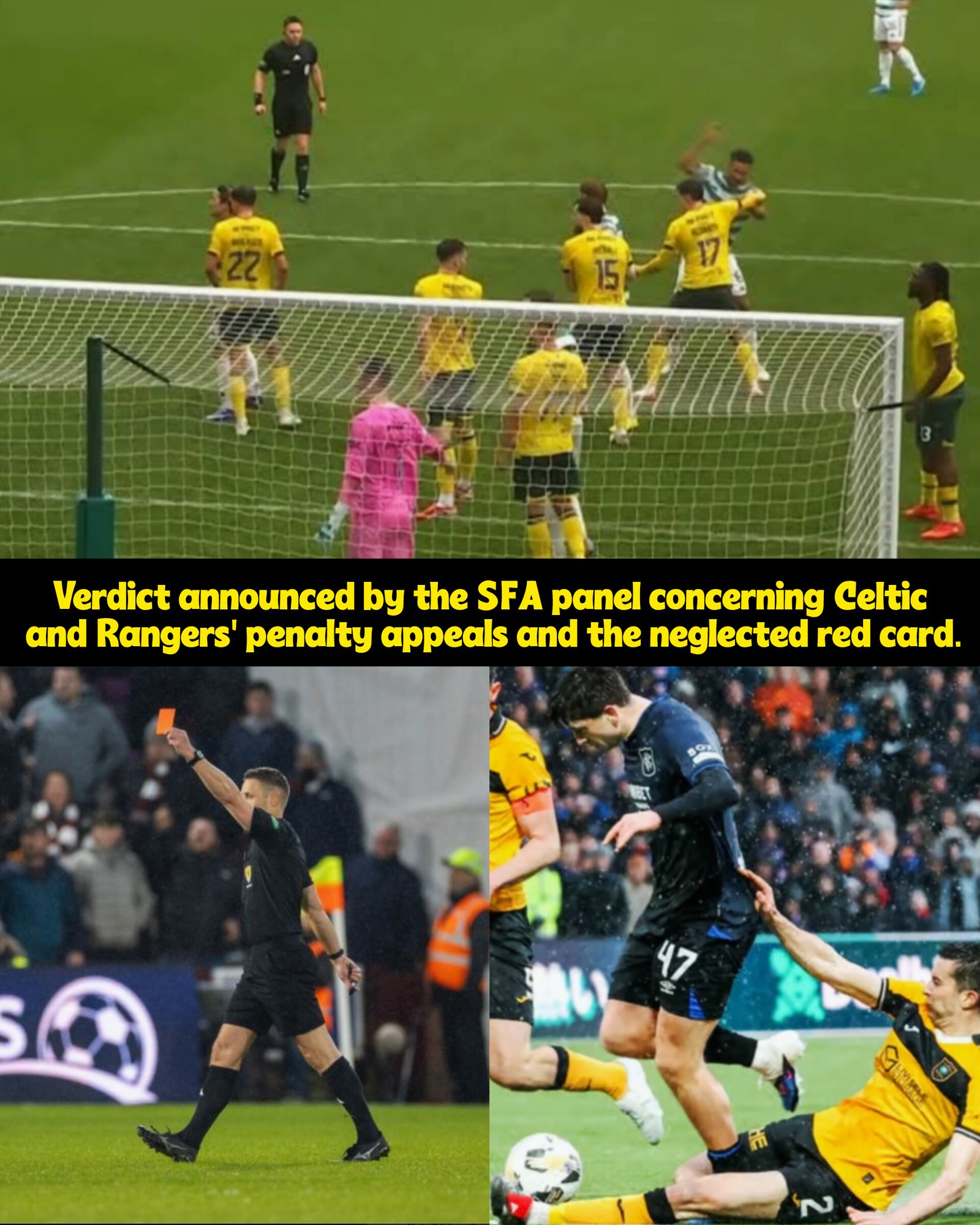
The Scottish Football Association’s latest Key Match Incident (KMI) panel has concluded that two VAR mistakes occurred in recent Scottish Premiership fixtures.
The panel reviewed 17 separate incidents from matches played between February 18 and 22, including the main talking points from Celtic’s clash with Hibernian and Rangers’ encounter with Livingston on Sunday.
Trusty Red Card Upheld
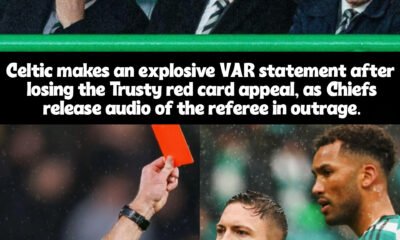
In Celtic’s 2-1 loss to Hibs, defender Auston Trusty was sent off for violent conduct following an altercation with Jamie McGrath. During a corner-kick, as the two players tussled for position, Trusty struck down on McGrath’s arm with his hand.
Referee Matthew MacDermid initially missed the incident but issued a red card after being alerted by VAR official Grant Irvine. Celtic challenged the decision, but their appeal was rejected by an SFA fast-track tribunal.
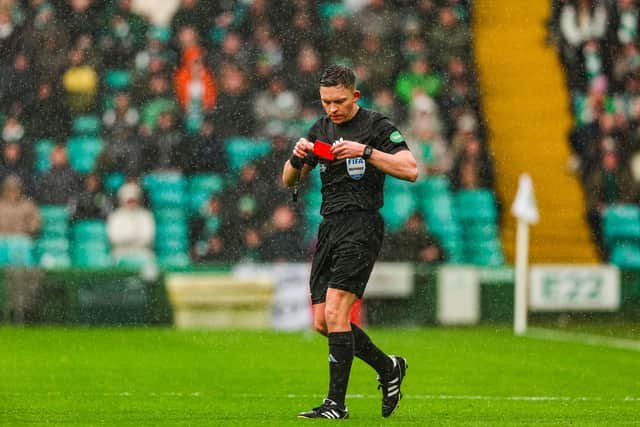
Referee Matthew MacDermid shows Celtic defender Auston Trusty a red card in the match against Hibs. | SNS Group
The KMI panel unanimously supported the officials’ call, agreeing that the red card for violent conduct was the correct decision.
Split Opinion on Celtic Penalty Claim
There was less agreement, however, over a separate incident in the same match. Celtic felt they should have been awarded a penalty when Hibs defender Jack Iredale appeared to pull Liam Scales’ shirt while the score was level at 1-1.
Celtic manager Martin O’Neill questioned the decision afterward, explaining that the referee had told him the hold was not sustained long enough to warrant a penalty. O’Neill suggested that grabbing an opponent’s shirt while they attempt to move toward the ball would previously have resulted in a spot-kick, but VAR opted not to intervene.
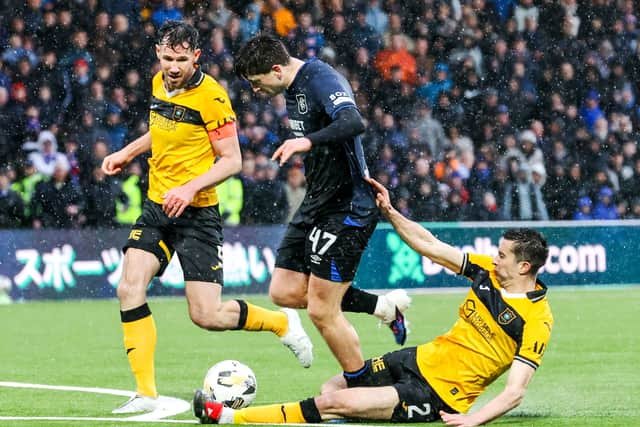
Rangers had this penalty appeal waved away in stoppage time when Cammy Kerr challenged Mikey Moore. | SNS Group
The KMI panel was divided on the matter. By a 2-1 majority, the panel concluded that the on-field decision not to award a penalty was correct. However, one member felt that VAR should have stepped in and recommended a penalty.
The official report noted that while most panel members agreed with the referee’s call, there was dissenting opinion that intervention was warranted.
Rangers Incident Sparks VAR Criticism
The KMI panel did identify a VAR error in the 2-2 draw between Livingston and Rangers at Almondvale.
The contentious moment occurred in the 94th minute. Rangers forward Mikey Moore was challenged by Cammy Kerr as he attempted a shot on goal, shortly after Rangers had come back from two goals down to level the match.
Referee Ryan Lee dismissed Rangers’ appeals at the time, and VAR official David Dickinson chose not to review the decision, even though replays appeared to show a clear foul. The initial contact between Kerr and Moore seemed to take place outside the penalty area, but the challenge continued into the box.
Much of the subsequent discussion focused on whether Rangers should have been awarded a penalty. The KMI panel was unanimous in its view that not awarding a penalty was the correct outcome.
However, the panel determined that VAR made an error by failing to recommend a red card for Kerr. They judged that the defender had denied Moore a clear goalscoring opportunity, and therefore VAR should have advised the referee to issue a dismissal.
Other Key Decisions Reviewed
The panel also examined an earlier red card in the same match. Livingston’s Cristian Montano had been sent off for a late challenge on Rangers winger Djeidi Gassama when the attacker was through on goal. The KMI panel agreed that this decision was correct.
In another case, St Mirren successfully appealed against the red card shown to Richard King during their 5-0 home defeat to Motherwell on Saturday.
Referee Callum Scott had issued the dismissal, but upon review, the KMI panel unanimously agreed that it was an error. They stated that VAR should have intervened during the match to recommend rescinding the red card.
Overall Findings
In total, the KMI panel assessed 17 separate incidents across the round of Premiership fixtures. While most decisions were deemed correct, two clear VAR errors were identified.
The first involved the failure to recommend a red card for Cammy Kerr in the Livingston versus Rangers match. The second related to Richard King’s dismissal in St Mirren’s loss to Motherwell, where VAR should have stepped in to overturn the decision.
Meanwhile, Celtic’s red card against Auston Trusty was fully supported by both the SFA tribunal and the KMI panel, and the majority of panel members backed the call not to award a penalty in their match against Hibs.
The findings underline the scrutiny placed on match officials and VAR in the Scottish Premiership, with the KMI panel continuing to review contentious decisions to ensure accountability and consistency in officiating standards.
Green Brigade blasts the Celtic board ahead of the Stuttgart fixture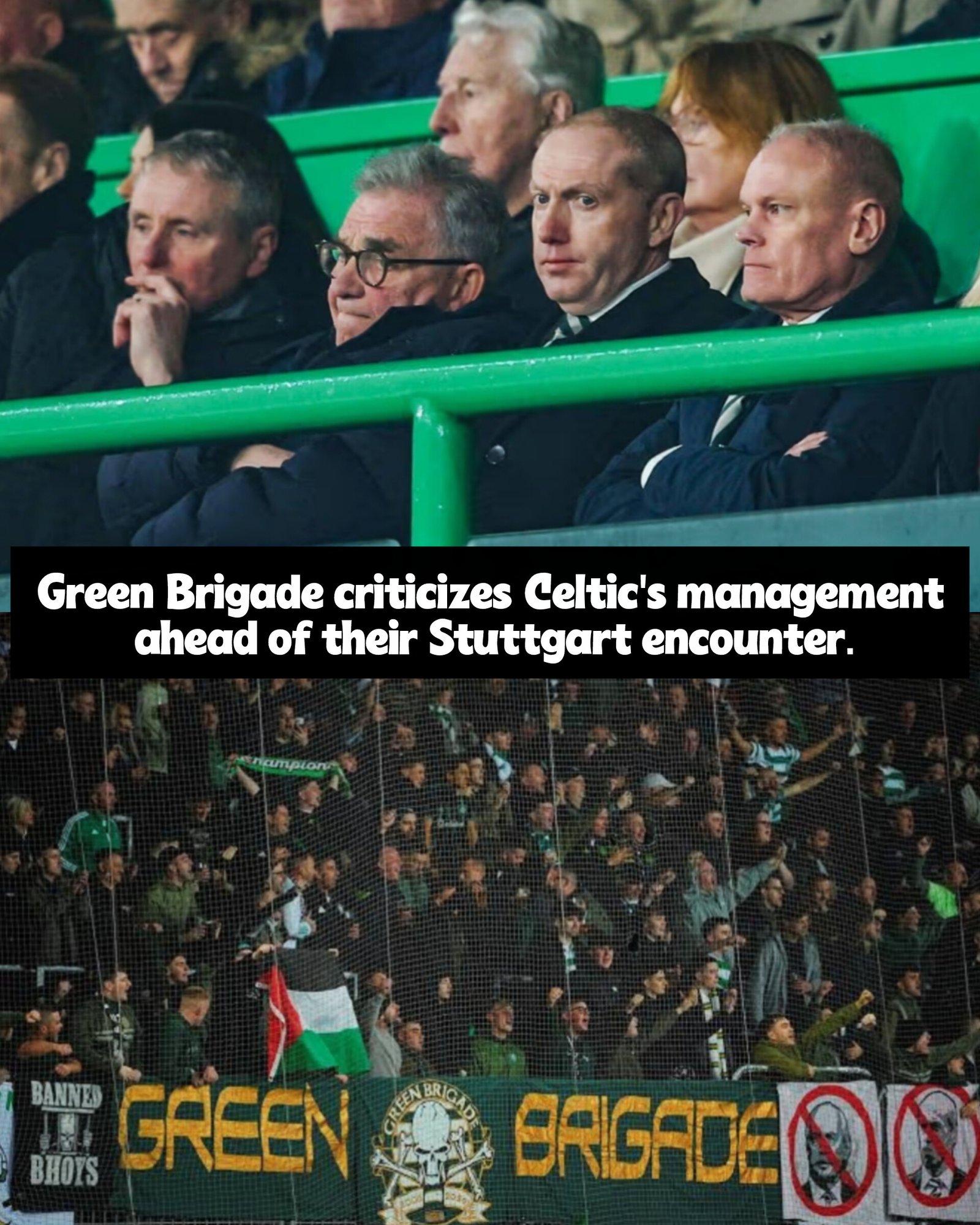
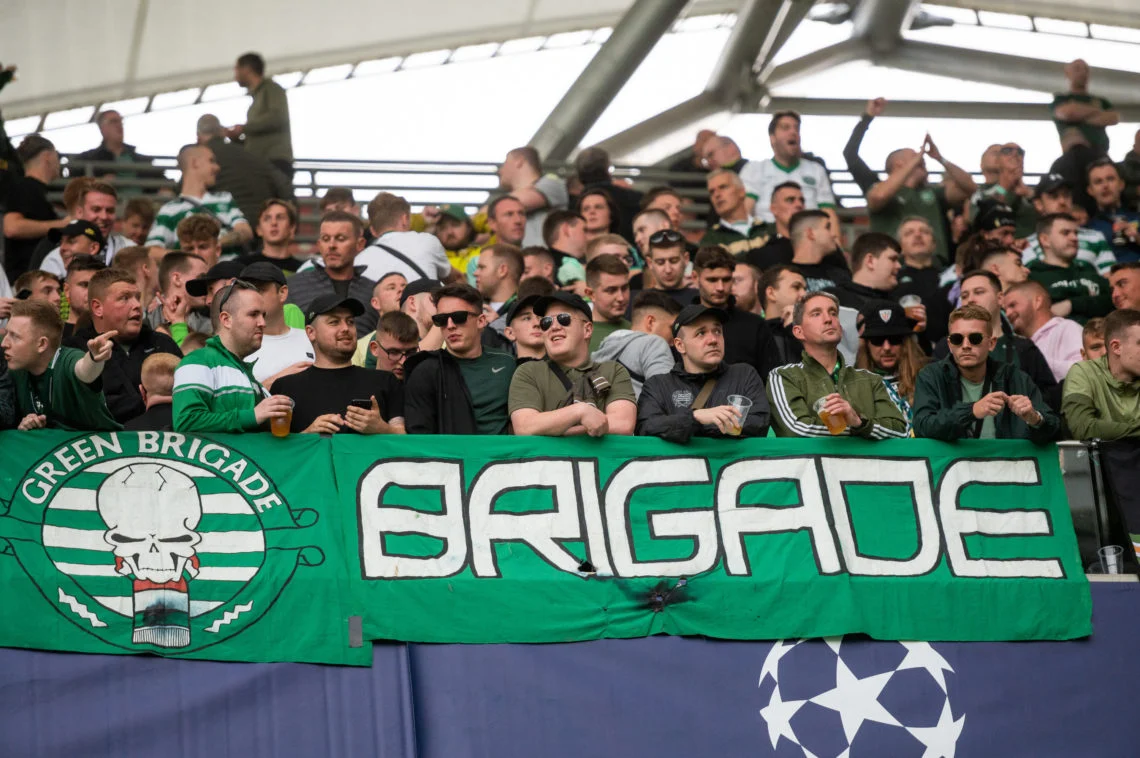
The Green Brigade have issued a fresh statement ahead of Celtic’s Europa League clash with Stuttgart, expressing frustration over the continued lack of communication from the club.
The supporters’ group remains subject to a ban imposed by Celtic, a situation that has now stretched across a significant portion of the season. As the Hoops prepare to round off their Europa League campaign with pride, tensions between the club and one of its most vocal fan sections remain unresolved.
Earlier this month, interim Celtic chairman Brian Wilson indicated that he intended to reopen dialogue with the Green Brigade following a meeting. However, the group’s latest comments suggest that no meaningful progress has followed those assurances.
Posting on X, the Green Brigade stated that despite a commitment made at the February 12 meeting to continue discussions, there has been no further contact from the club. They also claimed that two emails sent by the group since that meeting have gone unanswered. The statement further highlighted that the upcoming fixture marks the 26th match from which the Green Brigade has been banned.
Wilson’s comments offer little clarity on timeline
With the ban now covering 26 matches, many supporters believe the absence of the Green Brigade has had a noticeable impact inside Celtic Park. The atmosphere, once regarded as a major advantage for the team, has arguably lost some of its intensity without the organised backing of the ultras.
Details from the Celtic Fans Collective meeting shed further light on Wilson’s stance. According to the published minutes, Wilson confirmed that he had met with representatives from the Green Brigade the previous week and described the dialogue as ongoing. He stated that there was a willingness within the Celtic board to resolve the dispute and suggested that progress had been achieved in one area, while another aspect of the discussions remained more complicated.
It was also noted that any resolution would involve certain conditions. During the meeting, it was clarified that the club’s Head of Security, Mark Hargreaves, does not hold a veto over the outcome.
Representatives of the Celtic Fans Collective reiterated their belief that the club’s current position is disproportionate. They argued that contradictions within the club’s approach should be addressed and stressed that reinstating the Green Brigade would serve as an immediate and meaningful gesture of goodwill.
Wilson reportedly acknowledged that the presence of the Green Brigade could positively influence the team’s performances. However, he stopped short of offering any timeline or firm commitment regarding when the situation might be resolved.
Calls grow for immediate resolution
For many supporters, the issue has become increasingly urgent. With domestic silverware still up for grabs, some believe that restoring the Green Brigade’s presence could provide a lift both on and off the pitch.
The board has frequently called for unity among the Celtic support, yet critics argue that maintaining a prolonged blanket ban undermines that message. The continued exclusion of a prominent section of the fanbase has created division at a time when solidarity is being publicly encouraged.
Supporters sympathetic to the Green Brigade contend that bringing the ban to an end would be a straightforward step towards rebuilding trust. They view reinstatement as an opportunity for the club to demonstrate good faith and reset relations with a passionate segment of the support.
As things stand, however, there is no clear indication of when the impasse might end. The board has acknowledged the potential benefits of the Green Brigade’s return but has not provided a roadmap towards that outcome.
The coming weeks are likely to prove decisive. With important fixtures ahead and tensions still simmering, the pressure on Celtic’s hierarchy to find a solution will only intensify. Whether the club chooses to act swiftly or allow discussions to continue at their current pace remains to be seen.
Celtic issued an £83 million warning amid looming UEFA threats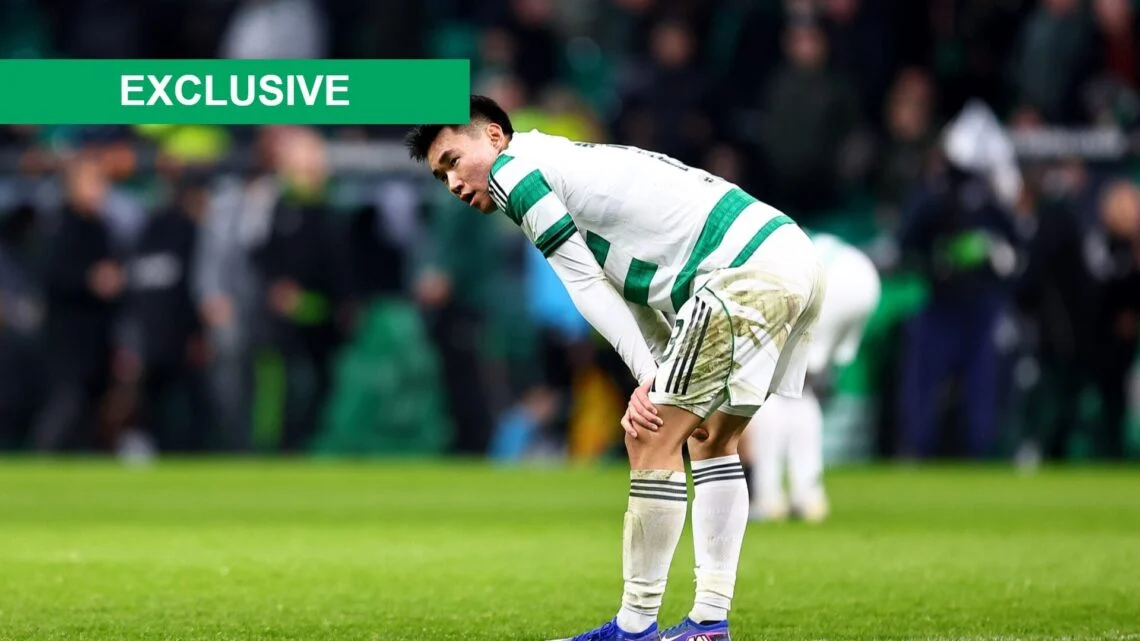
Celtic FC have been issued a significant financial warning amid growing concerns that Scotland could lose one of its UEFA Champions League qualification spots.
Finance expert Adam Williams has told 67 Hail Hail that the potential downgrade in Scotland’s UEFA coefficient ranking could have serious consequences for Celtic in the coming seasons. Current projections suggest that from the 2026/27 campaign onward, the Scottish Premiership may lose one of its Champions League berths. If that happens, only the league champions would enter Europe’s elite competition — and even then, they would have to begin their journey in the second qualifying round rather than entering at a later stage.
Such a shift would dramatically alter the financial landscape for Celtic. Should the Hoops fail to secure qualification for the Champions League, the revenue gap between Europe’s top competition and the alternatives could be stark.
At present, if Celtic were to finish third in the Premiership, they would likely drop into the UEFA Europa Conference League. Williams explained that the financial contrast between a Champions League campaign and participation in the Conference League is immense — describing it as “night and day.”
He pointed to historical figures to illustrate the difference. During the 2018/19 season, the last campaign in which Celtic competed in the UEFA Europa League outside of the Covid-affected period, the club reached the round of 32 and reported overall revenues of £83 million. Fast forward to the 2024/25 season, and Celtic’s turnover had risen to £144 million.
While some of that growth can be attributed to increases in matchday income, improved commercial deals, and the broader expansion of UEFA’s broadcasting revenues, Williams stressed that the primary driver was Champions League participation. In the most recent season, Celtic reportedly earned around £40 million in prize money alone for reaching the knockout play-off stage of the Champions League.
The looming concern is that Scotland’s reduced access to European competitions may create a scenario where the comparison is no longer between the Champions League and the Europa League, but rather between the Champions League and the Conference League. To secure at least a place in Europa League qualifying, a club would need to win either the Premiership title or the Scottish Cup.
Dropping into the Conference League would have broader implications than prize money alone. Williams highlighted that Celtic would lose at least one lucrative home European match at Parkhead. A Champions League group-stage fixture at Celtic Park generates millions in revenue, not only through ticket sales but also through hospitality, merchandising, and associated commercial activities. Furthermore, ticket pricing for Champions League matches commands a premium that cannot be replicated in the Conference League.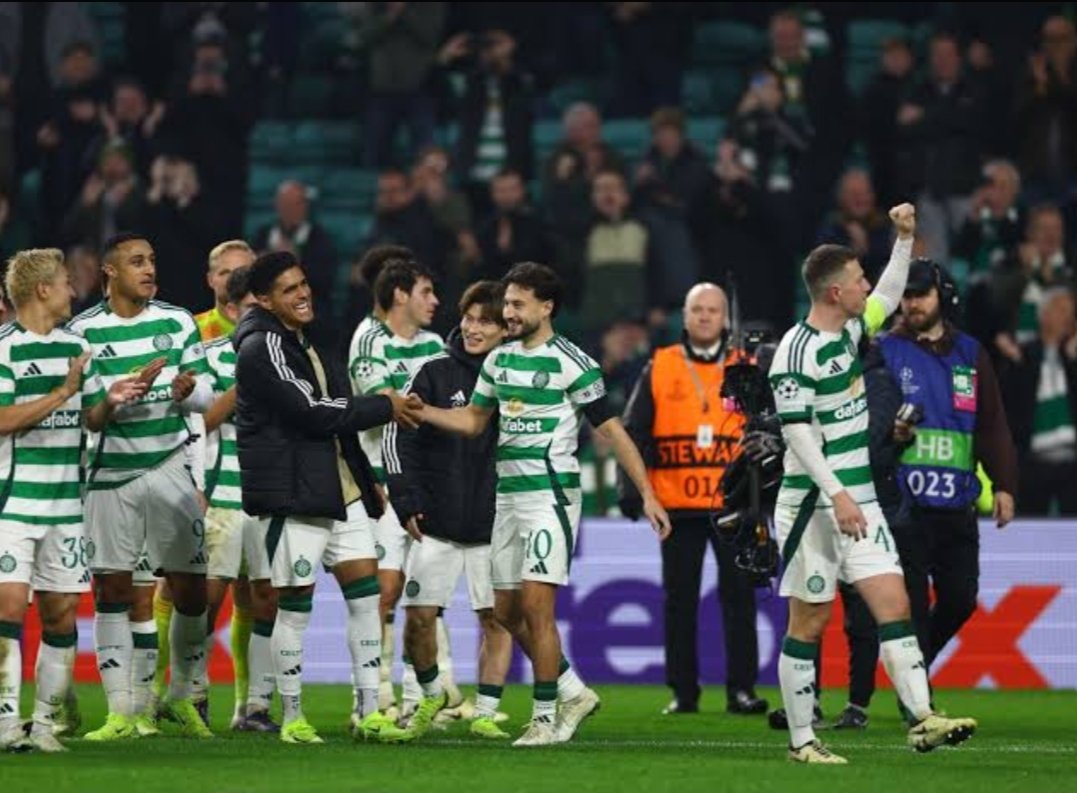
Financially, the Conference League offers far smaller rewards. Participation guarantees roughly £5 million in prize money. Even if a club were to go on and win the entire competition, total earnings would likely reach only around £18 million — still significantly less than the baseline income Celtic would expect simply by entering the Champions League group stage.
Williams warned that such volatility in annual revenue forces club owners to budget more cautiously. When there is a realistic risk that tens of millions of pounds could fluctuate from one season to the next, financial planning must account for worst-case scenarios. That often translates into tighter wage structures, greater reliance on performance-related bonuses, and more conservative transfer spending.
In practical terms, missing out on Champions League qualification could restrict Celtic’s ability to invest heavily in player recruitment and salaries. While European competition remains a crucial sporting objective, its financial importance is equally vital to sustaining competitive squads.
However, Williams acknowledged one mitigating factor in Celtic’s favour: the club’s substantial cash reserves. Over recent years, the board have accumulated significant financial buffers. Though Williams has previously questioned the wisdom of stockpiling cash rather than reinvesting more aggressively in the squad, he admitted that this conservative approach could provide short-term protection.
If Celtic were to alternate between Champions League qualification and seasons outside the competition, those reserves could help cushion the immediate financial shock. Nevertheless, relying on savings is not a sustainable long-term strategy if consistent participation in Europe’s top competition is not secured.
Ultimately, the message is clear. Should Scotland lose a Champions League slot due to coefficient decline, Celtic’s margin for error narrows considerably. The financial gulf between the Champions League and the Conference League is vast, and repeated absence from Europe’s premier tournament could reshape budgeting, recruitment strategy, and long-term ambitions at Parkhead.
For Celtic, maintaining domestic dominance may soon carry even greater financial stakes than ever before.
Celtic slam ‘VAR intervention’ and have announced their intention to appeal Auston Trusty’s red card
Celtic FC have announced their intention to appeal the red card shown to defender Auston Trusty following their 2-1 defeat against Hibernian FC at Celtic Park.
The controversial moment occurred during the second half as Celtic prepared to take a corner kick. In the tussling inside the penalty area, Trusty was involved in an off-the-ball incident with Hibernian midfielder Jamie McGrath. As the pair jostled for position, Trusty appeared to strike McGrath’s arm while attempting to free himself.
Referee Matthew MacDermid initially approached both players with the intention of issuing a warning rather than taking further action. However, the situation escalated after Video Assistant Referee Grant Irvine intervened from Clydesdale House. MacDermid was advised to review the incident on the pitch-side monitor, prompting an on-field review.
After watching the replay, the referee upgraded his initial assessment and produced a straight red card for Trusty, citing violent conduct. The dismissal left Celtic with ten men at a crucial stage of the match and significantly altered the complexion of the contest.
The decision proved costly. Reduced in numbers, Celtic struggled to maintain their earlier control, and Hibernian capitalised late on. In the 88th minute, Kai Andrews netted what turned out to be the decisive goal, sealing a 2-1 victory for the visitors and compounding Celtic’s frustration.
In the aftermath, Celtic swiftly confirmed they would challenge the ruling. In an official statement, the club made clear their belief that Trusty had been incorrectly dismissed and that the outcome stemmed directly from VAR involvement rather than the referee’s original judgement. The statement emphasised that an appeal would be lodged with the Scottish Football Association (SFA), as Celtic seek to overturn the suspension.
The ramifications of the red card stretch beyond the defeat itself. As it stands, Trusty is set to miss the upcoming Glasgow Derby against Rangers FC at Ibrox — one of the most significant fixtures in the Scottish football calendar. Losing a key defender for such a high-stakes encounter would represent a major blow to Celtic’s preparations.
Speaking after the match, interim manager Martin O’Neill offered insight into the sequence of events and his understanding of the referee’s explanation. O’Neill revealed that MacDermid had initially planned to speak to both Trusty and McGrath to calm the situation rather than issue a dismissal.
According to O’Neill, the referee indicated that VAR officials had categorised the action as violent conduct, prompting the review. While acknowledging the modern interpretation of the rules, O’Neill suggested that players must adapt to the strict enforcement standards currently in place.
He admitted that, regardless of provocation or grappling from an opponent, players cannot react by making forceful movements that may be deemed aggressive. O’Neill explained that Trusty’s attempt to break free — specifically the downward thrusting motion — had been interpreted under the laws of the game as violent conduct.
Nevertheless, Celtic’s official position remains firm. The club maintain that the decision was unjust and that Trusty was wrongfully sent off. Their appeal signals a belief that the evidence does not meet the threshold required for a straight red card and that VAR’s involvement may have overly influenced the final call.
The incident has reignited debate around the role of VAR in Scottish football, particularly when it comes to off-the-ball contact during set pieces. While VAR is intended to correct clear and obvious errors, critics argue that its application can sometimes lead to subjective reinterpretations of physical confrontations that are commonplace during corners.
For Celtic, the immediate focus will be on preparing their case for the SFA while also regrouping ahead of a crucial period in the season. The derby clash with Rangers looms large, and the outcome of the appeal could significantly shape team selection and defensive strategy.
Ultimately, the controversy underscores the fine margins in modern football. A split-second action, initially deemed worthy of only a verbal warning, was transformed into a sending-off after technological review — a development that not only influenced the result against Hibernian but may also have lasting implications for Celtic’s campaign.
Whether the appeal succeeds remains to be seen, but Celtic have made their stance clear: they believe Auston Trusty’s dismissal was unwarranted and are determined to challenge it through the proper channels.
Ally McCoist calls for the banishment of ‘inept’ VAR from the SPFL in a shocking rant after Auston Trusty’s red card angers him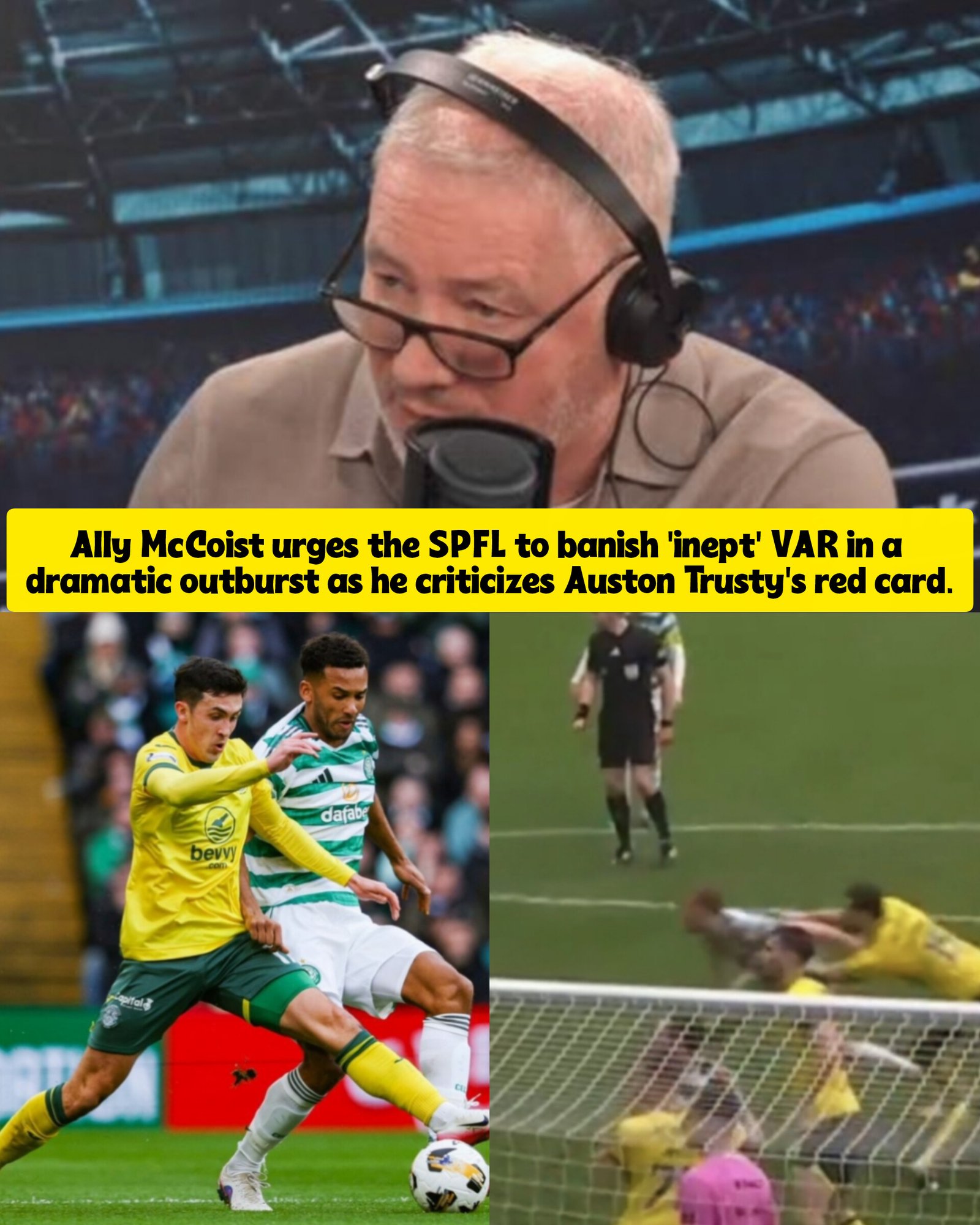
Ally McCoist has launched a blistering attack on VAR in the Scottish Premiership, calling for the technology to be scrapped entirely after what he described as a disastrous weekend of officiating decisions.
The former Rangers striker, now 62, did not hold back as he criticised several controversial calls, insisting that video review is doing more harm than good in Scottish football. McCoist’s anger was sparked by a series of flashpoints, including the decision not to send off Cammy Kerr for a challenge on Mikey Moore, as well as the red card shown to Celtic defender Auston Trusty.
McCoist was particularly incensed by the Kerr incident. Rangers felt Moore had been denied a clear goalscoring opportunity when he was wiped out, but officials judged that the foul occurred outside the penalty area. For McCoist, the decision was baffling and symptomatic of wider problems within the system.
He was equally frustrated by the dismissal of Auston Trusty in Celtic’s recent defeat. Trusty was shown a red card following VAR intervention after an altercation at a corner kick. Celtic manager Martin O’Neill later suggested that referee Matthew MacDermid had initially intended to issue a warning before being advised to review the incident on the monitor. After consulting VAR, MacDermid upgraded his decision and sent the defender off.
McCoist strongly disagreed with that call, branding it a “terrible decision” and dismissing suggestions that it amounted to violent conduct. In his view, the incident had been exaggerated and did not warrant such severe punishment. He argued that Trusty had simply tried to free himself from an opponent who was holding onto him, rather than committing an act deserving of a red card.
The Rangers legend did not stop there. He also expressed fury at the red card shown to Richard King during Motherwell’s heavy win over St Mirren. In that case, Callum Slattery went to ground after what appeared to be minimal contact, yet the decision ultimately resulted in a dismissal. McCoist grouped that moment with the others as evidence of a troubling pattern.
Describing himself as “incandescent with rage,” McCoist used the string of contentious calls as a rallying cry to demand that VAR be removed from the Scottish game. While clubs initially supported the introduction of the technology in the hope it would improve accuracy, growing dissatisfaction has followed a series of high-profile controversies.
According to McCoist, the individuals responsible for operating VAR in Scotland are simply not up to the task. He labelled them “inept” and claimed their involvement is embarrassing the sport. In his opinion, rather than correcting errors, VAR is exposing weaknesses in decision-making.
He pointed to another late incident at Livingston, describing that decision as “absolutely outrageous.” For McCoist, such moments underline what he believes is a fundamental flaw in the current system.
The former striker’s frustration peaked when revisiting the challenge on Mikey Moore. He described the officiating over the weekend as “absolutely horrendous” and said the failure to act appropriately in key moments was unacceptable.
McCoist argued that VAR was introduced to assist referees, not to magnify their mistakes. While he acknowledged that on-field officials can make errors in real time, he finds it far harder to accept incorrect decisions when replay technology is available. In his view, if someone can watch an incident multiple times from different angles and still reach the wrong conclusion, then confidence in the process is severely undermined.
He questioned what hope Scottish football has if repeated reviews fail to deliver correct outcomes. For him, the credibility of officiating is at stake, and the continued reliance on VAR is only intensifying scrutiny.
Although VAR remains in place with majority club backing, McCoist’s outspoken comments reflect a growing unease among supporters and pundits alike. The weekend’s controversial calls have reignited debate about whether the technology is fit for purpose in the Scottish Premiership.
In McCoist’s eyes, the solution is straightforward: remove VAR altogether and return to traditional refereeing. Whether authorities will heed such calls remains uncertain, but his passionate outburst has added significant fuel to an already heated discussion surrounding the role of video review in Scottish football.
Celtic’s VAR drama: penalty call sparks controversy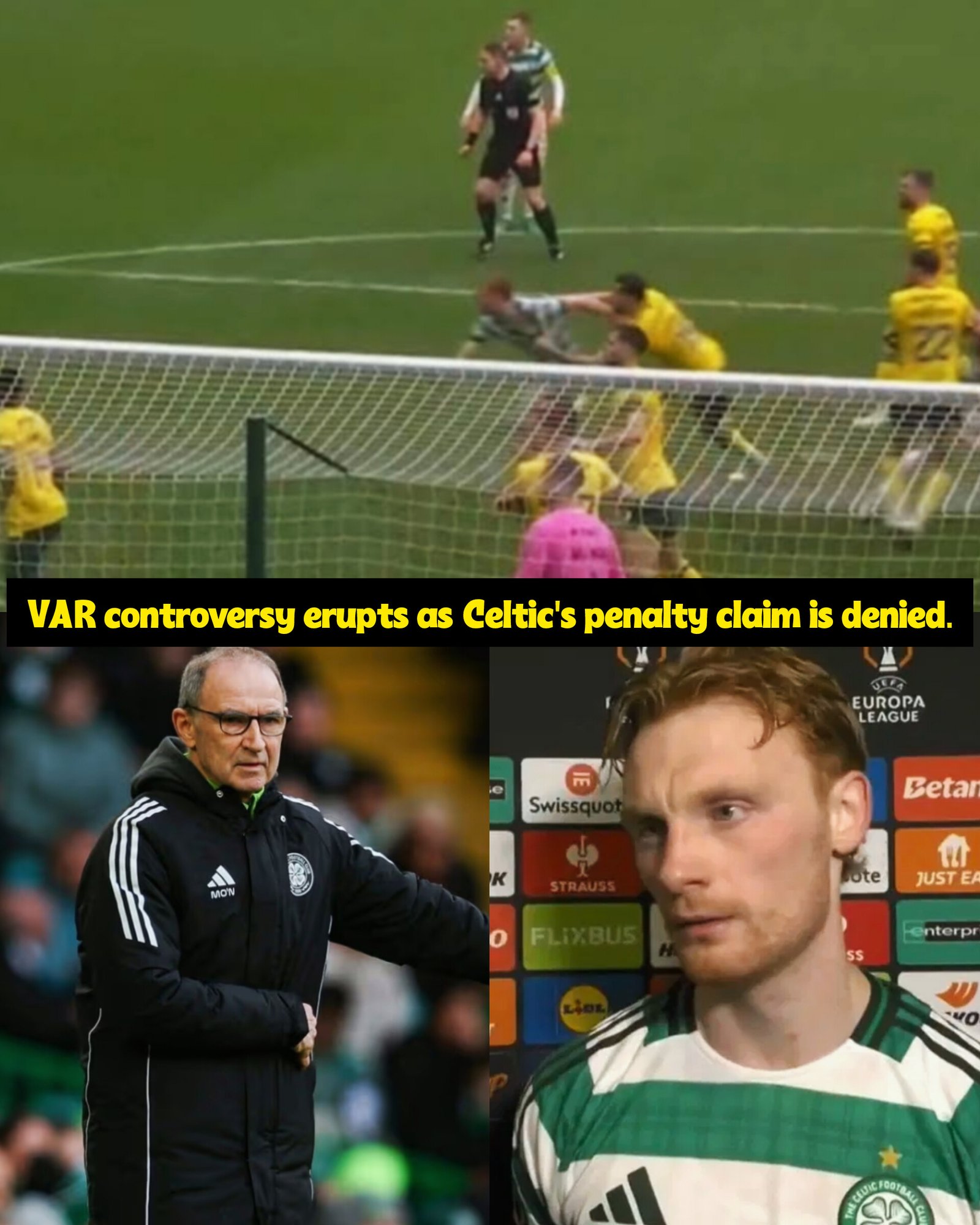
Celtic’s narrow 2-1 loss to Hibernian is set to spark debate not only because of the scoreline but also due to a series of contentious officiating decisions that shaped the contest. Much of the post-match discussion has centred on two flashpoints shortly after halftime that dramatically altered the atmosphere inside Celtic Park. Supporters were incensed, and Liam Scales in particular was left visibly aggrieved by what unfolded.
The first major turning point arrived when Auston Trusty became involved in a confrontation with Jamie McGrath before a corner was taken. There was contact between the two players as they jostled for position. Trusty’s arm came up and appeared to make contact with the Hibernian midfielder. Initially, it seemed a minor coming together — the type of grappling commonly seen at set pieces. However, referee Matthew MacDermid was advised to consult the pitchside monitor. After reviewing the footage, he upgraded his initial decision and produced a red card instead of a yellow. The dismissal stunned the home crowd. Reduced to ten men, Celtic suddenly found themselves facing an uphill battle.
The shift in momentum was immediate. Hibernian sensed opportunity, while Celtic were forced to reorganise and protect themselves defensively. Yet the most controversial moment of the afternoon was still to come.

19th October 2025; Dens Park, Dundee, Scotland; Scottish Premiership Football, Dundee versus Celtic; Referee Matthew MacDermid
Only minutes later, from a Celtic corner, another incident unfolded that left the stands in disbelief. As the ball was delivered into the box, Liam Scales was clearly being held by Jack Iredale. The defender’s shirt was visibly stretched as Iredale tugged him backward, pulling him away from the area where the ball was about to drop. Instead of attacking the six-yard box and challenging for possession, Scales ended up on the ground, unable to compete.
Play initially continued, adding to the confusion among players and supporters alike. Then VAR official Grant Irvine intervened. The message displayed on the stadium screen read: “Incident outside the Penalty Area.”
That explanation did little to calm frustrations. Replays suggested the contact not only began but also continued inside the box. It was not a fleeting brush or shoulder-to-shoulder tussle. It appeared to be a sustained pull that clearly impeded Scales’ movement and prevented him from contesting the ball. From Celtic’s perspective, it looked like a textbook example of a penalty being denied.
At that stage of the match, Celtic were pressing hard for a decisive goal. Even with ten men, the belief inside the stadium remained strong. A penalty award could have transformed the narrative — shifting the pressure onto Hibernian and reigniting the energy of the home support. In tight matches, such decisions can be pivotal, swinging both momentum and morale in an instant.
Instead, the call went against them. Hibernian regrouped and managed the remainder of the contest effectively. As Celtic pushed forward in search of a breakthrough, gaps inevitably appeared. Late in the game, Hibs capitalised, striking to secure the victory and silence the home crowd.
While Trusty’s sending-off undeniably complicated matters for the hosts, many supporters will argue that the refusal to award a penalty for the challenge on Scales proved just as decisive. The red card forced Celtic into damage limitation mode, but the alleged foul inside the area represented a golden opportunity to change the game’s trajectory.
When matches are finely balanced, marginal calls can carry enormous weight. Decisions reviewed by VAR are expected to provide clarity and accuracy. However, on this occasion, the explanation offered did not align with what many believed they had witnessed. For Celtic, the sense of injustice lingered long after the final whistle.
Ultimately, they left the pitch empty-handed and frustrated. Beyond the defeat itself, there was a feeling that crucial moments had not gone their way. In a contest defined by fine margins and high emotion, the officiating controversies are likely to remain a major talking point in the days ahead, with Celtic convinced they were denied a fair opportunity to influence the outcome.
Chris Sutton Offers to Mediate Amid Celtic Supporter Dispute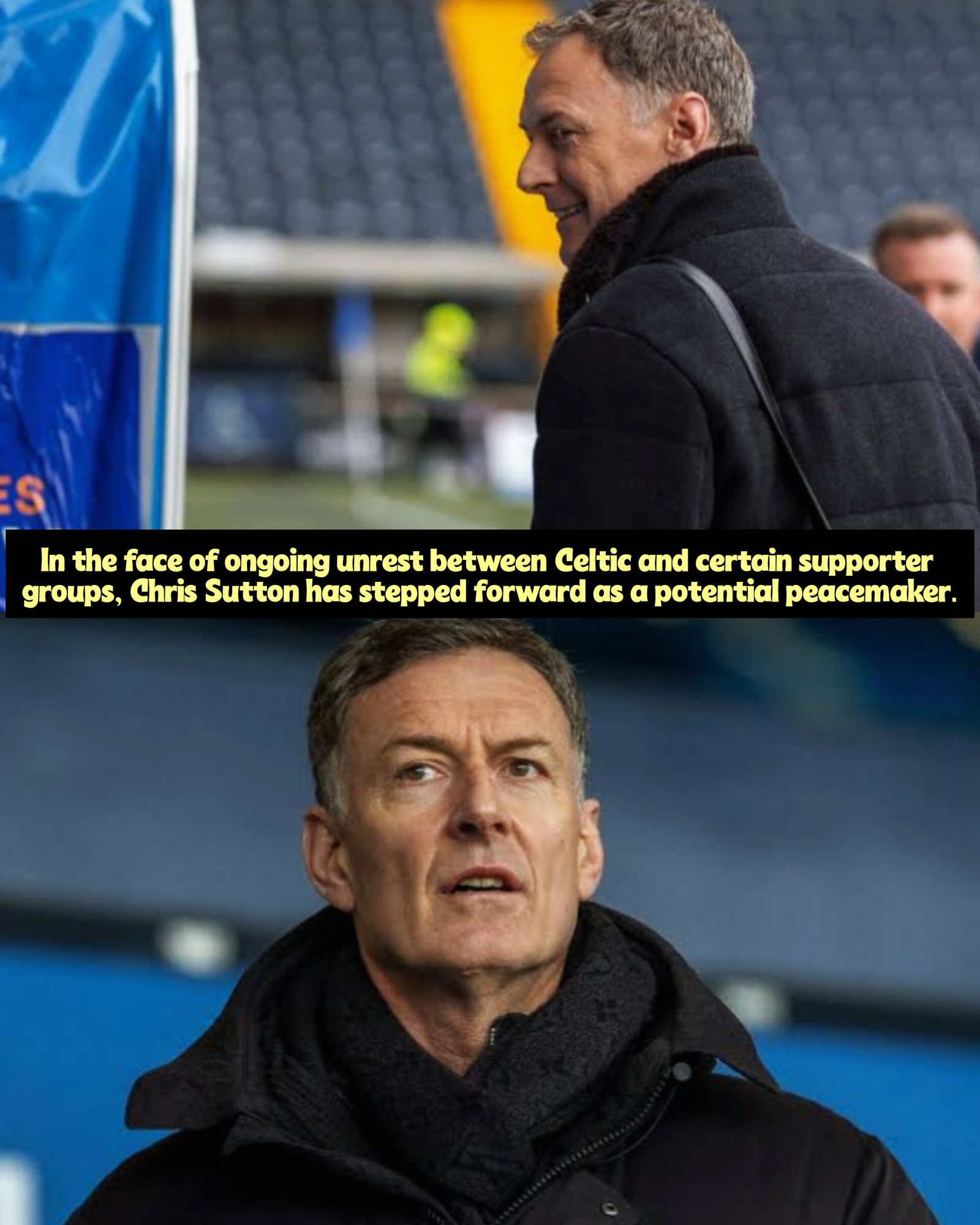
Chris Sutton has put himself forward as a surprise intermediary as tensions between Celtic and sections of their support continue to simmer. The former striker, who enjoyed a successful six-year spell in Glasgow, believes the ongoing dispute has lingered for too long and has now publicly suggested he could help bring both sides together.
The backdrop to his comments was Thursday night’s Europa League clash against VfB Stuttgart, a fixture that once again underscored the strained atmosphere inside Celtic Park. While the travelling fans created a vibrant display in the away end, unveiling a tifo of their own, the Green Brigade section within the North Curve remained closed, a visible reminder of the unresolved standoff.
Just 24 hours before that European tie, representatives from the Celtic Fans Collective met club officials to address the continuing exclusion of the Green Brigade. Brian Wilson was present at the meeting, where concerns were raised about the effect the ban is having on matchday atmosphere and the broader mood among supporters. According to those involved, the club acknowledged the issues brought forward, confirmed that discussions are ongoing and expressed a desire to reach a solution. However, any potential resolution would be subject to specific conditions, and no clear timeline was provided.
In a statement released on Friday evening, Wilson reiterated the need to find a way forward, again appealing for progress and compromise. Despite that call, optimism that the Green Brigade might be reinstated in time for such a significant European occasion proved unfounded.
Instead of reconciliation, the match began with a coordinated act of protest. As kick-off approached, small tennis balls and brightly coloured bouncy balls were thrown onto the pitch from the North Stand, forcing a delay of several minutes. The disruption served to amplify attention on the dispute and highlighted the ongoing divide between the club and one of its most vocal supporter groups.
Sutton, who remains closely associated with Celtic both as a former player and a prominent pundit, believes the impasse has persisted for far too long. In comments to Record Sport, he floated the idea of stepping in as a mediator between the club hierarchy and the supporters involved. Half-joking but clearly serious in intent, Sutton remarked that he would be willing to “bang a few skulls together for the greater good” if it meant restoring unity.
The sight of discord unfolding publicly on major European nights has only intensified scrutiny. Rather than being handled quietly behind closed doors, the disagreement has become part of the matchday narrative, detracting from the team’s on-field efforts. For many observers, that visibility adds urgency to calls for compromise.
Celtic face pivotal fixtures in the months ahead, both domestically and in Europe, and a growing number of supporters argue that togetherness is vital during such a decisive stretch. The absence of the Green Brigade — traditionally central to the stadium’s atmosphere — has been widely felt, particularly in high-profile matches where noise and cohesion can influence momentum.
Whether Sutton’s proposal will be formally considered remains uncertain. While his connection to the club and his forthright personality might position him as a credible bridge between factions, any mediation would ultimately depend on the willingness of both parties to engage constructively.
For now, the situation continues without a defined endpoint. Dialogue is said to be ongoing, yet tangible progress has not been publicly outlined. As frustrations simmer and protests escalate, the pressure to find common ground grows stronger.
Celtic’s immediate focus will remain on performances on the pitch, but the wider issue cannot be ignored indefinitely. If unity is to be restored before the season reaches its climax, meaningful steps will need to be taken sooner rather than later. Sutton’s intervention may have been delivered with characteristic bluntness, but it underscores a broader sentiment: this dispute cannot simply drift on without resolution.
Andy Robertson is returning to his boyhood club Celtic amid summer transfer rumors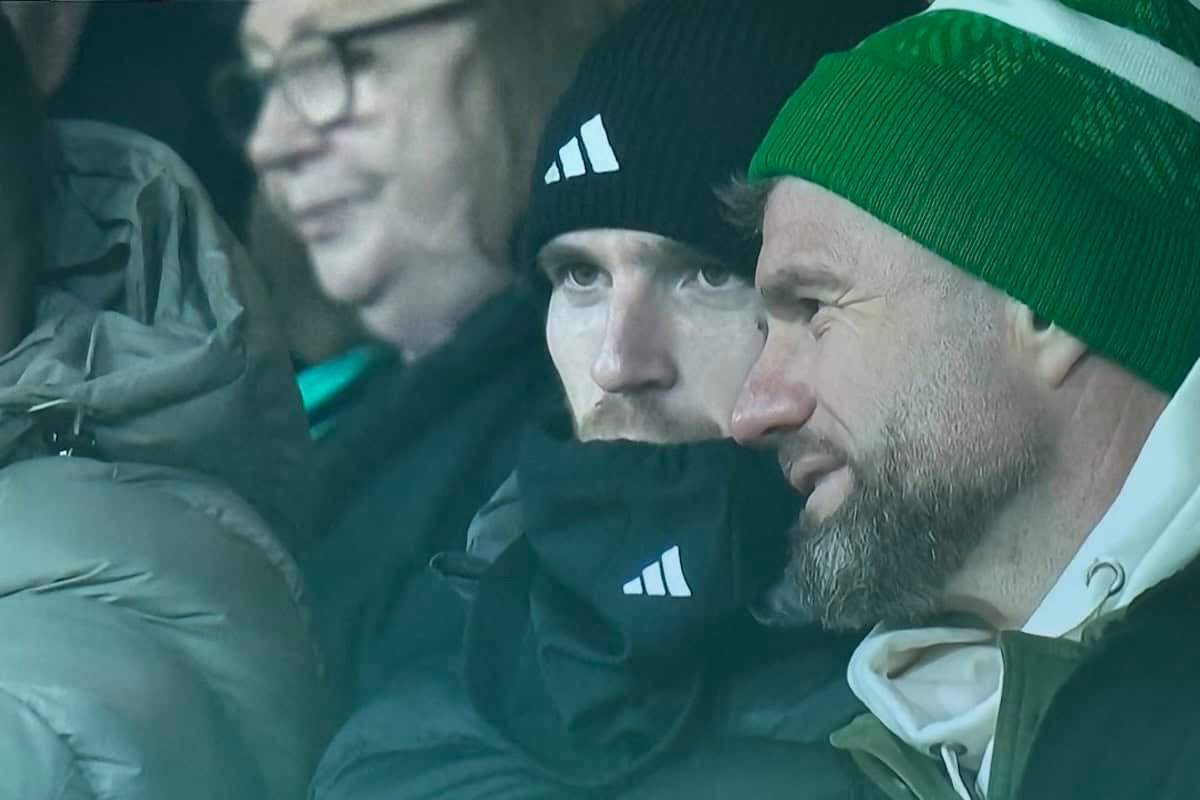
Andy Robertson was seen in the stands at Celtic Park on Thursday night as Celtic FC suffered a heavy 4-1 defeat to VfB Stuttgart in the Europa League playoffs, fueling fresh speculation about a potential return to his boyhood club.

Celtic’s Alex Oxlade-Chamberlain (centre) celebrates with his team mates after he scored his sides second goal during the William Hill Premiership match at Celtic Park, Glasgow. Picture date: Wednesday February 11, 2026.


The Liverpool left-back, who was born in Glasgow, began his football journey within Celtic’s youth system before eventually making his name in Scottish football with Queen’s Park. Despite forging a successful career elsewhere, Robertson has never hidden his lifelong support for Celtic, and his presence at the stadium inevitably sparked conversation given ongoing transfer rumours.
With Liverpool FC enjoying a slightly extended break ahead of their Premier League clash with Nottingham Forest FC on Sunday, Robertson took the opportunity to attend the European fixture. He was accompanied by his close friend Lee Nobes, Liverpool’s head of rehab physiotherapy, as he watched events unfold from the crowd.
Unfortunately for the home supporters, it was a difficult evening. The match also marked a milestone occasion for Celtic manager Martin O’Neill, as it was his 1,000th game in management. However, the celebratory mood never materialised. Celtic conceded inside the opening 15 minutes of the first leg of their Europa League last-16 playoff tie. Although they briefly restored parity to make it 1-1, Stuttgart ultimately dominated proceedings and ran out convincing 4-1 winners.
As part of TNT Sports’ broadcast, former Celtic goalkeeper Joe Hart reflected on Robertson’s presence and his previous praise of the Celtic atmosphere. Hart suggested that Robertson had enthusiastically promoted the club’s European nights to Alex Oxlade-Chamberlain, who recently joined Celtic.
“[Robertson] sold it to Alex Oxlade-Chamberlain when he told him about coming to Celtic, the atmosphere. The big European night,” Hart said. “He just hasn’t seen it tonight, has he?”
Oxlade-Chamberlain, however, was unable to participate in the match. Having completed his free transfer to Celtic too late, he was not eligible for registration in the Europa League knockout rounds. Instead, he joined Robertson in observing from the stands as Stuttgart seized control of the tie.
The German side’s commanding performance was driven by a brace from Bilal El Khannouss, alongside additional goals from Jamie Leweling and Tiago Tomas. Their clinical display leaves Celtic facing an uphill task in the return leg next week.
Robertson’s attendance comes amid continued uncertainty about his long-term future. While there was reported interest from Tottenham Hotspur FC during the January transfer window, speculation has increasingly centred on the possibility of a move to Celtic once his Liverpool contract expires in the summer.
The Glasgow club would almost certainly welcome the chance to bring him back. His past comments and clear affection for Celtic suggest he views a return as a genuine option rather than mere sentimentality. Nevertheless, the decision may not be straightforward. At 31, Robertson remains a key figure at Liverpool, and an extension at Anfield has not been ruled out.
Speaking in 2020, Robertson openly discussed the idea of eventually representing Celtic. At the time, he was firmly established as Liverpool’s first-choice left-back and one of the Premier League’s most consistent performers. Yet he acknowledged that the possibility of playing for his boyhood club remained close to his heart.
“I think it’s going to be quite hard, but I would love to be able to finish my career here,” he said, referring to Liverpool. He added that if he could maintain his standards into his mid-to-late 30s — similar to the longevity shown by James Milner — he would be content to conclude his career at Anfield.
However, Robertson was equally candid about his affection for Celtic. “I’ve always said I’d love to pull on a Celtic top and to play,” he admitted. He also expressed fond memories of his time with Dundee United but emphasised that football careers can take unexpected turns.
“You never say never, you’re a long-time retired as they say,” he remarked. “I want to play as long as I can, and if that’s finishing up in Scotland, or at one point going up to Scotland, then I would be open to it.”
Still, his preference remained clear. “My ideal situation is probably finishing down – with hopefully a couple more trophies – at Liverpool.”
For now, Robertson’s appearance at Celtic Park may simply reflect his enduring support rather than any imminent move. Yet with his contract situation evolving and speculation intensifying, the sight of him back at his boyhood club has only added intrigue to what could become one of the summer’s most compelling transfer stories.
-
 Blog4 weeks ago
Celtic issues a fiery VAR statement after Trusty’s red card appeal is dismissed, as furious chiefs release referee audio publicly.
-

 Blog1 month ago
Celtic informed their January signing under Martin O’Neill that he wouldn’t play a single minute this season.
-
 Blog4 weeks ago
Celtic issued an £83 million warning amid looming UEFA threats.
-
 Blog3 weeks ago
SFA Expected to Review Missed Penalty in Rangers v Celtic Clash
-

 Blog10 months ago
“Courtside to Aisle-Side: Tyrese Haliburton and Jade Jones Set New Wedding Date”
-
 Blog1 month ago
£6m star is looking to leave Rangers this summer and has already announced his next club publicly.
-
 Blog3 days ago
Rangers victory overshadowed by refereeing controversy
-
 Blog4 weeks ago
Auston Trusty under intense Celtic red card investigation amid new Hibs ‘punch’ claims and Rangers’ appeal review.