
Blog
Leicester City profits big from Chelsea’s costly £35 million mistake.

In modern football, a transfer involving a huge fee often brings enormous expectations, but the reality frequently falls short of the hype. That proved to be the case when Danny Drinkwater completed a high-profile move from Leicester City F.C. to Chelsea F.C. in a deal worth £35 million. What initially appeared to be a logical step for both the player and the London club ultimately turned into a costly miscalculation for Chelsea while Leicester walked away with a remarkable financial return.
Drinkwater arrived at Stamford Bridge with the reputation of a Premier League champion and a reliable central midfielder who had been instrumental in one of the most famous title-winning campaigns in football history. However, his time in London was plagued by injuries, limited opportunities, and an inability to adapt to Chelsea’s style of play.
In contrast, Leicester capitalised perfectly on the transfer, securing a massive profit and reinvesting the funds in their squad as they continued to build a competitive side in the years that followed.
From Manchester United Prospect to Leicester Regular
Drinkwater’s journey to Premier League stardom began in the youth academy of Manchester United F.C.. Although he was highly regarded as a young midfielder, he struggled to break into the senior team during his time at Old Trafford.
Instead, he spent several seasons gaining experience through loan spells with lower-league clubs. Among the teams he represented during this period were Huddersfield Town A.F.C. and Cardiff City F.C., where he gradually developed the physicality and consistency required to compete at a higher level.
His career truly began to flourish after he joined Leicester City in 2012. The transfer fee for the move was not publicly disclosed, but it proved to be one of the most significant decisions in Drinkwater’s professional life.
At Leicester, the midfielder found a club willing to give him the regular playing time he needed to establish himself. Over time, he became a vital part of the team’s midfield setup.
Championship Success Lays the Foundation
Under manager Nigel Pearson, Leicester assembled a talented squad capable of challenging for promotion. Drinkwater played a key role in the club’s remarkable Championship-winning campaign during the 2013–14 season.
Leicester dominated the division that year, finishing with an impressive total of 102 points. Drinkwater contributed significantly to the team’s success, scoring seven goals and delivering consistent performances in midfield.
His influence throughout the campaign earned him recognition as one of the league’s best players. He was subsequently named in the Professional Footballers’ Association Championship Team of the Year, highlighting his growing reputation in English football.
However, the step up to the Premier League presented new challenges for Leicester and their players.
Premier League Survival and Early Progress
Leicester struggled initially after their promotion to the top flight. Throughout much of the 2014–15 season, the club appeared destined for relegation.
Despite the difficulties, Drinkwater remained a consistent presence in the midfield, helping the team fight to stay competitive. Leicester eventually mounted a remarkable late-season run that lifted them out of the relegation zone.
The team ultimately secured survival by six points, a result that was widely viewed as a major achievement given their position earlier in the campaign.
One of the most memorable matches of that season came when Leicester defeated Manchester United 5–3 in a thrilling encounter. For Drinkwater, it was particularly significant because it came against the club where his professional career had begun.
He finished the season with 27 league appearances, playing an important role in ensuring Leicester would remain in the Premier League for another year.
Leicester’s Historic Title Triumph
The following season produced one of the most astonishing stories in the history of football. With Pearson replaced by Claudio Ranieri, Leicester began the 2015–16 campaign as rank outsiders.
Few expected them to compete with the wealthier clubs at the top of English football, yet the team defied all predictions.
Drinkwater formed an excellent midfield partnership with N’Golo Kanté, whose energy and defensive work allowed Leicester to control games and launch rapid counterattacks.
During the title-winning campaign, Drinkwater made 35 league appearances and played more than 3,000 minutes. He scored three goals and provided seven assists, contributing consistently to the team’s success.
Leicester’s attacking players also played decisive roles. Jamie Vardy and Riyad Mahrez delivered outstanding performances throughout the season, providing the goals and creativity that drove the team toward the championship.
Against all expectations, Leicester lifted the Premier League trophy, completing one of the greatest sporting achievements ever witnessed.
Title Hangover and Changing Fortunes
After reaching the summit of English football, Leicester faced a difficult task in maintaining their momentum. The 2016–17 season proved far more challenging as the squad struggled to replicate the form that had delivered the title.
Several key players attracted interest from bigger clubs, and the squad began to change as rivals sought to sign Leicester’s standout performers.
Ranieri was eventually dismissed in February after a poor run of results, and the club finished the campaign in 12th place. The final points total was 36 fewer than the previous season’s championship tally.
Despite the team’s struggles, Drinkwater remained a key figure in midfield. Over the course of the season he made 43 appearances in all competitions, including 10 in the UEFA Champions League.
His performances also earned him a call-up to the England national football team for World Cup qualifying matches.
Chelsea Move Brings Huge Transfer Fee
By the summer of 2017, Drinkwater had firmly established himself as a proven Premier League midfielder. Over five seasons at Leicester, he had made 217 appearances and scored 21 goals for the club.
That form attracted interest from several top teams, and Chelsea eventually secured his signature in a £35 million transfer.
For Leicester, the deal represented an extraordinary financial return on a player they had signed for a relatively modest fee. Accepting the offer was an obvious decision for the club’s hierarchy.
At the time, Drinkwater was 27 years old and believed to be entering the peak years of his career. Nevertheless, Leicester recognised the opportunity to capitalise on his market value.
Chelsea, meanwhile, were looking to strengthen their midfield after winning the Premier League under Antonio Conte the previous season.
Struggles Adapting to Life at Chelsea
Drinkwater arrived at Stamford Bridge hoping to build on his success and compete for more trophies. Chelsea already possessed an exceptionally strong midfield, featuring world-class players such as Cesc Fàbregas and Kanté, who had also moved to London from Leicester.
However, the competition for places proved difficult for Drinkwater to overcome.
Unlike Leicester’s direct, counterattacking approach, Chelsea relied heavily on controlling possession and dominating games through technical quality. The transition to this style of play presented challenges for Drinkwater.
In addition, injuries quickly disrupted his progress. Early in his Chelsea career he suffered calf and thigh problems that significantly limited his involvement in the team.
These setbacks prevented him from gaining the rhythm and confidence required to establish himself in the starting lineup.
Leicester Reinvent Midfield After Sale
While Drinkwater struggled in London, Leicester made effective use of the money they had received from the transfer.
The club reinvested the funds in new midfield options, including the signing of Adrien Silva for £22 million and the acquisition of Wilfred Ndidi for £15 million.
Silva’s spell at Leicester did not produce the impact the club had hoped for, but Ndidi quickly became one of the most reliable defensive midfielders in the Premier League.
Over the following years, Leicester continued to perform strongly in the league. They finished ninth twice, fifth twice, and eighth in various seasons, maintaining their status as a competitive side in the top flight.
The club also enjoyed further success in domestic competitions, eventually winning the FA Cup and regularly reaching the latter stages of cup tournaments.
They also competed in European competitions, proving that the club remained ambitious even after their historic title triumph.
Loan Spells and Declining Influence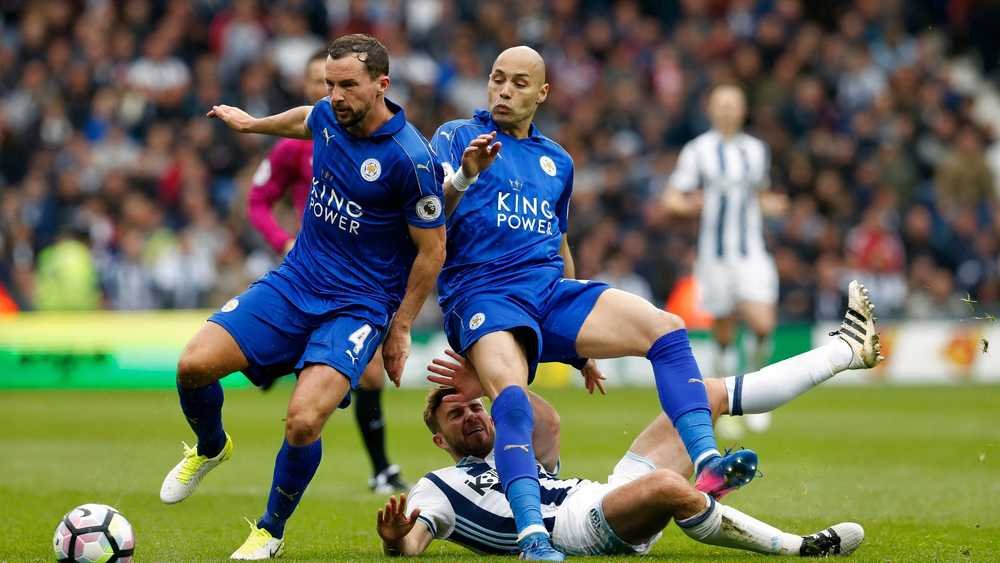
Back at Chelsea, Drinkwater’s situation became increasingly difficult. The club experienced frequent managerial changes, and none of the successive coaches were able to integrate him effectively into the team.
Following Conte’s departure in 2018, the midfielder struggled to convince subsequent managers such as Frank Lampard and Thomas Tuchel that he deserved a regular role.
As a result, he was sent out on loan in an attempt to revive his career. Among the clubs he joined temporarily were Aston Villa F.C. and Burnley F.C..
Unfortunately, these spells failed to restore his form or confidence. Drinkwater struggled to rediscover the level of performance he had shown during his time at Leicester.
Final Years at Chelsea
When his contract with Chelsea eventually expired in 2022, Drinkwater’s time at the club had produced only 24 appearances in total.
That figure was particularly striking when compared with his final season at Leicester, during which he had played 39 matches.
Although he was technically part of the squad during Chelsea’s victories in the UEFA Europa League and the FA Cup, his contribution to those successes was minimal.
He did not appear in the matchday squads for either of the finals, reflecting how peripheral he had become within the team.
Leicester’s Legacy and Drinkwater’s Place in History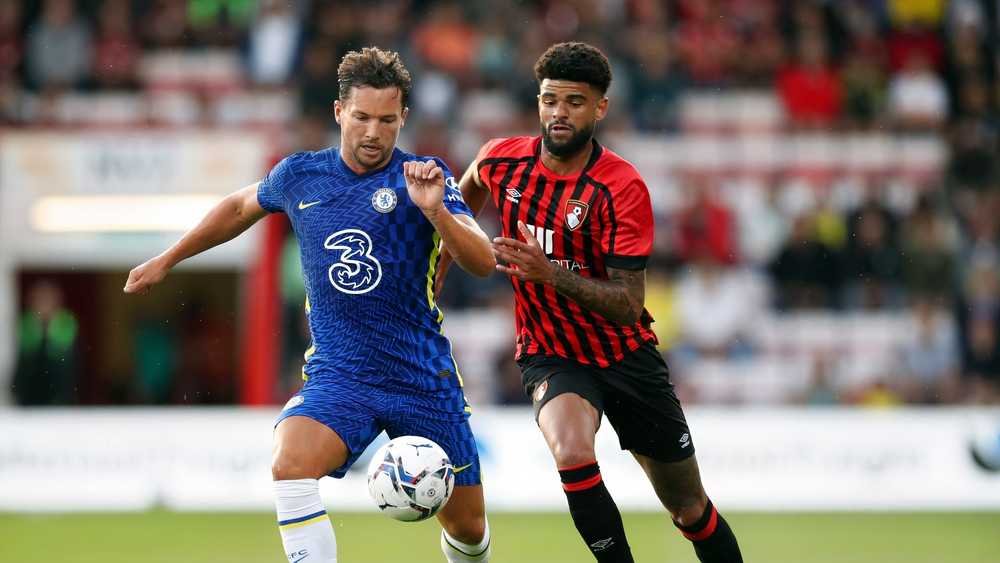
Despite the disappointment of his Chelsea spell, Drinkwater’s role in Leicester’s historic title win ensures he will always hold a special place in the club’s history.
The 2015–16 Premier League triumph remains widely regarded as one of the greatest achievements in modern sport.
For Leicester supporters, Drinkwater’s performances during that unforgettable season are still remembered fondly. Even though he later chose to leave for a more lucrative opportunity, his contribution to the club’s success has not been forgotten.
From Leicester’s perspective, the transfer to Chelsea proved to be a masterstroke. They managed to maximise both the player’s performances on the pitch and his market value when selling him.
While the move ultimately failed to deliver the success Chelsea had hoped for, it allowed Leicester to strengthen their squad and continue building on their remarkable rise in English football.
-
 Blog1 month ago
Celtic issues a fiery VAR statement after Trusty’s red card appeal is dismissed, as furious chiefs release referee audio publicly.
-

 Blog2 months ago
Celtic informed their January signing under Martin O’Neill that he wouldn’t play a single minute this season.
-
 Blog1 month ago
Celtic issued an £83 million warning amid looming UEFA threats.
-

 Blog1 month ago
SFA Expected to Review Missed Penalty in Rangers v Celtic Clash
-

 Blog3 days ago
Police respond after reported disorder following Middlesbrough vs Millwall clash
-

 Blog10 months ago
“Courtside to Aisle-Side: Tyrese Haliburton and Jade Jones Set New Wedding Date”
-
 Blog1 month ago
£6m star is looking to leave Rangers this summer and has already announced his next club publicly.
-

 Blog2 weeks ago
Rangers victory overshadowed by refereeing controversy