
Blog
Leicester supporters criticize the Foxes player for showing lack of interest and commitment.

Leicester City supporters have turned their frustration toward one particular Foxes player, accusing him of showing little interest or commitment during a season that has tested patience to its limits.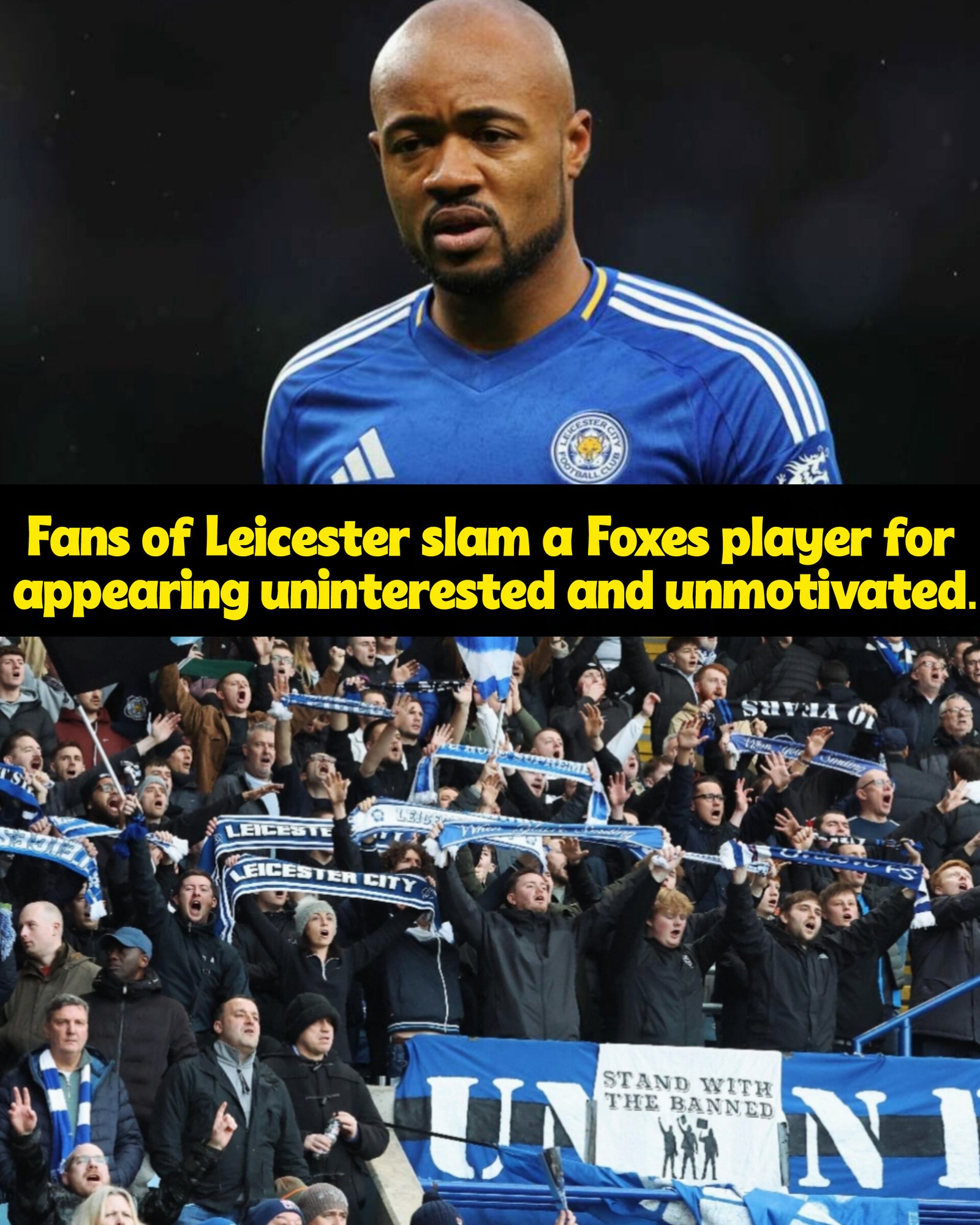
The signing of Jordan Ayew always carried an element of risk. From the outset, it was a move that raised eyebrows rather than confidence. Many questioned the logic behind the transfer, and in hindsight, those doubts appear justified. What was initially viewed with caution has since evolved into a situation far more disappointing than even the most skeptical observers anticipated.
Watching Ayew operate as a central attacking figure has been a source of exasperation for large sections of the fanbase. His influence on matches has been minimal, and his overall contribution has failed to meet expectations. Critics argue that he has struggled to cope with the physical intensity of the EFL Championship, let alone the faster pace and heightened demands of Premier League football.
The dissatisfaction extends beyond performances alone. A particularly contentious decision by the club’s hierarchy was awarding Ayew the iconic No.9 shirt—a jersey closely associated with Jamie Vardy’s legacy and goal-scoring excellence. For many fans, that shirt represents years of relentless work ethic, clinical finishing, and unforgettable moments. To see it handed to a player perceived as lacking drive has been viewed not merely as a questionable choice, but as a symbolic misstep.
Supporters feel that the decision signaled a disconnect between those running the club and the identity Leicester City has cultivated over the years. The No.9 shirt carries weight and expectation. Giving it to someone critics believe does not embody the spirit or energy traditionally associated with it has struck a nerve among the faithful.
On the pitch, the sense of disconnect appears evident. Observers have pointed out that teammates frequently bypass Ayew during attacking moves, suggesting a lack of trust in his ability to deliver. His body language has also come under scrutiny, with some fans interpreting it as passive or disengaged. For a striker, whose primary responsibility is to score and lead the line with authority, a modest goal tally only intensifies the criticism.
Rather than serving as a focal point in attack, Ayew has often seemed peripheral. The frustration is amplified by the belief that he does not display the hunger or intensity supporters expect from someone leading the forward line. In a team striving for stability and momentum, perceived indifference can quickly become a lightning rod for anger.
The tipping point for many came during Leicester’s disappointing defeat to Norwich City on Saturday. That performance, described by some as a capitulation, crystallised the resentment building among the Blue Army. Footage circulating after the match appeared to show Ayew lacking urgency and commitment, reinforcing existing grievances.
As Norwich tightened their grip on the contest, Ayew—introduced as a substitute—was expected to inject energy and determination. Instead, critics argue that his display lacked urgency. For a player coming off the bench, where fresh legs and renewed intensity are typically vital, the perceived lethargy was particularly galling.
After two years of Jordan Ayew, I can say this guy has zero character on the pitch. Dude has no soul in him. pic.twitter.com/s5uiHm52jD
— StolarczykSZN 🇵🇱 (@Nyanek_) February 24, 2026
Supporters who invest time, money, and emotional energy into following the club demand visible effort above all else. Even in defeat, fans often forgive shortcomings if players demonstrate commitment and fight. What they find harder to accept is an impression of apathy.
The reaction on social media was swift and unforgiving. Fans described the performance as emblematic of a wider problem—one that reflects not only individual struggles but broader concerns about recruitment and squad management. The perception that Ayew has been given opportunities without justifying them has only deepened resentment.
There is also an underlying fear that continued reliance on a player perceived as underperforming could harm the club’s long-term trajectory. While squad depth and alternative options may be limited, many supporters believe persistence with a struggling figure risks eroding both results and morale.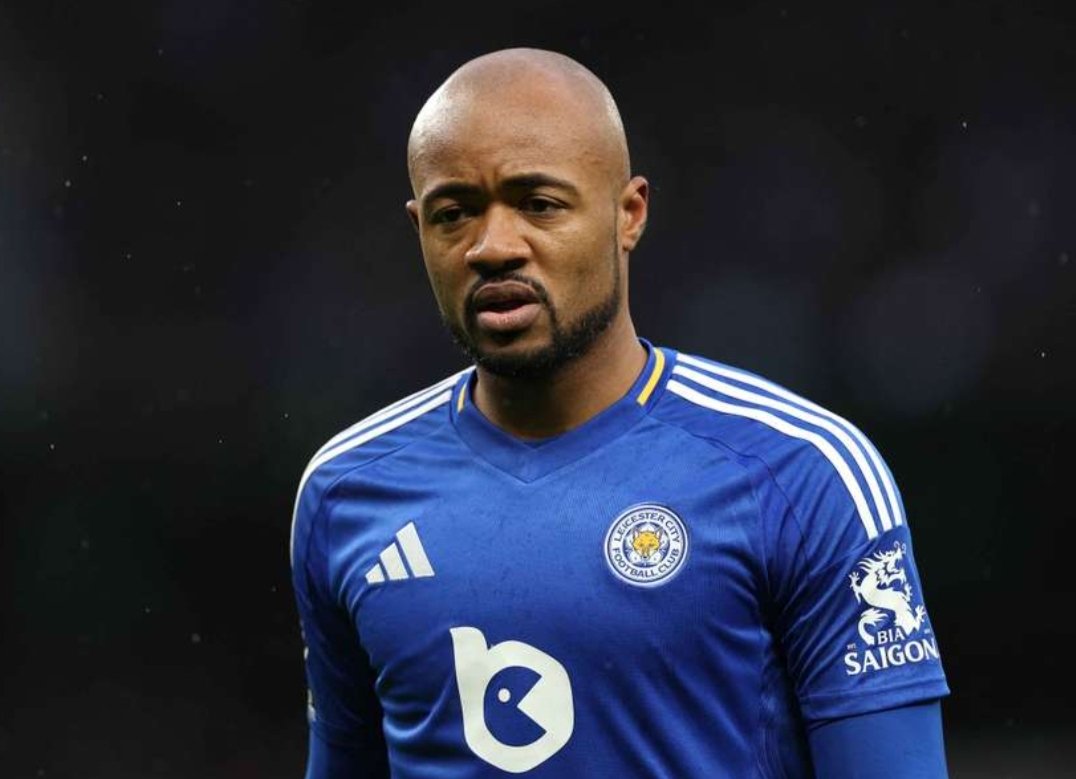
Leicester’s identity has historically been built on resilience, teamwork, and tireless industry. The memory of improbable triumphs and collective determination remains fresh in the minds of supporters. Any suggestion that a player does not embody those values feels like a betrayal of that ethos.
Critics argue that if management continues to back Ayew despite mounting evidence of underperformance, it could cost more than just points on the table. It could undermine the culture and standards the club has worked so hard to establish.
In football, perception often becomes reality. Whether fair or not, Ayew has become a symbol of broader frustrations surrounding Leicester’s recent struggles. Until performances improve or circumstances change, the scrutiny is unlikely to subside.
For now, the message from sections of the fanbase is clear: effort and commitment are non-negotiable. Without them, no player—regardless of experience or reputation—will escape criticism.
-
 Blog2 months ago
Celtic issues a fiery VAR statement after Trusty’s red card appeal is dismissed, as furious chiefs release referee audio publicly.
-

 Blog2 months ago
Celtic informed their January signing under Martin O’Neill that he wouldn’t play a single minute this season.
-
 Blog2 months ago
Celtic issued an £83 million warning amid looming UEFA threats.
-

 Blog1 month ago
SFA Expected to Review Missed Penalty in Rangers v Celtic Clash
-

 Blog1 week ago
Police respond after reported disorder following Middlesbrough vs Millwall clash
-

 Blog10 months ago
“Courtside to Aisle-Side: Tyrese Haliburton and Jade Jones Set New Wedding Date”
-

 Blog2 months ago
£6m star is looking to leave Rangers this summer and has already announced his next club publicly.
-

 Blog3 weeks ago
Rangers victory overshadowed by refereeing controversy