
Blog
Shocking turn as player unlikely to join Celtic while Premier League side prepares quick move

Celtic’s January transfer plans have taken another unexpected turn, with a winger once thought to be on the verge of joining the Scottish champions now seemingly heading elsewhere. What appeared to be a straightforward move has developed into a situation described as a “huge twist,” with a Premier League club reportedly ready to move quickly and hijack the deal.
Just over a week ago, Celtic entered a period of major transition. The club ended Wilfried Nancy’s short and turbulent spell in charge and turned once again to a familiar face, appointing Martin O’Neill as manager until the end of the season. The decision immediately steadied the atmosphere around Celtic Park after weeks of unrest, which had intensified following a painful defeat to Rangers.
O’Neill’s return brought an instant sense of calm and control. His first match back in the dugout ended in a convincing 4–0 win over Dundee United, a result that helped ease supporter frustration and restore confidence. Goals from Yang Hyun-jun, Arne Engels, Benjamin Nygren and Daizen Maeda ensured the comeback could hardly have gone better, and it reinforced the belief that Celtic remain firmly in the title race.
Despite the change in management, Celtic’s recruitment team have continued working behind the scenes to strengthen the squad during the January transfer window. One of the players strongly linked with a move to Glasgow is Jocelin Ta Bi, the highly rated winger currently playing for Hapoel Petah Tikva. The 20-year-old has been viewed as a promising addition, capable of adding pace and creativity to O’Neill’s attacking options.
Earlier this month, reports suggested the deal was close to completion. On January 6, Foot Mercato claimed that Ta Bi was on course to sign for Celtic during the winter window. The report added that Celtic representatives had travelled to Israel to carry out the necessary medical checks, with journalist Sébastien Denis relaying the information for the French outlet. At that stage, the move appeared to be progressing smoothly, and the expectation was that Celtic would soon finalise the signing.
However, days later, the transfer remains unresolved. Celtic have yet to officially complete the operation, while attention has also turned to alternative targets. In the meantime, the club has reportedly submitted a loan offer for FC Nantes forward Mohamed Bamba, suggesting they are keeping multiple options open as they assess their attacking needs.
Sébastien Denis has now provided a fresh update, and it has significantly altered the outlook of the Ta Bi situation. Posting on X, formerly Twitter, the journalist revealed that there has been a dramatic change in circumstances. According to Denis, the move that once looked all but done has taken a different direction entirely.
He explained that although everything initially seemed settled for Ta Bi to make the switch to Celtic, the winger is now unlikely to arrive in Glasgow this month. Instead, Denis claims the player is set to move to England, with a Premier League club preparing to act swiftly. While the identity of the English side has not been disclosed, the suggestion is that they are ready to capitalise on the uncertainty and secure the Ivorian’s signature.
This development has raised questions about what exactly caused the deal to stall. Reports emerging from Scotland have suggested that Celtic may have withdrawn from the transfer after issues arose during Ta Bi’s medical examination. However, these claims have yet to be fully confirmed, and no official statement has been made by the club. With multiple versions of events circulating, it remains unclear whether medical concerns, contractual complications, or outside interest from England ultimately derailed the move.
What is certain is that the situation is still evolving. Ta Bi’s future appears undecided in public terms, and further updates are expected in the coming days. For Celtic, the twist is an unwelcome distraction at a time when O’Neill is attempting to rebuild momentum and push for silverware in the second half of the season.
The episode also highlights how quickly transfer plans can change, particularly during the January window. Even deals that seem close to completion can unravel at the last moment, especially when clubs from larger leagues enter the picture. For a young player like Ta Bi, the prospect of a Premier League move may prove difficult to resist, particularly if it offers long-term opportunities at the highest level.
From Celtic’s perspective, the focus will now be on ensuring they do not lose valuable time. Whether they revive their interest in Ta Bi, pursue Bamba, or identify another target altogether, reinforcements are clearly on the agenda as they attempt to close the gap at the top of the Premiership.
For now, what once looked like a routine signing has become a complex and uncertain saga. With a Premier League swoop reportedly imminent and conflicting accounts surrounding Celtic’s withdrawal, the final outcome remains to be seen. One thing is clear, though: this transfer story is not finished yet.
Aberdeen and Rangers supporters involved in large-scale disorder ahead of Pittodrie fixture
Tensions flared in Aberdeen on Sunday afternoon as groups of Aberdeen and Rangers supporters were involved in a significant disturbance in the build-up to their Scottish Premiership clash at Pittodrie Stadium.
The incident took place on Summerfield Terrace, roughly a mile from the ground, where Police Scotland officers were forced to intervene to prevent the situation from escalating further. Video footage circulating online shows a heavy police presence attempting to keep the two sets of fans apart as emotions ran high ahead of one of Scottish football’s most combustible fixtures.
According to police, there were no reported injuries following the disorder and, at the time of writing, no arrests had been confirmed. Officers remain in the process of making further enquiries to establish the full circumstances surrounding the confrontation.
Footage reviewed by local media appears to show a group of around 50 Rangers supporters moving together toward a police line that had been formed across the road. Many of those involved were dressed in dark clothing, with some individuals wearing blue balaclavas or face coverings. Facing them, on the opposite side of the officers, was a smaller group of Aberdeen fans, also largely dressed in black.
In the video, approximately ten uniformed police officers can be seen standing between the two groups, attempting to push the Rangers supporters back and prevent contact. However, as tensions escalated, both groups suddenly moved around the officers, rushing toward one another.
What followed was a brief but intense clash, with punches thrown from both sides and objects reportedly hurled through the air. The situation quickly became chaotic, forcing police to act decisively to regain control of the street.
Additional officers were called to the scene within moments, with reinforcements arriving rapidly to support colleagues already struggling to contain the disorder. Police moved to force the Aberdeen supporters back toward one end of the street, effectively cornering them away from the main confrontation point.
At the same time, other officers focused on dispersing the Rangers fans, physically pushing them back down the residential road and away from the area. The footage shows officers jostling with individuals in an effort to break up the group and restore order.
During the confrontation, one individual appeared to swing an arm toward a police officer, while another fell to the ground amid the pushing and shoving. Officers continued to advance, eventually forcing the Rangers supporters to retreat and escorting them away from the scene.
The video ends with Rangers fans being guided down the street under police supervision, while officers maintained a strong presence to ensure no further clashes occurred. The disturbance was eventually brought under control before either group reached Pittodrie Stadium.
Police Scotland later issued a brief statement confirming the incident and reassuring the public that no injuries had been reported. Chief Inspector Christopher Kerr said officers were deployed in response to the disorder and that investigations remain ongoing.
“Ahead of the Aberdeen v Rangers match on Sunday, January 11, 2026, there was a disturbance involving football supporters,” he said. “There have been no reports of injuries, and enquiries are continuing.”
The fixture between Aberdeen and Rangers is considered one of the most high-risk matches on the Scottish football calendar, with police routinely implementing enhanced measures to manage crowds and prevent disorder. While most supporters travel peacefully to matches, incidents like this underline the challenges faced by authorities when dealing with large numbers of fans and heightened emotions.
Local residents in the Summerfield Terrace area were left shocked by the scenes, as the clash unfolded on a normally quiet residential street. The heavy police response helped prevent the incident from spreading further or causing serious harm, but the footage has once again raised concerns over supporter behaviour surrounding major matches.
Scottish football authorities and clubs have repeatedly called for calm and responsible conduct from fans, particularly during high-profile fixtures. Both Aberdeen and Rangers have previously condemned violence and disorder associated with their supporters and continue to work alongside police to reduce the risk of such incidents.
As enquiries continue, police will review available footage and witness accounts to determine whether any further action is required. Supporters attending future fixtures are being reminded to respect public safety and allow matches to be enjoyed without incidents overshadowing events on the pitch.
Hugh Keevins warns Celtic could require a takeover before Rangers move ahead, with one rule dominating Dermot Desmond’s mindset
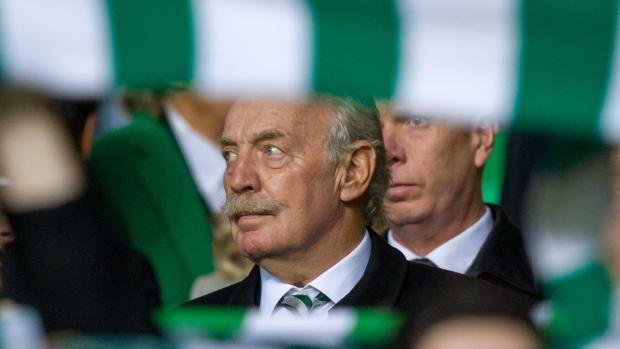
Major Celtic shareholder Dermot Desmond (Image: Shutterstock)
Dermot Desmond operates in a world where value dictates decisions. As a veteran stockbroker, he understands that everything has a price — and that philosophy inevitably extends to football clubs, even those where he holds enormous influence. At Celtic, Desmond is not officially the owner, but in practice he remains the dominant power. That reality has prompted a growing question in recent weeks: could Celtic actually benefit from a takeover before their long-standing advantage over Rangers disappears altogether?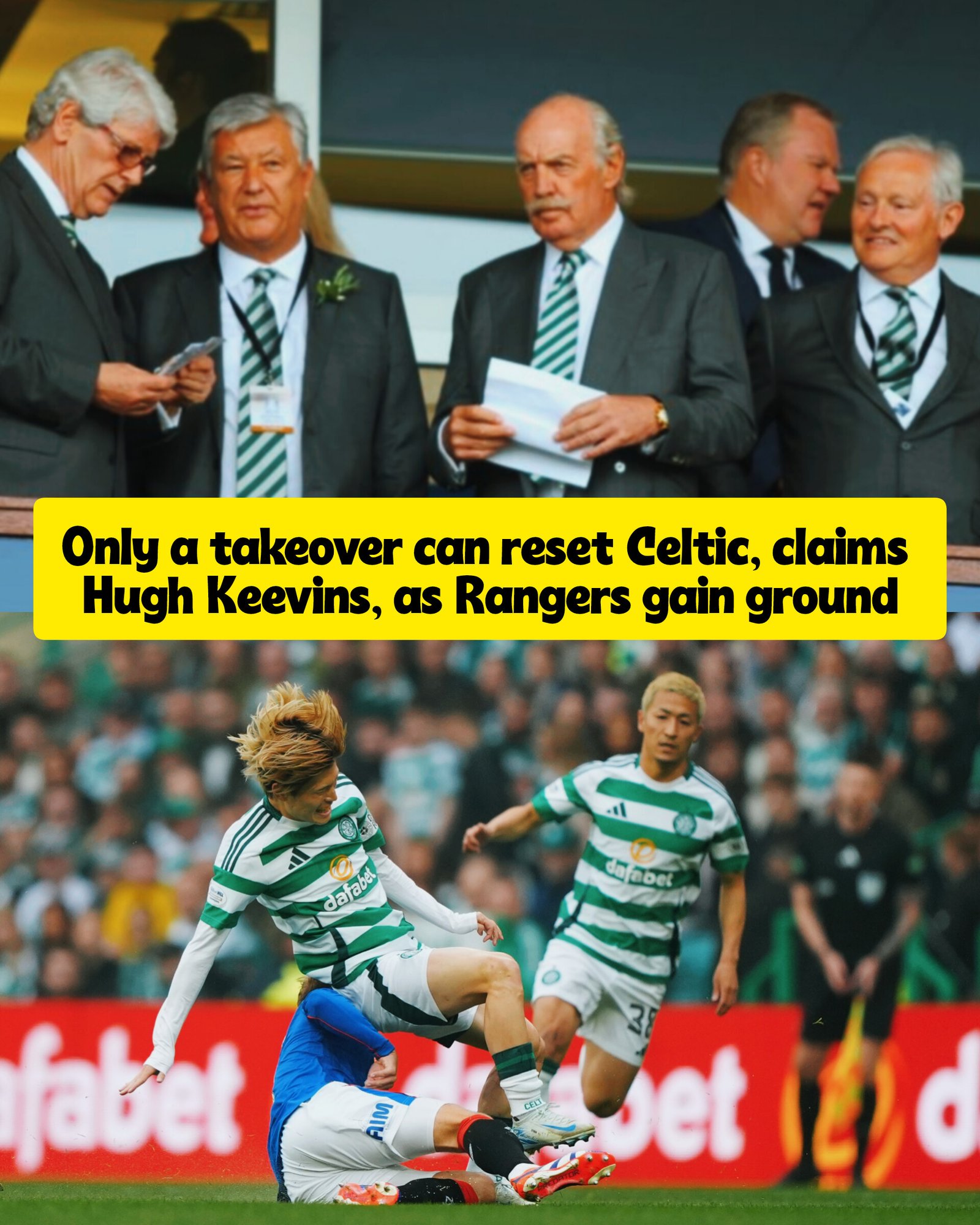
For more than a decade, Celtic have existed in a position of near-total domestic dominance. Rangers’ financial collapse, administration, and liquidation in 2011 left their city rivals floundering for years, unable to mount a serious challenge either on or off the pitch. The honours list since then tells a clear story — Celtic have ruled Scottish football with little resistance.
However, the landscape is changing, and for the first time in roughly 15 years, Rangers appear stable. Backed by 49ers Enterprises, they now enjoy financial security, structured leadership, and a sense of long-term planning. While Rangers are not yet an elite side, they are coherent, organised, and upwardly mobile. Celtic, by contrast, look increasingly disjointed.
Despite holding a reported £77 million in cash reserves, Celtic’s financial muscle is currently failing to translate into footballing authority. Money in the bank is only useful if it is applied effectively, and recent events suggest Celtic’s resources are being squandered rather than strategically deployed.
Over the past six months alone, the club’s finances will have been dented by severance packages and compensation payments. Brendan Rodgers was removed in controversial fashion. His successor, Wilfried Nancy, lasted just 33 days before being dismissed. In between, Martin O’Neill was hired — then re-hired — as interim manager, only to be sidelined before a cup final he might realistically have won.
There were multiple opportunities to correct course earlier. Celtic could have reinstalled O’Neill immediately after a humiliating defeat to Motherwell. Instead, they allowed Nancy to stagger into an Old Firm match that was lost, worsening the damage before the inevitable sacking followed just days later. Even Paul Tisdale, the head of football operations, was eventually removed — though not before leaving O’Neill to work with what many regard as an underwhelming squad.
Taken together, these decisions point to dysfunction at boardroom level. Celtic currently have no permanent manager, no chairman, and no head of football operations. There is no visible long-term football strategy, no clear structure supporting recruitment, analytics, or modern performance infrastructure. These are elements now embedded at Rangers — and increasingly common across Europe.
The squad itself reflects this instability. O’Neill has openly acknowledged that the playing group he inherited is short of quality and balance. Nancy’s appointment proved disastrous from the outset, while Rodgers’ departure was handled in a manner widely viewed as disrespectful and damaging to the club’s reputation.
Yet, despite all of this, Celtic remain an attractive asset. Like Rangers, they operate in a league where relegation is virtually impossible and European qualification is expected every season. From an investor’s perspective, that makes them an appealing proposition. This is why the idea of a takeover is not as far-fetched as it may once have seemed.
The timing is critical. Season ticket renewals begin in March, and the mood among supporters is deeply unsettled. Recent matches have been marred by protests and boycotts. The game against Dundee United at Celtic Park was set to be shunned by large numbers of season-ticket holders until O’Neill’s return was confirmed. Even then, a planned boycott involving 142 supporter buses is still expected to go ahead.
Commercial consequences are already being felt. Merchandise sales have reportedly dropped sharply following calls from the Celtic Fans Collective to withhold financial support. Matchday revenue, retail income, and overall goodwill are all being eroded by frustration with how the club is being run.
Football success and business success are inseparable. When a team performs well, fans spend freely. When performances collapse and trust evaporates, supporters disengage. Celtic now face the latter scenario. Failing to win the league — whether to Hearts or a Rangers side many still regard as imperfect — would be an embarrassment entirely of their own making, especially given their superior financial position.
Domestically, Celtic’s stature is slipping. In Europe, it has already diminished significantly. This decline is not the result of bad luck or unavoidable circumstance, but of repeated misjudgements in managerial appointments and player recruitment. Responsibility ultimately rests at the top.
At Celtic, decision-making authority funnels through one individual. When Desmond is not directly involved, chief executive Michael Nicholson acts in alignment with his vision. That is why Nicholson’s statement just weeks before Nancy’s dismissal — expressing “great optimism” about the future under Wilfried — left supporters stunned.
From a business standpoint, analysts estimate that around 30,000 season-ticket holders will renew regardless of circumstances. For them, Celtic is an emotional constant, a defining part of life. But there are believed to be around 20,000 others who approach renewal more pragmatically. These supporters expect value, direction, and ambition — and they are not convinced those qualities are currently present.
One radio caller summed up the mood starkly, stating that his family would not use their three season tickets again until Nancy was gone. Nancy has now departed, but the damage lingers. Those 20,000 wavering fans need reassurance, not slogans.
Much of the fan discourse focuses on individual players — complaints about Anthony Ralston’s suitability or Johnny Kenny’s lack of goals. But these issues are symptoms, not causes. The deeper problem is a shift in power and perception within Glasgow football.
Celtic once held an eight-point lead over Rangers when Danny Rohl was appointed elsewhere. That cushion has vanished. Rangers, once dismissed as chaotic and financially crippled, are now organised and ambitious. Celtic, conversely, appear reactive, unsettled, and uncertain.
The board will not be removed — they act with Desmond’s approval. Internal reform seems unlikely. That is why some believe only an external intervention, in the form of a takeover, can alter Celtic’s trajectory. Without change at the top, the club risks drifting further into instability.
For now, Celtic have pulled themselves back from the brink with O’Neill’s return. But the underlying issues remain unresolved. If the current regime continues unchanged, the potential for further turmoil is not hypothetical — it is probable.
The balance of power in Glasgow is shifting. Whether Celtic respond decisively or allow that shift to accelerate may define the next decade of Scottish football.
O’Neill targets £6.5m forward who could outperform Kyogo at Celtic
Martin O’Neill appears ready to look beyond a sentimental reunion as Celtic weigh up their options in the January transfer window, with the club now linked to a forward who could represent better long-term value than Kyogo Furuhashi.
Reports earlier this week suggested Celtic had opened discussions with Birmingham City over the possibility of bringing Kyogo back to Parkhead just 12 months after his £10m move to Rennes. The Japanese striker later joined Birmingham and was thought to be considering his next step after a difficult spell in England.
However, O’Neill has since played down those rumours, insisting that a return for Kyogo this month is “unlikely”. That stance reflects both the player’s current situation and Celtic’s evolving recruitment priorities. Kyogo, despite enjoying a hugely successful first spell in Glasgow, now appears keen to establish himself in England rather than revisit his past in Scotland.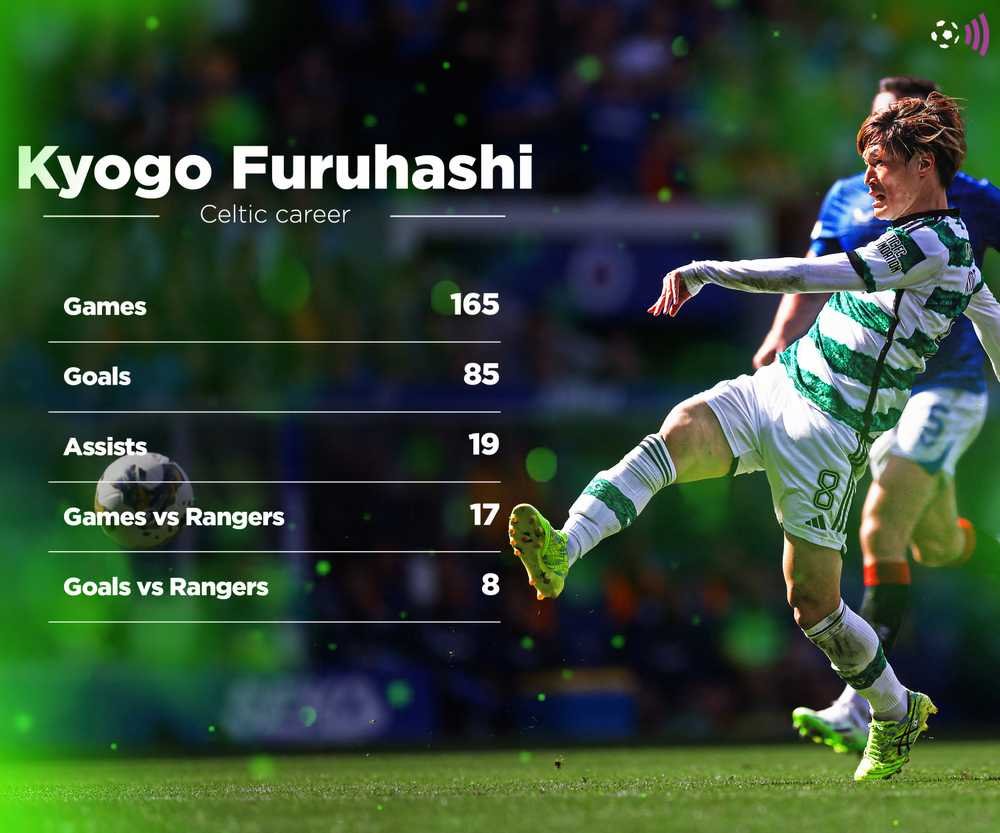
During his original time at Celtic, Kyogo was one of the club’s most prolific modern forwards, scoring 85 goals in all competitions and becoming a fan favourite for his movement, finishing, and big-game impact. Yet his form this season has raised concerns. The 30-year-old has managed just one goal in 25 appearances for Birmingham, a return that suggests he may struggle to immediately rediscover his best level if he were to return north of the border.
With that context in mind, Celtic are exploring alternative attacking targets — and one name emerging strongly is Hibernian striker Kieron Bowie.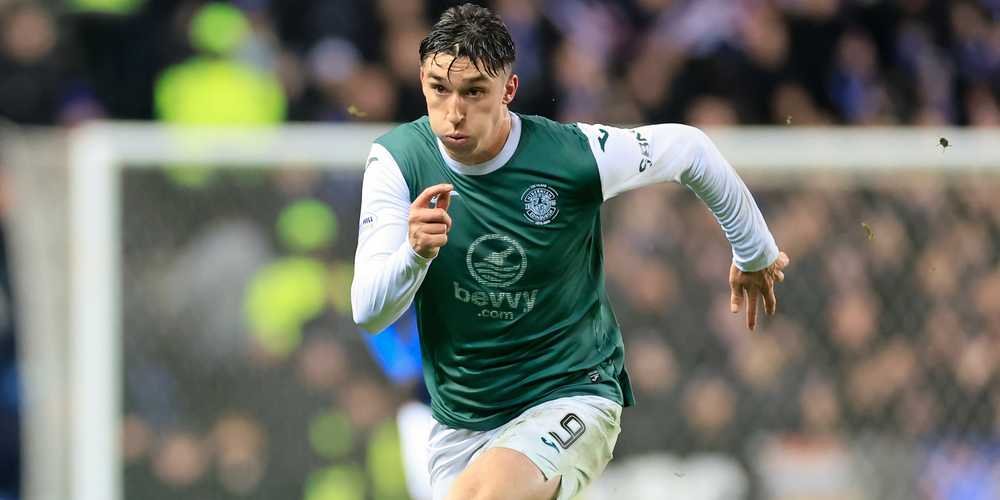
According to Football Insider, Celtic have joined Rangers in registering an interest in the Scotland international as they both look to add firepower to their squads. Bowie’s performances in the Scottish Premiership have attracted attention beyond Glasgow, with clubs in the English Championship as well as sides in Italy and Belgium also monitoring his situation.
Hibernian are believed to value the 23-year-old at around £6.5m, and while it remains unclear whether Celtic are preparing a formal bid, the level of competition suggests any deal would be far from straightforward.
From a strategic perspective, Bowie could offer a more rounded solution than Kyogo — both in the immediate term and over the longer horizon. While Kyogo’s past achievements at Celtic cannot be overlooked, his age and recent form point towards a short-term fix rather than a sustainable option.
Bowie, by contrast, is still early in his career and entering what could be a key developmental phase. Having turned 23 last September, he offers scope for further improvement while already delivering consistent output at Premiership level. That blend of potential and present-day effectiveness is exactly what Celtic’s recruitment model tends to prioritise.
Statistically, Bowie’s league performances over the past two seasons underline why he is being viewed as such an appealing target. This season alone, he has scored seven Premiership goals from an expected goals figure of 5.38, indicating strong finishing efficiency. In the previous campaign, he netted six times from 3.43 xG, again outperforming the underlying numbers.
When compared directly with Kyogo’s current Championship form, the contrast is stark. Kyogo has failed to score in league action this season despite generating an xG total of 4.91, while managing just eight shots on target. Bowie, meanwhile, has registered 19 shots on target, scored seven goals, and also contributed creatively with three assists and an expected assists figure of 2.32.
Even when measured against Kyogo’s final season at Celtic, Bowie’s output compares favourably. Kyogo scored ten Premiership goals in 2024/25 from an xG of 13.62, suggesting he underperformed relative to the chances he received. Bowie’s recent numbers indicate greater sharpness in front of goal and a growing all-round attacking contribution.
Age also plays a crucial role in this comparison. Kyogo will turn 31 later this month, limiting his resale value and placing a natural ceiling on his long-term impact. Bowie’s profile, on the other hand, aligns with Celtic’s preference for players who can contribute now while still retaining future market value.
Celtic’s need for a reliable finisher has become increasingly apparent this season. Johnny Kenny, one of the club’s current attacking options, has scored just four league goals from an xG of 6.70, highlighting inefficiency in key moments. That lack of clinical edge has put extra pressure on the recruitment team to identify a striker capable of converting chances more consistently.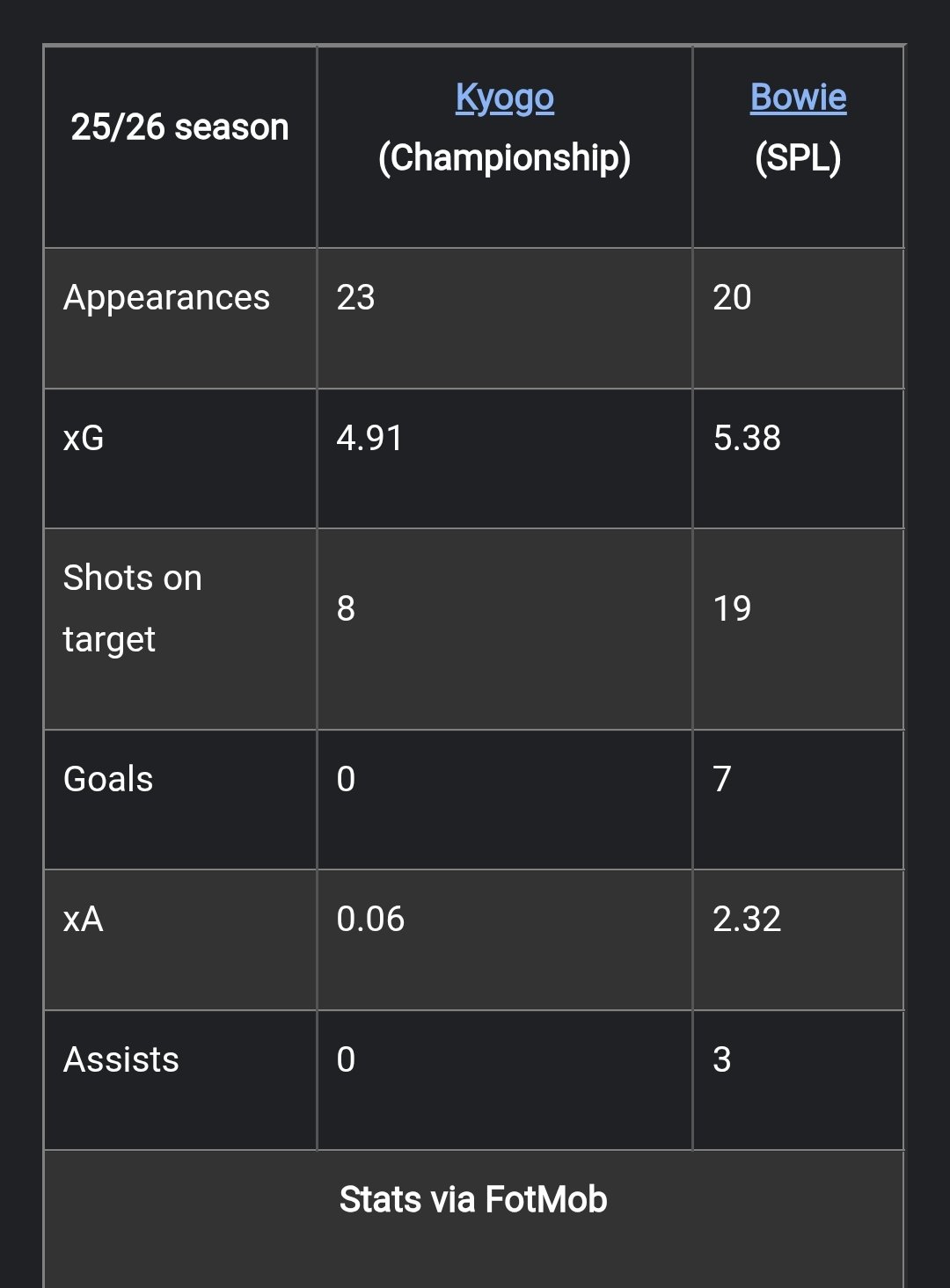
In that context, Bowie represents a compelling option. He already understands the demands of the Scottish Premiership, is physically suited to the league, and continues to show signs of improvement. While Kyogo’s name still carries emotional weight among supporters, the data and broader squad planning suggest Celtic may be better served investing in the next phase rather than revisiting the past.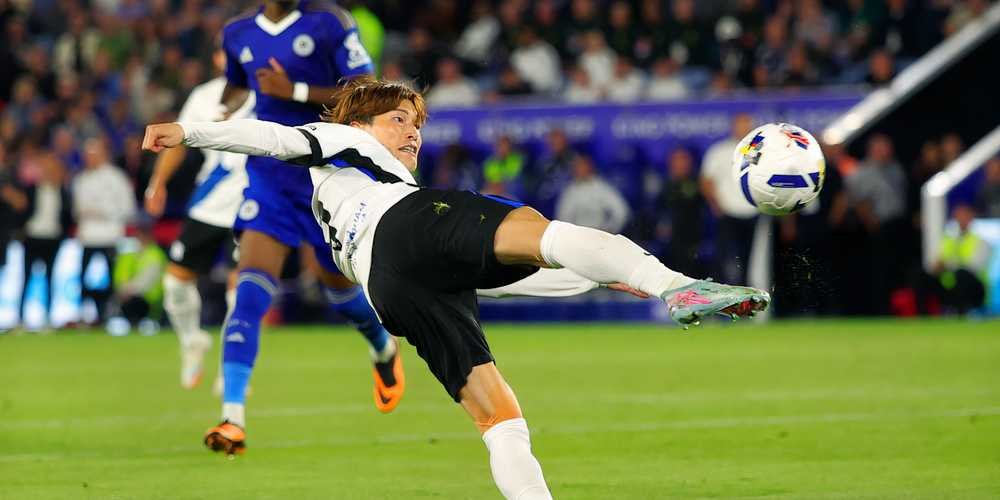
If O’Neill does sanction a move in January, Bowie’s blend of age, form, and upside could make him a smarter and more sustainable signing — one capable of strengthening Celtic now while still offering growth and value in the seasons ahead.
Celtic fast-track Kyogo Furuhashi return as former fan favourite offered Birmingham City exit
Celtic are reportedly moving quickly to engineer a surprise return for Kyogo Furuhashi, with the club eager to reinforce their attacking options ahead of Saturday’s Scottish Premiership clash against Dundee United.
With Martin O’Neill back in the dugout on an interim basis following the dismissal of Wilfried Nancy, strengthening the forward line has become an immediate priority. Celtic’s lack of depth up front has been exposed in recent weeks, prompting senior figures at the club to explore short-term solutions that could deliver an instant impact. One such solution appears to be the familiar figure of Kyogo, who is now being strongly linked with a loan move back to Parkhead from Championship side Birmingham City.
The Japanese striker remains one of the most popular players to have worn the Celtic shirt in recent years. Signed by Ange Postecoglou from Vissel Kobe in 2021, Kyogo quickly became a fan favourite thanks to his movement, work rate and eye for goal. Over the course of four seasons in Glasgow, he scored 85 goals in 165 appearances and played a key role in Celtic’s domestic dominance, collecting nine major trophies along the way.
His most prolific campaign came during the 2022/23 season, when he scored 34 goals and helped Celtic secure a domestic treble. That outstanding year also saw him sweep the individual honours, winning PFA Scotland Players’ Player of the Year, SWFA Footballer of the Year and the Premiership Golden Boot. For many supporters, Kyogo embodied the high-energy, front-foot style that defined Postecoglou’s Celtic side.
However, his decision to leave midway through the 2023/24 season caused mixed emotions among the fanbase. Kyogo departed Celtic in January to join Ligue 1 outfit Stade Rennes, a move that came at a difficult time for the club and left some supporters feeling disappointed by the timing. Unfortunately for the striker, his move to France failed to deliver the fresh start he had hoped for, with limited opportunities and form issues quickly souring the experience.
After just a few months in Ligue 1, Kyogo returned to the UK in the summer, completing a £10 million transfer to Birmingham City. The move was seen as a statement of intent from the Blues, who hoped his experience and pedigree would drive them forward in the Championship. Yet once again, things have not gone according to plan for the 30-year-old.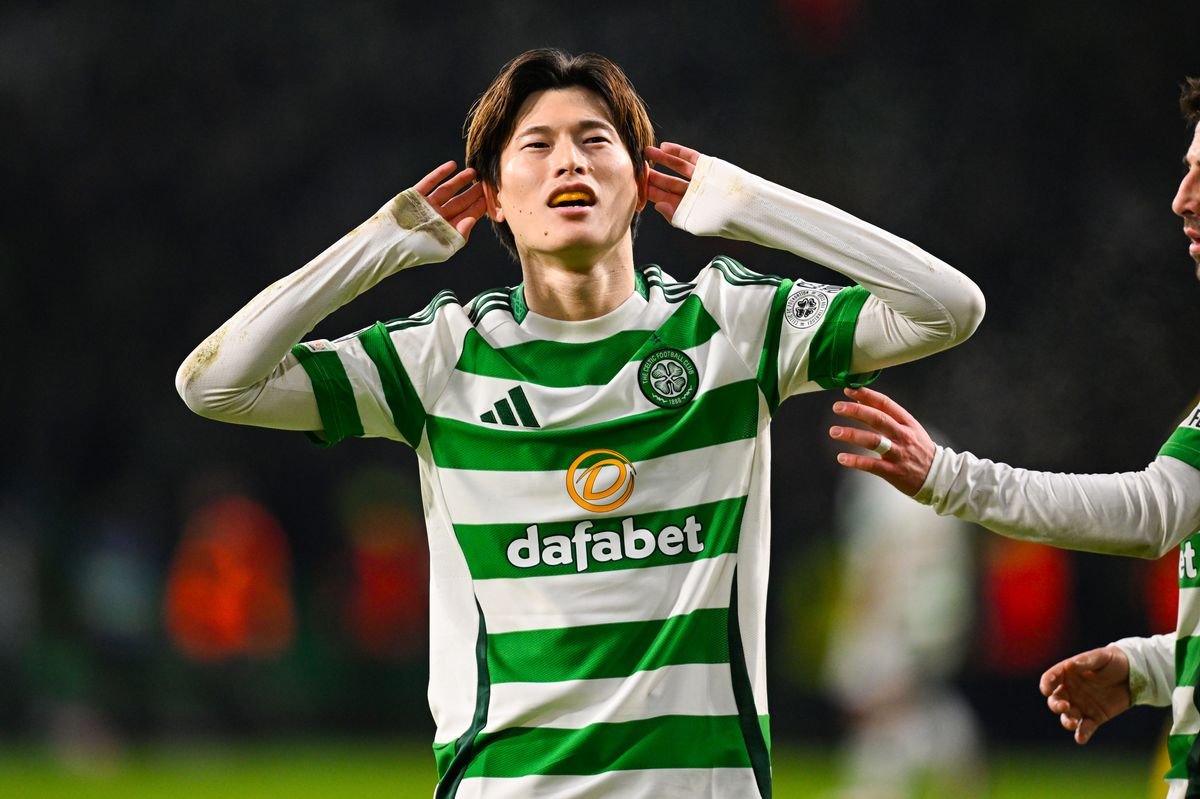
Despite featuring regularly for Chris Davies’ side, Kyogo has struggled to find the net, failing to score in 23 league appearances. His lack of goals has become an increasing source of frustration, both for the player and the club, and has placed his future in doubt just months after his arrival. With Japan’s World Cup squad for next summer looming, Kyogo is acutely aware that his current situation could jeopardise his international ambitions.
According to reports, Celtic have been monitoring his situation closely and have accelerated plans to bring him back to Glasgow on a temporary basis. It is claimed that discussions have intensified over the past 24 hours, with the club keen to finalise a deal before the weekend. The idea is understood to be a short-term loan, allowing Celtic to address their immediate striker shortage while continuing to pursue longer-term targets.
Celtic’s need for reinforcements has been heightened by injuries and a lack of reliable options in attack. Johnny Kenny, still relatively inexperienced at senior level, has been the only fully fit recognised striker available in recent matches. Meanwhile, Kelechi Iheanacho, who joined the club as a free agent after the summer transfer window closed, has struggled with fitness issues and has been unable to provide consistent cover.
In that context, the prospect of Kyogo returning, even temporarily, is seen as an attractive solution. O’Neill is believed to be pushing for attacking additions as soon as possible, with the upcoming fixture against Dundee United adding urgency to the situation. Club officials, under increasing pressure from supporters, are said to be working on multiple fronts to strengthen the squad during the January window.
Birmingham City boss Chris Davies has previously spoken candidly about Kyogo’s struggles since arriving in the Midlands. Speaking last month, Davies acknowledged the player’s frustration and admitted that things had not unfolded as either party had hoped.
Davies explained that Kyogo had arrived at the club desperate to play regularly, score goals and force his way back into the Japan setup after a difficult spell in France. While the striker has been getting into promising positions and receiving chances, he has been unable to convert them into goals. Davies stressed that Kyogo is well aware of the situation and understands that he must take responsibility for turning things around.
The Birmingham manager also pointed out that the team has created a healthy number of opportunities, with Kyogo featuring prominently in the statistics for chances received. Despite that, his finishing has let him down, something Davies believes is more a matter of confidence than ability. Nonetheless, with results at stake, patience is wearing thin.
From a Celtic perspective, a loan deal would carry relatively low risk. Kyogo’s familiarity with the club, the league and the expectations at Parkhead means he would require minimal time to settle. Many supporters believe that a return to a familiar environment could help him rediscover his sharpness and confidence quickly.
The majority of the Celtic fanbase is expected to welcome him back with open arms. Memories of his goals, work ethic and infectious enthusiasm remain fresh, and many feel his story at the club was left unfinished. A successful return could benefit all parties, giving Celtic a proven goalscorer, Kyogo a platform to revive his career, and Birmingham a chance to reassess their attacking options.
As things stand, Celtic appear determined to move swiftly. Whether the deal can be completed in time for the Dundee United clash remains to be seen, but the intent is clear. With O’Neill seeking immediate impact and supporters eager for a familiar hero to return, Kyogo’s potential homecoming has quickly become one of the most talked-about transfer stories of the window.
-
 Blog1 month ago
Celtic issues a fiery VAR statement after Trusty’s red card appeal is dismissed, as furious chiefs release referee audio publicly.
-

 Blog2 months ago
Celtic informed their January signing under Martin O’Neill that he wouldn’t play a single minute this season.
-

 Blog1 month ago
Celtic issued an £83 million warning amid looming UEFA threats.
-

 Blog1 month ago
SFA Expected to Review Missed Penalty in Rangers v Celtic Clash
-

 Blog4 days ago
Police respond after reported disorder following Middlesbrough vs Millwall clash
-

 Blog10 months ago
“Courtside to Aisle-Side: Tyrese Haliburton and Jade Jones Set New Wedding Date”
-
 Blog1 month ago
£6m star is looking to leave Rangers this summer and has already announced his next club publicly.
-

 Blog2 weeks ago
Rangers victory overshadowed by refereeing controversy