
Blog
Stoke City F.C. – Inside a £10m Training Ground Transformation Designed for Performance, Not Prestige


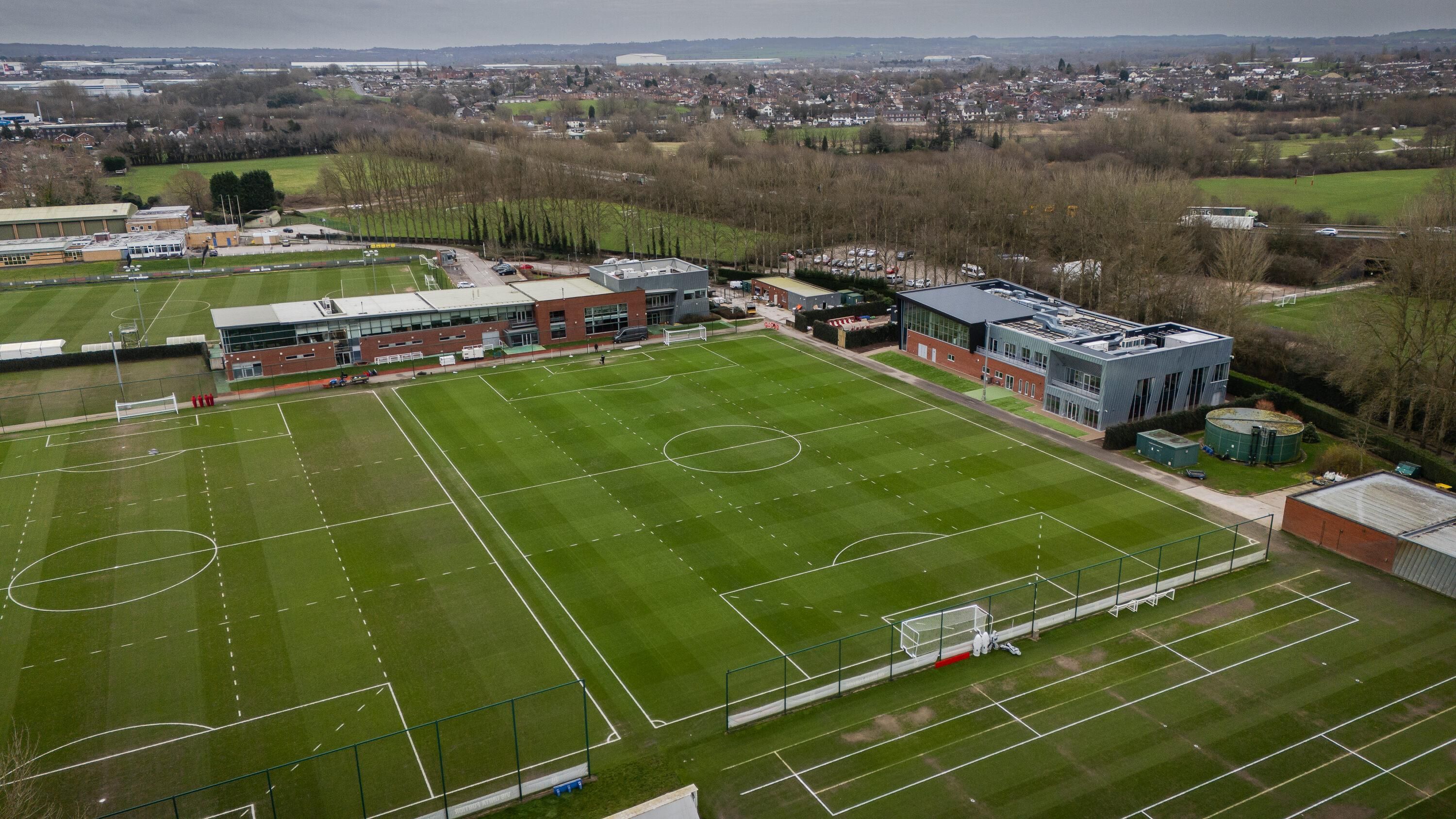
Stoke City’s sweeping £10 million redevelopment of their Clayton Wood training base is being described internally as a long-term investment in performance rather than an exercise in extravagance. Central to the upgrade is £400,000 worth of new gym equipment, along with a state-of-the-art cryotherapy chamber and a host of modern recovery and performance tools designed to give players every possible edge.
The impact, according to vice-chairman Richard Smith, is already being felt. He recalls a recent conversation with an injured player who suggested that, thanks to the new facilities, his return date might be brought forward by two weeks. While Smith acknowledges that such optimism must be treated cautiously, he believes the infrastructure now in place gives players a stronger chance of staying fit and accelerating recovery when setbacks occur.
For Smith, the measure of success lies in availability. If fewer players are sidelined and those who are injured return more quickly, the investment will have justified itself. Speaking inside the newly completed first-team complex, he reflected on the 15-month construction journey that brought the project to life. With nearly four decades in the construction industry, Smith described seeing the building filled with players and staff as immensely satisfying — the culmination of an idea that began as a rough sketch and evolved into a Premier League-standard facility.
The ambition behind the project is clear. Stoke aspire to return to the top flight, and Smith believes elite infrastructure is essential if they are to attract and retain top-tier talent. Competing in the Championship with the best facilities in the division is not enough, he argues. The club must match the standards of Premier League rivals, many of whom have invested heavily in their own training environments.
The redevelopment forms part of a broader financial commitment to Clayton Wood that now exceeds £25 million since Smith was asked by his father-in-law, club chairman Peter Coates, to oversee property matters in 2008. When Smith first took on the role, the site lacked even basic utilities such as mains electricity and running water. Situated partly on a floodplain, sections of the ground would become waterlogged during winter months. Around £500,000 was required to address drainage issues, with a further £1 million invested in irrigation systems to stabilise and improve the pitches.
Before embarking on the original pavilion project in 2009 — a £4 million build — Smith and his colleagues toured facilities at clubs such as Everton F.C. and Aston Villa F.C. to benchmark standards. That first pavilion has since undergone multiple expansions as the club’s player and staff numbers increased across both senior and academy levels. Regulatory changes, particularly within academy structures, forced further adjustments and extensions. Yet despite those upgrades, the complex eventually became overcrowded and increasingly outdated in light of rapid technological and sports science advancements.
Originally, the club did not foresee the need for an entirely separate first-team building. However, a long-term masterplan had always earmarked the site for “future development.” When it became evident that a dedicated space for the senior squad was required, the designated plot proved ideal — both practically and logistically.
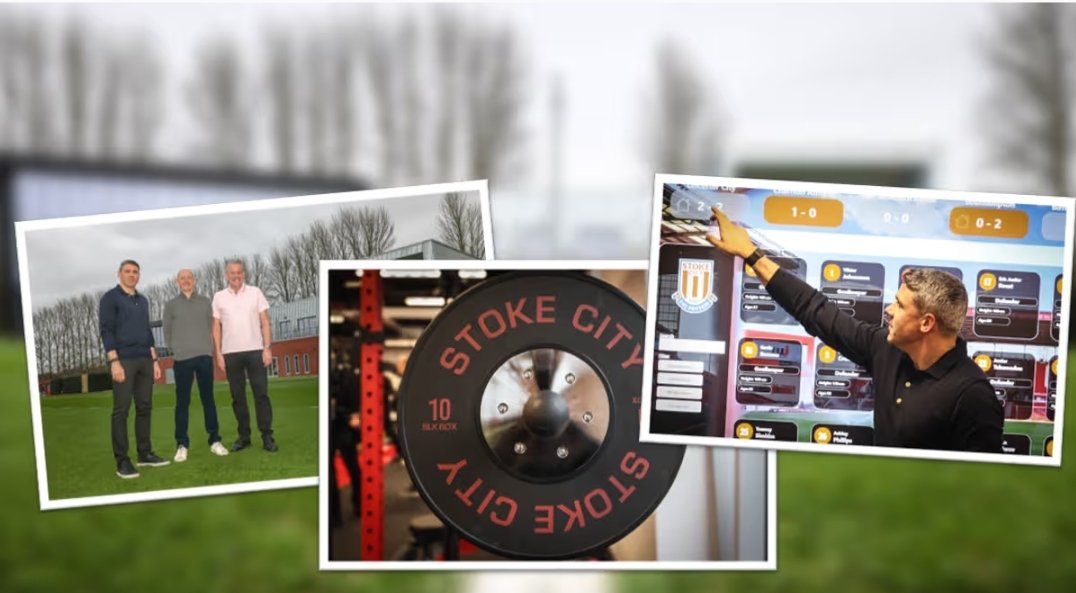
Stoke City have opened their new £10m first team training facility, complete with personalised weights and state of the art technology.(Image: Pete Stonier)
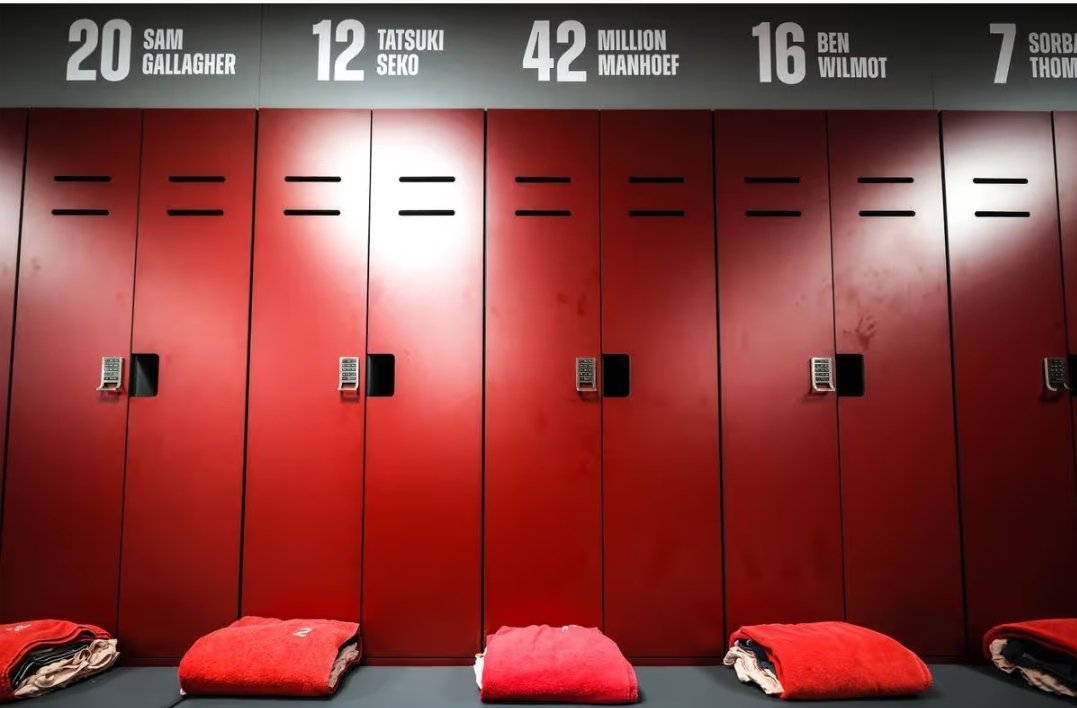
Personalised lockers in the changing room.(Image: Pete Stonier)
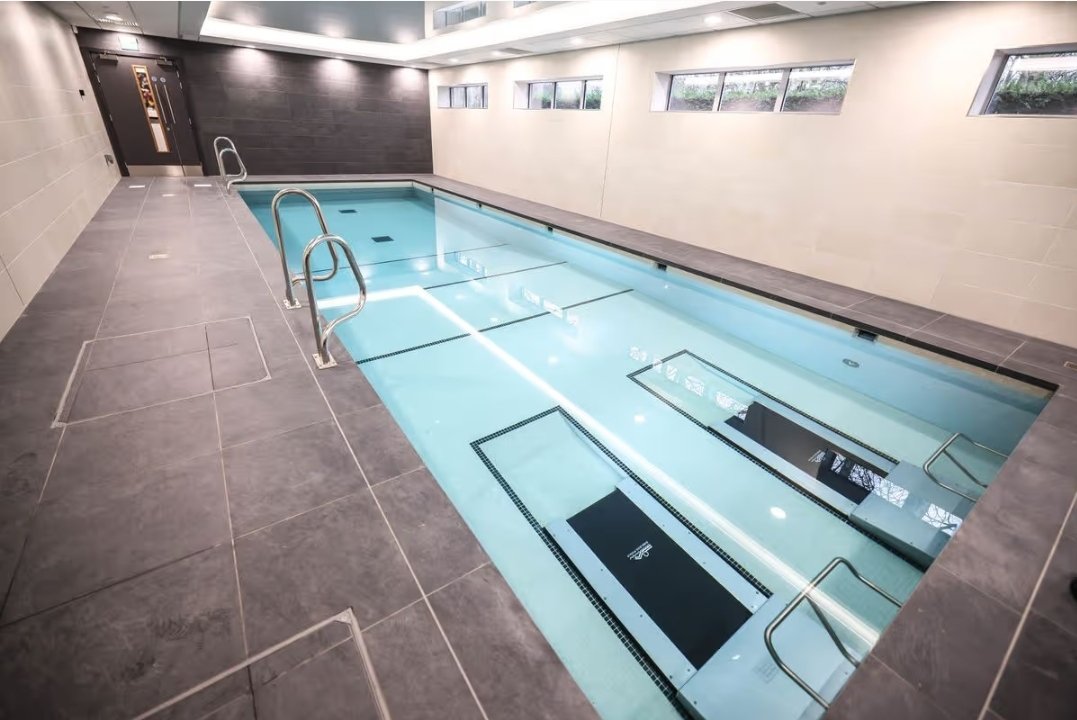
Treadmills in the swimming pool.(Image: Pete Stonier)
The new facility’s gym alone represents a significant leap forward. The £400,000 investment includes bespoke Stoke City-branded weights, advanced force plates capable of measuring reaction times and power output, and pneumatic compression garments — jokingly likened to something out of Wallace and Gromit — designed to improve circulation and accelerate muscle recovery.
One of the most eye-catching additions is the club’s permanent cryotherapy chamber. Previously reliant on a rented mobile unit, Stoke now own a world-class installation that exposes players to temperatures as low as minus 120 degrees Celsius for short recovery sessions. The treatment reduces inflammation and supports rapid muscle repair, although its operation comes with substantial ongoing costs, particularly in sourcing liquid nitrogen.
Smith noted that when one of Stoke’s peer clubs famously won the Premier League against the odds, cryotherapy was cited as part of their recovery strategy. While once considered cutting-edge, such equipment is now viewed as standard practice for elite athletes. For Stoke, integrating cryotherapy permanently into their setup was a logical step rather than a luxury.
Beyond the gym and cryotherapy, the new building includes expanded aquatic facilities. In addition to hydrotherapy, players now have access to a swimming pool and dedicated cold plunge areas. These additions were driven by consultation with football operations staff rather than executive preference. Smith emphasised that his role was to deliver the specifications outlined by those working directly with players. Given a blank canvas, the football department identified priorities, and the construction team worked to fulfil as many as possible within budget.
Future-proofing was a central theme. While the club had attempted to anticipate change when building the original pavilion more than 15 years ago, the evolution of the modern game has been dramatic. Entire departments and specialist teams now exist within football clubs that were unimaginable in 2008. Predicting further change is difficult, but the aim was to create flexible spaces adaptable to emerging trends in sports science and performance management.
Funding for the project has come from owner and chairman John Coates. While financial fair play regulations limit spending on transfers, infrastructure investment remains unrestricted. Despite Coates’ substantial resources, Smith stressed that the project operated within a carefully controlled budget. The final expenditure came in slightly below target, well within acceptable variance.
Equally important to the club’s leadership was ensuring that the financial benefits extended beyond the club itself. Contractors were encouraged to source labour and services locally, with a strong emphasis on companies within a 25-mile radius. For example, the sophisticated audio-visual installations — similar to those fitted in Ricardo’s sports bar — were delivered by a Longton-based firm. Such partnerships provide not only quality service to the club but also valuable commercial exposure and growth opportunities for local businesses.
A significant portion of the build involved mechanical, electrical and plumbing systems, undertaken by local specialists Drayton Beaumont. By prioritising regional contractors, Stoke aimed to reinvest in the North Staffordshire economy and support employment within the community.
In financial terms, the Clayton Wood redevelopment ranks as the second most expensive standalone project in Stoke City’s history, surpassed only by the construction of their stadium. Yet Smith insists the spending has been pragmatic rather than indulgent.
This, he emphasises, is not about architectural showpieces or superficial prestige. Every element of the £10 million development serves a functional purpose tied directly to performance outcomes. The goal is simple: create an environment that maximises player fitness, accelerates recovery, attracts talent, and ultimately improves results on the pitch.
If that injured player’s optimism proves justified — and if future injuries are reduced or shortened — the tangible benefits of the project will begin to speak for themselves. For Stoke City, the transformation at Clayton Wood represents a calculated commitment to long-term competitiveness, built not on vanity, but on necessity and ambition.
Mutual admiration between Millwall and Portsmouth: “Respect to them… genuine fanbase… great atmosphere at The Den.”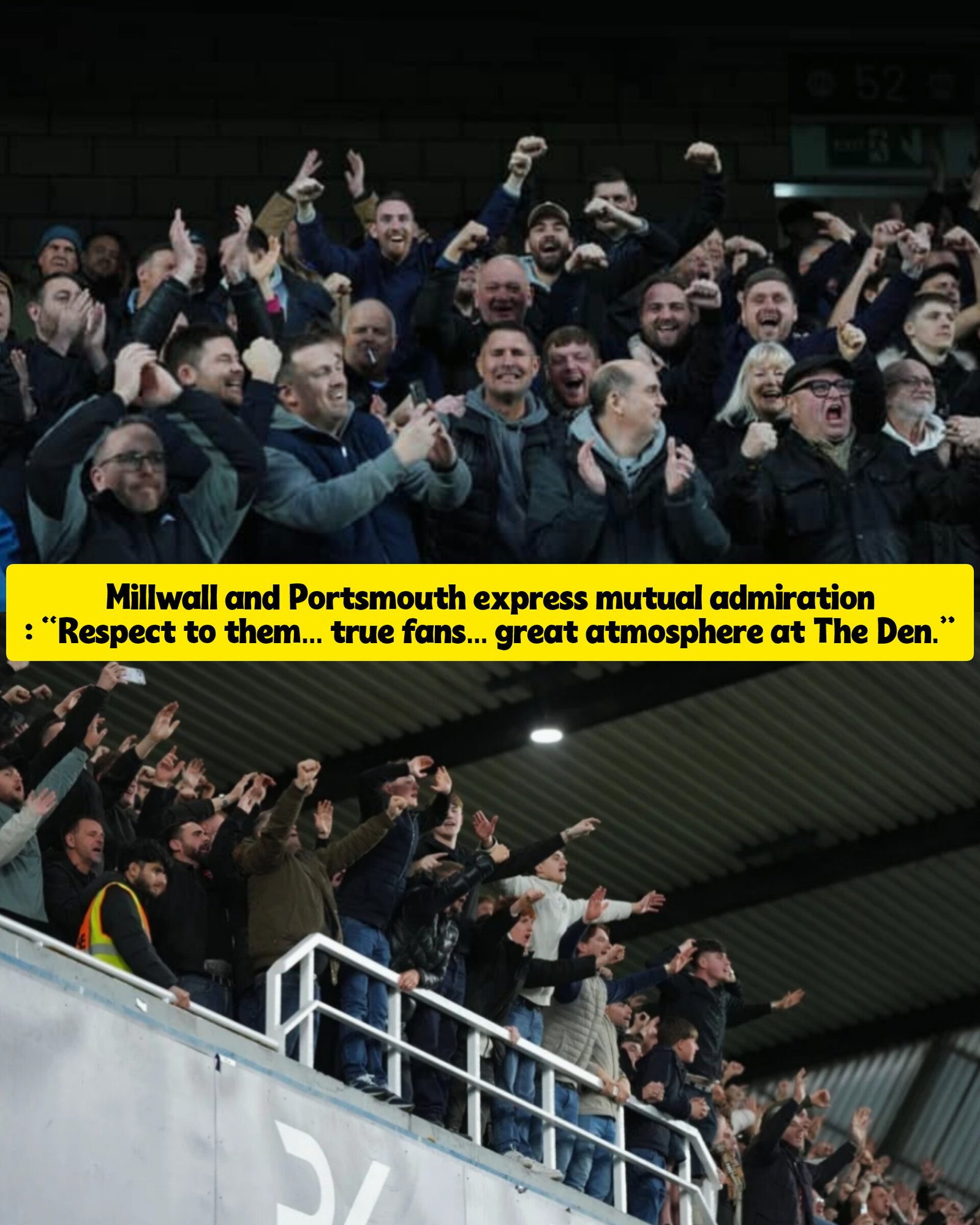
There was a notable sense of mutual respect between Millwall and Portsmouth supporters following their Championship meeting at The Den, with fans from both sides sharing passionate reactions after the final whistle. While rivalries in English football can often turn hostile, this clash produced a refreshing exchange of praise, honest reflection and admiration for the atmosphere generated by two fiercely loyal fanbases.
One supporter sparked debate by pointing out the contrast between Portsmouth and their south coast neighbours. They remarked how surprising it is that Portsmouth and Southampton are geographically so close and, in many ways, culturally similar, yet Pompey’s support appears vastly superior. The comment suggested that despite the proximity of the two cities, the intensity, loyalty and vocal backing of Portsmouth fans stand out on another level. It was a provocative take, but one that reflects how highly many regard Pompey’s travelling support.
Even among rival fans, there was clear acknowledgment of Portsmouth’s quality — both on and off the pitch. One Millwall follower admitted that although they cannot stand Pompey, credit must be given where it’s due. Portsmouth completed a league double over them, taking six points across the season, and their away backing at The Den was described as exceptional. The fan labelled them a “proper fanbase,” highlighting the noise and unity they brought to South London. In a candid assessment of Millwall’s performance, they added that goalkeeper Max Crocombe was the only real positive in the home side’s lineup.
The atmosphere inside the stadium was a recurring theme in the online reaction. Observers noted that Portsmouth’s travelling supporters created such volume that, at times, it felt like a home fixture for the visitors. The scenes in the away end were widely praised, with many describing it as one of the standout away followings seen at The Den in recent seasons.
Positive experiences extended beyond the ninety minutes. One Portsmouth supporter shared their appreciation for the hospitality shown by Millwall fans before kickoff. After visiting the club café and speaking with numerous locals off camera, they described the reception as friendly and welcoming. They also praised the stewards for their professionalism, explaining that everything ran smoothly from arrival to departure. For that fan, it encapsulated what makes football special — passionate rivalry on the pitch, but mutual respect off it.
Several Millwall fans were equally generous in their praise. One admitted that Portsmouth deserved recognition for the strength of their away section and even expressed hope that Pompey avoid relegation. They reasoned that if Millwall fail to secure promotion, having Portsmouth remain in the division would at least guarantee two compelling fixtures again next season — home and away encounters charged with energy and atmosphere.
The noise inside The Den was widely celebrated. Supporters from both camps highlighted how refreshing it was to witness two traditional football fanbases creating a raw, authentic environment. There were no accusations of “plastic” support or tourists more interested in recording on their phones than backing their team. Instead, it was described as proper football culture — loud, committed and passionate from start to finish.
On the pitch, Portsmouth’s performance earned significant admiration. One Millwall supporter conceded that Pompey not only deserved the victory but managed the match intelligently. Game management was singled out as a strength, with the visitors controlling key moments and showing composure when it mattered. There was even confidence expressed that Portsmouth will comfortably secure their Championship status.
Another fan reflected on why they have always had a soft spot for Pompey. They praised the size of their support, the constant noise, and the way the players responded with determination and fight. According to that view, Portsmouth’s squad matched the intensity of their followers, culminating in jubilant celebrations at the final whistle. Interestingly, the same supporter admitted feeling envious — explaining that the qualities admired in Pompey are the very traits they cherish about supporting Millwall, yet on this occasion, it was the visitors who delivered.
Attention also turned to individual performances and squad evolution. Optimism surrounded John Swift’s apparent resurgence, with one fan delighted to see renewed determination in his game. Meanwhile, Ebou Adams was hailed as potentially one of the club’s most influential signings in over a decade. The impact he has made since arriving was described as transformative. According to supporters, the difference in competitiveness and cohesion before and after his introduction is stark — almost like watching an entirely new team.
Broader tactical improvements were also acknowledged. Portsmouth were described as playing like a top-six side in recent weeks, and their display at Millwall was labelled magnificent. Observers praised the pace added to both wings following January signings, as well as the balance within midfield — a blend of creativity and steel that has strengthened the team’s spine. Defensive solidity was highlighted too, with centre-backs performing reliably and full-backs showing marked improvement. Such progress has intensified competition for places, to the point where established names like Murphy and Shaughnessy may struggle to reclaim starting roles automatically.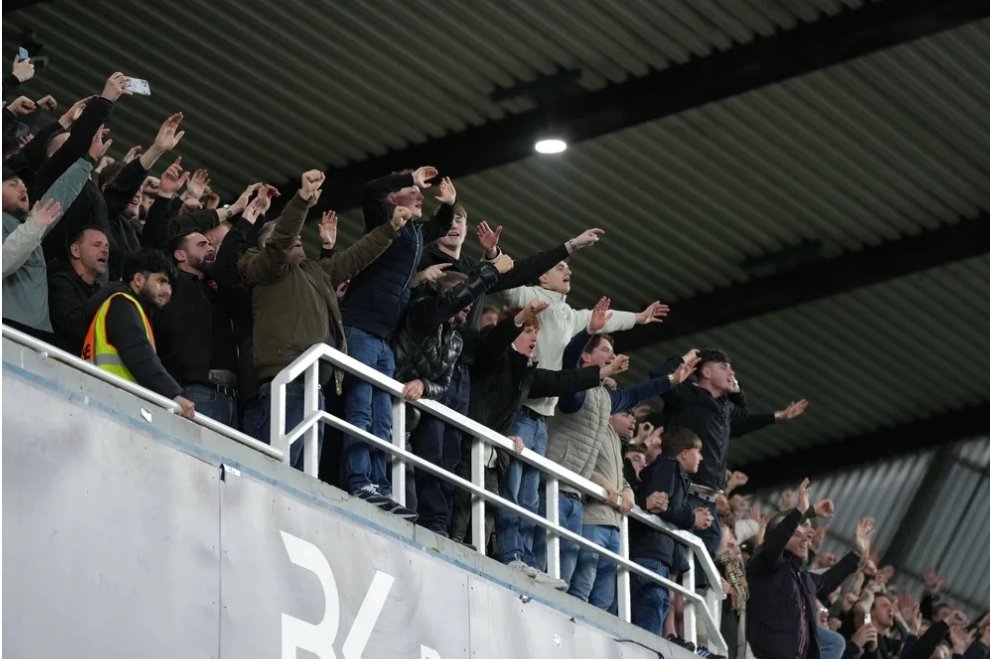
In the end, the fixture was about more than just three points. It showcased two proud clubs with devoted supporters who understand the traditions of English football. The respect exchanged between Millwall and Portsmouth fans illustrated that rivalry does not have to eliminate appreciation. Instead, it can elevate it — creating occasions defined by passion, authenticity and admiration for the beautiful chaos of the Championship.
-

 Blog1 month ago
Celtic issues a fiery VAR statement after Trusty’s red card appeal is dismissed, as furious chiefs release referee audio publicly.
-

 Blog2 months ago
Celtic informed their January signing under Martin O’Neill that he wouldn’t play a single minute this season.
-

 Blog1 month ago
Celtic issued an £83 million warning amid looming UEFA threats.
-

 Blog1 month ago
SFA Expected to Review Missed Penalty in Rangers v Celtic Clash
-

 Blog3 days ago
Police respond after reported disorder following Middlesbrough vs Millwall clash
-

 Blog10 months ago
“Courtside to Aisle-Side: Tyrese Haliburton and Jade Jones Set New Wedding Date”
-

 Blog1 month ago
£6m star is looking to leave Rangers this summer and has already announced his next club publicly.
-

 Blog2 weeks ago
Rangers victory overshadowed by refereeing controversy