
Blog
The Detroit Pistons narrowly avoided a setback at the trade deadline.

The Detroit Pistons may not have made headlines at the trade deadline, but in many ways, their restraint could prove just as meaningful as any blockbuster move.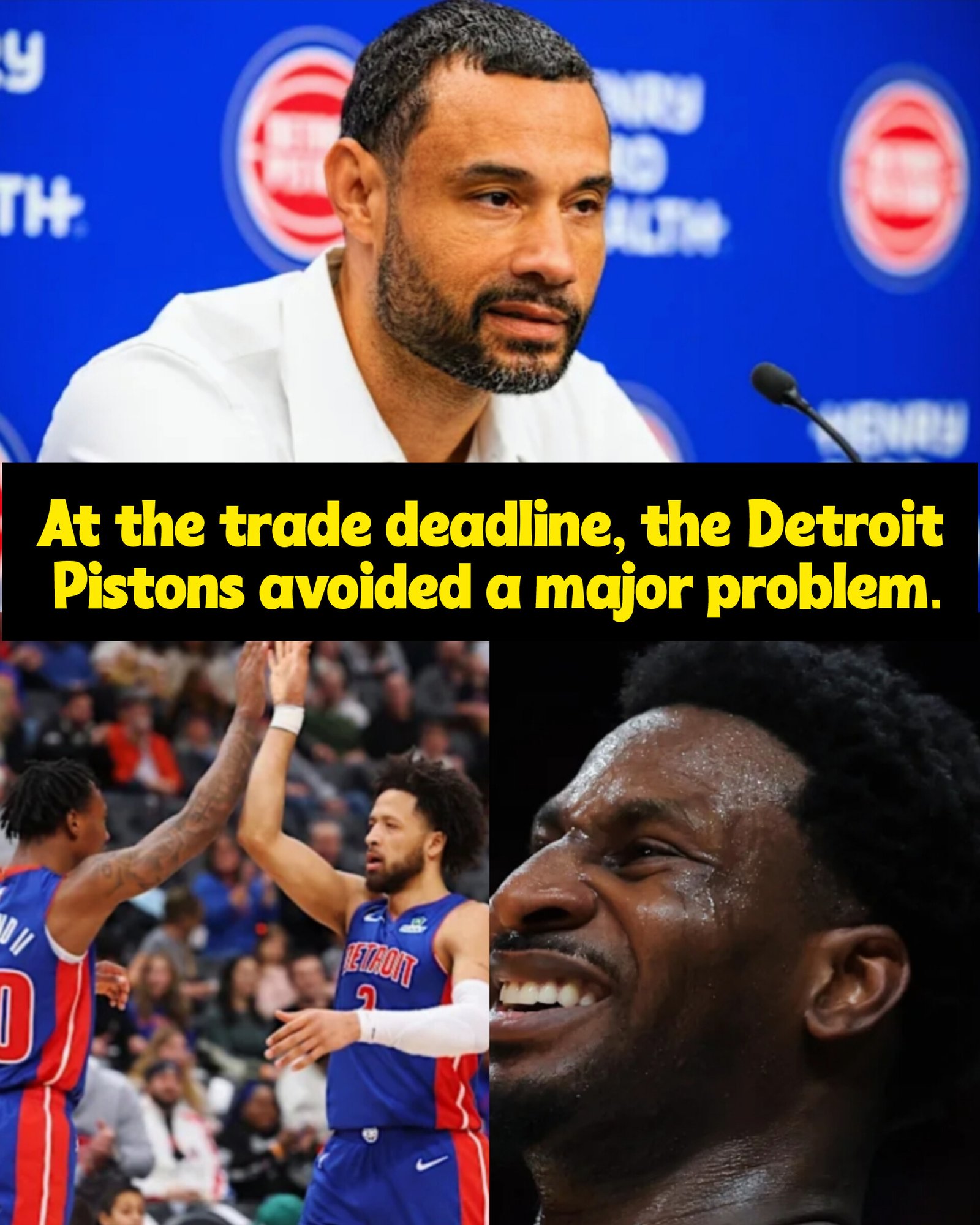
Detroit experienced a fairly quiet deadline overall, though their name surfaced in connection with several high-profile players — most notably Jaren Jackson Jr. of the Memphis Grizzlies. In a surprising twist, Jackson Jr. was ultimately dealt to the Utah Jazz, a transaction that caught many observers off guard. Utah had widely been viewed as a potential seller, with speculation even suggesting they might part ways with Lauri Markkanen.
Instead, the Jazz doubled down, acquiring Jackson Jr. despite already having major financial commitments tied to Markkanen. That aggressive decision is particularly bold considering Jackson’s five-year extension is only in its first season, locking in a substantial financial obligation for years to come.
While the Pistons were briefly linked to Jackson Jr. in trade rumors, there’s little indication that serious negotiations ever took place between Detroit and Memphis. From my perspective, that’s a positive outcome. I wasn’t enthusiastic about the idea of Detroit pursuing such a move, primarily due to the likely trade package and the long-term financial implications. There was a real possibility that the Pistons could have ended up saddled with an expensive roster lacking true championship upside.
Jackson Jr. is undeniably a talented player, but the combination of his contract size and the assets required to acquire him pushes him into what some consider the “overrated” category. Bleacher Report even listed him among the league’s most overrated players, pointing out that while he’s a skilled scorer, he struggles significantly on the glass. He’s averaging just 5.7 rebounds per game this season and 5.6 for his career — low numbers for someone at his position.
Financially, the commitment is enormous. Jackson is owed $205 million over the next four years. That annual salary is comparable to players such as Stephen Curry and Luka Dončić, and even exceeds what Anthony Edwards earns per season. That’s elite-tier money for someone who, while very good, hasn’t consistently demonstrated superstar-level production.
Bleacher Report’s assessment described Jackson as a good player whose reputation has been inflated by his recent contract and trade value. I find myself agreeing with that viewpoint. For Detroit, acquiring him would have represented a major financial gamble — one they were wise to sidestep.
Jaren Jackson Jr.: Paying superstar money for complementary output
If the acquisition cost had been reasonable, Jackson Jr. could have been an intriguing fit in Detroit. However, once details of Utah’s package emerged, it became clear the Pistons were better off staying patient.
The Jazz parted with three valuable first-round picks along with two young players who were themselves recent first-round selections, including No. 8 overall pick Taylor Hendricks. That’s a substantial return for a player who isn’t a primary offensive engine, struggles as a rebounder, and sits more in the “borderline star” category rather than true franchise cornerstone.
To be clear, Jackson is a strong player. His presence would have elevated Detroit’s defense and added versatility to their frontcourt. But at the reported cost — both in draft capital and long-term salary — the risk outweighed the reward. Committing that level of money to the frontcourt could have boxed the Pistons into a rigid financial structure, especially if the pairing didn’t elevate the team into true contender status.
Personally, I struggle to see how investing over $90 million annually in Jaren Jackson Jr. and Jalen Duren would be the blueprint for building a championship roster.
Additionally, Detroit simply didn’t have the surplus of draft picks and young prospects that Utah possessed to make such an aggressive bid without severely impacting their future flexibility. Now, the Jazz find themselves with nearly $100 million tied up in two players with notable injury histories. That’s a significant gamble for Utah to manage moving forward.
Durability is another legitimate concern. Jackson Jr. has surpassed 65 games played only three times in his career, which adds further uncertainty to such a sizable financial commitment. It’s the type of risk that Pistons president Trajan Langdon has consistently avoided during his tenure.
In the end, sometimes the most important decisions are the ones a franchise chooses not to make. By exercising patience and resisting the temptation of a splashy but costly acquisition, Langdon preserved the Pistons’ long-term flexibility. Rather than overextending for a move that may not have elevated them into contention, Detroit maintained its measured approach.
There’s value in discipline, especially in a league where desperation can lead to overpayment. In this case, standing still may prove to be the smarter play.
-
 Blog1 month ago
Celtic issues a fiery VAR statement after Trusty’s red card appeal is dismissed, as furious chiefs release referee audio publicly.
-

 Blog2 months ago
Celtic informed their January signing under Martin O’Neill that he wouldn’t play a single minute this season.
-
 Blog1 month ago
Celtic issued an £83 million warning amid looming UEFA threats.
-

 Blog1 month ago
SFA Expected to Review Missed Penalty in Rangers v Celtic Clash
-

 Blog3 days ago
Police respond after reported disorder following Middlesbrough vs Millwall clash
-

 Blog10 months ago
“Courtside to Aisle-Side: Tyrese Haliburton and Jade Jones Set New Wedding Date”
-
 Blog1 month ago
£6m star is looking to leave Rangers this summer and has already announced his next club publicly.
-

 Blog2 weeks ago
Rangers victory overshadowed by refereeing controversy