
Blog
Tottenham reaped the biggest reward from Sheffield United deal as £50m payday followed

Tottenham Hotspur may not always be praised for their transfer dealings, but when it comes to Kyle Walker, few clubs can claim to have played the market better. The North London side ultimately banked a staggering £50 million from Manchester City in 2017 for a player they had acquired for a fraction of that price almost a decade earlier. While Spurs celebrated one of the most profitable sales in Premier League history, Sheffield United were left reflecting on what might have been.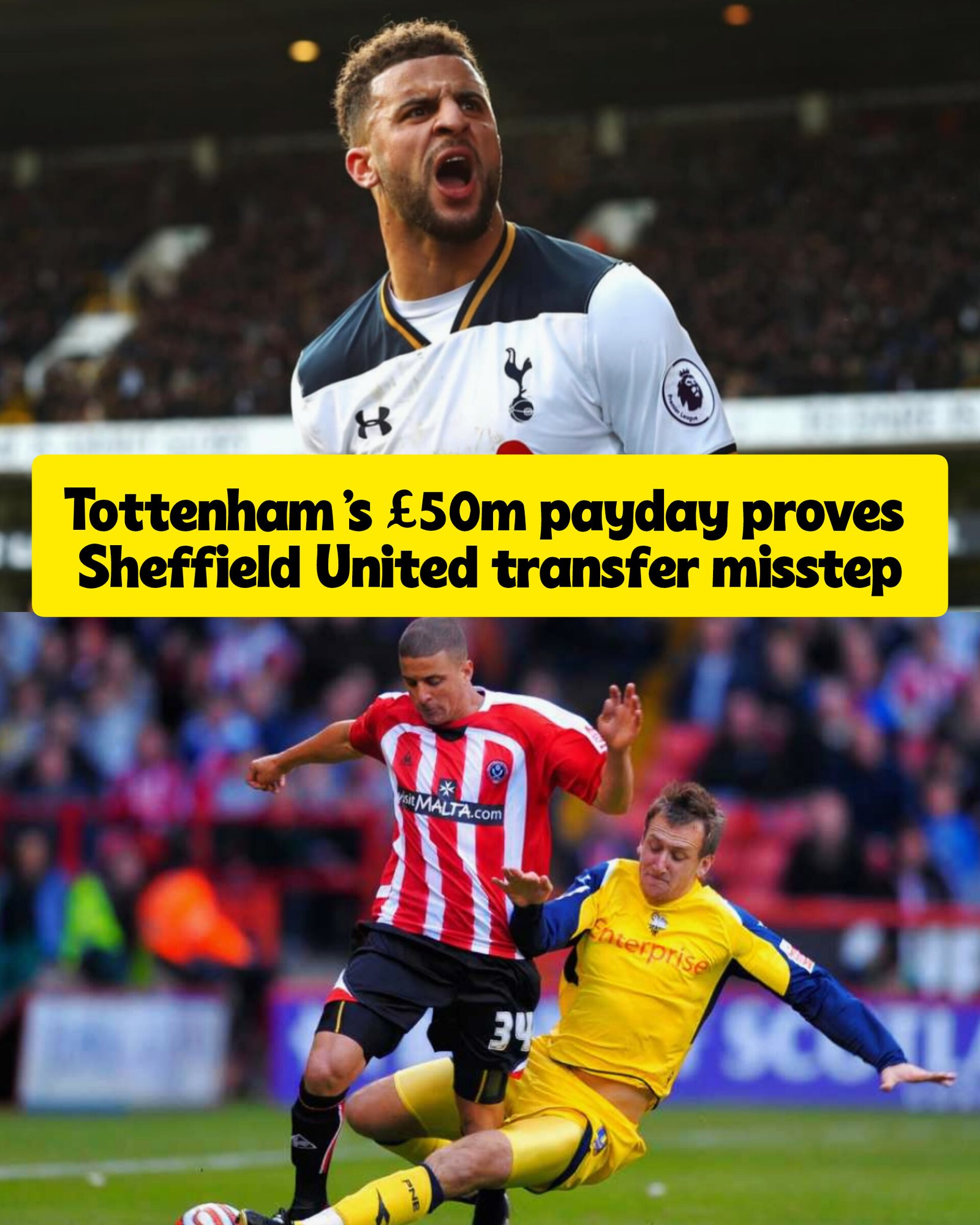
Walker’s journey from Bramall Lane to becoming one of England’s most accomplished defenders is a story of sharp recruitment, patient development, and elite athletic potential. Tottenham spotted something special early, moved decisively, and watched their investment mature into a world-class full-back who would go on to dominate English football under Pep Guardiola.
From Sheffield United prospect to Tottenham project
Back in 2009, Tottenham struck a deal with Sheffield United that would quietly reshape the careers of two young defenders. Kyle Walker and Kyle Naughton arrived in North London as part of a combined £9 million transfer, a fee that raised eyebrows at the time given Walker’s limited first-team experience.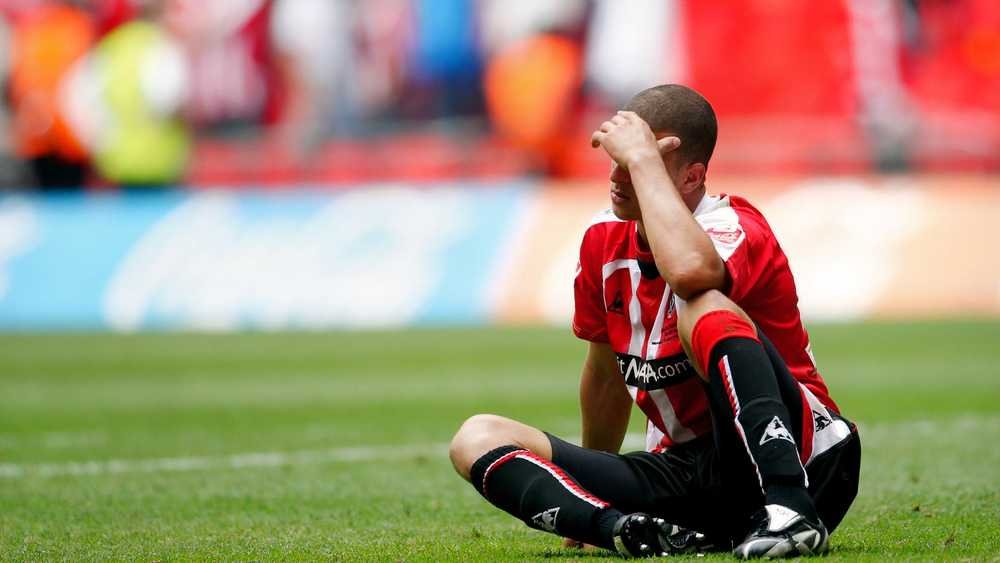
At just 19 years old, Walker had made only seven senior appearances for the Blades. Despite his rawness, Spurs’ scouts were convinced his pace, power, and fearlessness marked him out as a future Premier League player. For Sheffield United, the sale represented a familiar frustration: nurturing talent through their academy only to see it blossom elsewhere.
As part of the agreement, Walker was immediately loaned back to Bramall Lane for the 2009/10 campaign. The decision proved beneficial for all parties. Walker enjoyed consistent Championship football, Sheffield United retained one of their brightest prospects for another season, and Tottenham allowed their investment to develop without pressure.
A breakout loan and early Tottenham struggles
Walker’s loan spell back at Sheffield United exceeded expectations. He featured in 28 matches, showcasing the explosive acceleration and attacking intent that would later define his game. His performances were so convincing that Tottenham opted to recall him before the January transfer window closed, particularly after Alan Hutton departed on loan to Sunderland.
Despite his return, Walker’s integration into Tottenham’s first team was far from immediate. He made his Premier League debut in March 2010 during a 2-0 victory over Portsmouth, but regular opportunities were limited. Spurs instead chose a patient development path, sending Walker out on further loan spells to gain experience.
Short stints at Queens Park Rangers and Aston Villa proved vital. Each loan refined different aspects of his game: positional awareness, defensive discipline, and confidence against elite opposition. It wasn’t until the 2011/12 season that Walker truly established himself as a first-team regular at White Hart Lane.
Establishing himself as an elite Premier League defender
Once settled, Walker’s rise was rapid. His combination of blistering pace and improved defensive intelligence made him one of the most difficult full-backs to play against in the league. He became a key part of Tottenham’s push toward Champions League qualification and earned widespread recognition for his performances.
By the mid-2010s, Walker was no longer just a promising right-back — he was among the very best in England. His inclusion in the PFA Team of the Year during the 2016/17 season underlined his status, marking his second appearance in the prestigious XI.
Tottenham had successfully transformed a teenager with minimal senior experience into a polished, elite defender capable of operating at the highest level. What made the achievement even more remarkable was the financial return that would soon follow.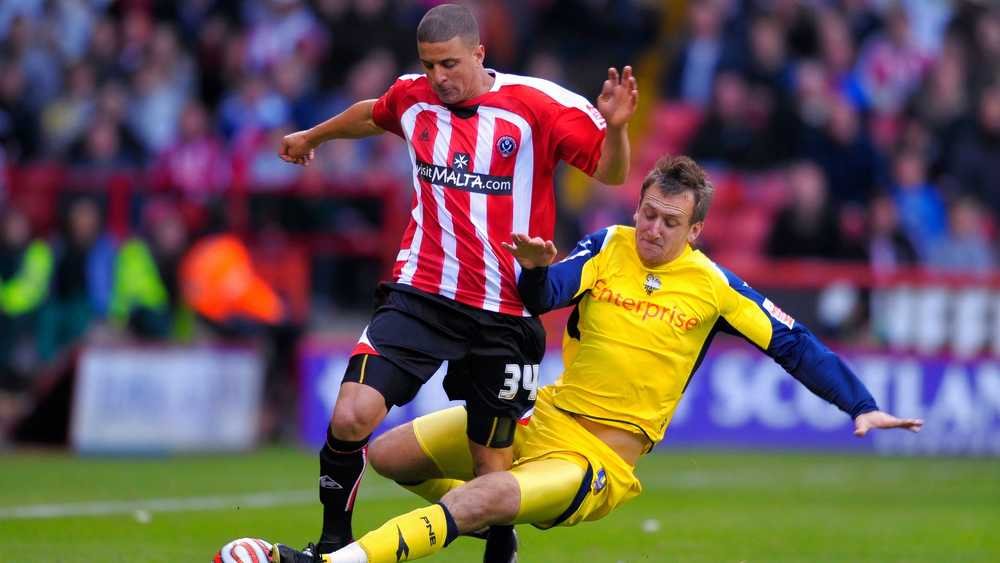
Manchester City come calling
In the summer of 2017, Manchester City and Pep Guardiola identified Walker as the ideal solution to their defensive rebuild. Guardiola’s system demanded full-backs with pace, stamina, and tactical adaptability — qualities Walker possessed in abundance.
City secured his signature for £50 million, making him one of the most expensive English defenders in history at the time. He arrived as Guardiola’s third signing of the window, following Ederson and Bernardo Silva, and immediately became a cornerstone of City’s dominance.
For Tottenham, the deal represented an extraordinary piece of business. Having spent roughly £4.5 million on Walker as part of the original double deal with Sheffield United, Spurs walked away with a profit exceeding £41 million on the right-back alone.
Sheffield United’s lingering “what if”
While Tottenham celebrated, the transfer inevitably reignited discussion at Bramall Lane. Walker was a product of Sheffield United’s youth system, a player who had come through the ranks and shown early promise before being sold prior to his peak years.
The Blades had at least protected themselves to some extent by including a sell-on clause in the original agreement. Reports suggested Sheffield United were entitled to around 10 percent of any future transfer fee, which meant they received approximately £5 million when Walker moved to Manchester City.
Though welcome, the figure paled in comparison to Tottenham’s windfall. It served as a reminder of the financial realities facing clubs outside the Premier League’s elite — forced to sell early, often before a player’s true value is realized.
Remembering Walker’s early days at Bramall Lane
Walker himself has reflected fondly on his time at Sheffield United, even admitting that his early game was built more on instinct than structure. Speaking on the “You’ll Never Beat Kyle Walker Podcast,” he recalled being a fearless full-back who relied on pace and directness rather than tactical sophistication.
“I used to knock it round people and just run,” Walker said when describing his approach as a teenager.
That raw athleticism was on display during Sheffield United’s run to the 2009 Championship play-off final, where Walker and Naughton both featured in a narrow defeat to Burnley. Walker later admitted that nerves got the better of him on the day and that he hadn’t prepared as well as he should have.
Despite the disappointment, the match marked the end of an era for Walker at Bramall Lane and the beginning of his journey toward football’s summit.
A career filled with silverware and records
Walker’s move to Manchester City elevated his career to unprecedented heights. Under Guardiola, he became one of the Premier League’s most decorated defenders, winning multiple league titles, domestic cups, and eventually the Champions League.
His consistency and durability also earned him a long international career, amassing 96 caps for England and featuring in major tournaments across more than a decade. Few right-backs of his generation can match his combination of trophies, appearances, and longevity at the top level.
A possible return to South Yorkshire?
Despite all his success, Walker has never hidden his emotional connection to Sheffield United. In a 2024 interview with The Star, he revealed his desire to finish his career in South Yorkshire, sparking renewed hope among Blades supporters.
Although he is now 35 years old and currently playing for Burnley, the door may not be completely closed. Sheffield United manager Chris Wilder previously indicated that Walker would be welcomed back, and the player himself has suggested the move remains a personal ambition.
Whether that homecoming ever materializes remains uncertain. But regardless of where Walker’s career ends, his story will always serve as a case study in elite talent development — and a reminder of how Tottenham Hotspur once turned a teenager from Bramall Lane into a £50 million superstar.
Frank Lampard accepts the reality behind Coventry City’s FA Cup exit
Frank Lampard accepted Coventry City’s FA Cup departure by stressing the importance of staying grounded in the reality of their season objectives, insisting the loss only sharpens the club’s focus on securing automatic promotion.
The Sky Blues bowed out of the competition after a narrow third-round defeat, despite pushing Stoke City close and twice rattling the woodwork. Lampard opted to make eight changes to his starting line-up, balancing the demands of the cup with the bigger picture of a Championship campaign that has exceeded expectations. Ultimately, the tie was settled late on by a stunning strike from Lamine Cissé, bringing an end to Coventry’s involvement in what Lampard fondly described as a “beautiful, beautiful” competition.
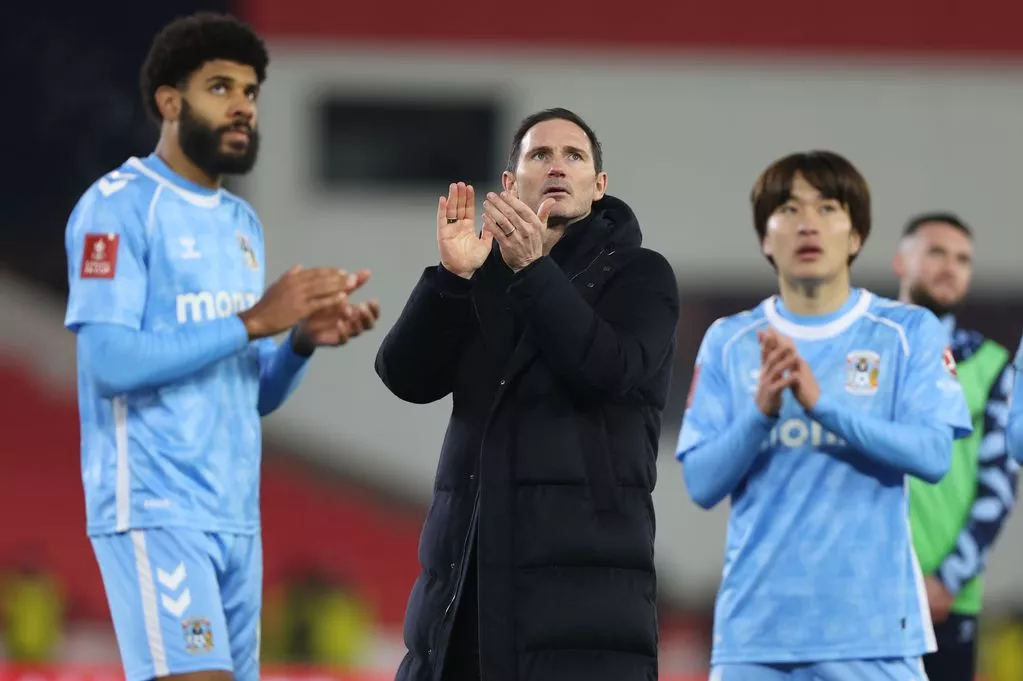
Coventry City boss Frank Lampard applauds the fans at full time at Stoke(Image: )
While the Coventry manager admitted disappointment at exiting the tournament, particularly in front of the 4,821 supporters who travelled to back the team, he was quick to point out the upside. With no further cup commitments, Lampard believes his players can now concentrate fully on league matters during the decisive second half of the season.
Speaking after the 1–0 defeat at the Bet365 Stadium, Lampard underlined that the club’s priorities are now crystal clear. He explained that Coventry have placed themselves in a position few would have imagined at the start of the campaign, and that clarity of purpose will be vital going forward.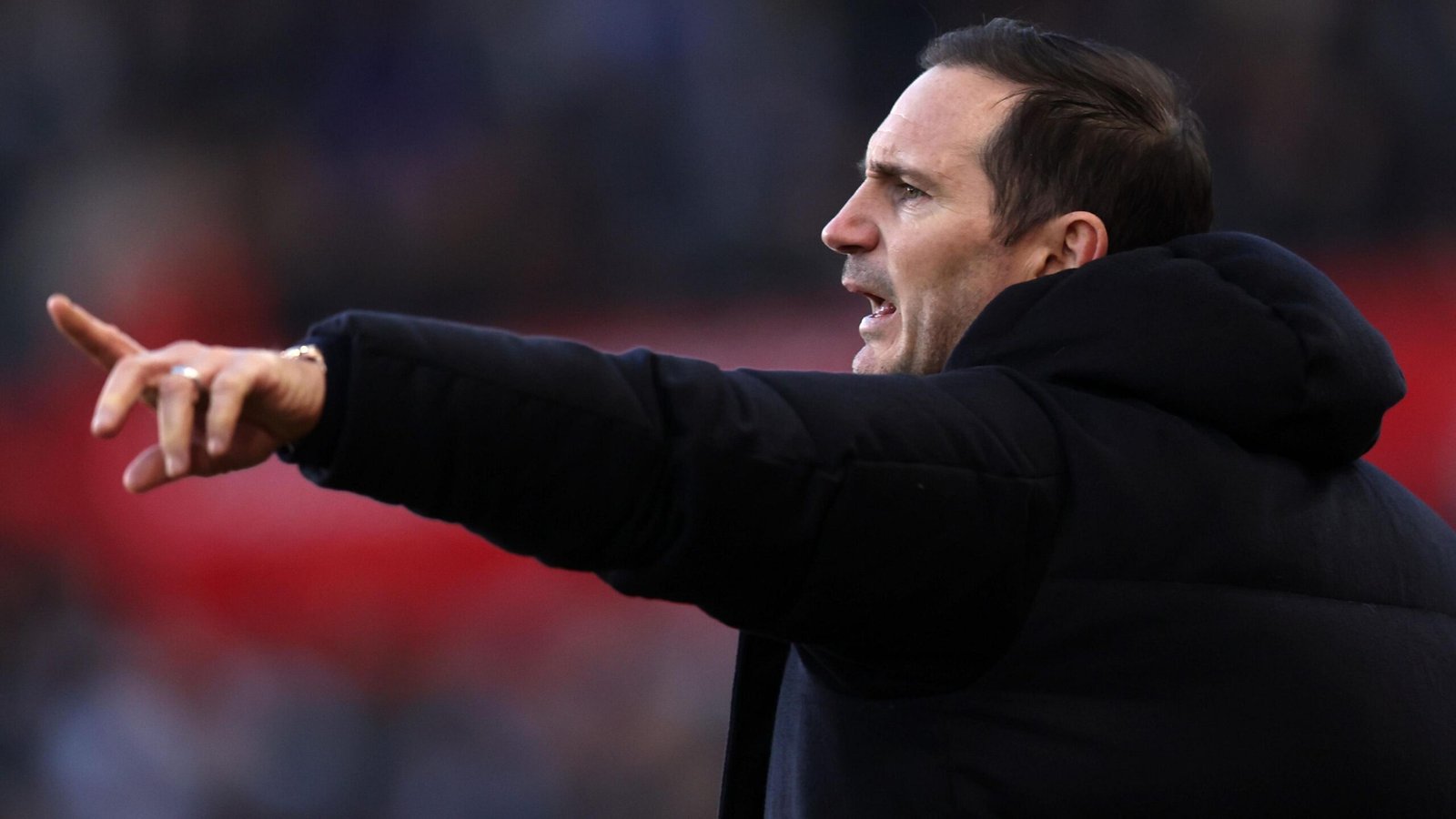
Lampard highlighted that with around 20 league matches remaining, the focus must be on maintaining the standards that have carried the team to the top end of the table. He pointed out that Coventry currently hold a significant advantage in the automatic promotion race, a scenario he credited to the collective effort and commitment shown by the entire squad and staff over the first half of the season.
According to Lampard, that progress is no accident. Instead, it reflects months of hard work, consistency, and belief within the group. He suggested that being in such a strong league position should not be taken lightly, particularly given where expectations were at the campaign’s outset.
Although Lampard made it clear he always wants to win every match, he was realistic about the challenges faced by Championship clubs competing at the top end of the table. He acknowledged the romance and prestige of the FA Cup, referencing his own history of success in the competition, but stressed that the demands of a promotion push inevitably force difficult decisions.
For Coventry, Lampard believes the reality is simple: the club knows exactly what it wants and exactly what it must do to achieve it. With distractions now removed, the manager sees a clear path ahead, one that demands total concentration, consistency, and hunger in the league.
In Lampard’s view, while the FA Cup remains a cherished part of English football, Coventry’s current circumstances mean the Championship must take priority. Their exit, though painful in the moment, may ultimately serve as a turning point that allows the Sky Blues to channel all their energy into finishing the season strongly and turning an unexpected promotion challenge into a tangible reward.
Coventry City fans discuss potential move for £42m Manchester City star with one major concern raised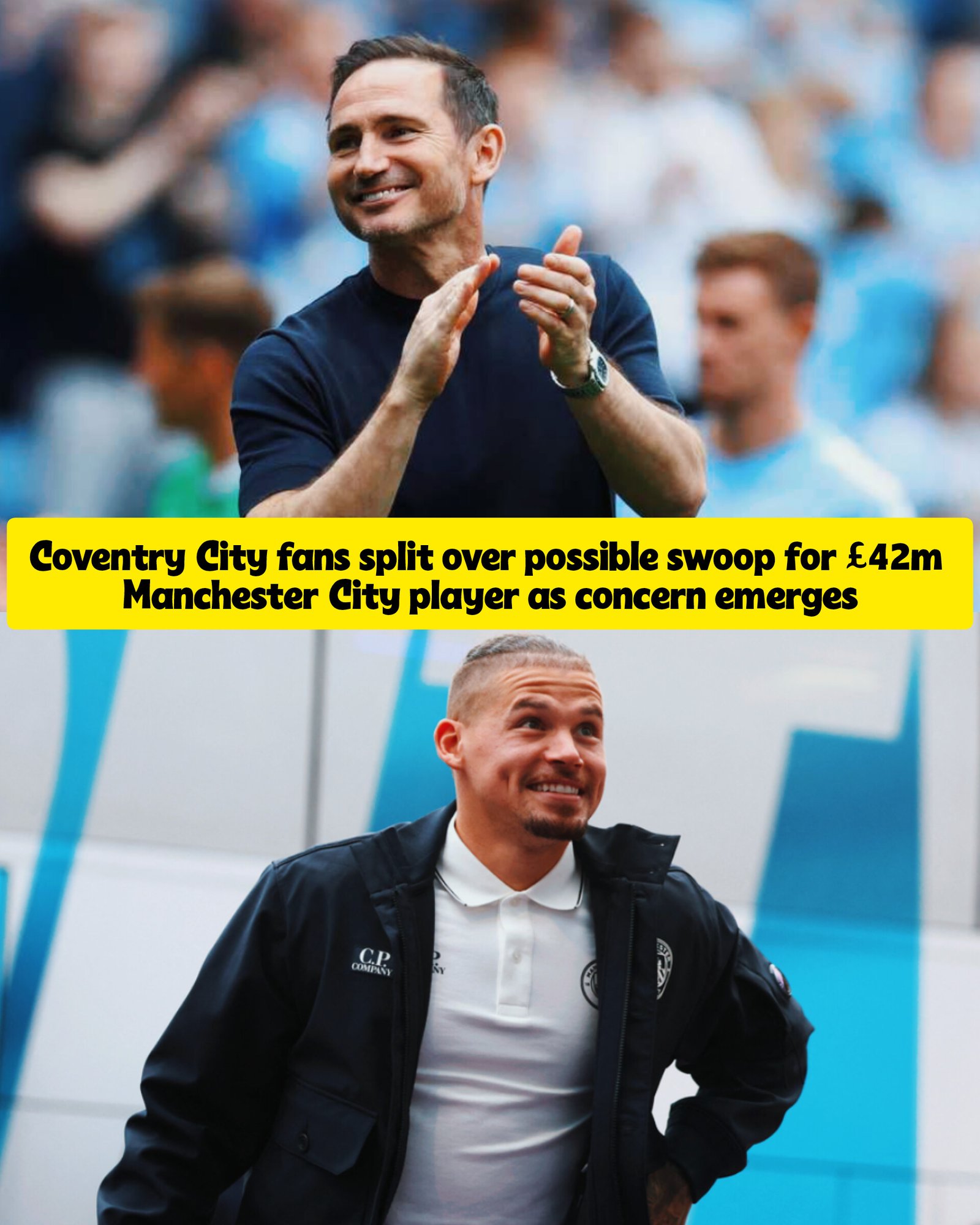
Coventry City supporters are currently locked in discussion over the possibility of the club making a move for Manchester City midfielder Kalvin Phillips during the January transfer window, with one major concern dominating the debate.
Despite sitting proudly at the summit of the Championship table, the Sky Blues are well aware that the winter transfer market represents a crucial opportunity to strengthen Frank Lampard’s squad as the promotion race intensifies. Coventry have not played Premier League football since 2001, and after suffering heartbreak in the play-offs twice over the last three seasons, there is a growing sense that this campaign could finally be their moment to return to the top flight.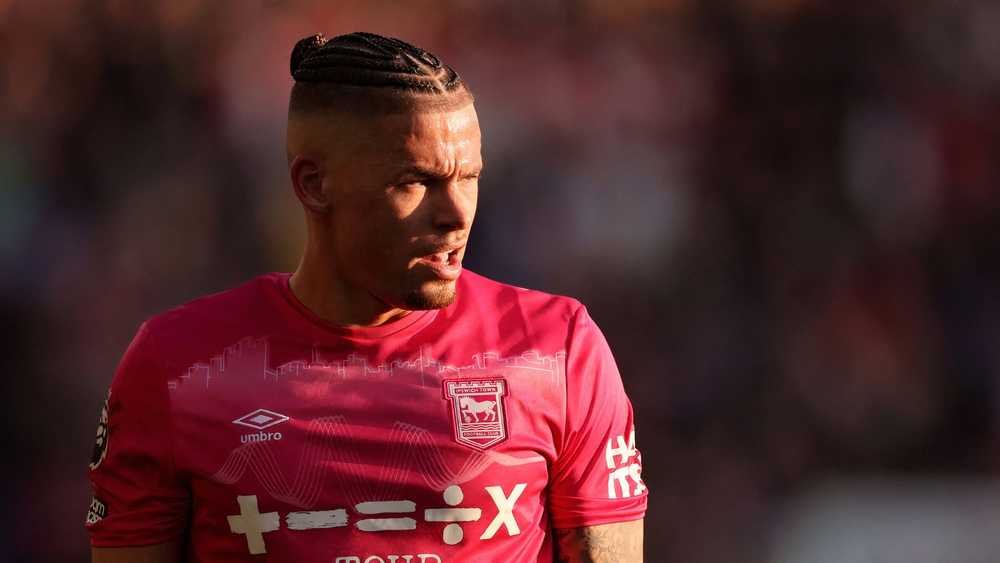
However, recent results have injected a note of anxiety into what has otherwise been a highly encouraging season. Three consecutive games without a victory have slightly dented momentum at the CBS Arena and highlighted the fine margins involved in maintaining a title challenge. For many supporters, this small dip has underlined the importance of adding quality and experience to the squad before the window closes.
As a result, fans are paying close attention to any potential transfer links, particularly those involving players with proven pedigree at the highest level. One name that has sparked significant discussion is Kalvin Phillips, who is currently on the books at Manchester City but has struggled to make a lasting impact since his high-profile move.
Phillips joined City in a deal reported to be worth £42 million, arriving with a strong reputation after his standout performances for Leeds United and England. At his peak, the midfielder was regarded as one of the best holding players in the country, playing a key role in England’s run to the final of Euro 2021. However, his time at the Etihad has not gone to plan, with injuries, fitness concerns and limited opportunities all contributing to a difficult spell.
In an attempt to revive his career, Phillips has already spent time away from Manchester City on loan, featuring for both West Ham United and Ipswich Town. Those moves, though, have done little to silence doubts about his current level or ability to rediscover the form that once made him such a sought-after player.
How about getting someone like Kalvin Phillips in, give him half a season to get back to speed?
There must be others who could do a prem job but need half a season to regain form?
— Knowl (@gmkonline) January 6, 2026
Against that backdrop, the idea of Coventry City offering Phillips a temporary home for the second half of the season has divided opinion among supporters. Some believe Lampard could be the ideal manager to help him rebuild confidence and sharpness, while others question whether the risk would be worth taking at such a critical stage of the campaign.
What use is a guy who needs half a season to get up to speed and has already shown that the prem isn’t really for him?
— CCFCAnalysis (@CCFCAnalysis) January 6, 2026
One of the biggest concerns raised by fans relates to Phillips’ recent struggles. While few deny his talent, many worry that his fitness issues and lack of consistent football over the past couple of years could mean he would need time to get up to speed. In a tight promotion race, there is fear that Coventry cannot afford to carry a player who may not be ready to contribute immediately.
Wages would be the biggest obstacle, let alone the fact he’s not played consistent football now for years and Coventry need players who can hit the ground running.
— Katie Stafford (@KatieStaffs) January 6, 2026
Another major stumbling block is the financial side of any potential deal. Estimates suggest Phillips earns around £150,000 per week, a figure that is far beyond Coventry City’s current wage structure. Even with Manchester City likely to subsidise a portion of his salary in a loan arrangement, the numbers involved have caused concern among supporters who are wary of upsetting the club’s carefully managed finances.
That said, not all fans are opposed to the idea. Some argue that owner Doug King may need to loosen the purse strings if Coventry are serious about turning their strong league position into promotion. With the Sky Blues six points clear of Middlesbrough at the top of the Championship after 26 matches, there is a growing belief that this could be the moment to show ambition and back the manager with higher-profile signings.
Supporters in this camp feel that calculated risks are sometimes necessary, particularly when the prize on offer is a return to the Premier League after more than two decades. They believe that bringing in a player of Phillips’ experience, even on a short-term basis, could provide a significant boost both on and off the pitch.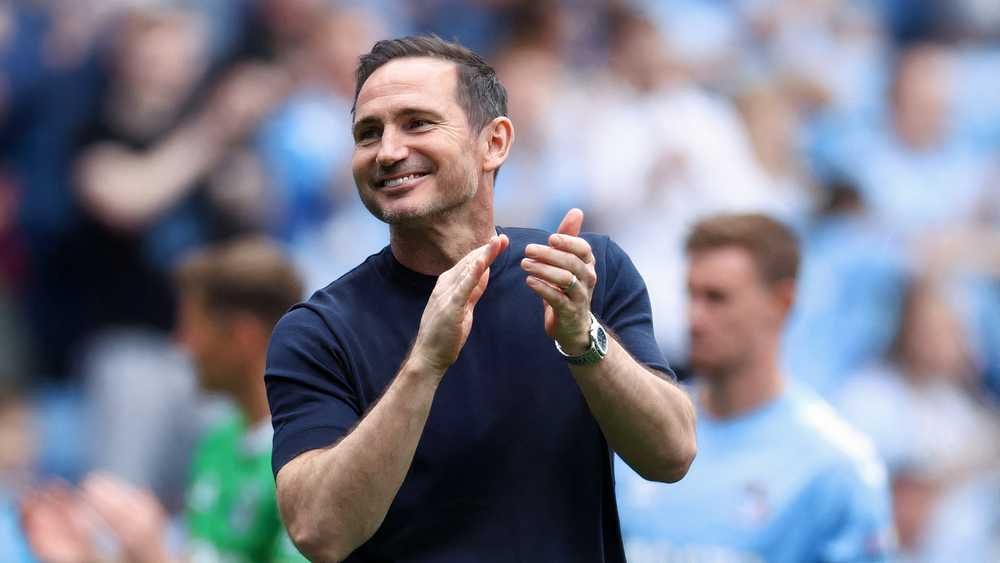
Nevertheless, even among those open to the idea, there is widespread agreement that any move would have to be structured carefully. A substantial pay cut would be essential to make the deal viable, and many fans have suggested that a loan with performance-based incentives would be the most sensible approach.
One proposal gaining traction is a loan deal that includes an option to buy, triggered only if Coventry achieve promotion to the Premier League. Such an arrangement would limit the club’s financial exposure while giving Phillips six months to prove that he can still operate at a high level. If successful, he could then become a valuable asset in the top flight, where his experience would be particularly useful.
This kind of deal would also benefit Phillips, offering him regular football and a clear pathway back to relevance after a frustrating period in his career. Playing a central role in a promotion push could help restore confidence and remind observers of the qualities that once made him a mainstay for club and country.
Ultimately, the debate among Coventry City fans reflects both excitement and caution. The prospect of signing a player with Phillips’ résumé is undeniably intriguing, especially given the club’s position at the top of the table. At the same time, the risks involved—financially and in terms of on-field impact—are impossible to ignore.
What is clear is that wages remain the key issue. No matter how attractive the footballing argument might be, Phillips’ current salary is simply not sustainable for Coventry without significant concessions. Unless a dramatic reduction can be agreed, most supporters accept that the move would be unrealistic.
As the January window progresses, Coventry’s recruitment team will continue to assess their options, weighing ambition against prudence. Whether Kalvin Phillips genuinely becomes one of those options remains to be seen, but the discussion surrounding his name has highlighted the broader challenges facing a club on the brink of something special.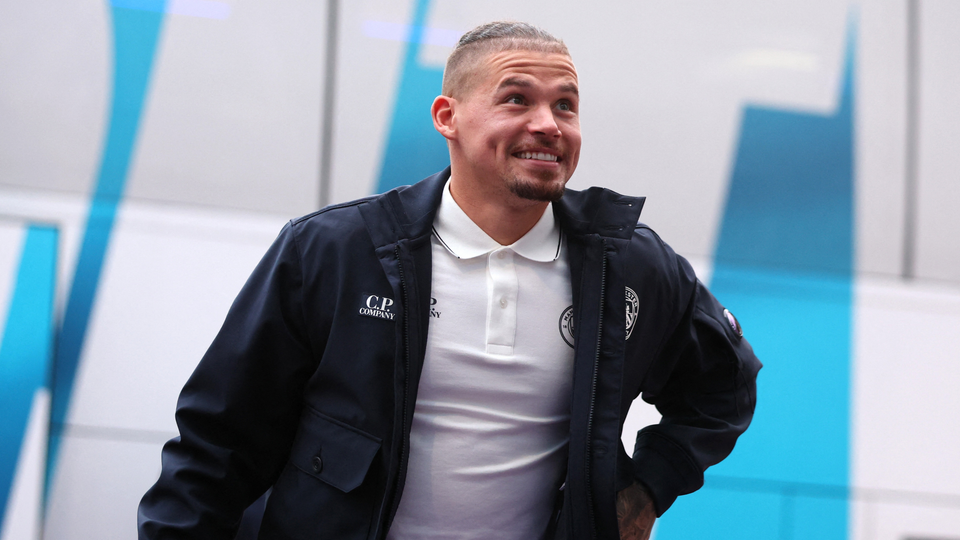
For now, fans will watch closely, hopeful that any additions made this month can help maintain momentum and finally deliver a long-awaited return to the Premier League.
Every word Eckert said on Peretz arrival, Downs departure, formation talk and Doncaster test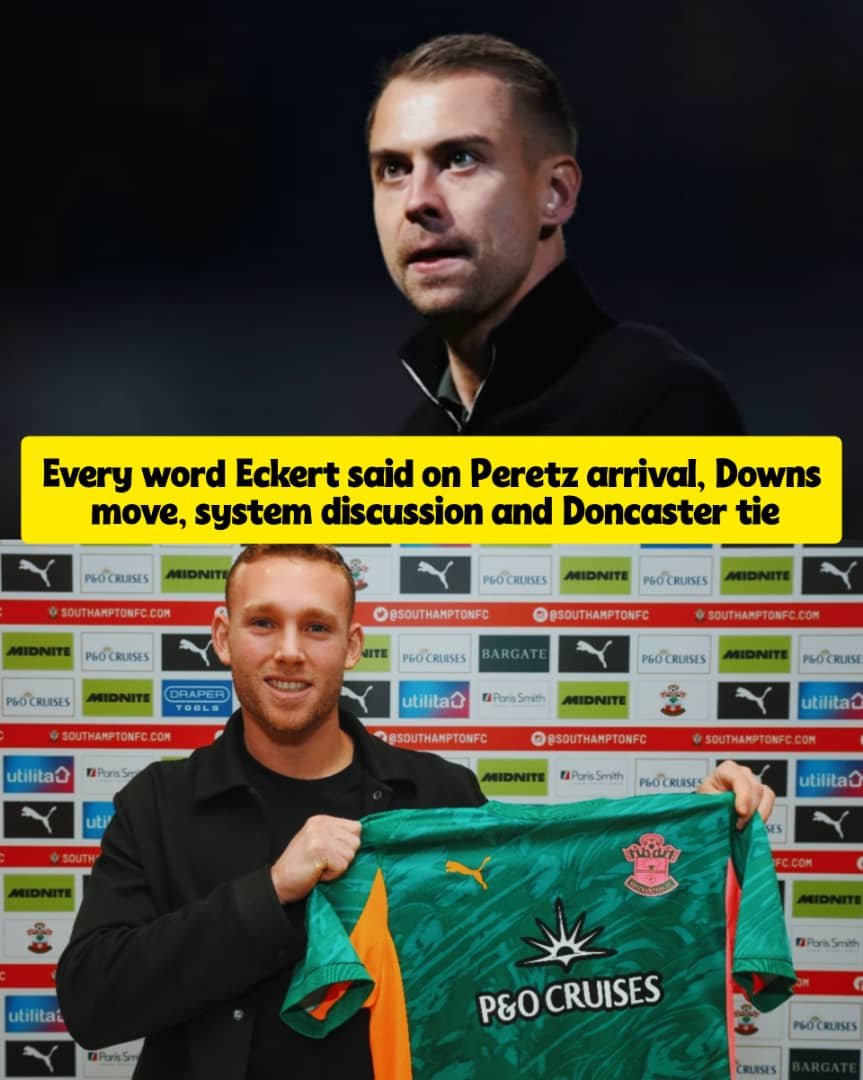
Southampton head coach Tonda Eckert has spoken at length ahead of the club’s FA Cup third-round clash with League One side Doncaster Rovers, addressing squad changes, injuries, form, tactical flexibility and the importance of the competition. Here is a fully paraphrased version of his press conference comments, capturing the substance and tone of everything he said before the trip to South Yorkshire.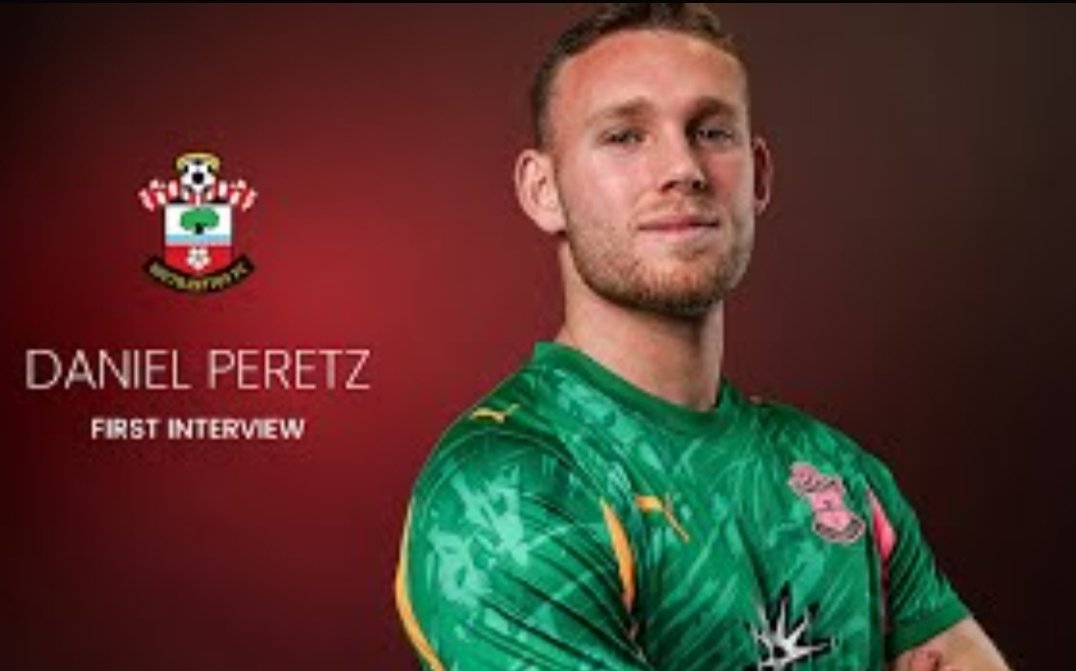
Eckert began by discussing the arrival of goalkeeper Daniel Peretz and what he believes the new signing adds to the squad. He explained that Peretz comes from an elite footballing environment, having been part of a major European club where opportunities were limited due to the presence of an established world-class number one. Eckert acknowledged that being understudy to a goalkeeper of Manuel Neuer’s stature makes regular game time extremely difficult, but stressed that this should not reflect negatively on Peretz’s ability.
According to the Southampton boss, Peretz is a high-quality, well-rounded goalkeeper who is comfortable in all aspects of the game. Eckert described him as a complete profile and made it clear the club is delighted to have him on board. Despite limited minutes this season, Eckert said the coaching staff have studied his performances closely and are satisfied with his readiness. From what they have seen, even when Peretz lacked match rhythm, his performances remained strong.
When asked whether Peretz would immediately take over as first choice, Eckert was measured. He said the intention is for the goalkeeper to get minutes following his January arrival, but also pointed out that Southampton already have experienced senior goalkeepers within the squad. Rather than framing it as a straight replacement, Eckert emphasised that Peretz simply adds further quality and competition in an important position.
Attention then turned to Damion Downs, who has returned to Germany. Eckert admitted that Downs’ spell at Southampton was difficult to summarise succinctly. He described the forward as both an excellent person and a talented footballer, but acknowledged that circumstances did not align as hoped. Eckert explained that moving to a new environment can be challenging and that everyone involved would have liked Downs’ time at the club to unfold differently.
Ultimately, the decision was made because Downs was not receiving the minutes he needed or wanted. Eckert said January presented the right opportunity for the player to restart his career elsewhere, with a move to Hamburg offering a clearer pathway to regular football. He revealed that Downs had already trained with his new club and was expected to feature quickly, reiterating his belief in the player’s ability despite the difficult spell.
Eckert was then asked about Ross Stewart and how the striker has responded after returning to action following his injury. The Southampton boss expressed satisfaction at Stewart’s progress, noting that the first half of the season had been particularly tough for him. He highlighted Stewart’s unique profile, which differs from other forwards such as Adam Armstrong and Cameron Archer, and said the club remains confident in what he can bring.
Stewart’s brief cameo at Middlesbrough was described as carefully planned, with Eckert stating that the intention had always been to give him around ten minutes. The response was positive, both physically and mentally, and Eckert suggested that Stewart’s involvement will now be gradually increased.
On the subject of confidence, Eckert was clear that the best way for Stewart to rediscover his best form is through game time. He explained that trust in one’s body and belief in one’s ability come from repetition and minutes on the pitch. He praised Stewart’s character, describing him as optimistic, energetic and mentally strong, and said that sustained involvement in matches will naturally help him reach his maximum level again.
When questioned about the need to sign another striker, Eckert avoided committing to any specific position. Instead, he framed recruitment as a broader squad evaluation. He confirmed the club is monitoring the market but stressed that any addition must be the right fit. Eckert said decisions will be made on an individual basis, weighing opportunities carefully while maintaining confidence in the players already at the club.
The conversation then shifted to Southampton’s recent run of form, with six games without a win increasing scrutiny. Eckert acknowledged the pressure that comes with ambition, stating that the club is fully aware results must improve quickly if they want to compete for their objectives this season. However, he also pointed out that campaigns are rarely straightforward and that setbacks are part of the journey.
He described the current situation as a test of character, emphasising the importance of responding positively to dips in form. Eckert made it clear that the focus is firmly on returning to winning ways rather than dwelling on recent disappointments.
Addressing the defeat at Middlesbrough, Eckert confirmed the squad has already moved on. While he admitted the result was frustrating for everyone, including supporters, he stressed that it can no longer be changed. The emphasis is now on the FA Cup tie and upcoming home fixtures, with the aim of shifting momentum back in Southampton’s favour.
Eckert was asked whether ongoing debates about formations frustrate him. He responded calmly, saying such discussions are natural in football. He acknowledged that everyone associated with the club wants success and will naturally have their own views. Rather than being annoyed, Eckert sees it as part of the game.
He explained that the squad’s situation is beginning to improve as players return from injury, providing greater tactical flexibility. The return of natural full-backs Elias Jelert and Mads Roerslev was highlighted as particularly important, given their absence over the past two months. Eckert stressed that tactical systems should always be shaped by the players available, not rigid ideas.
With more options emerging, he believes Southampton can vary their approach more effectively. While this does not automatically mean a switch in formation, Eckert said it allows the team to be less predictable and adapt more easily from game to game.
On unpredictability, Eckert acknowledged the need to strike a balance between maintaining structure and avoiding being too easy to read. He said this balance must be assessed ahead of every match and welcomed the fact that the squad’s improving health gives him more tools to achieve it.
Turning to the FA Cup, Eckert expressed genuine affection for cup competitions. He noted Southampton’s history in the tournament and described the current anniversary as a special context for the club. He praised the knockout nature of the cup, explaining that it offers immediate consequences and clear stakes, which he finds appealing.
Eckert said Southampton must be fully prepared and approach the match with intensity, calling the FA Cup a beautiful competition that deserves respect.
Finally, he shared his assessment of Doncaster Rovers. Eckert described them as an energetic side whose performances have often been better than their results suggest. He highlighted their midfield energy, willingness to attack the box and reliance on crosses as key threats.
Stopping deliveries into the box, particularly from wide areas and set-pieces, was identified as a major focus. Eckert believes Southampton have improved defensively in recent weeks and pointed out that, aside from the Middlesbrough match, the team has conceded little from open play. Maintaining consistency in defending crosses, he concluded, will be crucial to navigating the challenge Doncaster present.
-

 Blog2 months ago
Celtic issues a fiery VAR statement after Trusty’s red card appeal is dismissed, as furious chiefs release referee audio publicly.
-

 Blog2 months ago
Celtic informed their January signing under Martin O’Neill that he wouldn’t play a single minute this season.
-

 Blog2 months ago
Celtic issued an £83 million warning amid looming UEFA threats.
-

 Blog1 month ago
SFA Expected to Review Missed Penalty in Rangers v Celtic Clash
-

 Blog1 week ago
Police respond after reported disorder following Middlesbrough vs Millwall clash
-

 Blog10 months ago
“Courtside to Aisle-Side: Tyrese Haliburton and Jade Jones Set New Wedding Date”
-
 Blog2 months ago
£6m star is looking to leave Rangers this summer and has already announced his next club publicly.
-

 Blog3 weeks ago
Rangers victory overshadowed by refereeing controversy