
Blog
Why Shiffrin labelled the Semmering course unsafe after another win

Mikaela Shiffrin once again demonstrated her dominance in women’s slalom skiing by extending her remarkable winning run at Semmering, Austria, but the American star made it clear that the victory came with serious concerns about safety. While Shiffrin celebrated another milestone in her glittering career, she was equally vocal in criticising course conditions that she felt placed many athletes in unnecessary danger.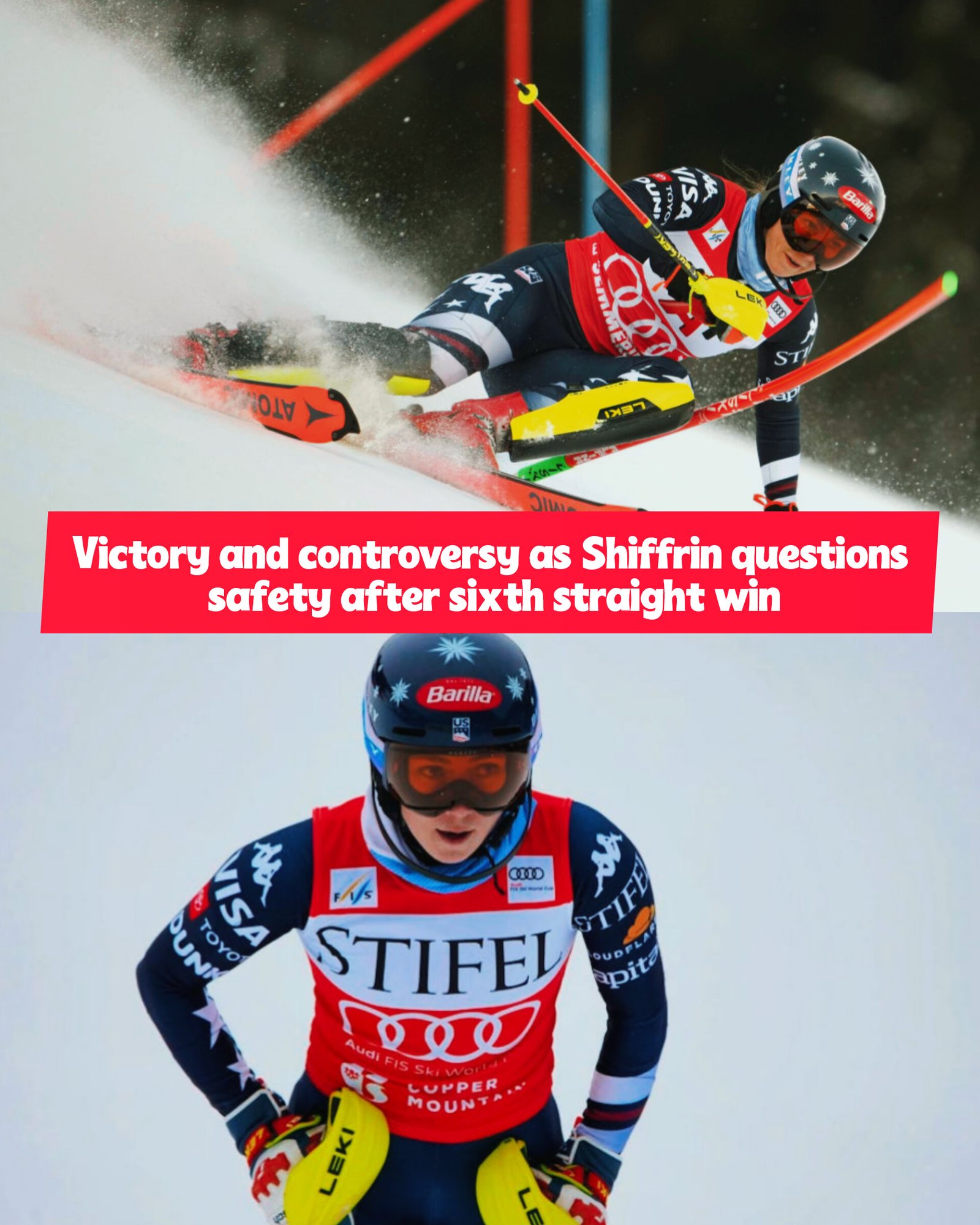
Racing on Sunday in Semmering, Shiffrin secured what marked her sixth consecutive slalom victory when counting the end of last season, and her fifth in a row since the current World Cup campaign began. Over two runs, she delivered the fastest combined time, finishing ahead of Switzerland’s Camille Rast in second place and Albania’s Lara Colturi, who completed the podium in third. The result further cemented Shiffrin’s position as the leading force in the discipline this winter.
The win carried additional significance given what Shiffrin endured last season. A serious oblique muscle injury sidelined her for a stretch of the winter, interrupting her rhythm and forcing her to watch from the sidelines as others competed. Returning to such consistent winning form so soon after that setback underlined not only her technical brilliance but also her resilience and determination.
However, the celebratory mood was tempered by Shiffrin’s frank assessment of the course in Semmering. Speaking after the race, she did not shy away from criticising the conditions, stating plainly that she believed the slope was unsafe—particularly for those starting later in the order. While she acknowledged that the surface posed little problem for her own run early in the field, she stressed that conditions deteriorated significantly for others.
Shiffrin explained that racers with higher bib numbers faced a very different challenge. Athletes starting further back, including those with bibs in the teens and even into the 60s, encountered a track that had broken down badly. In her view, that situation was unacceptable at the highest level of competition, where fairness and safety should be paramount.
The statistics from the race appeared to support her concerns. Out of 79 competitors, 39 failed to finish the first run alone. When DNFs from the second run were also taken into account, broadcasters reported that the event recorded the highest non-finish rate at a World Cup slalom since data tracking began in 1999. Such numbers highlighted just how treacherous the conditions were across the field.
Organisers had attempted to stabilise the slope following a period of warm weather by injecting the surface with water and salt. Despite those efforts, the course broke apart in multiple sections as the race progressed. According to reports, conditions only began to improve later as temperatures dropped, but by then many athletes had already been forced out of contention.
Shiffrin revealed that she was far from alone in her assessment. Conversations among the athletes painted a picture of widespread anxiety, particularly during the opening run. Many racers found the course intimidating and unpredictable, with ruts and deteriorating snow making it difficult to ski aggressively or with confidence.
For Shiffrin, this was deeply disappointing, not only as a competitor but as someone who cares about the sport’s image. She expressed regret that fans were unable to watch a full field perform at their best. Instead, only a handful of early starters were able to showcase clean, flowing runs before the course degraded. In her view, this undermined the beauty of alpine skiing and the spectacle it should provide.
Despite the controversy, Shiffrin’s performance ensured she maintained her position at the top of the overall women’s World Cup standings. Her consistency across events has given her a healthy advantage, and she now stands on the brink of another personal milestone. With six consecutive slalom victories spanning the end of last season and the start of this one, she is just one win away from matching her career-best streak of seven in a row—a mark she has already reached twice before.
Her current run includes victory in the final slalom of last season at Sun Valley, Idaho, which carried over seamlessly into this winter’s competitions. That continuity speaks volumes about her form and focus, particularly given the physical challenges she faced not long ago.
Looking ahead, Shiffrin will have an opportunity to reach that seven-win benchmark again when the women’s World Cup slalom circuit resumes on January 4, 2026, in Kranjska Gora, Slovenia. While attention will naturally focus on whether she can extend her streak, the conversation sparked in Semmering about course safety is likely to continue as well.
In the end, Shiffrin’s latest triumph was both a celebration of excellence and a reminder of the responsibilities that come with hosting elite-level competition. Her willingness to speak out underscored her role not just as a champion skier, but as a leading voice advocating for fairness and safety within the sport.
How Mikaela Shiffrin Battled Harsh Conditions and Heavy Pressure to Secure Another World Cup Slalom Victory
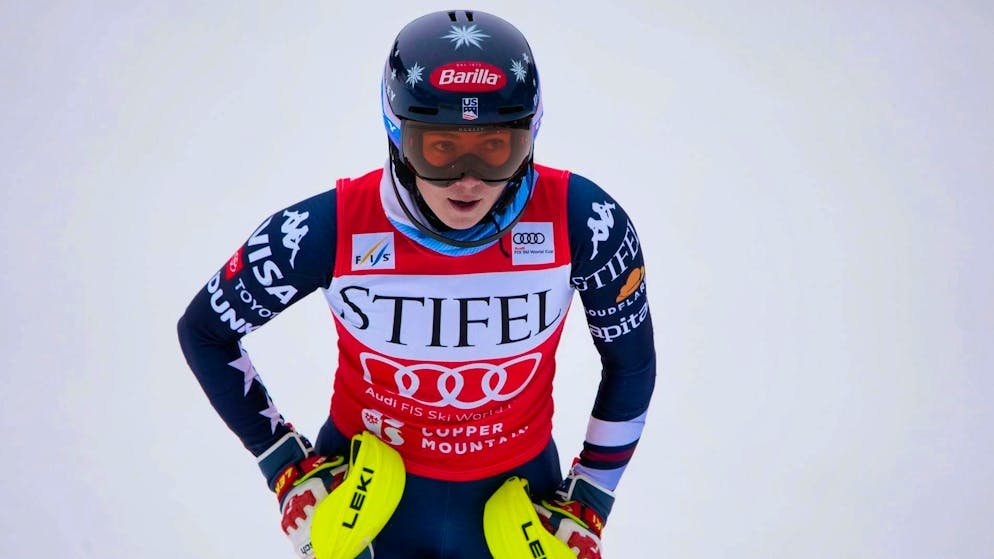
Mikaela Shiffrin was given more inspection time than the other racers before her winning run at Semmering.
Keystone
Mikaela Shiffrin once again proved why she remains the benchmark in women’s alpine skiing, delivering another standout performance during the 2025–26 FIS World Cup season. The American star added yet another victory to her growing list of achievements by winning the slalom event in Semmering, Austria, marking her sixth straight World Cup win overall and her fifth consecutive triumph this season.
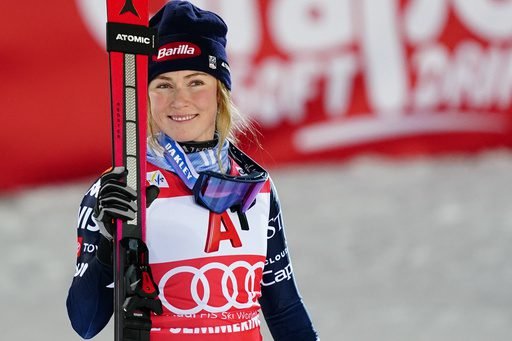
United States’ Mikaela Shiffrin smiles after winning an alpine ski, women’s World Cup slalom in Semmering, Austria, Sunday, Dec. 28, 2025. (AP Photo/Pier Marco Tacca)
At 30 years old, Shiffrin continues to dominate the sport with remarkable consistency. However, despite standing atop the podium yet again, the victory was far from straightforward. In the aftermath of the race, Shiffrin made it clear that the challenging conditions significantly dampened her satisfaction with the result.
A Win Earned the Hard Way
The Semmering slalom presented competitors with some of the most demanding conditions of the season. Unseasonably difficult weather forced race organizers to intervene by adding water and salt to the course in an attempt to preserve the snow surface. Rather than stabilizing the track, the measures had the opposite effect as the day progressed.
By the afternoon session, the snow began to deteriorate rapidly, breaking apart under the skis of competitors and leading to multiple delays. The uneven surface created dangerous conditions, increasing the risk of crashes and forcing many athletes to abandon their runs altogether.
Shiffrin, who navigated the course successfully, later acknowledged that the circumstances were mentally and physically draining. Speaking to local media after the race, she openly criticized the event organization, emphasizing the safety concerns faced by the athletes.
“It was a very challenging and distracting day,” Shiffrin said in comments reported by The Guardian. “My understanding is there were no big injuries, but the way the surface was breaking… the second run was a bit better, for sure, but I am frustrated with how that went for these women.”
Her remarks reflected broader concerns within the field, as only 40 of the 77 skiers who started the opening run managed to reach the finish line. Frequent interruptions disrupted rhythm and focus, making it difficult for athletes to perform at their best.
Maintaining Composure Under Pressure
Despite the chaos surrounding the event, Shiffrin showcased the composure that has defined her career. She managed to block out the distractions, adapt her technique to the deteriorating snow, and deliver two strong runs when it mattered most.
Her victory was anything but comfortable. Swiss skier Camille Rast, the reigning world champion, pushed Shiffrin to the limit and finished just 0.09 seconds behind her in second place. Albanian teenager Lara Colturi completed the podium with an impressive third-place finish, continuing her rise on the World Cup circuit.
Shiffrin’s ability to perform under such testing circumstances highlighted not only her technical mastery but also her mental resilience—qualities that have allowed her to sustain success across more than a decade at the top of the sport.
Strengthening Her Olympic Momentum
The Semmering win further extended Shiffrin’s lead in both the overall World Cup standings and the slalom discipline rankings. With the Milano Cortina Winter Olympics scheduled for early February next year, the timing of her peak form could not be better.
Shiffrin enters the Olympic cycle with a résumé that already includes two Olympic gold medals and one silver. Earlier this year, she also captured a team combined gold medal at the 2025 World Championships, reinforcing her status as one of the most accomplished skiers in history.
However, the upcoming Olympics carry special significance for the American star. The 2022 Beijing Winter Games were a rare disappointment in her otherwise glittering career. Multiple early exits meant her best result was a fourth-place finish in the women’s team combined event, leaving her without an individual medal.
Those missed opportunities have clearly fueled her motivation heading into Milano Cortina. Each World Cup victory not only strengthens her confidence but also sharpens her competitive edge as she seeks redemption on the Olympic stage.
Looking Ahead
While the Semmering slalom added another trophy to Shiffrin’s collection, it also reignited conversations about athlete safety and race management in challenging weather. Her willingness to speak out underscored her role not just as a champion, but as a leading voice within the sport.
For now, Shiffrin’s focus remains firmly on performance. As the World Cup season progresses, she continues to set the pace, combining experience, adaptability, and relentless determination. If her current form is any indication, she will arrive at the Milano Cortina Olympics as one of the clear favorites—ready to reclaim Olympic glory and further cement her legacy as one of alpine skiing’s all-time greats.
-

 Blog1 month ago
Celtic issues a fiery VAR statement after Trusty’s red card appeal is dismissed, as furious chiefs release referee audio publicly.
-

 Blog1 month ago
Celtic informed their January signing under Martin O’Neill that he wouldn’t play a single minute this season.
-

 Blog1 month ago
Celtic issued an £83 million warning amid looming UEFA threats.
-

 Blog3 weeks ago
SFA Expected to Review Missed Penalty in Rangers v Celtic Clash
-

 Blog10 months ago
“Courtside to Aisle-Side: Tyrese Haliburton and Jade Jones Set New Wedding Date”
-

 Blog1 month ago
£6m star is looking to leave Rangers this summer and has already announced his next club publicly.
-

 Blog5 days ago
Rangers victory overshadowed by refereeing controversy
-

 Blog1 month ago
Auston Trusty under intense Celtic red card investigation amid new Hibs ‘punch’ claims and Rangers’ appeal review.