
Blog
WNBA champion Brittney Griner compares her Russian imprisonment to ICE custody

WNBA superstar Brittney Griner believes her harrowing experience inside a Russian penal colony offers an unsettling glimpse into the dangers of unchecked authoritarian power, and she hopes her newly released documentary will encourage Americans to reflect on the direction their own country is heading.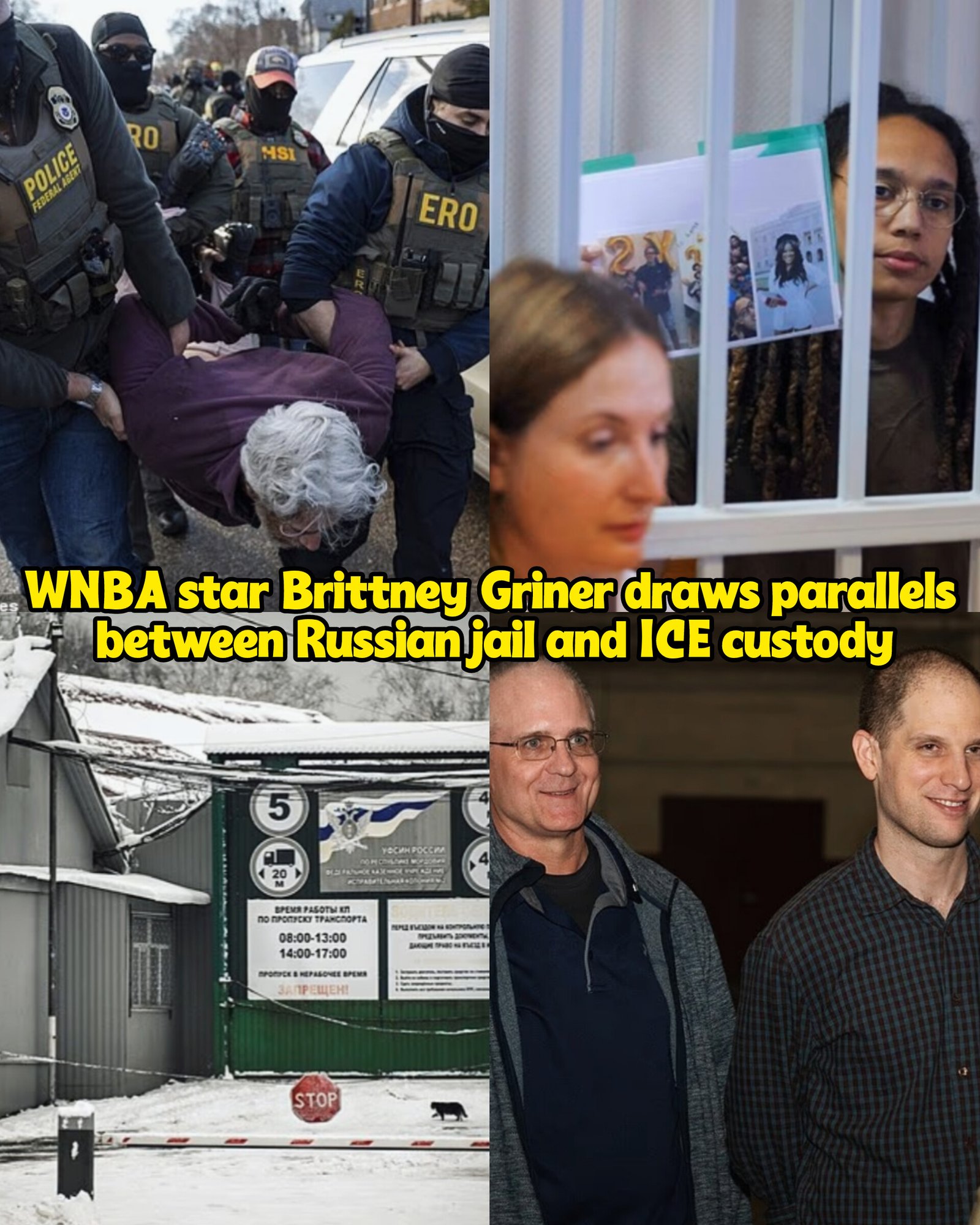
Ahead of the premiere of The Brittney Griner Story at the Sundance Film Festival, Griner spoke candidly with The Hollywood Reporter, explaining that the film arrives at what she considers a deeply troubling moment in U.S. history. According to the Olympic gold medalist, the lessons from her imprisonment abroad resonate strongly amid escalating tensions surrounding immigration enforcement and civil unrest in the United States, particularly following deadly incidents involving federal agents in Minnesota.
Griner said she hopes viewers recognize the warning signs illustrated by her story. “I want people to understand what life can look like if we allow these systems to continue without accountability,” she explained. “What I went through feels distant to many Americans because it happened in another country, but the parallels are becoming harder to ignore.”

Brittney Griner and her wife Brittney Griner attend ‘The Brittney Griner Story ‘ Premiere during the 2026 Sundance Film Festival at The Ray Theatre
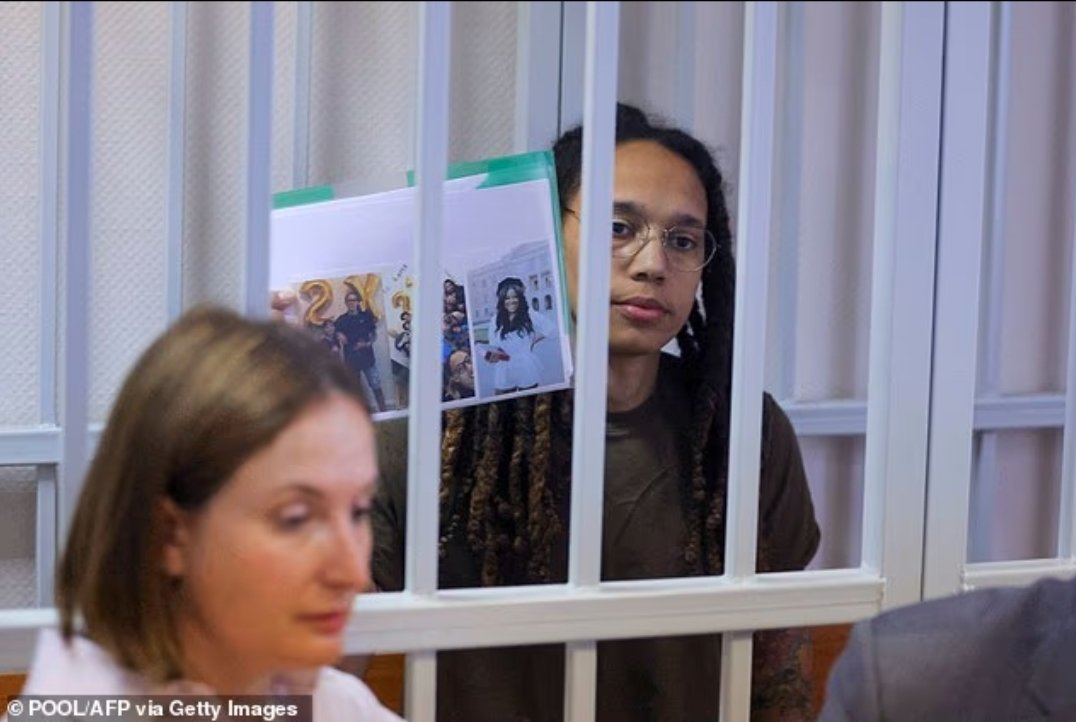
Brittney Griner holds photos inside a defendants’ cage before a court hearing during her trial on charges of drug smuggling, in Khimki, outside Moscow on August 2, 2022
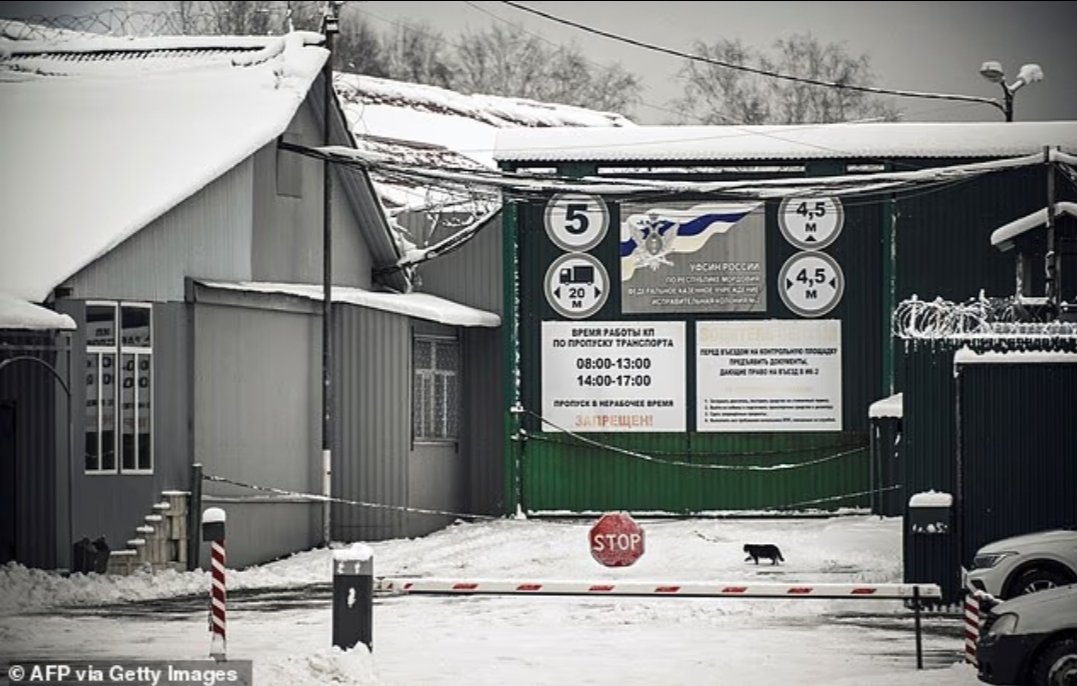
This picture taken on on November 19, 2022 shows the entrance of the penalty colony IK-2in the town of Yavas in Mordovia, where Brittney Griner spent 10 months a few years ago
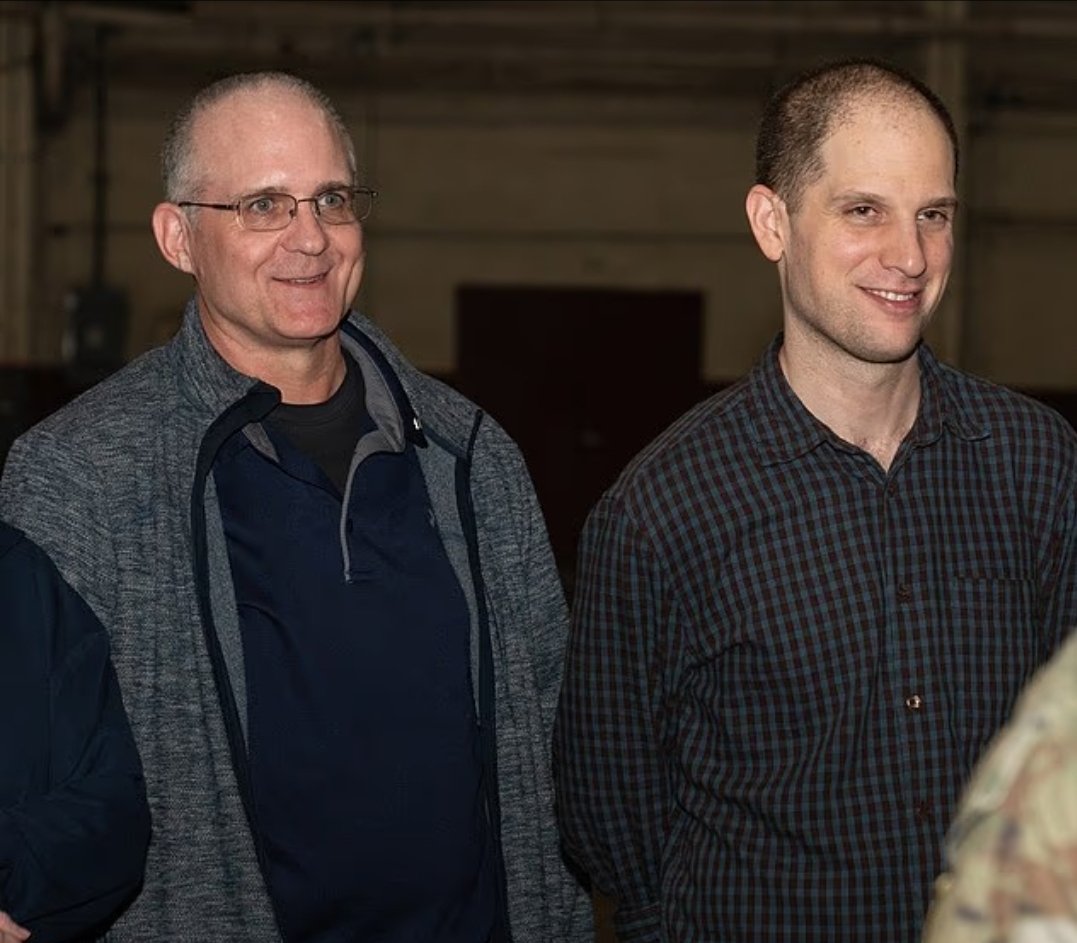
Griner advocated for other Americans detained in Russian like former US Marine Paul Whelan (left) and Wall Street Journal reporter Evan Gershkovich (right), who were freed in 2024
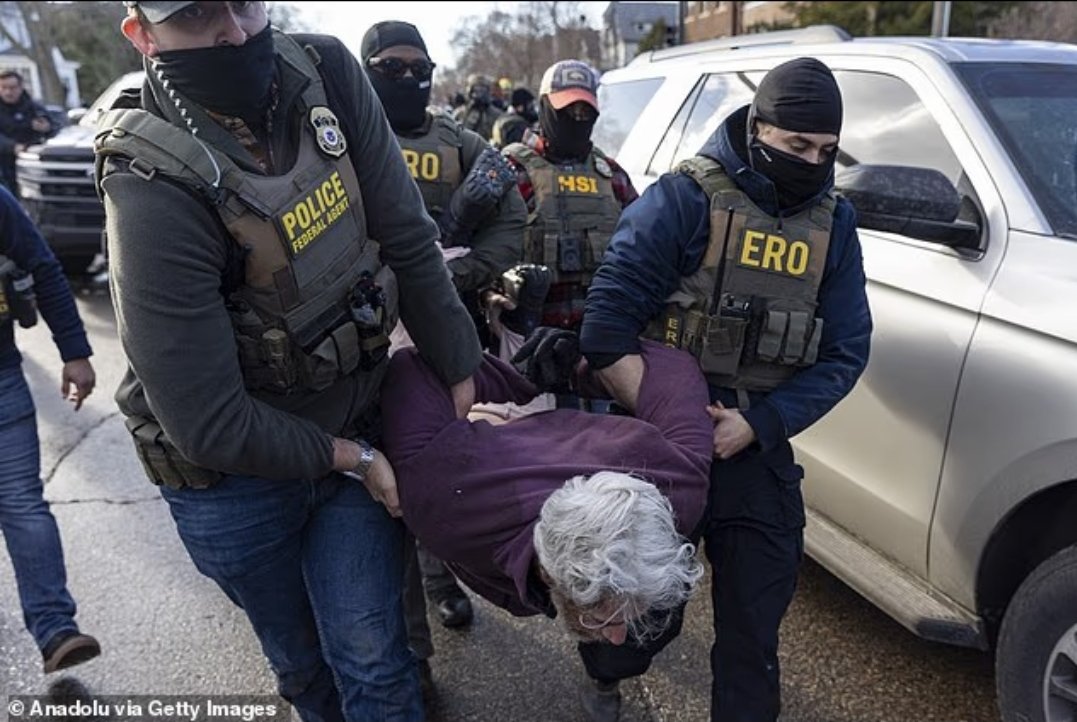
Federal Agents arrest a man during an Immigration Enforcement Operation in Minneapolis
The 6-foot-9 center suggested that the political climate in the U.S., especially in recent months, has created conditions where state power is increasingly exercised through fear and force. “We’re in a really dangerous place right now,” Griner said. “What’s happening in Minnesota and other parts of the country makes it easier for people to understand what authoritarianism looks like when it’s allowed to grow.”
Griner was arrested in February 2022 at Sheremetyevo International Airport in Moscow while returning to Russia to play during the WNBA offseason. Russian customs officials discovered a vape cartridge containing cannabis oil in her luggage. Griner later described the incident as a packing mistake, saying she had unintentionally left the item in her bag while preparing to travel from the United States.
Her arrest occurred just days before Russian President Vladimir Putin launched his invasion of Ukraine, dramatically escalating tensions between Moscow and Washington. Almost overnight, Griner’s case shifted from a legal matter into a geopolitical standoff, with the American athlete becoming a symbolic bargaining chip amid deteriorating diplomatic relations.
Russian authorities charged Griner with drug possession and trafficking, crimes that carried severe penalties under the country’s legal system. Despite her guilty plea and expressions of remorse, she was sentenced to nine years in a penal colony, a punishment widely criticized by human rights groups as disproportionate and politically motivated.
During her imprisonment, Griner endured harsh living conditions, forced labor, and prolonged isolation. The experience, she has said, stripped her of her sense of humanity and personal safety. “You don’t feel like a person anymore,” she recalled in earlier interviews. “You’re just trying to survive each day.”
After ten months behind bars, Griner was released in December 2022 following a high-profile prisoner exchange negotiated by the Biden administration. The United States agreed to swap convicted Russian arms dealer Viktor Bout for the WNBA star, a deal that sparked debate at home but ultimately brought Griner back to American soil.
Since her return, Griner has gradually resumed her basketball career, rejoining the Phoenix Mercury and later earning another Olympic gold medal with Team USA. However, she has also taken on a new role as an advocate for Americans wrongfully detained overseas.
She has consistently spoken out on behalf of individuals such as former U.S. Marine Paul Whelan and Wall Street Journal reporter Evan Gershkovich, both of whom were held in Russia on espionage-related charges. In 2024, after lengthy negotiations, the U.S. government secured their releases, a development Griner described as a “huge relief” and a reminder of the importance of sustained diplomatic pressure.
While The Brittney Griner Story focuses heavily on her personal journey, director Alexandria Stapleton believes the documentary carries broader political significance. Stapleton has said the film invites audiences to examine how power is wielded by governments and how quickly individual rights can disappear when systems become militarized and unaccountable.
Stapleton argues that these themes feel particularly relevant in the United States today, as clashes between immigration authorities, protestors, and local communities continue to intensify. The documentary’s release coincides with national outrage over recent deadly encounters between federal immigration agents and civilians in Minneapolis.
Earlier this month, two American protestors, Renee Good and Alex Pretti, were killed during confrontations involving federal immigration enforcement officers. Authorities initially claimed that Good attempted to use her vehicle as a weapon against agents, but video footage later contradicted that account. Pretti was accused of posing an immediate threat due to his legally registered firearm, though witnesses and evidence indicated he was not holding the weapon when he was fatally shot.
In the aftermath, senior officials offered forceful rhetoric defending the agents’ actions. Department of Homeland Security Secretary Kristi Noem accused Pretti of attacking officers, while Trump adviser Stephen Miller publicly labeled him a “would-be assassin.” These statements fueled widespread protests and intensified concerns over the use of deadly force by federal authorities.
Facing mounting pressure, former President Donald Trump later announced plans to “de-escalate” the situation in Minnesota and expressed support for an independent investigation into the killings. Nonetheless, critics argue the incidents reflect a broader pattern of aggressive enforcement tactics and the erosion of civil liberties.
For Griner, these developments underscore why her story matters beyond sports or international diplomacy. She believes Americans often assume that authoritarian abuses only happen elsewhere, failing to recognize how similar dynamics can take root at home. “I never thought something like that could happen to me,” she said. “I was an athlete, a citizen, and I still lost all my rights overnight.”
She hopes the documentary prompts viewers to empathize not only with her experience but also with immigrants, protestors, and others who find themselves at the mercy of powerful institutions. “Once you’ve been locked up and silenced, you realize how fragile freedom really is,” Griner said.
Ultimately, The Brittney Griner Story is both a personal reflection and a cautionary tale. By drawing connections between her imprisonment in Russia and ongoing struggles within the United States, Griner aims to spark dialogue, awareness, and accountability. “If my experience can help someone else be seen or protected,” she said, “then at least some good can come from what I went through.”
-
 Blog1 month ago
Celtic issues a fiery VAR statement after Trusty’s red card appeal is dismissed, as furious chiefs release referee audio publicly.
-

 Blog2 months ago
Celtic informed their January signing under Martin O’Neill that he wouldn’t play a single minute this season.
-
 Blog1 month ago
Celtic issued an £83 million warning amid looming UEFA threats.
-

 Blog1 month ago
SFA Expected to Review Missed Penalty in Rangers v Celtic Clash
-

 Blog4 days ago
Police respond after reported disorder following Middlesbrough vs Millwall clash
-

 Blog10 months ago
“Courtside to Aisle-Side: Tyrese Haliburton and Jade Jones Set New Wedding Date”
-

 Blog1 month ago
£6m star is looking to leave Rangers this summer and has already announced his next club publicly.
-

 Blog2 weeks ago
Rangers victory overshadowed by refereeing controversy