
Blog
Ten potential candidates for Scotland’s next manager, with two frontrunners and a Danish wildcard emerging.

The search for Scotland’s next national team manager is officially underway, and attention has already turned towards the names who could succeed Steve Clarke in one of the most important positions in Scottish football.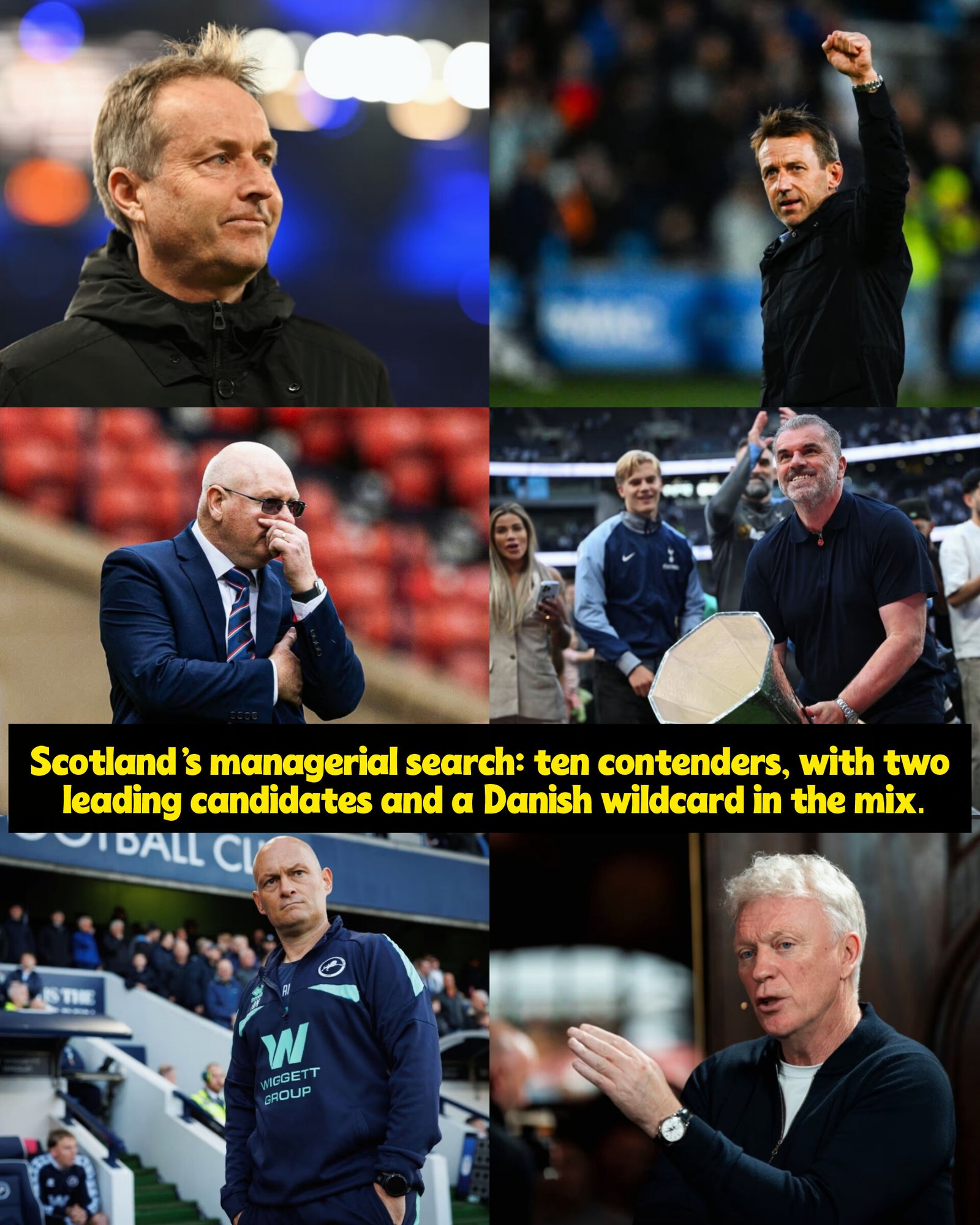
Following confirmation that Clarke has stepped down from his role, speculation is gathering pace over who the Scottish Football Association will appoint to lead the national side into its next chapter.
The race remains wide open, but a number of familiar names have already begun to emerge as potential candidates. Some boast extensive international experience, while others have impressed at club level and could now be ready to make the step into the international game. There are also a few surprise contenders whose names have entered the conversation early.
Replacing Clarke will not be an easy task.
His tenure transformed the perception of the Scotland job and restored belief within the national setup after years of disappointment.
When Clarke accepted the position in 2019, many questioned whether taking charge of Scotland was worth the challenge. In fact, the former Kilmarnock manager later admitted that some people advised him against accepting what was widely viewed as one of football’s most difficult jobs.
At that point, Scotland had endured years without appearing at a major international tournament, and expectations among supporters had fallen dramatically.
Clarke changed that.
Under his leadership, Scotland qualified for three consecutive major tournaments, ending decades of frustration while rebuilding confidence throughout the national team.
His achievements extended beyond simple qualification.
He established a clear playing identity, developed a competitive culture and helped create a squad capable of believing it belonged on the international stage once again.
Although Scotland ultimately fell short of making a deep run at those tournaments, Clarke unquestionably leaves the national side in a stronger position than when he first arrived.
The next manager will therefore inherit a far healthier environment than the one Clarke encountered several years ago.
Instead of rebuilding from the ground up, the new coach will take charge of an established squad featuring experienced internationals alongside several exciting younger players.
That changes the challenge significantly.
The expectation is no longer simply reaching tournaments.
Qualification has become the minimum target.
The next objective is ensuring Scotland can compete successfully once they arrive and finally progress beyond the group stages of major competitions.
Achieving that ambition will require the Scottish Football Association to identify the right successor.
The governing body now faces one of its most significant appointments in recent years, knowing the decision could shape the direction of the national team for the remainder of the decade.
Naturally, speculation has intensified over who might receive the opportunity.
Several experienced managers with strong Scottish connections are expected to attract attention.
Others currently working abroad may also be considered, particularly those with proven records of developing teams and succeeding in tournament football.
There are also ambitious younger coaches whose tactical approaches could appeal to decision-makers looking to build on Clarke’s foundations while introducing fresh ideas.
Among the early names being discussed are managers with experience in the Scottish Premiership, former international coaches and several individuals currently enjoying success elsewhere in Europe.
One particularly intriguing candidate from Denmark has also emerged as an outsider capable of entering the conversation should the Scottish Football Association decide to look beyond the traditional options.
While some appointments would represent continuity, others could signal a significant shift in playing style and long-term philosophy.
Every candidate brings different strengths.
Some possess extensive experience managing at international level.
Others have built impressive reputations through successful club careers.
Several understand Scottish football intimately, while a handful would arrive with fresh perspectives from overseas.
The SFA must carefully balance immediate competitiveness with longer-term development.
The national team has made encouraging progress over recent years, but maintaining that momentum will depend heavily on selecting the right individual.
There is little appetite for another lengthy rebuilding process.
Supporters now expect Scotland to remain regular participants at major tournaments while becoming increasingly competitive against Europe’s strongest nations.
That expectation reflects the work Clarke completed during his time in charge.
His success fundamentally altered how both supporters and opponents now view Scotland.
The squad contains players competing regularly across the Premier League, Serie A and other leading European competitions, providing a stronger talent pool than previous generations often enjoyed.
Whoever succeeds Clarke will therefore inherit greater opportunities but also significantly greater pressure.
The benchmark has changed.
Merely coming close to qualification will no longer satisfy supporters.
Instead, fans will expect continued appearances at European Championships and World Cups, while hoping the next manager can help Scotland finally enjoy memorable knockout-stage success.
The search process is likely to attract considerable attention over the coming weeks as speculation continues to grow.
Every managerial vacancy of this magnitude inevitably generates debate, particularly when the outgoing coach leaves behind such a respected legacy.
Clarke’s achievements ensure his successor will immediately face comparisons.
However, they will also benefit from taking charge of a settled group rather than one requiring wholesale reconstruction.
That may make the Scotland role considerably more attractive than it once appeared.
Where previous candidates may have viewed the position as an impossible challenge, today’s applicants can realistically believe they are inheriting a squad capable of sustained success.
The foundations have already been established.
Now the task becomes building upon them.
The Scottish Football Association’s decision will ultimately determine whether Scotland can move beyond simply qualifying for tournaments and begin making a genuine impact once they arrive.
With numerous respected candidates already being linked to the vacancy and several more expected to emerge in the coming days, the race promises to become one of the most closely followed managerial searches in recent Scottish football history.
As discussions continue and speculation intensifies, supporters across the country will eagerly await news of who the SFA believes is best placed to guide Scotland into its next era.
One thing is already clear.
Steve Clarke leaves behind a stronger national team than the one he inherited, a more ambitious footballing nation and expectations that are considerably higher than they were when he first accepted the role.
The challenge for his successor will not simply be maintaining that progress.
It will be taking Scotland to the next level.
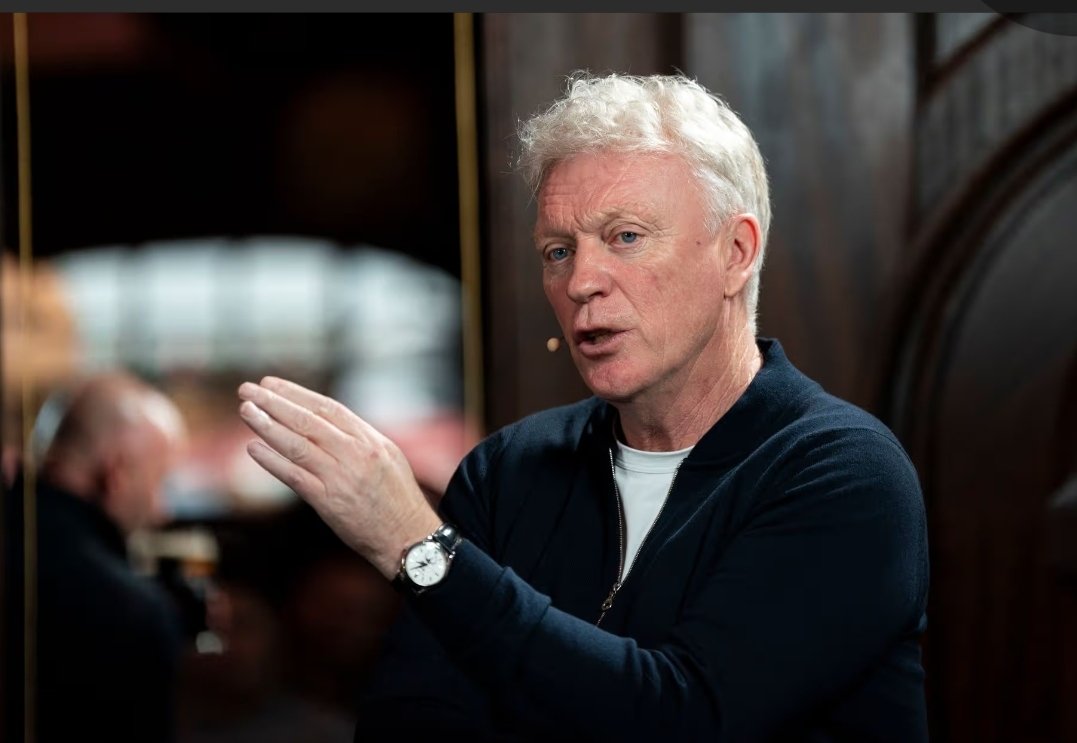
David Moyes
He’s been the standout Scottish manager in England since Sir Alex Ferguson, and while he’s currently in a job at Everton, his country coming calling would surely hold some appeal. Convincing the Toffees to part with their boss might be another matter.
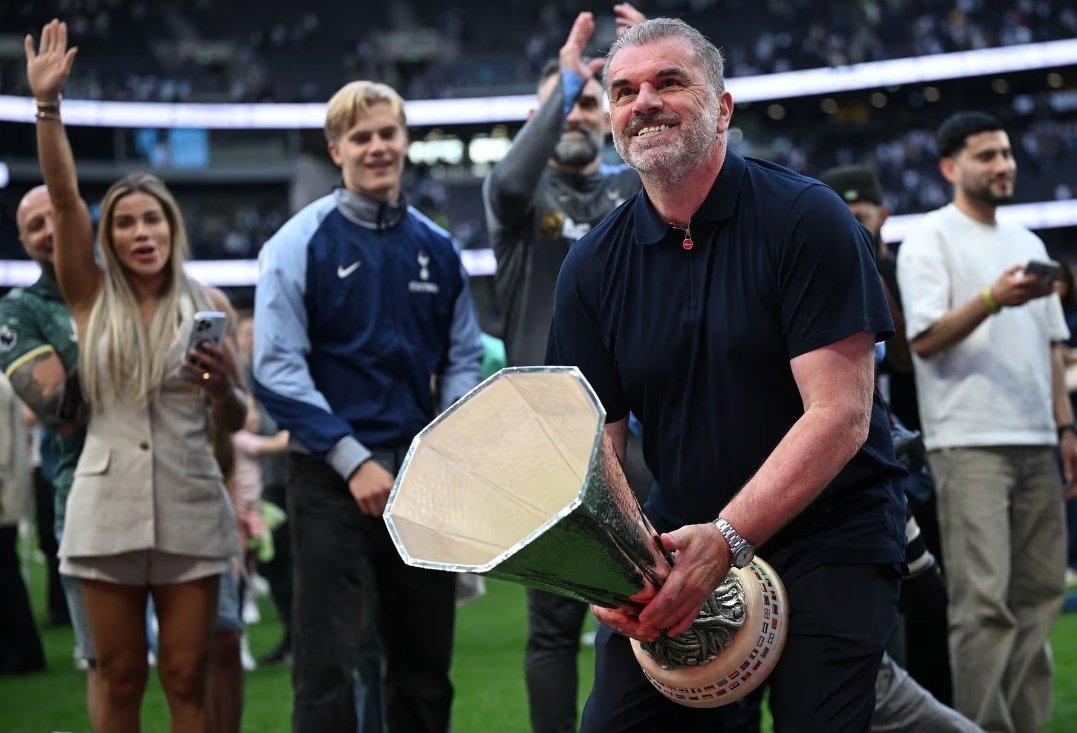
Ange Postecoglou
Moyes is the early favourite for the job but former Celtic boss Ange Postecoglou isn’t far behind. The Aussie is experienced on the international stage and is familiar with life in Scotland too. If he fancies a return to international management after a couple of tough years down south, then this one makes sense.
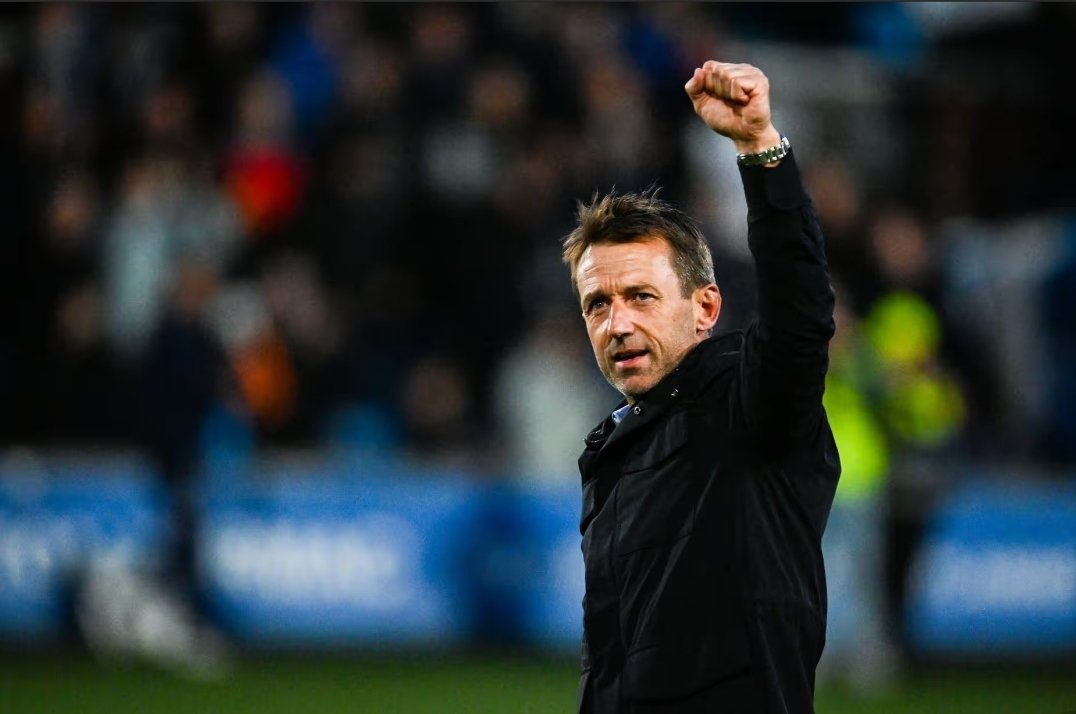
Neil McCann
Well, our last appointment from Kilmarnock didn’t go too badly! Neil McCann has done a terrific job steadying the ship at Rugby Park and will fancy himself as a contender. But he may just be a little too inexperienced as a manager in his own right to be handed the keys to Hampden this time around.
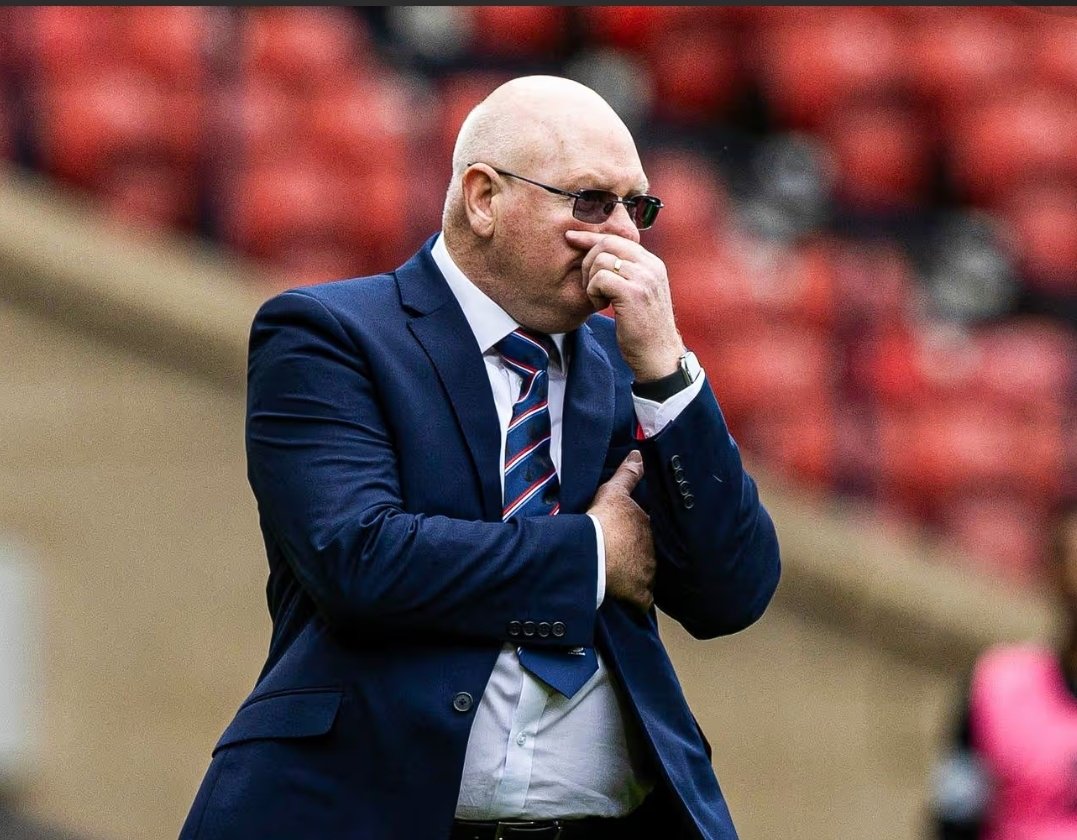
John McGlynn
If the SFA opt to keep it domestic then Falkirk boss John McGlynn is undoubtedly one of the standout candidates. He was PFA Scotland Manager of the Year two years running, and was nominated for a third before losing out to Derek McInnes. The glaring issue here is handing the job to someone who will be approaching 70 by the time the next World Cup comes around.
(Image: SNS Group)
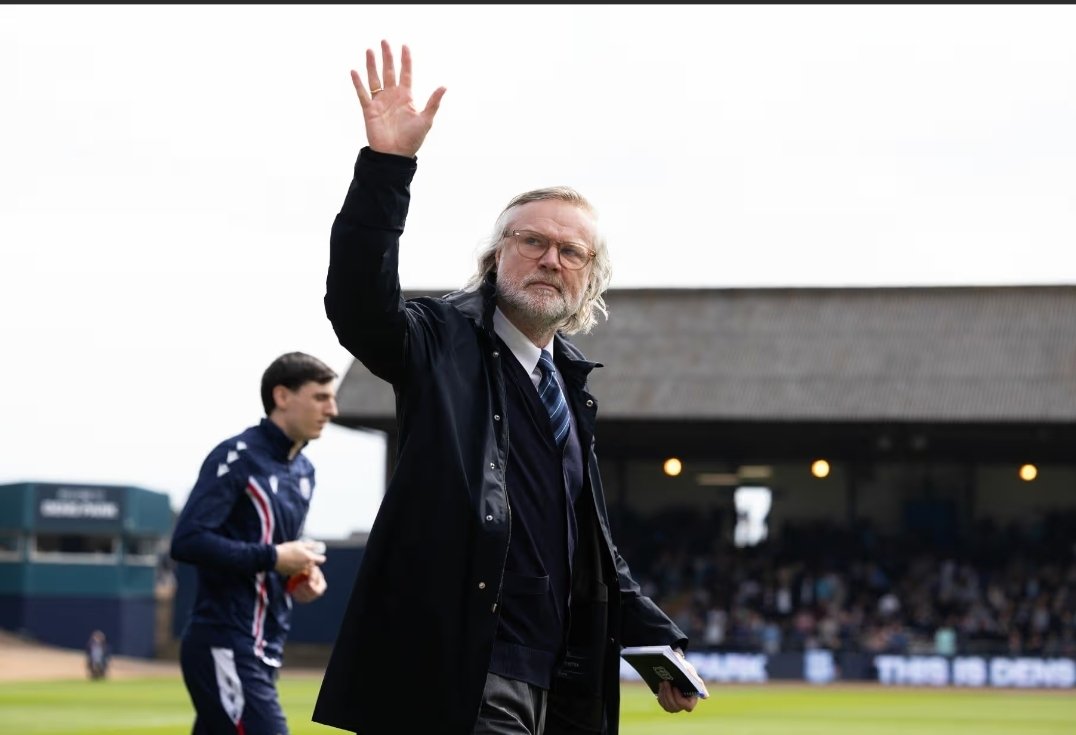
Steven Pressley
Eyebrows were raised when Steven Pressley was handed the Dundee job last summer, many consigning Dundee to a relegation dogfight before a ball was kicked. But he steered them well clear of any danger, playing some eye-catching football along the way.
(Image: SNS Group)
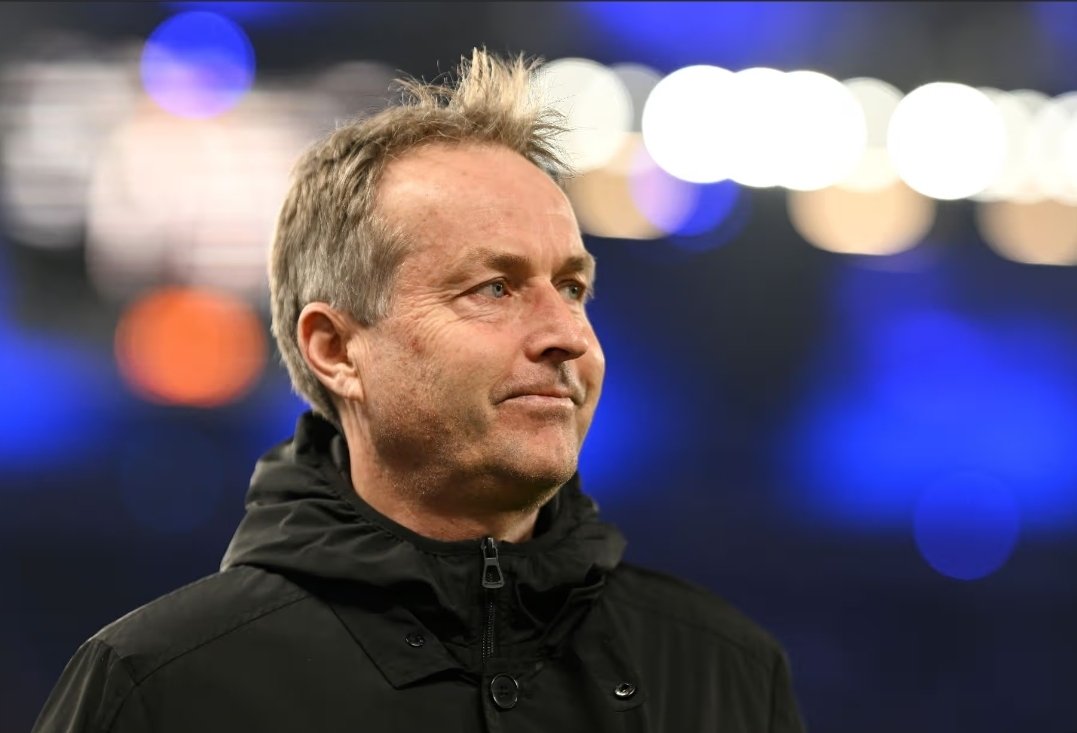
Kasper Hjulmand
Former Denmark manager Kasper Hjulmand
If the SFA do take the decision to look further afield then former Denmark boss Kasper Hjulmand makes a lot of sense. He spent four years with the Danes, leading them to the semis of Euro 2020, and was named Erik ten Hag’s successor at Bayer Leverkusen. But he’s currently out of work and may fancy a return to the international stage.
(Image: Getty Images)
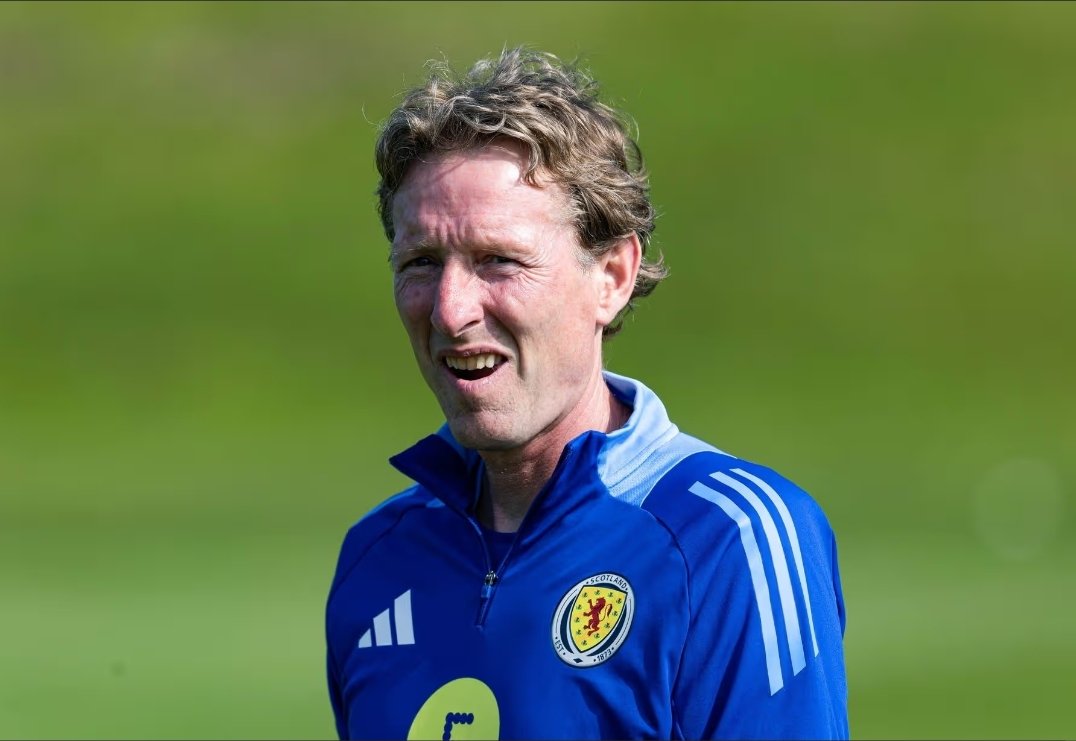
Scot Gemmill
Scotland Under-21 boss Scot Gemmill
It’s standard practice for the U21 boss to be in with a shout once the top job comes up. But Gemmill’s disappointing record at that level would make him a less than popular shout with the Tartan Army.
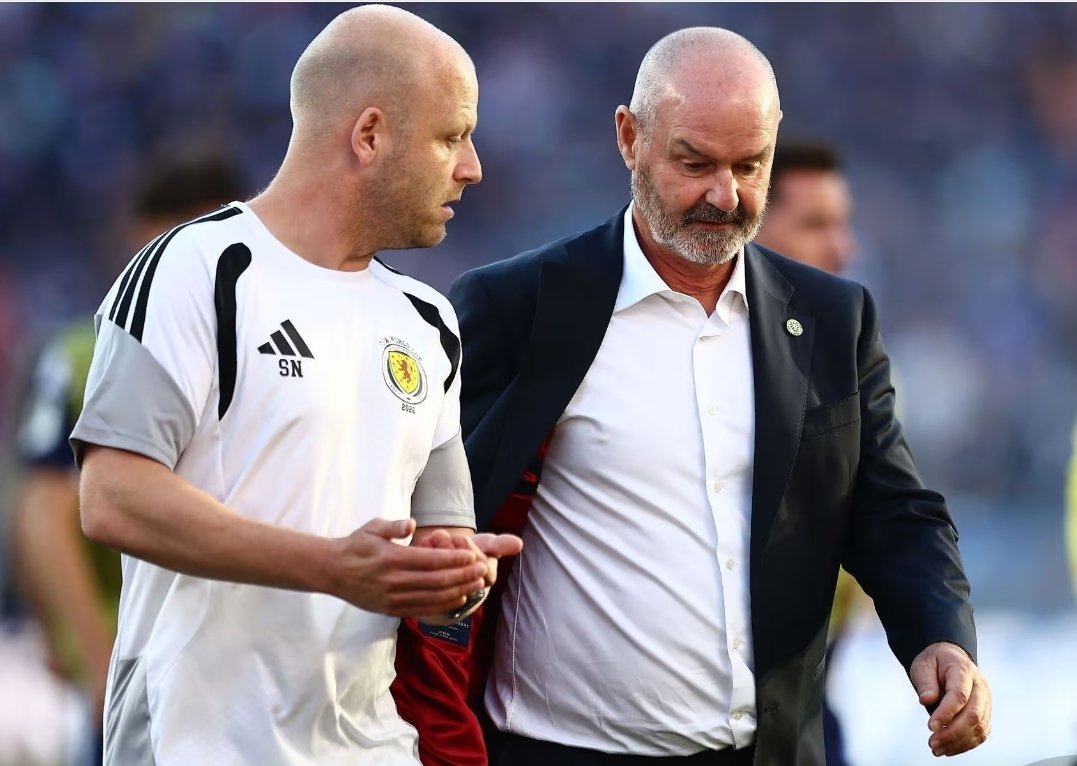
Steven Naismith
Clarke’s trusted lieutenant, Steven Naismith was an important part of what he’d built and seems likely to be handed the reins in the interim if the search for a new boss drags on. If he is indeed handed the September Nations League games, he’ll have the chance to state his case.
(Image: Michael Zemanek/Shutterstock)

Darren Fletcher
The former Scotland captain has minimal managerial experience, but the fact he was handed the interim reins at Manchester United is testament to his rising star status as a coach. His son Tyler already plays for us – maybe the other Fletcher kid could be convinced to do the same?
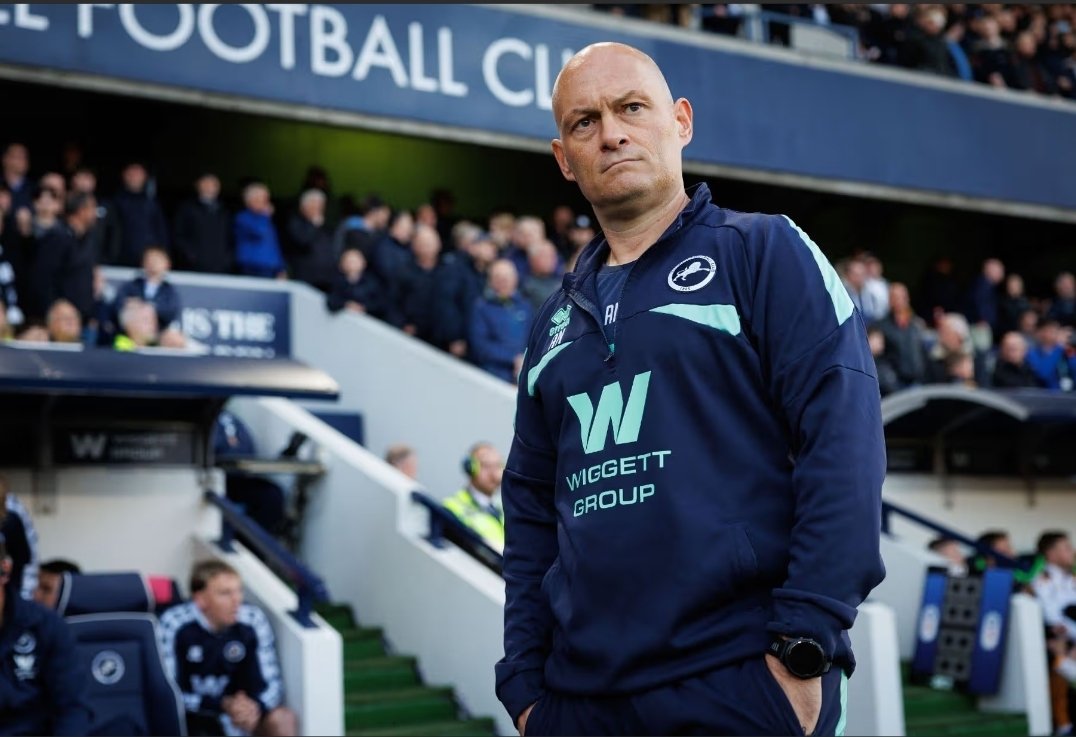
Alex Neil
Millwall manager Alex Neil
Vastly experienced north and south of the border, it’s easy to forget Alex Neil is only 45 years of age. He’s built an impressive coaching CV and had Millwall within touching distance of Premier League promotion last term, finishing third on 83 points. Highly underrated, and not one to write off!
(Image: Simon Dael/Shutterstock)
-
 Blog7 months ago
Celtic issues a fiery VAR statement after Trusty’s red card appeal is dismissed, as furious chiefs release referee audio publicly.
-

 Blog3 weeks ago
Former official calls on SFA to contact Rangers over fan scenes during Celtic match, labeling them “completely unacceptable.”
-

 Blog8 months ago
Celtic informed their January signing under Martin O’Neill that he wouldn’t play a single minute this season.
-

 Blog8 months ago
Celtic issued an £83 million warning amid looming UEFA threats.
-

 Blog7 months ago
SFA Expected to Review Missed Penalty in Rangers v Celtic Clash
-

 Blog6 months ago
Police respond after reported disorder following Middlesbrough vs Millwall clash
-

 Blog2 weeks ago
Middlesbrough receive a warning following Steve Gibson’s submission of a £1.5bn proposal.
-

 Blog1 year ago
“Courtside to Aisle-Side: Tyrese Haliburton and Jade Jones Set New Wedding Date”