
Blog
Celtic’s massive tax bill reveals the real expense of hoarding cash.

Celtic’s corporation tax charges over the last three financial years have reached an extraordinary £23.56 million, highlighting the scale of the Scottish champions’ profitability and raising fresh questions about how the club is choosing to use its financial strength.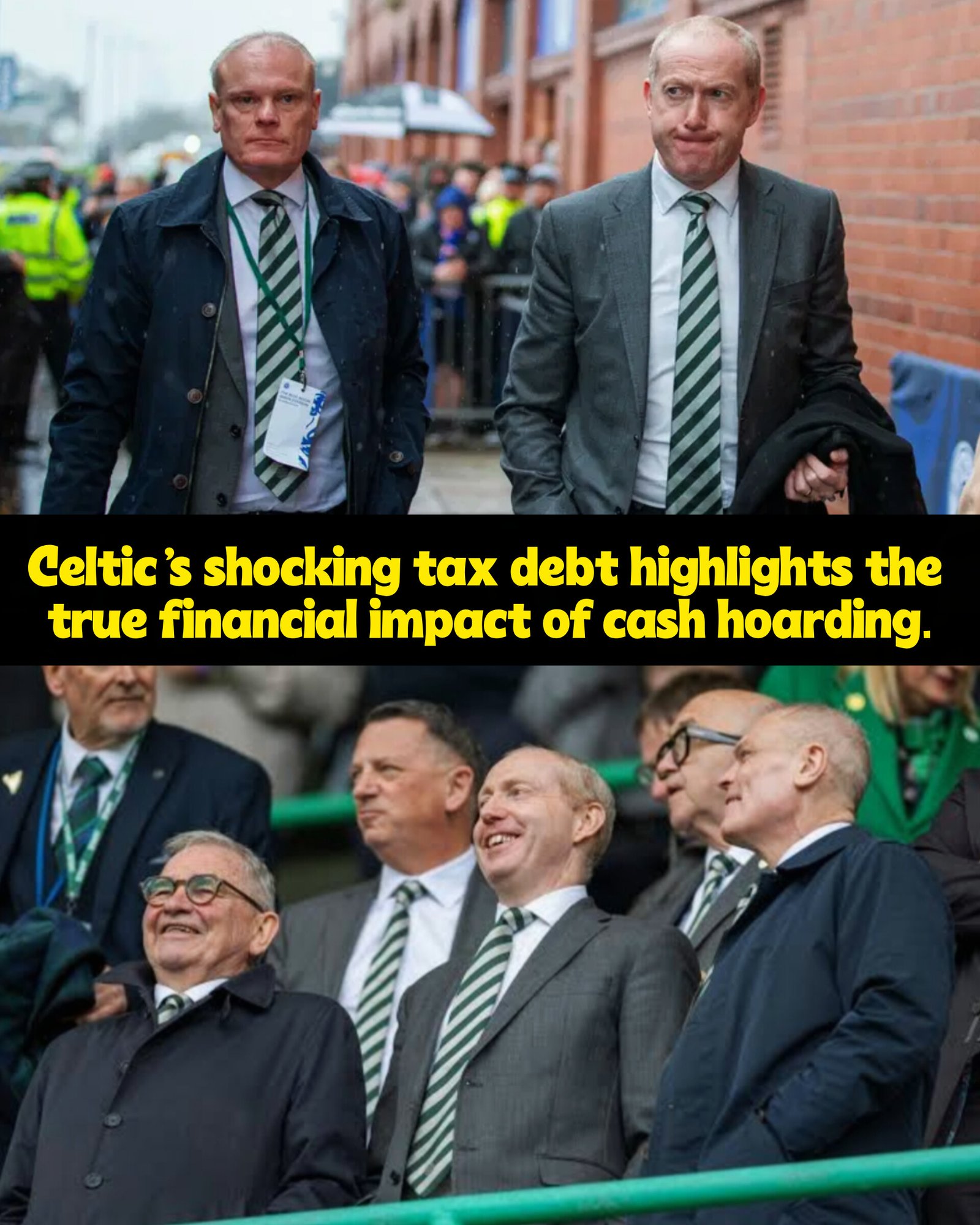
The figures show Celtic recorded corporation tax charges of £7.37m in 2023, followed by £4.44m in 2024 and a remarkable £11.75m in 2025. The latest figure represents a substantial increase and underlines just how profitable the club became during another highly successful financial year.
Those numbers inevitably raise questions about whether Celtic could be doing more with the resources available to them.
Understanding Celtic’s Tax Figures
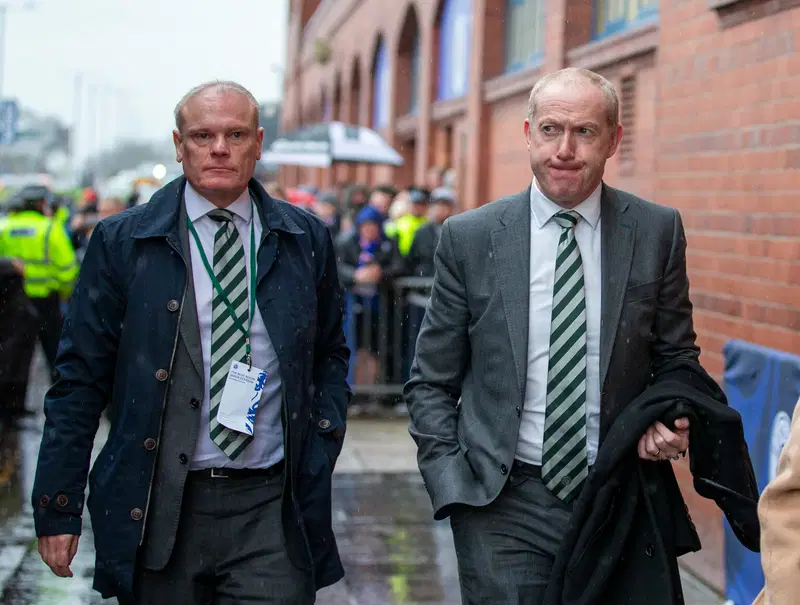
1st March 2026; Ibrox Stadium, Glasgow, Scotland; Scottish Premiership Football, Rangers versus Celtic; Chris McKay and Michael Nicholson of Celtic
It is important to make a distinction between a corporation tax charge shown in a club’s accounts and the amount of money actually paid to HMRC during that particular financial year.
The two figures are not necessarily identical because accounting charges can relate to tax obligations recognised during a period, while payments to HMRC can occur at different times.
There is also a common misconception that spending money automatically eliminates an equivalent amount from a tax bill.
That is not how football finances work.
Player transfer fees, for example, are generally spread over the length of a player’s contract for accounting purposes. Meanwhile, expenditure on buildings, infrastructure and other assets is governed by different accounting, taxation and capital-allowance rules.
Therefore, Celtic cannot simply spend £10m and assume that their tax liability will immediately fall by £10m.
Even after taking those factors into consideration, however, the club’s substantial profits provide a strong argument for greater reinvestment.
Celtic Still Have Significant Cash Reserves
Celtic’s 2025 accounts demonstrate that the club has already invested considerable sums.
During that financial year, Celtic spent £37.8m on intangible assets, with the majority of that expenditure relating to player registrations. The club also invested £11.7m in property, plant and equipment.
Despite that spending, Celtic still had a cash balance of £77.3m as of June 30, 2025.
The accounts also recorded the £11.75m corporation tax charge for the year, while Celtic actually paid £12.43m in tax during the period.
Those figures provide an insight into the strength of the club’s balance sheet.
Celtic are not operating without resources. Instead, they are carrying a substantial amount of cash while continuing to generate significant profits.
That naturally creates expectations among supporters that more money should be put towards improving the club.
Questions Over Transfer Investment
The most obvious area where fans want to see further investment is the playing squad.
Celtic have already spent heavily in recent seasons, but supporters can still identify positions where they believe the team requires improvement.
The argument is not necessarily that the club should spend recklessly or pursue expensive players simply because money is available.
Instead, the focus should be on using Celtic’s financial strength intelligently to improve the quality of the squad and increase the club’s chances of competing successfully domestically and in Europe.
For a club with such strong financial resources, supporters naturally expect ambition.
Celtic’s profitability gives the board an opportunity to build a stronger team without placing the long-term stability of the club at risk.
Stadium Facilities Also Need Attention
Investment does not have to mean signing footballers.
Celtic Park and the wider matchday experience also provide areas where supporters believe significant improvements are necessary.
Some fans have complained about basic facilities inside the stadium, particularly in parts of the main stand.
In certain areas, supporters are reportedly served pies through what effectively amounts to an opening in the wall. Compared with some other sections of the stadium, the food options are also limited, with items such as chips and salt-and-pepper chicken unavailable.
Even more basic concerns have been raised about the stadium’s toilet facilities, including reports that some toilets do not have hot water.
These issues might appear insignificant when compared with multimillion-pound transfer fees, but they matter to supporters who regularly spend their money attending Celtic matches.
The matchday experience is an important part of the relationship between the club and its supporters.
Who Benefits From Stadium Upgrades?
That makes the club’s priorities an increasingly interesting subject for debate.
Celtic have invested in areas such as the Number 7 Restaurant, but improvements aimed primarily at a relatively small section of the matchday audience are unlikely to satisfy supporters who feel that more basic facilities have been overlooked.
The question is not whether premium hospitality should receive investment.
Instead, fans may reasonably ask whether the club should first ensure that ordinary supporters receive a satisfactory experience throughout Celtic Park.
Supporters contribute substantially to the club’s financial strength through tickets, merchandise, hospitality, subscriptions and other forms of spending.
They therefore expect the stadium to reflect the financial health of the organisation.
Celtic’s Cash Position Has Been Strong
The previous financial accounts also underline how Celtic’s cash reserves have grown.
The 2024 accounts recorded corporation tax charges of £4.44m, while the club’s cash balance increased from £72.3m to £77.2m during that year.
This happened despite Celtic spending money on projects involving Barrowfield, Lennoxtown and stadium maintenance.
The corporation tax figures had been lower during the pandemic period, when Celtic’s revenue and profitability were affected by the disruption caused by restrictions and reduced matchday activity.
Since then, the club’s financial position has recovered strongly.
The increase in tax charges reflects that wider improvement in profitability.
Celtic also appear to have remained profitable during the current financial year, although their final corporation tax figure for 2026 cannot be established until the full annual accounts have been completed.
Spending Simply to Avoid Tax Makes No Sense
There is, however, an important warning that should accompany any discussion about Celtic’s tax bill.
The club should not spend money simply for the purpose of reducing its tax liability.
That would be poor financial management.
Paying corporation tax is an unavoidable consequence of generating profits, and deliberately making unnecessary expenditure just to reduce a tax payment would not automatically benefit Celtic.
Every investment needs to have a strategic purpose.
The real issue is whether Celtic can use some of their available resources to create long-term value.
Better Investment Could Strengthen Celtic
If money is invested intelligently, Celtic could improve several areas simultaneously.
Spending on high-quality players could strengthen the first team and increase the chances of domestic and European success.
Investment in training facilities could improve player development and recruitment.
Upgrading Celtic Park could enhance the matchday experience while potentially creating additional long-term revenue opportunities.
Improving facilities for supporters could also strengthen the relationship between the club and its fanbase.
Unlike simply paying tax, these forms of expenditure have the potential to leave Celtic with tangible benefits.
Better players, improved infrastructure and stronger commercial facilities can all contribute to the club’s future financial performance.
Board Must Show Greater Ambition
Celtic’s financial position means the club has options available to it.
The board does not need to gamble with the organisation’s future, nor should it spend irresponsibly.
However, supporters can clearly see areas that require attention, while the club continues to hold a substantial cash reserve.
That creates a legitimate debate about whether Celtic are being ambitious enough with their resources.
The club’s financial strength should ultimately be used to support sporting success and improve the experience of the people who sustain it.
Celtic have already demonstrated that they can generate significant profits and maintain a sizeable cash balance.
The challenge now is deciding how best to put that money to work.
Tax will inevitably consume part of those profits, but intelligent investment can create lasting value.
With the resources available, Celtic supporters will expect the board to show ambition and ensure that the club’s considerable financial strength translates into improvements both on the pitch and throughout Celtic Park.
-

 Blog7 months ago
Celtic issues a fiery VAR statement after Trusty’s red card appeal is dismissed, as furious chiefs release referee audio publicly.
-

 Blog2 days ago
Former official calls on SFA to contact Rangers over fan scenes during Celtic match, labeling them “completely unacceptable.”
-

 Blog7 months ago
Celtic informed their January signing under Martin O’Neill that he wouldn’t play a single minute this season.
-

 Blog7 months ago
Celtic issued an £83 million warning amid looming UEFA threats.
-

 Blog7 months ago
SFA Expected to Review Missed Penalty in Rangers v Celtic Clash
-

 Blog6 months ago
Police respond after reported disorder following Middlesbrough vs Millwall clash
-

 Blog1 year ago
“Courtside to Aisle-Side: Tyrese Haliburton and Jade Jones Set New Wedding Date”
-

 Blog7 months ago
£6m star is looking to leave Rangers this summer and has already announced his next club publicly.