
Blog
Chris Sutton foresees a historic Celtic downfall in startling title assertion.

Chris Sutton has offered a far more downbeat assessment of Celtic FC’s chances in the closing stages of the season, going as far as predicting a dramatic and historic collapse that could see them end the campaign in third place.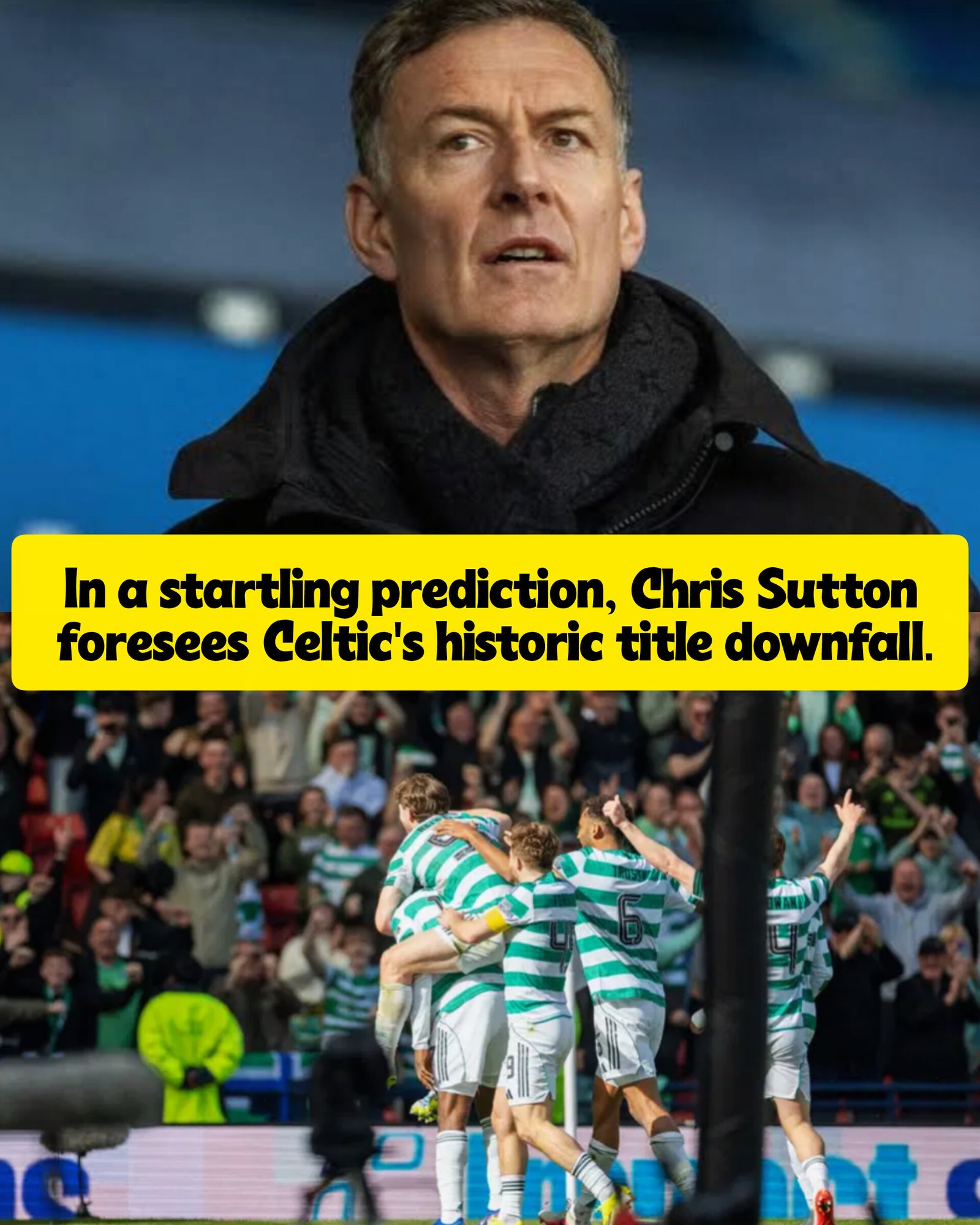
With just five fixtures remaining, Celtic remain within touching distance of Heart of Midlothian FC at the summit. The title race is finely balanced, leaving virtually no margin for error as the campaign approaches its conclusion. On paper, the schedule offers a slight advantage, with three matches set to be played at home and only two away from Glasgow. However, given the inconsistency that has defined much of their season, none of these fixtures can be considered straightforward.
Sutton is not convinced that Celtic will mount a decisive late surge. Despite the team continuing to collect points, he anticipates that they will drop points in each of their remaining games. His projection is that they will collect just four points from a possible fifteen, a return that would effectively end their title hopes.

19th April 2026; Hampden Park, Glasgow, Scotland; Scottish Cup Football, Celtic versus St Mirren; Kelechi Iheanacho of Celtic celebrates after he shoots and scores to make it 5-2 in the 100th minute of extra time
His outlook is rooted in what has been evident on the pitch in recent months. Celtic have often struggled to assert full control over matches, even in situations where they have taken the lead. Games have remained open for longer than they should have, leaving them vulnerable and ultimately costing them valuable points.
Speaking to the Daily Record, Sutton outlined his expectations for each of Celtic’s remaining fixtures. He began by referencing Falkirk, noting that despite their disappointment in the Scottish Cup, they have still enjoyed an excellent season overall. While he believes Celtic will not find the game comfortable, he expects them to fall short of victory, predicting a 1–1 draw.
Turning to the trip to Easter Road, Sutton highlighted how difficult that venue has historically been for Celtic, even during stronger periods of form. With Hibernian FC pushing for European qualification, he anticipates another challenging encounter and has again predicted a 1–1 draw.
The derby clash with Rangers FC is expected to be pivotal. Sutton suggested that the mindset of both teams heading into the match could depend heavily on other results in the title race. He pointed out that both sides have shown vulnerabilities throughout the season, and with so much at stake, he believes the match could end level, forecasting a 2–2 draw.
Looking ahead to the visit to Fir Park, Sutton acknowledged that Motherwell FC have experienced a dip in form but still rank among the standout teams of the campaign. Their ability to trouble Celtic in previous meetings leads him to predict a difficult outing, one that he expects Celtic to lose 1–0.
Finally, he addressed the last-day clash with Hearts, suggesting that the context of the title race could make it an especially tense encounter. While he dismissed any notion that Celtic would ease off to influence the destination of the title, he still expects a nervy performance, predicting another draw, this time 1–1.
Collectively, these results would leave Celtic with only four additional points, confirming Sutton’s belief that they will fall short in the title race.
His analysis is not without foundation. Throughout the season, Celtic have displayed periods of uncertainty, particularly in their inability to close out matches convincingly. Even when ahead, they have allowed opponents to remain in contention, leading to unnecessary pressure and dropped points. These recurring issues provide some logic behind Sutton’s pessimistic forecast.
However, there is another perspective to consider. Celtic have already demonstrated resilience at various points during the campaign, managing to navigate difficult situations and remain firmly in the title hunt even when their form suggested they might slip away. Late goals, crucial wins under pressure, and progression to the cup final all indicate a side capable of delivering when it matters most.

19th April 2026; Hampden Park, Glasgow, Scotland; Scottish Cup Football, Celtic versus St Mirren; Kelechi Iheanacho of Celtic celebrates after he shoots and scores to make it 5-2 in the 100th minute of extra time
The run-in is undeniably challenging, but such pressure is typical at this stage of a title race. If Celtic can impose themselves on matches earlier, improve the speed and precision of their midfield play, and become more clinical in front of goal, they possess the quality required to secure positive results.
Sutton’s view represents one interpretation of how events might unfold, grounded in the inconsistencies Celtic have shown. Yet an alternative outlook suggests that this group, with everything still at stake, could rise to the occasion and produce the performances needed to claim the title.
From this vantage point, it feels possible that Celtic may do just enough to edge over the line. The margins are fine, and the outcome remains uncertain, but the squad has already shown it can respond in high-pressure moments.
Regardless of which scenario ultimately plays out, one thing seems certain: the closing stages of this title race are set to deliver significant drama. If Celtic are to defy Sutton’s prediction, they will need to find consistency, composure, and control at exactly the right time. If not, his warning of a collapse could prove accurate, marking one of the most remarkable conclusions to a Scottish Premiership season in recent memory.
Brendan Rodgers is cleared of blame over ‘those fees,’ while Celtic’s board is held responsible for the £20m transfer deals
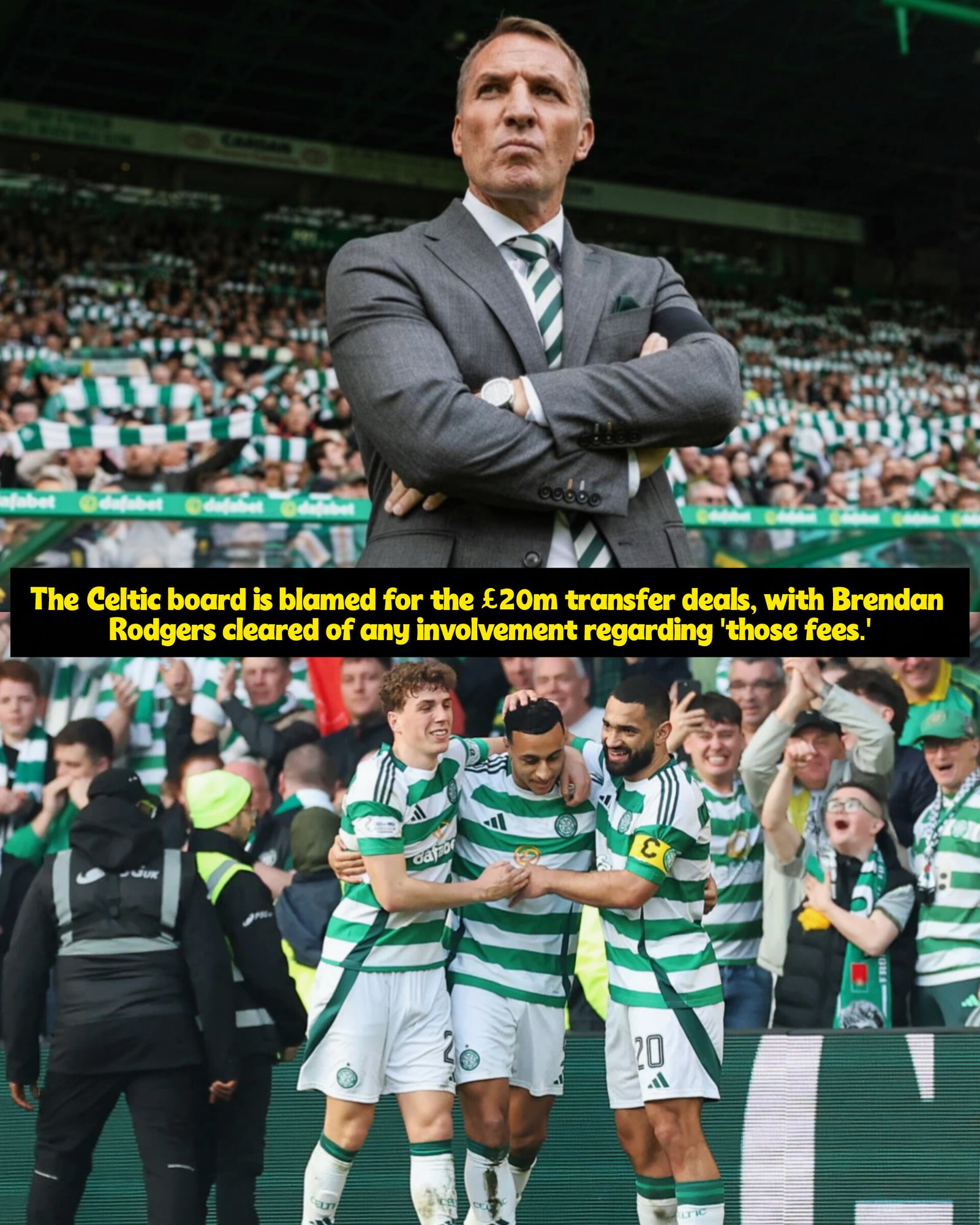
Celtic’s combined £20 million investment in Arne Engels and Adam Idah has become a major talking point, with the sizeable fees inevitably drawing attention from supporters and analysts alike. Engels’ £11 million price tag, alongside the £9 million paid for Idah, placed both players under immediate scrutiny, as expectations naturally rose in line with the club’s financial outlay.
Such figures tend to shape perception, and in this case, they not only influenced how the players were judged but also led to questions about the role of manager Brendan Rodgers. There has been a suggestion in some quarters that these expensive signings were driven directly by Rodgers, adding further pressure to both the players and the manager himself.
However, that narrative has been challenged, with growing clarity around how these deals actually unfolded. The central issue is not necessarily the decision to spend £20 million, but rather the process that allowed the transfer fees to rise to those levels.
Rodgers not responsible for inflated transfer fees
According to analysis from Michael Gannon, the idea that Rodgers personally pushed for such high fees does not hold up under closer examination. Instead, the escalation in price is attributed to how negotiations were handled rather than any direct demand from the manager.
Gannon explained that Celtic initially entered negotiations for Engels with a bid significantly lower than the eventual £11 million fee. However, delays and hesitation in completing the deal allowed the selling club to increase their demands. This lack of decisiveness ultimately led to Celtic paying a much higher price than they might have secured with quicker action.
A similar situation occurred with Idah, whose £9 million transfer fee also reflected a process in which the valuation rose over time. These patterns suggest that the final figures were shaped more by inefficiencies in execution than by strategic intent to spend heavily.
The implication is clear: Rodgers was not the driving force behind the inflated costs. Had the deals been completed earlier and more efficiently, the same players might have arrived for significantly lower fees. In that scenario, the perception of both transfers would likely have been far more positive, with fans viewing them as bargains rather than expensive gambles.
Delays in negotiations identified as key issue
The handling of these transfers highlights a broader concern within Celtic’s recruitment strategy. Rather than acting swiftly to secure targets at favourable prices, the club has shown a tendency to delay, allowing market conditions to shift and valuations to rise.
In the case of Engels, Celtic’s initial offer reportedly stood at roughly half of what they eventually paid. The failure to conclude the deal at that stage meant returning to negotiations under less advantageous circumstances, ultimately pushing the fee into eight-figure territory.
Idah’s transfer followed a comparable trajectory, reinforcing the notion that this is not an isolated incident but part of a recurring pattern. Over recent years, similar delays have been observed, suggesting a structural issue in how the club approaches transfer dealings.
These inefficiencies have tangible consequences. While Celtic are still identifying talented players, the inability to act decisively is eroding the value of those decisions. Higher fees not only impact the club’s finances but also increase the pressure placed on incoming players to justify their price tags.
Strong investments overshadowed by inflated perception
Despite the criticism surrounding the fees, both signings retain underlying value. Idah has since moved on, but there remains confidence that Engels, in particular, could develop into a profitable asset for the club in the future.
The problem, therefore, is not necessarily the quality of the recruitment but the perception created by the inflated costs. If Engels had been signed for a figure closer to the club’s initial bid, the reaction from supporters might have been overwhelmingly positive, with far less scrutiny on his performances.
This distinction is important, as it shifts the focus away from the manager and the players, and toward the processes behind the scenes. It suggests that the club’s recruitment team is capable of identifying the right targets, but that improvements are needed in how deals are executed.
Board-level inefficiencies place added pressure on manager
Ultimately, the responsibility for the rising fees appears to lie at board level rather than with Rodgers. The delays and lack of decisiveness in negotiations have created a situation where the club is paying more than necessary, inadvertently placing additional pressure on both the manager and the players.
This dynamic can have a knock-on effect, as heightened expectations may impact performances and overall perception. It also raises questions about how Celtic can refine their approach to ensure better value in future transfer windows.
The key takeaway is that while the club continues to attract promising talent, greater efficiency is required to maximise the benefits of those signings. Acting more quickly in negotiations would not only reduce costs but also help maintain a more balanced narrative around new arrivals.
Need for sharper execution in future transfer dealings
Looking ahead, Celtic have an opportunity to address these issues and improve their transfer strategy. By streamlining decision-making processes and acting with greater urgency, they can avoid repeating the mistakes that led to inflated fees for Engels and Idah.
The potential for resale value within the squad remains strong, but margins are being unnecessarily reduced by delays. Sharper execution would protect that value, ease the burden on players, and prevent misplaced criticism from being directed at the manager.
In summary, the £20 million spent on Engels and Idah is less a reflection of reckless spending and more a consequence of inefficient negotiation. By learning from these experiences, Celtic can ensure that future investments deliver both on the pitch and financially, without the complications that have accompanied these deals.
-
 Blog7 months ago
Celtic issues a fiery VAR statement after Trusty’s red card appeal is dismissed, as furious chiefs release referee audio publicly.
-

 Blog1 week ago
Former official calls on SFA to contact Rangers over fan scenes during Celtic match, labeling them “completely unacceptable.”
-

 Blog7 months ago
Celtic informed their January signing under Martin O’Neill that he wouldn’t play a single minute this season.
-

 Blog7 months ago
Celtic issued an £83 million warning amid looming UEFA threats.
-

 Blog7 months ago
SFA Expected to Review Missed Penalty in Rangers v Celtic Clash
-

 Blog6 months ago
Police respond after reported disorder following Middlesbrough vs Millwall clash
-

 Blog1 year ago
“Courtside to Aisle-Side: Tyrese Haliburton and Jade Jones Set New Wedding Date”
-

 Blog7 months ago
£6m star is looking to leave Rangers this summer and has already announced his next club publicly.