
Blog
Controversial Championship stadium approved for 85,000 capacity.

West Ham United’s London Stadium has received permission to expand its capacity to 85,000 for selected events, despite continuing criticism from supporters who remain unhappy with the club’s move away from its former home. The decision will allow larger crowds at concerts and other occasions, but it will not increase the number of spectators attending West Ham football matches.
The stadium has been a contentious subject since the Hammers left the Boleyn Ground, widely known as Upton Park, in 2016. Their former ground had been closely associated with the club’s history, and many supporters have struggled to develop the same attachment to the London Stadium.
A Controversial Move from Upton Park
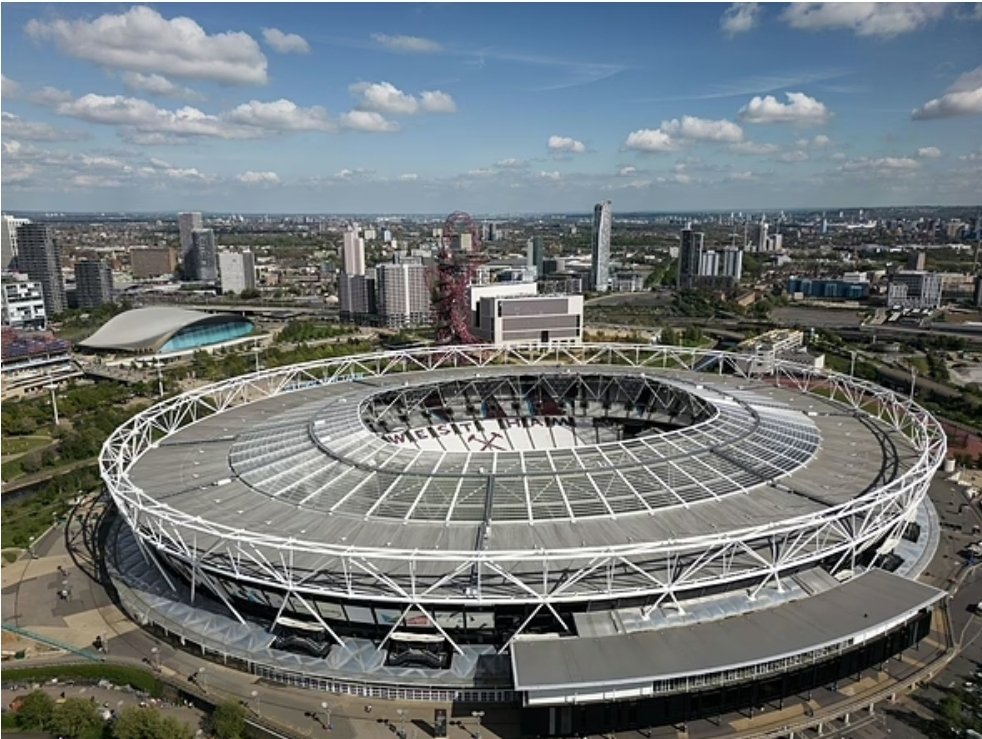
The London Stadium has plenty of critics (Image: Getty)
West Ham moved into the renovated venue after it had been built for the London 2012 Olympic Games. Although the stadium provided a much larger setting, the change quickly attracted criticism from fans who felt that the new home lacked the atmosphere and familiarity of Upton Park.
Its existing base capacity is 68,000. However, Newham Council has now approved plans that will allow the venue to welcome as many as 85,000 people for selected events. The increase is intended primarily for concerts rather than football.
Concerts have generally been able to accommodate around 80,000 people. Under the new permission, a further 5,000 spectators can attend, with the higher 85,000 capacity available for up to eight events each year.
West Ham supporters should not expect the change to affect matchday attendance figures. The approval relates to the stadium’s use for concerts and other major events, rather than an expansion of the capacity available for the club’s home fixtures.
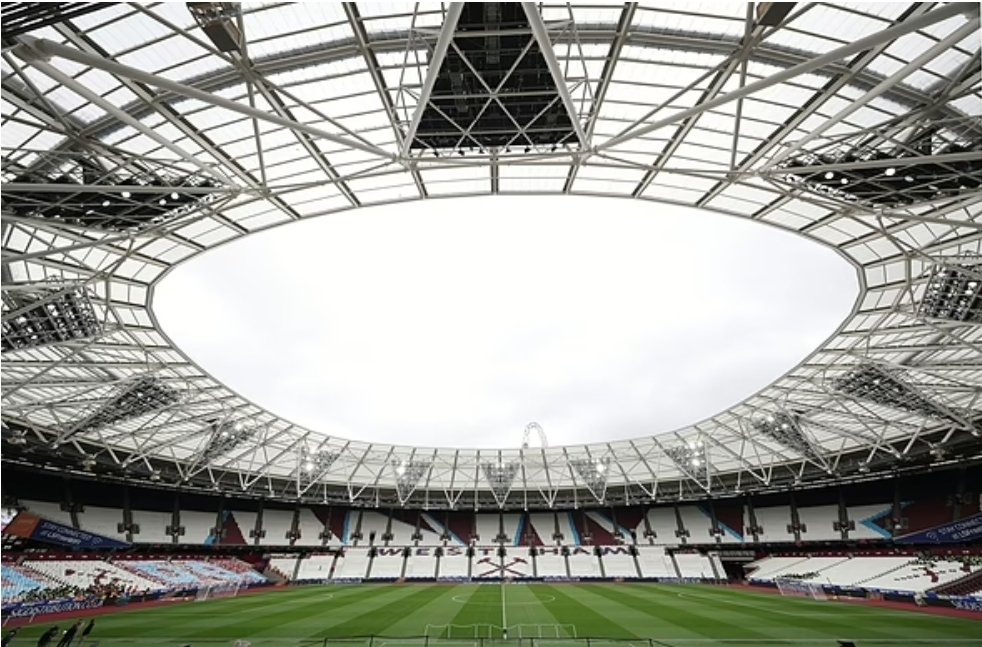
The London Stadium will have a temporary capacity increase to 85,000 (Image: Getty)
Stadium Chief Welcomes Council Decision
Darren Raczkowski, the London Stadium’s chief executive, welcomed the decision and described it as a positive development for the venue and the surrounding area.
He said Newham Council had recognised the opportunities the changes could create for both the stadium and the wider local economy. Raczkowski also stressed that the venue was designed to host major sporting and cultural occasions, and argued that the new arrangements would provide greater flexibility when attracting international performers, sporting competitions and large-scale events to Stratford.
The chief executive added that the decision was about making better use of an exceptional venue. He said the stadium could support nearby businesses, create opportunities for the local community and continue delivering a legacy from the 2012 Olympic and Paralympic Games.
He thanked those involved.
Dispute Over the 2029 World Athletics Championships
The London Stadium has attracted further attention this year because of a disagreement involving West Ham and the proposed 2029 World Athletics Championships.
Olympic champion Keely Hodgkinson criticised the club after it refused to vacate the venue for the planned September dates. The proposed championships clashed with the football calendar, creating a scheduling problem for the stadium and West Ham.
Hodgkinson, who won the Olympic 800 metres gold medal in Paris, responded sharply to the situation. She took aim at West Ham’s trophy cabinet, writing that the Great Britain team would bring more medals back to the stadium than the club had seen throughout its entire history.
Her comments added to the public debate about the competing demands placed on a venue used for football, athletics and major entertainment events.
The dispute ultimately ended with the 2029 World Athletics Championships being awarded to Nairobi, Kenya, rather than London. The decision meant the British capital missed out on hosting the competition.
Financial Questions Remain
Alongside the arguments about the stadium’s use, questions have also been raised about the financial arrangement between West Ham and the venue.
Officials have revealed that London taxpayers are losing £19million every year because of the long-term agreement signed with the club over its use of the London Stadium.
That figure has added another layer to the debate surrounding the move from Upton Park. While the venue’s increased capacity for concerts could help attract more events and visitors, the approval does not itself resolve concerns about the wider financial deal.
For West Ham supporters, the latest announcement is unlikely to settle the argument over whether the London Stadium has become a satisfactory home for their club. The capacity increase is designed to benefit concerts and major events, not to change the experience of watching the Hammers.
The venue’s management, meanwhile, sees the decision as an opportunity to attract bigger audiences, support the local economy and make fuller use of the Olympic legacy. Whether those benefits will change public opinion about the stadium remains to be seen.
For now, the council’s approval gives the London Stadium permission to host up to eight events annually with crowds of 85,000. Football capacity remains unaffected, while the debate over West Ham’s home and the cost of its long-term arrangement continues.
-

 Blog9 months ago
Celtic issues a fiery VAR statement after Trusty’s red card appeal is dismissed, as furious chiefs release referee audio publicly.
-

 Blog2 months ago
Former official calls on SFA to contact Rangers over fan scenes during Celtic match, labeling them “completely unacceptable.”
-

 Blog9 months ago
Celtic informed their January signing under Martin O’Neill that he wouldn’t play a single minute this season.
-

 Blog9 months ago
Celtic issued an £83 million warning amid looming UEFA threats.
-

 Blog9 months ago
SFA Expected to Review Missed Penalty in Rangers v Celtic Clash
-

 Blog8 months ago
Police respond after reported disorder following Middlesbrough vs Millwall clash
-

 Blog2 months ago
Middlesbrough receive a warning following Steve Gibson’s submission of a £1.5bn proposal.
-

 Blog1 year ago
“Courtside to Aisle-Side: Tyrese Haliburton and Jade Jones Set New Wedding Date”