
Blog
Hugh Keevins warns that the eight-day public trial of Derek McInnes as Rangers boss could lead to something unacceptable.

Eight Days That Could Define McInnes’ Rangers Reign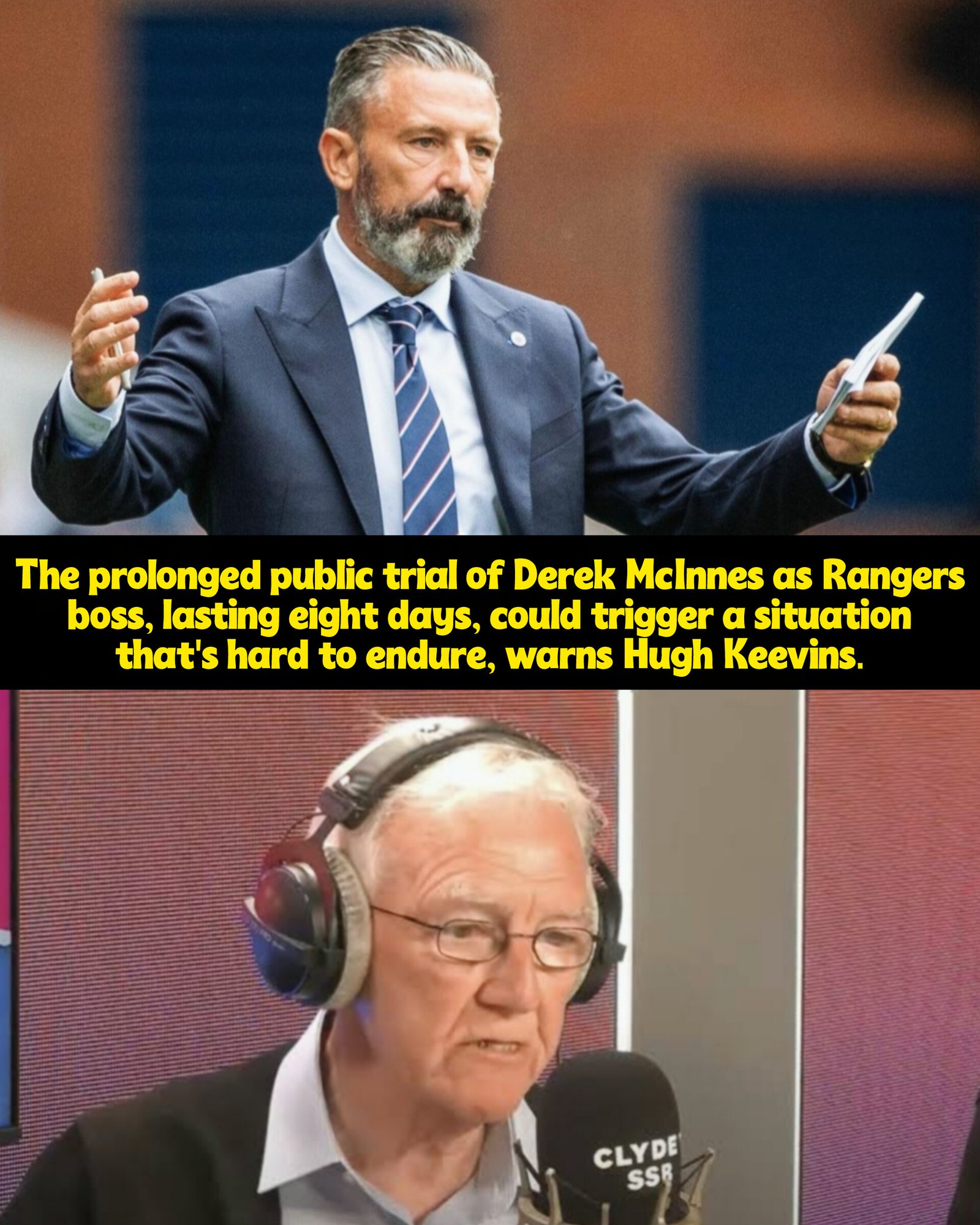
Derek McInnes is approaching what could become one of the most significant periods of his Rangers career, with two Old Firm encounters against Celtic scheduled within the space of just eight days.
The first of those meetings will take place next Sunday, when Rangers host Celtic in a Premier Sports Cup quarter-final at Ibrox. It will be McInnes’ first experience of the Old Firm derby from the Rangers dugout, almost two decades after he first entered management.
Calling it a normal run of fixtures would be an understatement. For McInnes, the next eight days could feel more like a public examination of his credentials than an ordinary part of the football calendar.
The atmosphere surrounding the Old Firm is already famously intense, with the rivalry between Rangers and Celtic extending far beyond what happens on the pitch. Relations between the clubs and their supporters can be extremely hostile, while arguments over everything from ticket allocations to disciplinary decisions regularly add another layer of tension.
Against that backdrop, McInnes will have to manage not only two hugely important matches but also the enormous expectations that accompany them.
The Pressure Is Already Building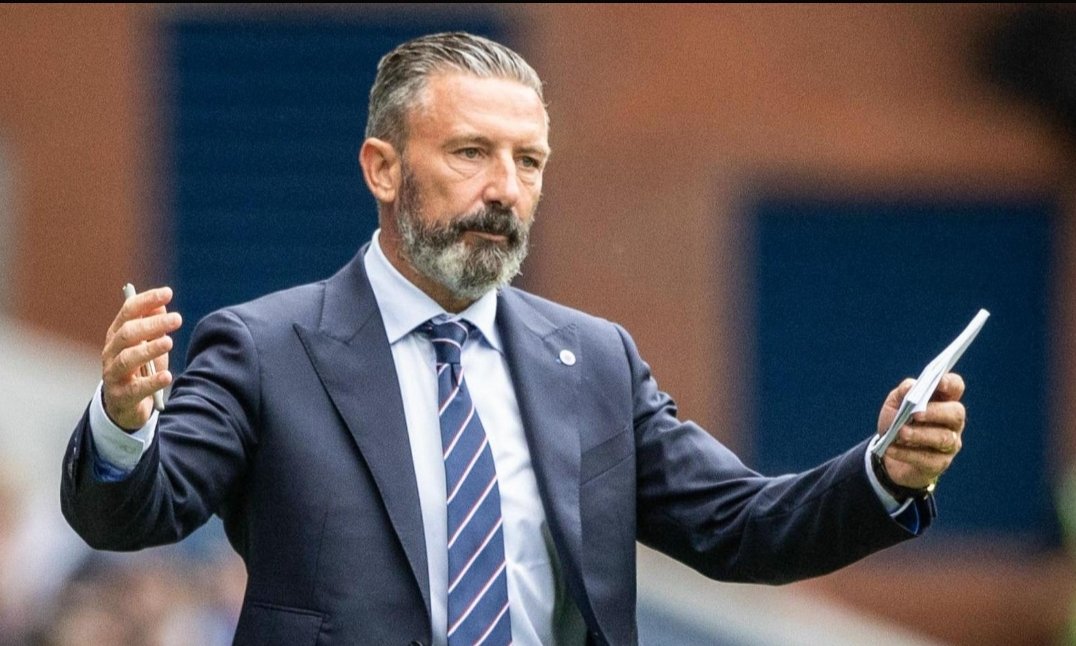
McInnes has endured considerable scrutiny since taking charge at Ibrox. His early months have not been straightforward, and Rangers have dropped points in league fixtures while also suffering disappointment in European competition.
That has created a difficult environment for a manager who is still attempting to establish himself at one of Scotland’s biggest clubs.
The upcoming Celtic matches therefore arrive at a particularly important moment. Two victories could dramatically change the mood around the club and transform perceptions of McInnes. Two defeats, however, could push the pressure to a level that becomes extremely difficult to manage.
The stakes are especially high because Rangers have invested heavily in the squad since McInnes arrived from Hearts. Fourteen new players have been brought into the club, while the existing wage bill was already substantial.
That level of investment naturally creates expectations. Rangers are not simply looking for gradual improvement. The club expects results, particularly in matches against Celtic and in domestic cup competitions.
McInnes’ First Old Firm Experience
For McInnes, the first Old Firm derby will be an entirely new experience from the Rangers technical area.
Although he has spent nearly 20 years working in football management, he has never previously had to deal with the unique pressure that accompanies an Old Firm fixture while sitting in the Rangers dugout.
His first opportunity will come at Ibrox in the League Cup quarter-final, before another meeting with Celtic follows just days later.
That schedule provides little opportunity to recover from a poor result. If Rangers lose the opening match, McInnes will immediately have another Celtic encounter approaching.
Conversely, a victory could give Rangers enormous momentum heading into the second game.
The two matches could therefore become closely connected in the public discussion surrounding the manager’s future.
The Disciplinary Controversy
Another unusual element of the situation concerns McInnes’ recent disciplinary punishment.
The Rangers boss was originally handed a four-match touchline suspension following his comments about a VAR decision. That punishment was later reduced to two games following an appeal.
There has been speculation from some supporters that the revised decision was deliberately designed to ensure McInnes would be available for the first Old Firm meeting.
However, that theory does not stand up particularly well when the circumstances are examined.
One of the original four matches had been suspended, while fixture changes connected to Rangers’ European commitments meant that even an unsuccessful appeal would not necessarily have resulted in McInnes missing the cup clash with Celtic.
The revised punishment therefore does not automatically point towards some kind of conspiracy.
The Importance of McInnes’ Conduct
Although the appeal reduced his suspension, McInnes has not been given complete freedom to express himself on the touchline.
Two matches were effectively left hanging over him. If he breaches Rule 72 of the disciplinary code again during the season by using inflammatory language, those suspended matches could be activated.
That creates another challenge during the Old Firm fortnight.
McInnes will have to control his emotions during two of the most intense matches in Scottish football while knowing that anything he says could potentially attract attention from officials, television cameras, journalists and the football authorities.
For any manager, that would be demanding.
For someone approaching his first Old Firm derby as Rangers boss, it could prove particularly difficult.
The “Disgusting” Comment
The disciplinary case originated from McInnes’ description of a VAR decision as “disgusting”.
The incident was particularly notable because the match in question was not even one involving his own team.
The decision took place during a game involving Celtic and Motherwell, around 30 miles away, while McInnes was then managing Hearts.
His comments were made during a live television appearance, meaning he would have been aware almost immediately that his choice of words could cause problems.
Nevertheless, the original four-match punishment appeared excessive to some observers.
The revised judgment, which reduced the immediate suspension while keeping the threat of further punishment in place, can be viewed as a more proportionate response.
Conspiracy Theories Surrounding Rangers and Celtic
Old Firm football has never been short of conspiracy theories, and disciplinary decisions involving either Rangers or Celtic are frequently examined through that lens.
Some supporters will inevitably believe that the appeal outcome was influenced by the upcoming derby.
But there is another question worth asking.
If people genuinely believed McInnes was a poor appointment and were pleased when Rangers selected him because they thought the club had made a mistake, why would they suddenly become angry about him being available to manage against Celtic?
If McInnes really is as poor a manager as some critics have claimed, then surely his presence on the touchline should be welcomed by those who believe Rangers have made the wrong appointment.
The contradictory nature of those arguments highlights just how emotionally charged the Old Firm rivalry can become.
From Unwanted Appointment to “Govan Guardiola”
McInnes has already had to deal with critics who insisted they never wanted him to become Rangers manager.
Yet football opinions can change incredibly quickly.
If Rangers were to defeat Celtic twice in the space of eight days, the same people who criticised his appointment could suddenly find themselves praising him.
A manager can go from being considered a mistake to being hailed as a genius within the space of a few matches.
McInnes could potentially go from an unpopular appointment to being jokingly labelled the “Govan Guardiola” if he were to mastermind consecutive victories over Celtic.
That is the nature of football, particularly at a club where expectations are so high.
Two Defeats Could Be Devastating
While two victories could transform the narrative, two defeats would have the opposite effect.
Losing both matches would leave McInnes facing enormous questions about his ability to deliver at Rangers.
The first defeat would also mean elimination from the first domestic cup competition of the new campaign. Given the money Rangers have spent on rebuilding the squad, an early cup exit would be extremely difficult to justify.
The European situation makes the importance of domestic success even greater.
Rangers failed to qualify for European competition after coming up short against Polish and Czech opposition. That failure has deprived the club of important revenue and removed opportunities to generate additional income during the season.
Financial Pressure Adds to the Sporting Pressure
The financial consequences of Rangers’ European failure cannot be ignored.
The club has invested significantly in recruitment, bringing in 14 new players since McInnes took over. At the same time, Rangers were unable to balance some of that spending by completing major player sales during the transfer window.
That means the club enters this period with considerable financial and sporting pressure.
There is money tied up in the squad, a substantial wage bill to support and no European income coming into the club.
Under those circumstances, an early exit from another competition would represent a serious setback.
For McInnes, the Celtic matches are therefore about more than personal reputation. They could have wider implications for Rangers’ season.
New Players Could Change Everything
Despite all the negativity surrounding Rangers’ start, there are reasons for optimism.
Football can change quickly, and the arrival of even one outstanding player can transform a team.
Minsu Kim is an example of that possibility. His early performances have suggested that he could become one of the most influential players in the Rangers squad.
Kevin Kelsy is another player who could challenge for that status.
If Rangers’ new signings begin to click at the right moment, McInnes could find himself with the ingredients required to turn the season around.
The large number of additions means there will inevitably be an adjustment period, but the potential rewards are significant if those players begin performing consistently.
The Ultimate Test of McInnes’ Composure
Perhaps one of McInnes’ greatest challenges over the next eight days will not be tactical at all.
It will be emotional control.
Old Firm matches can push managers, players and supporters to their limits. With live television coverage and an enormous media presence surrounding both fixtures, every reaction will be scrutinised.
McInnes will need to ensure that his frustration does not get the better of him.
He has already discovered how quickly an emotional reaction can result in disciplinary consequences. Another incident involving inflammatory language could bring his suspended punishment back into effect.
That means the Rangers boss must keep his focus on the football and avoid becoming distracted by controversy.
A Lesson From His Hearts Days
There is evidence that McInnes is capable of controlling himself when the situation demands it.
On the final day of last season, while managing Hearts, he experienced the enormous disappointment of seeing his team lose the league title.
Events became even more difficult when a pitch invasion took place at Celtic Park.
McInnes could have reacted publicly and expressed his anger, but instead he chose not to say something that he might later regret. He got on the team bus and left for Edinburgh.
That restraint demonstrated that he can recognise when silence is the wiser option.
He will need the same discipline during the upcoming Old Firm fixtures.
Everything Is on the Line
The next eight days could ultimately determine how Rangers supporters view Derek McInnes for much of the season.
Two victories would provide a huge psychological boost, potentially change the narrative surrounding his appointment and give Rangers momentum.
Two defeats would intensify criticism, end the club’s League Cup campaign and leave McInnes under enormous pressure.
The circumstances make the upcoming matches particularly significant.
Rangers have spent heavily. European qualification has been missed. Transfer opportunities to generate revenue were limited. Expectations remain extremely high.
Against that backdrop, there is little room for another major disappointment.
Football Can Change Quickly
Yet there is also a reason for McInnes to remain hopeful.
Football rarely follows a straight line.
A manager who appears to be under severe pressure can become a hero after a couple of significant victories. A player who initially looks like an ordinary signing can suddenly emerge as the key figure in the team.
Rangers have new players capable of changing matches, and McInnes has the opportunity to demonstrate that he can make the squad work effectively.
The upcoming Celtic fixtures therefore represent both a danger and an opportunity.
For McInnes, this is his chance to silence some of his critics and demonstrate why Rangers appointed him.
But he must do so while controlling his emotions, avoiding disciplinary trouble and finding a way to get results against Celtic.
The next eight days could be uncomfortable, intense and potentially defining.
If Rangers succeed, McInnes may discover that the same supporters who questioned his appointment are suddenly singing his praises.
If they fail twice, the pressure could become almost impossible to ignore.
For a Rangers manager, few tests could be more demanding.
-
 Blog8 months ago
Celtic issues a fiery VAR statement after Trusty’s red card appeal is dismissed, as furious chiefs release referee audio publicly.
-
 Blog1 month ago
Former official calls on SFA to contact Rangers over fan scenes during Celtic match, labeling them “completely unacceptable.”
-

 Blog8 months ago
Celtic informed their January signing under Martin O’Neill that he wouldn’t play a single minute this season.
-

 Blog8 months ago
Celtic issued an £83 million warning amid looming UEFA threats.
-
 Blog8 months ago
SFA Expected to Review Missed Penalty in Rangers v Celtic Clash
-

 Blog7 months ago
Police respond after reported disorder following Middlesbrough vs Millwall clash
-

 Blog4 weeks ago
Middlesbrough receive a warning following Steve Gibson’s submission of a £1.5bn proposal.
-

 Blog1 year ago
“Courtside to Aisle-Side: Tyrese Haliburton and Jade Jones Set New Wedding Date”