
Blog
‘It’s wrong’: Mark Guidi urges FIFA to review decision McInnes says affected Rangers.

Rangers continued their impressive run of form with a 3-1 victory over Kilmarnock at Ibrox, extending their winning streak to seven matches across all competitions. However, despite securing another important three points, manager Derek McInnes was not entirely pleased with his team’s performance, pointing to the extended international break as a possible reason for their lack of rhythm.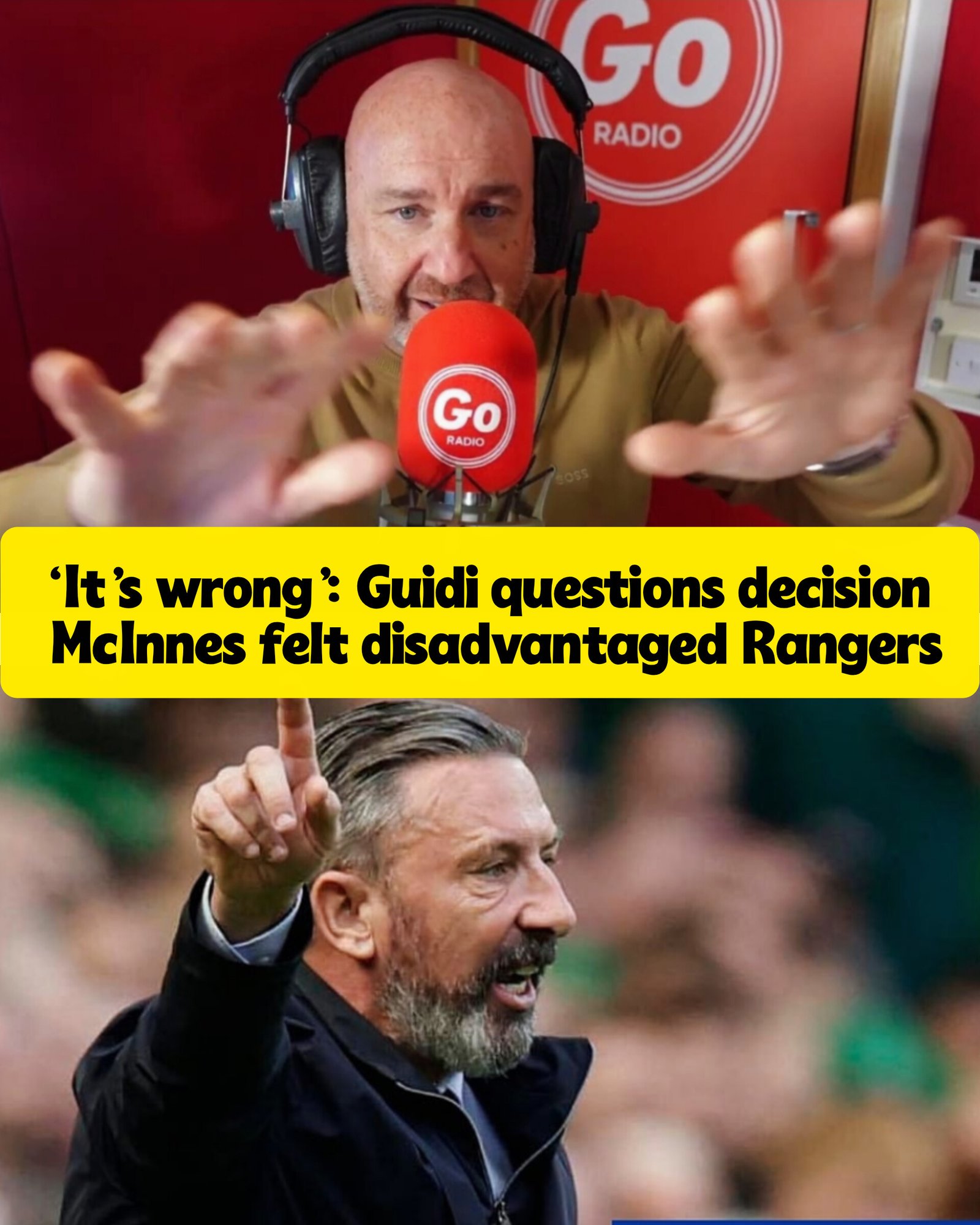
The Scottish Premiership side entered the match hoping to maintain their momentum and remain within touching distance of Celtic at the top of the table. Rangers delivered the desired result, scoring three first-half goals through Ryan Naderi, who found the net twice, and Kevin Kelsy, who also contributed to the victory.
The result ensured Rangers remained just two points behind their Glasgow rivals in the Premiership title race. Nevertheless, McInnes believed his team could have performed better, suggesting the lengthy interruption to domestic football had affected their fluency and overall understanding on the pitch.
His concerns have received support from football journalist Mark Guidi, who believes FIFA should reconsider the current international calendar. Guidi argued that the existing arrangement creates unnecessary difficulties for club managers, particularly when they are trying to establish consistency and cohesion within their squads.
Mark Guidi agrees with McInnes over international breaks
The international football calendar underwent a change this season, with FIFA combining the September and October international windows into one extended break. The adjustment reduced the total number of weeks occupied by international football across September, October and November from six to five.
Although the revised schedule was intended to make the calendar more efficient, the longer interruption created challenges for clubs competing in domestic competitions. Managers temporarily lose several important players to international duty, making it difficult to maintain their regular training routines and prepare their teams for upcoming fixtures.
McInnes experienced this situation with Rangers, who went three weeks without playing a competitive domestic match before returning to action against Kilmarnock.
Speaking after the victory at Ibrox, the Rangers manager explained that the extended period away from regular club football had affected his team’s sharpness. Although the result was positive, he felt his players had not immediately rediscovered the fluidity and coordination they had demonstrated before the break.
Guidi agreed with the manager’s assessment during an appearance on the Go Radio Football Show, insisting that clubs deserved greater consideration when decisions about the international schedule were being made.
The journalist argued that clubs invest significant financial resources in their players and are responsible for paying their wages. Consequently, he believes their interests should carry more weight when football’s governing bodies decide how international fixtures are arranged.
Guidi questioned the logic of clubs spending the opening weeks of a season bringing players together, only to lose several members of their squads shortly after the transfer window closes.
He explained that managers need time to integrate new signings, establish tactical systems and build relationships between players. An extended international interruption can disrupt that process before teams have fully settled into the campaign.
According to Guidi, the situation is particularly frustrating because clubs are expected to resume domestic competition immediately after their players return from international duty.
He maintained that the international calendar was not properly structured and insisted that FIFA or UEFA should examine whether improvements could be made.
However, Guidi acknowledged that he did not expect football’s governing bodies to take his concerns seriously or introduce significant changes in response.
Why Rangers believe the schedule creates problems
McInnes’ frustration is understandable given the importance of consistency during the early stages of a football season.
Rangers have been working to build momentum under their manager, and regular matches provide opportunities to strengthen tactical understanding while helping new arrivals adapt to the demands of Scottish football.
When players leave for international duty, the remaining squad cannot always train in the same way. Those who stay behind may continue working on specific tactical instructions, but the absence of key teammates can limit the effectiveness of those sessions.
International players also face different training environments, travel demands and competitive responsibilities. When they return, managers may have limited time to prepare everyone for the next domestic fixture.
For Rangers, the three-week gap between competitive matches presented an additional challenge. Although the victory over Kilmarnock demonstrated that the team could still collect points, McInnes clearly wanted a more convincing overall performance.
With Celtic only two points ahead, every match matters in the title race. Rangers cannot afford to lose momentum, particularly when they are attempting to maintain pressure on their closest rivals.
Guidi’s comments therefore reflect a wider concern about balancing the needs of club football with the demands of international competitions.
The arguments in favour of the revised calendar
Despite the criticism, combining the September and October international breaks also offers potential advantages.
Reducing the number of separate interruptions can make the domestic season feel less fragmented. Instead of stopping repeatedly for international fixtures, clubs and supporters can benefit from a schedule containing fewer distinct breaks.
The revised arrangement also reduces the overall number of weeks occupied by international football during the September-to-November period. From the perspective of football’s governing bodies, this may provide a more efficient way to organise international commitments.
However, the benefits are not necessarily shared equally by everyone involved.
International managers need sufficient time to prepare their teams, while club managers want their players available consistently throughout the domestic campaign. Finding an arrangement that satisfies both groups remains a difficult challenge.
Ultimately, McInnes’ complaint highlights the tension between these competing priorities. His concerns are understandable, particularly when Rangers are attempting to challenge Celtic for the Scottish Premiership title.
Guidi’s intervention has added weight to the debate, with the journalist insisting that the current system deserves closer examination.
Whether FIFA or UEFA will consider changing the international calendar remains uncertain. For now, clubs must continue working within the existing arrangements, regardless of the disruption they may cause.
Rangers’ victory over Kilmarnock ensured their winning run continued, but the debate surrounding international breaks is unlikely to disappear. As clubs and national teams compete for access to the same players, football’s authorities face the continuing challenge of creating a calendar that works for everyone.
-

 Blog8 months ago
Celtic issues a fiery VAR statement after Trusty’s red card appeal is dismissed, as furious chiefs release referee audio publicly.
-

 Blog1 month ago
Former official calls on SFA to contact Rangers over fan scenes during Celtic match, labeling them “completely unacceptable.”
-

 Blog8 months ago
Celtic informed their January signing under Martin O’Neill that he wouldn’t play a single minute this season.
-

 Blog8 months ago
Celtic issued an £83 million warning amid looming UEFA threats.
-

 Blog8 months ago
SFA Expected to Review Missed Penalty in Rangers v Celtic Clash
-

 Blog6 months ago
Police respond after reported disorder following Middlesbrough vs Millwall clash
-

 Blog3 weeks ago
Middlesbrough receive a warning following Steve Gibson’s submission of a £1.5bn proposal.
-

 Blog1 year ago
“Courtside to Aisle-Side: Tyrese Haliburton and Jade Jones Set New Wedding Date”