
Blog
James Penrice receives harsh new verdict on Rangers red card incident, with ex-FIFA ref criticizing serious foul play.

James Penrice has been placed under renewed scrutiny after a controversial challenge during Rangers’ Premier Sports Cup semi-final victory over Aberdeen, with former FIFA referee Keith Hackett insisting the defender should have been dismissed.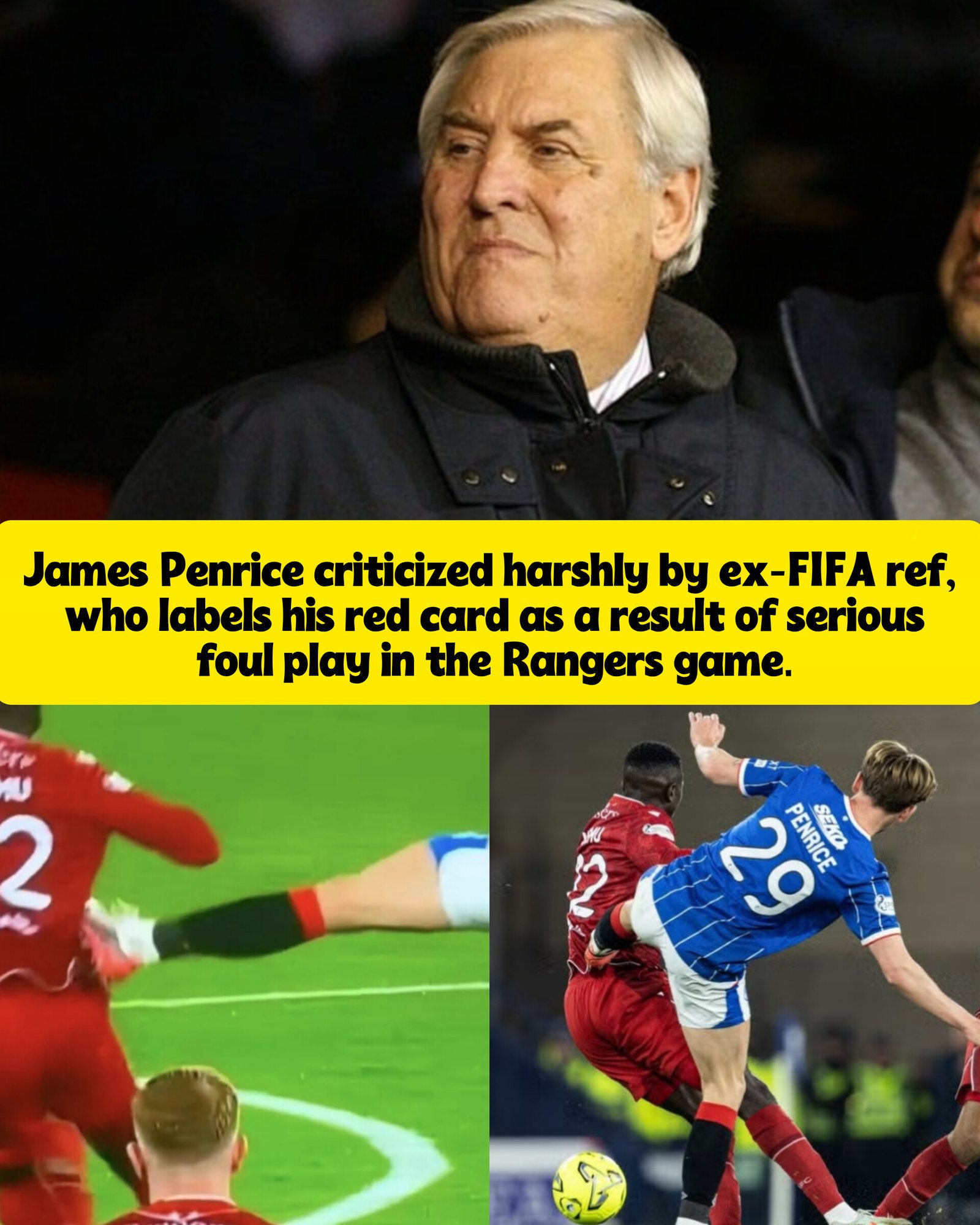
Rangers secured a narrow 1-0 victory at Hampden on Saturday to reach the final, but the result was overshadowed by several contentious refereeing decisions. Claims for handball penalties at both ends generated discussion, although the incident involving Penrice and Aberdeen midfielder Afeez Aremu has become the biggest talking point.
The Rangers defender escaped without even receiving a yellow card after making a high and late challenge on Aremu during the first half. Critics believe the nature of the tackle was serious enough to warrant a straight red card, while questions have also been raised about why VAR failed to recommend a review.
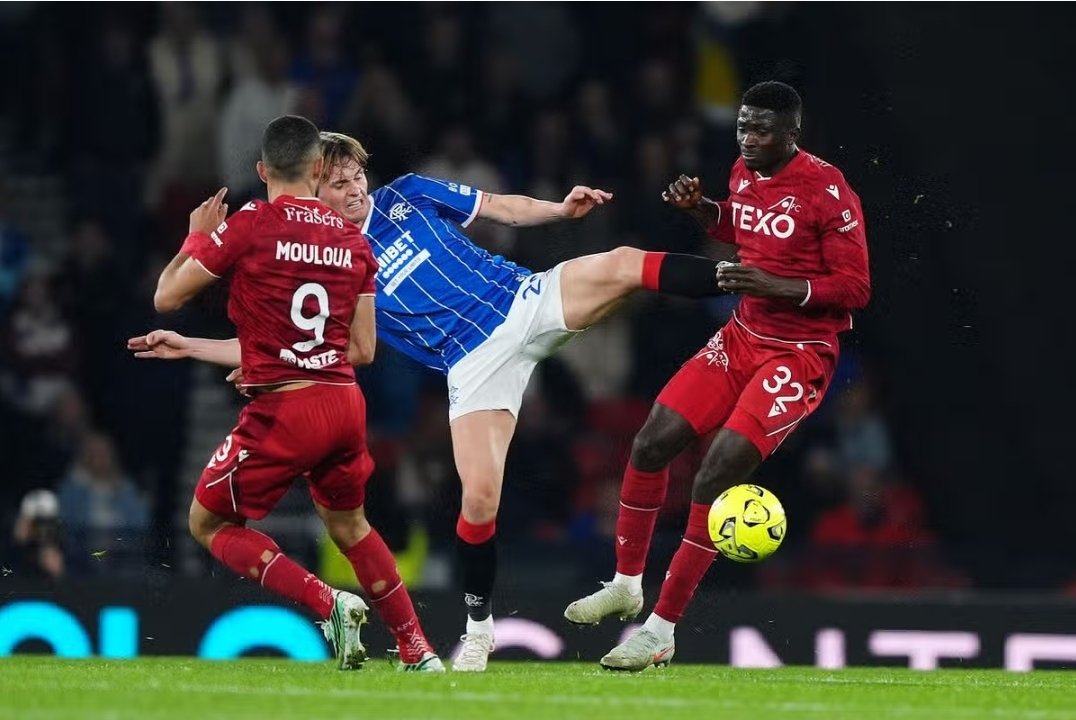
James Penrice catches Afeez Aremu with a high boot(Image: Andrew Milligan/Press Association)
Controversial Hampden moment
The incident happened midway through the opening period when Penrice challenged for the ball and caught Aremu with his left boot around the upper hip and chest area. The height and force of the contact immediately caused concern among those watching the match.
However, referee Ryan Lee, who was taking charge of his first national semi-final, decided that no disciplinary action was required. The official did not produce a yellow card, meaning Penrice was allowed to continue playing.
The lack of punishment became even more controversial because VAR was being operated by experienced referee John Beaton. Despite the challenge attracting significant attention, Beaton did not ask Lee to review his decision on the pitch.
Several pundits and refereeing analysts subsequently questioned the officials’ handling of the moment. Former Scotland international Michael Stewart was critical of the decision during his television analysis, while Des Roache and Steve Conroy also highlighted the incident on the Ref’s View podcast.
Their concerns centred on the height of Penrice’s boot and the danger posed to Aremu. With the challenge making contact around the upper body, there was a strong argument that it should have been considered serious foul play.
Hackett delivers his verdict
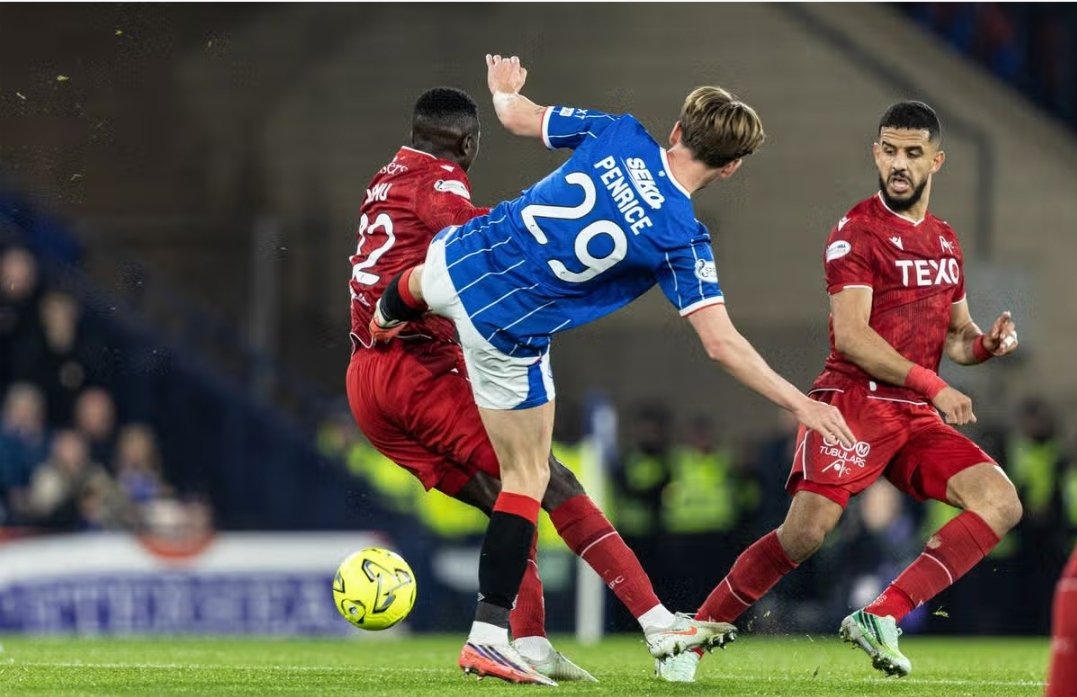
James Penrice catches Afeez Aremu with a high boot(Image: SNS Group)
Hackett has now added his voice to the growing criticism. The former FIFA official and ex-chief of the Professional Game Match Officials Limited believes the decision not to send Penrice off was difficult to understand.
Speaking to Football Insider, Hackett questioned how the Rangers player was permitted to remain on the field after making contact with Aremu’s chest with a raised boot.
The former referee argued that the incident met the threshold for serious foul play and maintained that a red card should have been shown immediately.
He also questioned the role of VAR, asking why there was no intervention when the incident appeared to deserve closer examination. For Hackett, the absence of any punishment from the referee or video officials represented a major mistake.
The controversy is particularly interesting because Penrice would later play an important role in Rangers’ progression to the final. Despite avoiding punishment, he remained on the pitch and eventually helped create the winning goal.
Rangers found their decisive moment through Ryan Naderi, whose goal settled a tight contest and sent the Glasgow side through. Penrice’s involvement in the build-up only adds another layer to the debate, as Aberdeen supporters could understandably wonder what might have happened had he been dismissed earlier.
Questions for the officials
The situation has raised wider questions about consistency in Scottish refereeing when VAR is available to correct serious errors. Supporters will ask why a challenge that attracted widespread criticism did not result in either an on-field booking or a VAR review.
For Aberdeen, the frustration will be intensified by the narrow margin of defeat. Aremu remained on the pitch after the collision, but Rangers ultimately advanced thanks to a single goal. Had Penrice been shown a red card, the entire balance of the semi-final could have changed.
The club will be pleased with the result and Naderi’s decisive contribution, but the Penrice incident is likely to remain a talking point.
The debate is unlikely to disappear quickly, with a former FIFA referee now publicly describing the challenge as serious foul play. Hackett’s intervention adds considerable weight to those already questioning Ryan Lee’s decision and John Beaton’s failure to recommend further action.
Ultimately, the incident has left a difficult question hanging over the semi-final: how did Penrice escape without even a booking for a high boot that made contact with an opponent’s upper body? With VAR specifically intended to help officials identify serious incidents, Aberdeen fans and neutral observers will want to understand why no intervention took place.
Rangers earned their place in the final, and the decision will continue dividing opinion among supporters, but the Penrice controversy ensures the refereeing decisions at Hampden will remain part of the story.
-
 Blog8 months ago
Celtic issues a fiery VAR statement after Trusty’s red card appeal is dismissed, as furious chiefs release referee audio publicly.
-

 Blog2 months ago
Former official calls on SFA to contact Rangers over fan scenes during Celtic match, labeling them “completely unacceptable.”
-

 Blog9 months ago
Celtic informed their January signing under Martin O’Neill that he wouldn’t play a single minute this season.
-

 Blog8 months ago
Celtic issued an £83 million warning amid looming UEFA threats.
-

 Blog8 months ago
SFA Expected to Review Missed Penalty in Rangers v Celtic Clash
-

 Blog7 months ago
Police respond after reported disorder following Middlesbrough vs Millwall clash
-

 Blog1 month ago
Middlesbrough receive a warning following Steve Gibson’s submission of a £1.5bn proposal.
-

 Blog1 year ago
“Courtside to Aisle-Side: Tyrese Haliburton and Jade Jones Set New Wedding Date”