
Blog
Middlesbrough’s Morgan Rogers’ Chelsea transfer bonus turns out to be less significant than initially believed.

Chelsea Transfer Creates Excitement at Middlesbrough
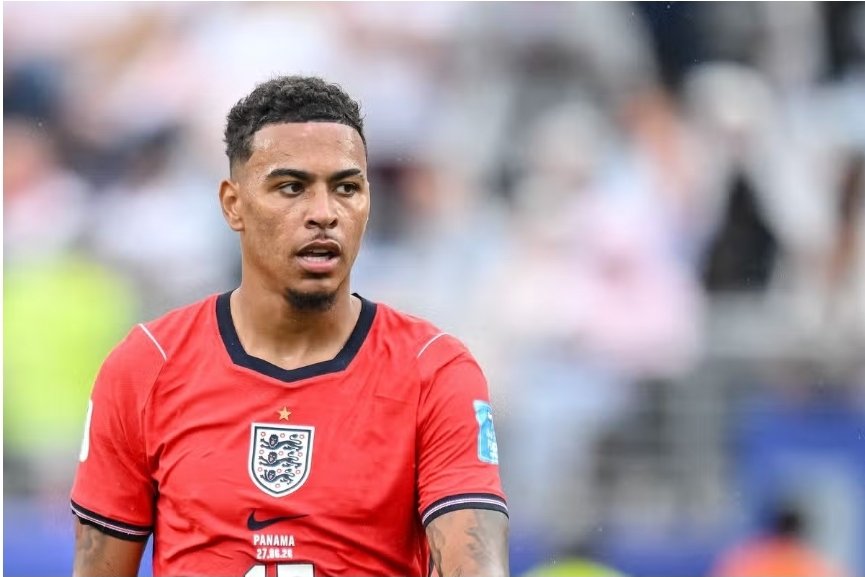
Morgan Rogers is set to sign for Chelsea(Image: GSI/Icon Sport)
Morgan Rogers’ high-profile transfer from Aston Villa to Chelsea initially appeared set to provide Middlesbrough with a major financial boost during the summer transfer window. With the England international completing a blockbuster move reportedly worth £117 million, many believed Boro would receive a substantial payment that could significantly strengthen their spending power ahead of the new Championship season.
Rogers’ sale has generated plenty of excitement because of the sizeable sell-on clause Middlesbrough negotiated when they sold him to Aston Villa in January 2024. At first glance, the agreement suggested the Teesside club would receive a considerable share of the profits generated by any future transfer.
However, as further details surrounding the structure of Chelsea’s deal have emerged, it has become clear that the immediate financial benefit for Middlesbrough will be much smaller than supporters initially expected.
Rogers Completes Big-Money Switch
The talented forward has enjoyed a remarkable rise over the past two years. After impressing for Aston Villa, Rogers further enhanced his reputation on the international stage by representing England at the World Cup.
He returned from the United States with the national team after helping England secure victory over France in the World Cup third-place play-off. Shortly after arriving back in England, Rogers was photographed at Chelsea’s training complex as he underwent his medical examination before completing the final stages of his transfer to Stamford Bridge.
The move represents one of the biggest transfers involving an English player in recent years and marks another major step forward in Rogers’ rapidly developing career.
Sell-On Clause Guarantees Middlesbrough Further Income
When Middlesbrough sold Rogers to Aston Villa in January 2024, they wisely negotiated a clause entitling them to 20 percent of any profit Villa made from a future transfer.
Because Chelsea’s reported £117 million offer represents a substantial increase on what Villa originally paid, Middlesbrough stand to benefit significantly from that agreement.
Overall, calculations indicate the Championship club will eventually receive slightly more than £20 million from the sell-on clause. Combined with the original transfer fee of approximately £16 million that Villa paid when signing Rogers, the total financial return generated from the player has become an outstanding piece of business for Middlesbrough.
Immediate Windfall Much Smaller Than Expected
Despite the impressive overall figures, the reality is that Middlesbrough will not receive the full amount immediately. Supporters hoping the club would suddenly possess more than £20 million to spend this summer are likely to be disappointed after learning how the deal has been structured.
Like many modern transfers, Chelsea are not paying the full transfer fee in one upfront payment. Instead, the agreement reportedly spreads the cost across four annual instalments.
This payment structure significantly changes the timing of Middlesbrough’s financial benefit because their sell-on payments will also arrive gradually rather than all at once.
Manchester City Also Receive a Share
Another important factor reducing Middlesbrough’s immediate return is the agreement they previously made with Manchester City when purchasing Rogers earlier in his career.
City sold Rogers to Middlesbrough for approximately £1.1 million, but as part of that transfer they secured a clause guaranteeing them 20 percent of any future income Middlesbrough receive from selling the player.
That arrangement remains active today, meaning every payment Middlesbrough receive from Aston Villa’s sell-on clause must also be shared with Manchester City.
Consequently, the amount actually retained by Boro is reduced further after City’s percentage has been deducted.
Around £4 Million Available This Summer
Once Chelsea’s instalment schedule and Manchester City’s entitlement are both taken into account, Middlesbrough are expected to receive only around £4 million to strengthen their transfer budget during the current window.
Although that figure is considerably lower than many supporters anticipated, it still represents valuable additional income for the club as preparations continue for another Championship campaign.
Rather than enjoying one huge financial injection, Middlesbrough will instead benefit from a steady stream of payments spread across several seasons.
Long-Term Financial Benefits Remain Significant
Even though the immediate transfer budget receives only a modest boost, Middlesbrough will still profit handsomely from the Rogers transfer over time.
The remaining instalments will continue arriving during the next three years, providing the club with approximately £4 million in additional income each summer after all calculations have been completed.
This guaranteed future revenue offers financial stability and creates opportunities for long-term planning rather than relying on one large payment received in a single transfer window.
Loan Option Could Increase Spending Power
Middlesbrough also have another option if they wish to access more of the money immediately.
Because the future payments from Chelsea are contractually guaranteed, the club could borrow against those instalments through a financial institution. Such an arrangement would allow them to receive a larger sum during the current transfer window while repaying the loan using the future instalment payments as they arrive.
Naturally, interest charges would reduce the overall value received, meaning Middlesbrough would collect less than the full amount ultimately due. Nevertheless, the approach could significantly increase their available spending power if the club decides immediate investment is the priority.
Previous Example Shows Club’s Financial Strategy
This would not represent a new approach for Middlesbrough. The club has previously used future transfer payments to improve short-term cash flow during transfer windows.
Following Marcus Tavernier’s move to Bournemouth, Middlesbrough secured a loan from Australian bank Macquarie using approximately £7.5 million in future transfer instalments as collateral.
That arrangement allowed the club to access funds earlier than scheduled while future payments gradually settled the outstanding loan balance.
The previous example demonstrates Middlesbrough’s willingness to use creative financial planning when managing transfer business.
Instalment Deals Are Standard Across Football
Chelsea’s payment structure is far from unusual. Modern football transfers frequently involve staggered payments rather than full upfront fees, particularly when deals involve substantial sums.
Middlesbrough themselves have adopted similar arrangements in numerous recent transfers involving both incoming and outgoing players.
For example, Hayden Hackney’s recent transfer to Everton is also understood to involve instalment payments rather than one immediate payment.
Likewise, several other Middlesbrough transfers completed during recent windows have followed similar financial models.
Ongoing Payments Continue Across Squad
Transfer payments currently affect numerous areas of Middlesbrough’s financial planning.
Money remains due this summer for recent signings including David Strelec, Tommy Conway and Aidan Morris as previous agreements continue reaching scheduled payment dates.
At the same time, the club still expects to receive future instalments from several outgoing transfers completed over the past year.
Those include deals involving Emmanuel Latte Lath, Finn Azaz and Rav van den Berg, with further payments expected to arrive over the coming months according to previously agreed schedules.
Careful Financial Management Remains Essential
Balancing incoming and outgoing payments has become an essential part of modern football administration, particularly for Championship clubs operating within strict financial regulations.
Middlesbrough must carefully manage transfer income, future obligations and player recruitment while ensuring the club remains financially sustainable.
The challenge involves maintaining competitiveness on the pitch without placing unnecessary pressure on the club’s long-term financial position.
Recruitment Plans Continue Despite Financial Reality
Despite receiving less immediate money from the Rogers transfer than initially anticipated, Middlesbrough remain fully committed to strengthening the squad before the new season.
Head coach Kim Hellberg continues working closely with the recruitment department, with preparations and planning having taken place throughout the summer.
The club are understood to be making progress on several transfer targets as they seek reinforcements across multiple positions.
While supporters may have hoped for a larger immediate boost from the Rogers sale, Middlesbrough remain confident that careful financial management and strategic recruitment will allow them to build a competitive squad capable of challenging throughout the upcoming Championship campaign.
-

 Blog7 months ago
Celtic issues a fiery VAR statement after Trusty’s red card appeal is dismissed, as furious chiefs release referee audio publicly.
-

 Blog1 week ago
Former official calls on SFA to contact Rangers over fan scenes during Celtic match, labeling them “completely unacceptable.”
-

 Blog7 months ago
Celtic informed their January signing under Martin O’Neill that he wouldn’t play a single minute this season.
-

 Blog7 months ago
Celtic issued an £83 million warning amid looming UEFA threats.
-

 Blog7 months ago
SFA Expected to Review Missed Penalty in Rangers v Celtic Clash
-

 Blog6 months ago
Police respond after reported disorder following Middlesbrough vs Millwall clash
-

 Blog1 year ago
“Courtside to Aisle-Side: Tyrese Haliburton and Jade Jones Set New Wedding Date”
-

 Blog7 months ago
£6m star is looking to leave Rangers this summer and has already announced his next club publicly.