
Blog
Mikaela Shiffrin reflects on her recent season in slalom skiing, looks to the future, and uses her platform to inspire the next generation of female athletes.

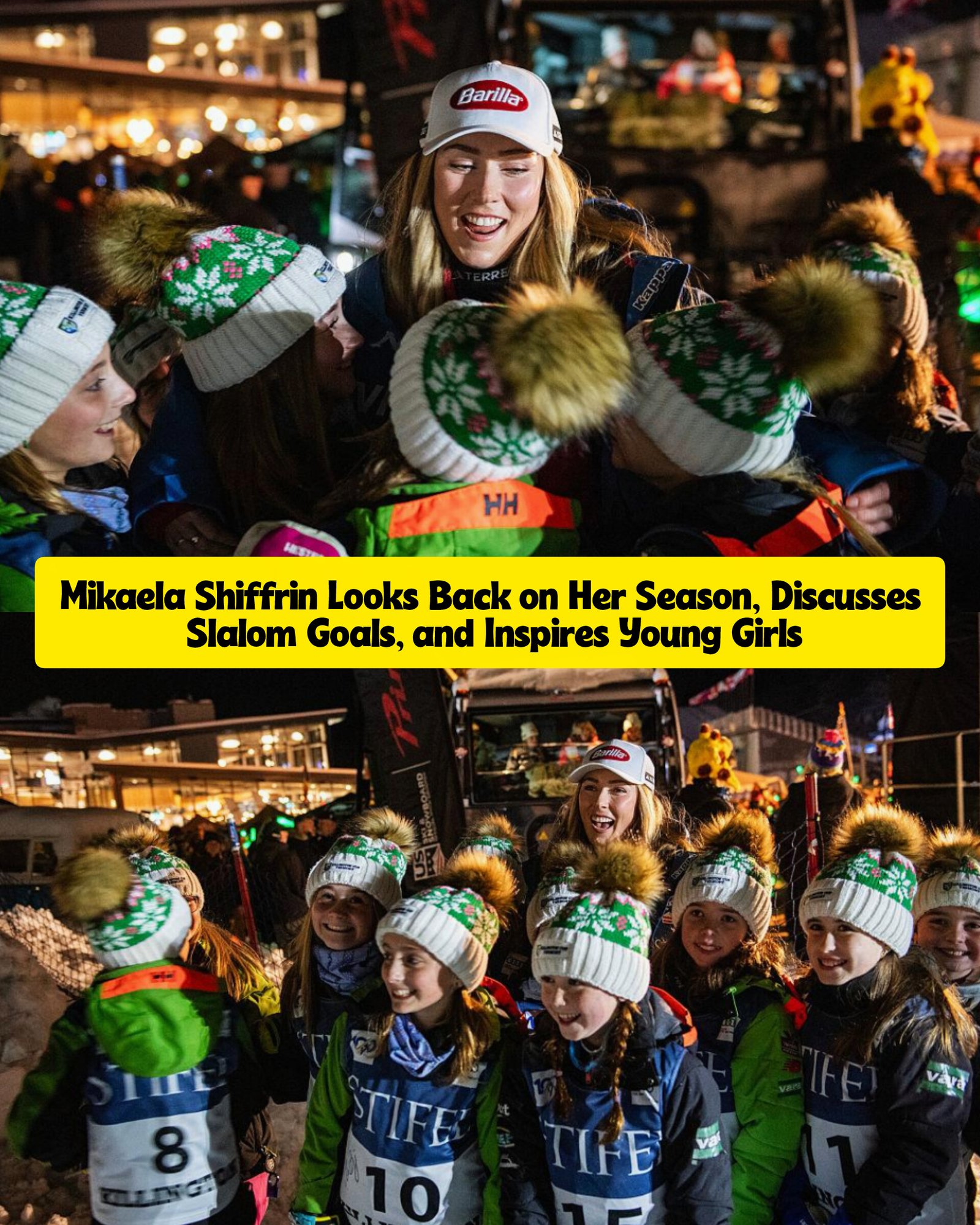


At Copper Mountain in Colorado, Mikaela Shiffrin found herself in a rare moment of pause—though even that pause was brief. After wrapping up another demanding season, the most decorated alpine skier in history admitted she has hardly had the opportunity to fully process everything she has experienced. Since returning home, her schedule has been packed with travel and media appearances across the United States. Still, amid the whirlwind, she carved out meaningful time to connect with something far more personal than competition: the next generation.
During April, Shiffrin spent several hours on the slopes with a group of girls aged 11 to 14, participants in elevateHER, a nonprofit initiative focused on empowering young girls through outdoor adventure. The program works alongside Share Winter, an organization committed to increasing access to snow sports for youth. Through her charitable effort, MikGives, Shiffrin has helped raise approximately $500,000 to support this mission—an indication that her influence stretches well beyond podium finishes.
This marked the first occasion Shiffrin had directly interacted with children involved in the program. The girls, most of whom came from the Salida area in Colorado, represented a mix of experience levels. Only a few were competitive ski racers affiliated with Team Monarch, while others were newcomers still finding their footing on skis or snowboards. Shiffrin embraced the diversity of ability, spending dedicated time with individuals—including nearly 20 minutes guiding a 12-year-old through the basics of turning on the snow.
Reflecting on the moment, she explained that her mindset at this stage of her career feels noticeably different from previous years. Rather than focusing exclusively on racing, she has begun considering what life can offer beyond the sport—and how those possibilities might coexist with her skiing career. For her, experiences like this are an opportunity to engage with the broader snow sports community in a deeper and more meaningful way.
In the past, interactions with fans were often limited to race-day appearances—brief moments at the finish line, perhaps followed by an autograph. Now, she sees the community differently. To her, skiing is not just about elite competition; it is about shared experiences, individuality, and a collective appreciation for the outdoors. Watching the girls enjoy themselves on the slopes reinforced that belief.
She emphasized that the sport does not necessarily need more elite racers. Instead, it needs participation at all levels—a strong foundation of people who simply enjoy being outside, moving, and embracing the lifestyle that snow sports provide. That, she believes, is what will sustain and grow the sport over time.
The joy among the group was unmistakable. Every participant appeared fully immersed in the experience, energized not only by the activity but also by the presence of someone who has reached the pinnacle of the sport.
For many of the girls, Shiffrin represented more than just a famous athlete—she was a symbol of dedication and possibility. Fourteen-year-old Zia Ziaknaer described her as inspiring, pointing to her relentless work ethic and determination as qualities worth admiring. To young athletes still exploring their paths, Shiffrin’s journey serves as a powerful reminder of what is achievable through persistence and commitment.


Even those whose ambitions lie outside skiing found inspiration in her story. Thirteen-year-old Amalia McNeirney, for instance, spoke about her passion for mountain biking. She connected Shiffrin’s early dedication to her own experiences, having been on a bike since the age of two. Now competing in Enduro races and preparing for high school cross-country competition, Amalia sees parallels between her journey and Shiffrin’s rise—fueling her own aspirations of one day competing at the World Cup level.
What stood out most to the girls, however, was not just Shiffrin’s success but her humility. In a world where fame can often overshadow authenticity, they noted her grounded personality and genuine connection to the community. Rather than appearing distant or preoccupied with status, she came across as approachable and sincere—qualities that left a lasting impression.
Even participants who initially had no idea who she was quickly became captivated. Aolani Cook, 13, experienced her first chairlift ride that day and left not only with new skiing skills but also a newfound awareness of Shiffrin’s accomplishments. More importantly, she took away a broader lesson: the importance of pursuing one’s dreams, whatever they may be.
While the day was clearly impactful for the girls, it also prompted reflection for Shiffrin herself. As she looks ahead, questions about her future in the sport are becoming more prominent. Despite her unparalleled achievements, her motivation is evolving.
She openly acknowledged that she feels she may have reached her peak in slalom skiing. Although she continues to perform at a high level and secure victories, she senses that further significant improvements in speed may no longer be possible. The competitive field is becoming increasingly strong, and while she remains among the best, she no longer believes she can push her slalom performance to new extremes.
This realization has introduced a new challenge—maintaining motivation in the face of perceived limits. For an athlete accustomed to constant progression, the idea of hitting a ceiling can be difficult to navigate. It alters the dynamic of competition, shifting the focus from chasing improvement to sustaining excellence.
However, Shiffrin sees opportunity in other disciplines. Giant slalom and super-G still hold elements of uncertainty for her—areas where she believes there is room for growth and exploration. That sense of curiosity, she suggested, could play a significant role in shaping the next phase of her career. Rather than dwelling on limitations, she is considering where she can continue to evolve.


Her reflections also extend to the emotional complexities of the past season, particularly the Olympic experience. Even months later, she admitted she is still processing what happened. Surprisingly, she noted that she has not cried since the Olympics—an indication of the emotional numbness that can follow intense and unexpected challenges.
She described how such experiences can alter emotional responses, making it difficult for other moments to evoke the same depth of feeling. The weight of the Olympics, combined with the pressure surrounding it, left a lasting impact.
A significant part of that pressure stemmed from expectations—both internal and external. As one of the sport’s most prominent figures, Shiffrin faced widespread anticipation of success. With that expectation came scrutiny, as any result short of victory often invites criticism. Managing that balance proved to be one of the most demanding aspects of her season.
To cope, she relied heavily on the support of her team, including structured sessions with sports psychologists. These sessions helped her confront fears tied to both her achievements and setbacks, providing tools to navigate the mental demands of elite competition. One practical outcome was her decision to avoid social media during the Olympics, reducing exposure to external noise and maintaining focus.
Looking back across her four Olympic appearances, Shiffrin recognizes how much she has changed. The athlete she is today, she says, would be unrecognizable to her younger self from the Sochi Games. Experience has reshaped her perspective—not just on competition, but on life and relationships.
Perhaps the most meaningful takeaway from the season is the strength of the support system around her. Initially, she feared isolation—that no one would fully understand the pressure she was under. Instead, her team created what she described as a protective and supportive environment, allowing her to navigate challenges without feeling alone.
That sense of unity became one of the season’s greatest achievements. Beyond medals or records, it represented personal and collective growth. It demonstrated the importance of connection, trust, and shared resilience in the face of adversity.
In many ways, the day at Copper Mountain reflected that same theme. Just as her team provided support during difficult moments, Shiffrin offered guidance and encouragement to the next generation. The exchange was mutual—while the girls gained inspiration, she gained perspective.
As she continues to contemplate her future, both within and beyond skiing, experiences like this may prove just as significant as any race result. They highlight a broader purpose—one that extends beyond competition and into community, mentorship, and lasting impact.
For Shiffrin, the journey is no longer solely about being the fastest on the mountain. It is about connection, growth, and redefining what success looks like at this stage of her life.
-

 Blog7 months ago
Celtic issues a fiery VAR statement after Trusty’s red card appeal is dismissed, as furious chiefs release referee audio publicly.
-

 Blog1 week ago
Former official calls on SFA to contact Rangers over fan scenes during Celtic match, labeling them “completely unacceptable.”
-

 Blog7 months ago
Celtic informed their January signing under Martin O’Neill that he wouldn’t play a single minute this season.
-

 Blog7 months ago
Celtic issued an £83 million warning amid looming UEFA threats.
-

 Blog7 months ago
SFA Expected to Review Missed Penalty in Rangers v Celtic Clash
-

 Blog6 months ago
Police respond after reported disorder following Middlesbrough vs Millwall clash
-

 Blog1 year ago
“Courtside to Aisle-Side: Tyrese Haliburton and Jade Jones Set New Wedding Date”
-

 Blog7 months ago
£6m star is looking to leave Rangers this summer and has already announced his next club publicly.