
Blog
Peter Lawwell’s private reaction to Celtic’s Kyogo Furuhashi sale is highly damning.

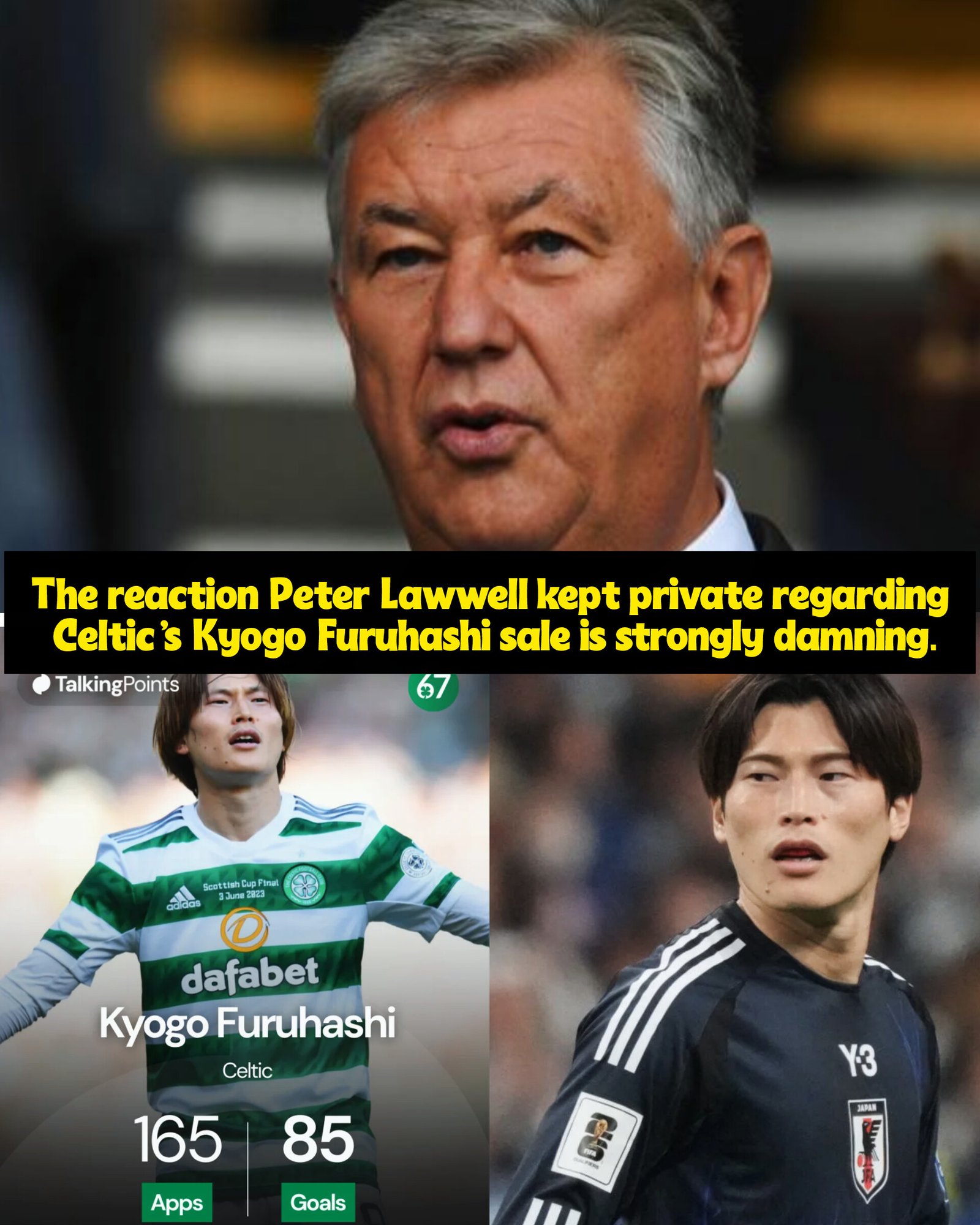


Reports have emerged suggesting that Peter Lawwell harboured significant concerns in private over Celtic’s decision to sell Kyogo Furuhashi, casting a critical light on the club’s transfer strategy during that period.
During the January transfer window, Kyogo, then aged 30, completed a move to French side Rennes in a deal worth around £10 million. As part of the same arrangement, Jota returned to Celtic, effectively making it a swap-style transaction between the two clubs. At the time, manager Brendan Rodgers later disclosed that the Japanese forward had already communicated a strong desire to pursue a fresh challenge abroad several months prior to the window opening.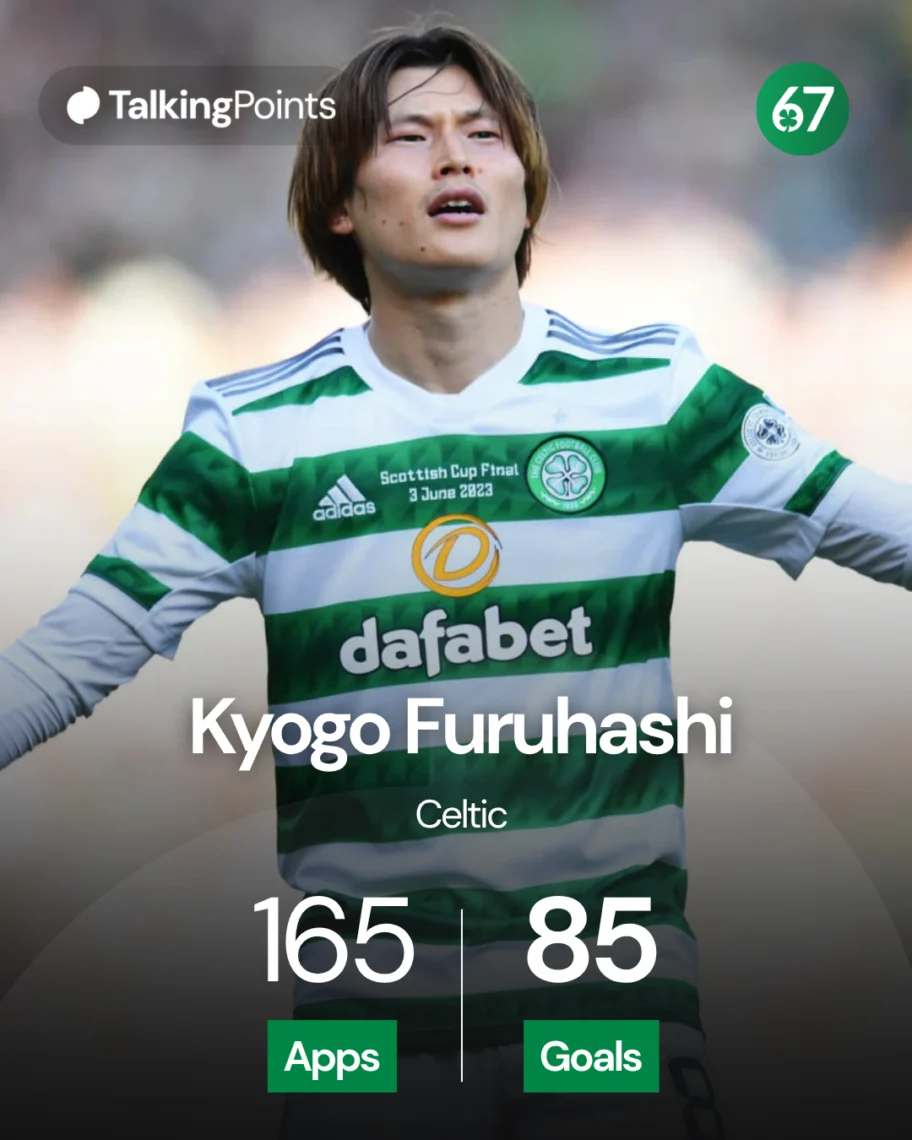
Despite being fully aware of the player’s intentions well in advance, Celtic opted to proceed with the sale without first securing a direct replacement. This decision has since drawn scrutiny, particularly in light of claims that Lawwell had reservations about allowing such an important figure to leave without a contingency plan in place. His concerns, reportedly expressed behind closed doors, centred on the potential consequences of weakening the squad at a crucial stage of the campaign.
According to reporting from the Daily Record, Lawwell was deeply uneasy about the implications of offloading Kyogo without having a ready-made successor lined up. His apprehension was rooted in the fear that removing a key attacking presence could disrupt the team’s momentum and negatively affect their push in the Scottish Premiership. At that point in the season, Celtic were still navigating a competitive title race, and losing a proven goalscorer carried an element of risk.
Although those immediate fears did not ultimately materialise—Rodgers successfully guided Celtic to the league title with a comfortable margin—the long-term consequences of the decision are now being reassessed. The sale of Kyogo is increasingly being viewed as a turning point, one that may have contributed to deeper structural issues within the squad. What initially appeared to be a manageable transition has, in hindsight, taken on a more troubling significance.
This episode also highlights a broader pattern in the club’s transfer dealings. The summer window of 2025, often criticised for leaving Rodgers short of key resources, was not an isolated case. Evidence suggests that similar issues were already present in the preceding window, reinforcing the notion that there was a recurring disconnect in the club’s recruitment approach. Rather than being a one-off misstep, the handling of Kyogo’s departure appears to fit into a wider trend of questionable decision-making.
Crucially, the discussion does not solely revolve around Lawwell’s personal views. The fact that such concerns have been reported by a prominent media outlet points to a deeper divide within the club’s internal operations. It suggests that there may have been differing perspectives among those responsible for overseeing transfer strategy, with communication and alignment potentially falling short of what is required at the highest level.
From a squad-building standpoint, the consequences are difficult to ignore. It is widely argued that Celtic have yet to adequately replace Kyogo, leaving a noticeable gap in their attacking options. The situation was further compounded in the subsequent summer transfer window, when Adam Idah was also sold before a new first-team striker had been brought in. This sequence of events only intensified concerns about the club’s planning and preparedness.
The approach adopted by the club during this period has been characterised as reactive rather than proactive. By prioritising player sales without ensuring immediate replacements, Celtic effectively placed themselves in a position of vulnerability. This “sell first, replace later” model has been a source of frustration, particularly for Rodgers, who has consistently emphasised the importance of maintaining squad balance.
Indeed, the manager had made his stance clear in the days leading up to Idah’s departure. Rodgers stated unequivocally that no player should be allowed to leave unless a replacement had already been secured, describing this principle as both straightforward and logical. His comments reflected a common-sense approach to squad management, one that prioritises continuity and stability.
However, events soon contradicted that position. Despite Rodgers’ public insistence on the need for incoming players before any departures, the club permitted Idah to travel to Swansea to complete his medical, effectively finalising his exit. This sequence of actions appeared to undermine the manager’s authority and raised further questions about the alignment between the coaching staff and the club’s decision-makers.
Taken together, these developments paint a picture of a club grappling with internal inconsistencies in its transfer policy. While Celtic have continued to achieve success on the pitch, including securing the league title, the underlying issues in squad planning and recruitment have not gone unnoticed. The handling of Kyogo’s sale, in particular, stands out as a moment that encapsulates these challenges.
Ultimately, the situation serves as a reminder of how critical strategic planning is in modern football. Selling key players is often unavoidable, especially when they express a desire to move on, but the timing and execution of such decisions are equally important. Without adequate preparation and alignment, even well-intentioned moves can lead to unintended consequences.
As scrutiny intensifies, the spotlight remains on how Celtic will address these concerns moving forward. Ensuring a more cohesive and forward-thinking approach to transfers will be essential if the club is to avoid repeating similar issues in the future.
-
 Blog7 months ago
Celtic issues a fiery VAR statement after Trusty’s red card appeal is dismissed, as furious chiefs release referee audio publicly.
-
 Blog1 week ago
Former official calls on SFA to contact Rangers over fan scenes during Celtic match, labeling them “completely unacceptable.”
-

 Blog7 months ago
Celtic informed their January signing under Martin O’Neill that he wouldn’t play a single minute this season.
-
 Blog7 months ago
Celtic issued an £83 million warning amid looming UEFA threats.
-
 Blog7 months ago
SFA Expected to Review Missed Penalty in Rangers v Celtic Clash
-

 Blog6 months ago
Police respond after reported disorder following Middlesbrough vs Millwall clash
-

 Blog1 year ago
“Courtside to Aisle-Side: Tyrese Haliburton and Jade Jones Set New Wedding Date”
-
 Blog7 months ago
£6m star is looking to leave Rangers this summer and has already announced his next club publicly.