
Blog
The crucial role of Derek McInnes and positive indicators as Hearts start a new chapter with Tony Bloom.

A little over a year ago, Derek McInnes walked through the doors of Tynecastle Park to begin what would become one of the most memorable campaigns in modern Heart of Midlothian history. Twelve months later, few associated with the club could have imagined just how transformative that first season would prove to be.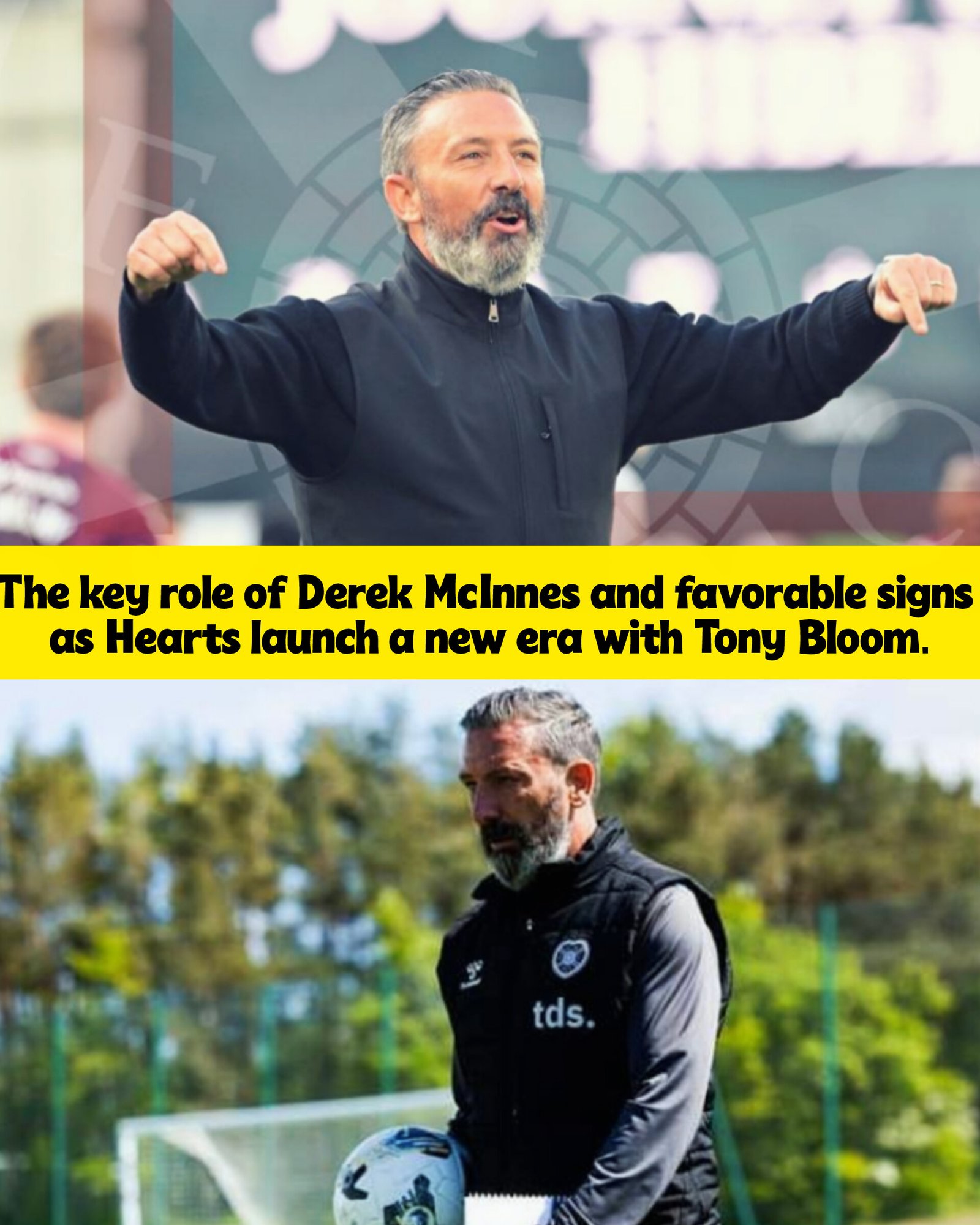
Hearts entered the summer of 2025 carrying the disappointment of a difficult campaign that ended with a bottom-six finish. Expectations were tempered, confidence had dipped, and supporters were searching for signs that brighter days lay ahead. Yet within a year, the Edinburgh club had gone from domestic frustration to standing on the verge of ending a 66-year wait for a league title.
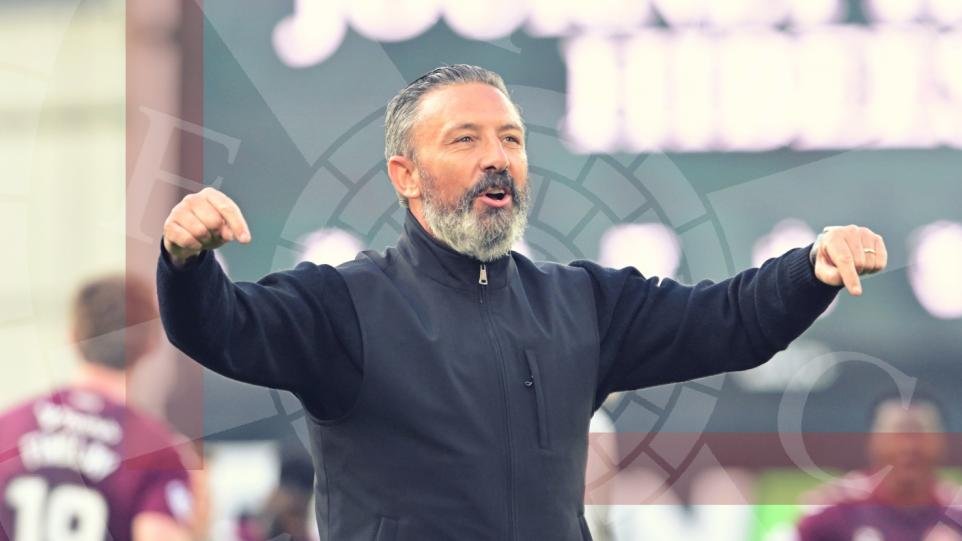
Derek McInnes has been key to Hearts’ rise (Image: NQ staff)
While numerous factors contributed to that remarkable turnaround, McInnes emerged as the central figure behind the revival. His leadership, experience, communication skills, and ability to unite a changing squad proved crucial as Hearts embarked on a bold new chapter shaped by the arrival of Tony Bloom’s investment and the influence of Jamestown Analytics.
A Defining Appointment for Hearts
The official announcement came shortly after noon on May 19, 2025, less than a day after Hearts had concluded a season many supporters were desperate to forget.
The appointment represented one of the most significant managerial decisions the club had made in years. Comparisons were immediately drawn with other landmark moments in the club’s recent history, including the rebuilding process overseen by Ann Budge and Craig Levein after administration and relegation.
This time, however, the circumstances were very different.
Hearts were entering a new age fuelled by ambition. Tony Bloom’s proposed investment, which would later receive formal approval, combined with the club’s partnership with Jamestown Analytics, pointed toward a modern approach built on data-driven recruitment and long-term planning.
After finishing seventh, maintaining the status quo was not an option. Hearts wanted more.
The board sought a manager capable of embracing those ambitions while also understanding the unique demands of Scottish football. Sporting director Graeme Jones, who oversaw the recruitment process, prioritised experience and proven success.
McInnes quickly emerged as one of the leading candidates alongside respected managers such as John McGlynn and Stephen Robinson.
Overcoming Early Doubts
Despite his strong credentials, McInnes’ candidacy was not universally welcomed.
Critics questioned whether he would adapt to a structure involving a sporting director. Others suggested he would demand total control over transfers. There were concerns about how he would work with a multinational squad assembled through analytics-driven recruitment.
Questions were also raised about his football philosophy and whether supporters would embrace his style.
Those concerns quickly proved misplaced.
Rather than resisting the club’s structure, McInnes worked closely with Graeme Jones and embraced the recruitment framework already in place.
He managed a dressing room containing players from 18 different nations without issue. More importantly, he created a team identity that supporters immediately connected with.
The results spoke for themselves.
A Season Filled With Records
Under McInnes, Hearts produced one of the finest campaigns in the club’s modern history.
The team accumulated a record points total and established an unbeaten home league record. They achieved their highest number of league victories since the 1991-92 season and secured a long-awaited return to European football’s elite competition through Champions League qualification.
There were numerous other milestones.
Hearts completed their first season sweep over rivals Hibernian F.C. in more than ten years.
The club recorded victories at both Celtic Park and Ibrox Stadium during the same campaign for the first time since the mid-1980s.
They also managed three consecutive wins against the Old Firm for the first time in decades.
Although the title ultimately slipped away, the campaign restored pride, belief, and excitement throughout the club.
The First Green Flags
One reason supporters quickly warmed to McInnes was the message he delivered from day one.
At his unveiling, he spoke passionately about the opportunity before him and made it clear that managing Hearts had long appealed to him.
His ambition matched that of the club.
Rather than discussing consolidation or gradual progress, he spoke openly about competing for trophies and building sustained success.
That honesty resonated with supporters.
It was one of several encouraging signs that convinced fans the club had appointed the right man.
Rebuilding Tynecastle’s Identity
Perhaps one of McInnes’ most important early observations concerned the atmosphere at Tynecastle.
He believed the stadium had lost some of the intimidating qualities that once made it one of Scottish football’s toughest venues.
His objective was simple.
He wanted opposition teams to dread visiting Gorgie.
Drawing inspiration from successful Hearts teams of previous generations, he challenged players and supporters alike to help recreate an environment where visiting teams felt uncomfortable from the opening whistle.
Over the course of the season, that vision became reality.
Defining the Right Character
Another significant green flag emerged when McInnes discussed recruitment.
He repeatedly stressed that talent alone would never be enough to succeed at Hearts.
The manager spoke extensively about mentality, competitiveness, resilience, and personality.
In his view, players needed far more than technical ability to thrive at Tynecastle.
Those standards helped shape the culture that developed within the squad.
Every signing was expected to possess not only footballing quality but also the mentality required to handle pressure and expectations.
Building Trust With Supporters
Throughout the summer and beyond, McInnes made a conscious effort to engage with supporters.
Meetings with fan organisations and regular communication created a sense of transparency.
Supporters appreciated his directness.
Whether discussing victories or disappointments, he rarely attempted to disguise problems or offer misleading explanations.
His honesty strengthened the relationship between manager and fanbase.
That trust would become a major asset throughout the campaign.
Winning Over the Dressing Room
While supporters quickly embraced McInnes, his impact within the squad was equally significant.
Several players reportedly expressed excitement about the prospect of working with him even before his appointment became official.
Once pre-season began, that enthusiasm only increased.
McInnes established strong relationships with players and fostered a collective spirit that became one of the team’s defining characteristics.
His management style centred on engagement rather than distance.
He remained actively involved in training and maintained regular communication with players.
That approach helped create a close-knit group.
The Importance of Lawrence Shankland
One of McInnes’ earliest successes involved persuading Lawrence Shankland to remain at the club.
Retaining the striker provided stability and leadership during a period of transition.
Although Shankland would later agree a move elsewhere, his contribution during the season proved invaluable.
McInnes’ role in securing that commitment cannot be overstated.
Tactical Solutions and Adaptability
The season was not without challenges.
One recurring issue involved the right side of the team.
Injuries and personnel limitations forced McInnes to think creatively.
One particularly surprising tactical decision involved deploying Harry Milne in an unfamiliar role.
The choice initially raised eyebrows.
Yet the adjustment worked remarkably well, helping Hearts remain competitive in key fixtures and neutralise dangerous opponents.
It demonstrated McInnes’ willingness to innovate rather than stubbornly stick to predetermined plans.
Coping With Injuries
The second half of the campaign brought another major challenge.
Several key players suffered injuries, including Shankland, Cammy Devlin, Stuart Findlay, Craig Halkett and others.
Many teams would have struggled to maintain momentum after losing so much experience and quality.
Hearts, however, remained competitive.
McInnes consistently found solutions and kept the squad motivated despite growing adversity.
His ability to manage both starters and fringe players became increasingly important.
Even players receiving limited minutes continued to celebrate team successes and contribute positively behind the scenes.
Creating a Fortress
One of the defining features of Hearts’ campaign was their outstanding home form.
McInnes had promised to transform Tynecastle into an intimidating venue.
He delivered.
As the season progressed, the stadium regained much of its old intensity.
Visits from Celtic, Rangers, Hibernian and Aberdeen became occasions filled with noise, passion and hostility.
The atmosphere frequently inspired Hearts to produce some of their best performances.
The club won seven of eight matches against those traditional rivals at Tynecastle.
Areas Still Requiring Improvement
Despite the extraordinary progress, McInnes would be the first to acknowledge there remains work to do.
Hearts occasionally struggled against teams lower down the table, particularly away from home.
Matches requiring patience and dominance against defensive opponents sometimes proved more difficult than encounters against stronger sides.
Improving consistency in those fixtures will likely be a priority moving forward.
Away performances, while improved, also offer room for further growth.
Making Hearts Feel Like Hearts Again
Perhaps McInnes’ greatest achievement cannot be measured by points totals or league positions.
More than anything else, he restored an identity.
Supporters once again recognised their team.
The squad displayed commitment, resilience, passion and competitiveness—qualities traditionally associated with Hearts at their best.
Fans felt connected to the club in a way they had not for some time.
That emotional connection helped fuel one of the most memorable seasons in recent memory.
The Beginning of Hearts 2.0
Tony Bloom’s investment, Jamestown’s recruitment model and the club’s broader ambitions have all helped shape Hearts’ future.
However, the success of the first year owed much to McInnes’ ability to bring every element together.
His leadership united experienced players, new arrivals, supporters and executives behind a shared vision.
The result was a campaign that came agonisingly close to delivering one of the greatest achievements in the club’s history.
Recognition followed, with McInnes collecting multiple Manager of the Year awards for his work.
Those honours reflected more than results alone. They acknowledged his role in guiding Hearts through the opening chapter of an exciting new era.
One year after his appointment, Hearts appear stronger, more ambitious and more united than they have been for many years.
For supporters, that is perhaps the clearest sign that Hearts 2.0 under Derek McInnes is only just beginning.
-
 Blog7 months ago
Celtic issues a fiery VAR statement after Trusty’s red card appeal is dismissed, as furious chiefs release referee audio publicly.
-
 Blog1 week ago
Former official calls on SFA to contact Rangers over fan scenes during Celtic match, labeling them “completely unacceptable.”
-

 Blog7 months ago
Celtic informed their January signing under Martin O’Neill that he wouldn’t play a single minute this season.
-
 Blog7 months ago
Celtic issued an £83 million warning amid looming UEFA threats.
-
 Blog7 months ago
SFA Expected to Review Missed Penalty in Rangers v Celtic Clash
-

 Blog6 months ago
Police respond after reported disorder following Middlesbrough vs Millwall clash
-

 Blog1 year ago
“Courtside to Aisle-Side: Tyrese Haliburton and Jade Jones Set New Wedding Date”
-
 Blog7 months ago
£6m star is looking to leave Rangers this summer and has already announced his next club publicly.