
Blog
The highest-paid ski racers earned nearly $1 million this season.

The highest-earning alpine ski racers approached the $1 million mark in prize money during the most recent season, according to figures released by the International Ski Federation. The data highlights just how profitable a strong campaign can be for elite competitors such as Mikaela Shiffrin and Marco Odermatt, both of whom dominated their respective categories in 2026.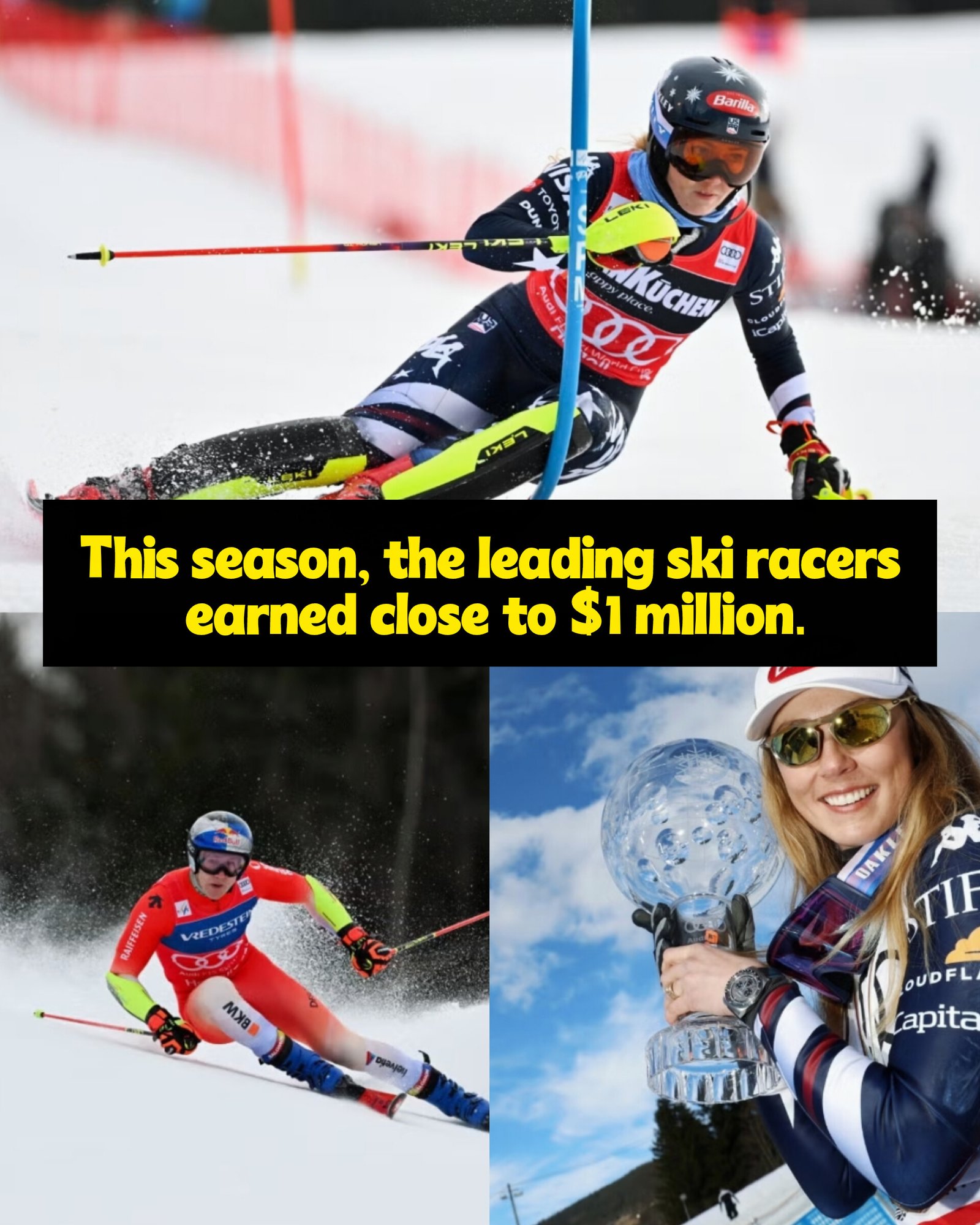
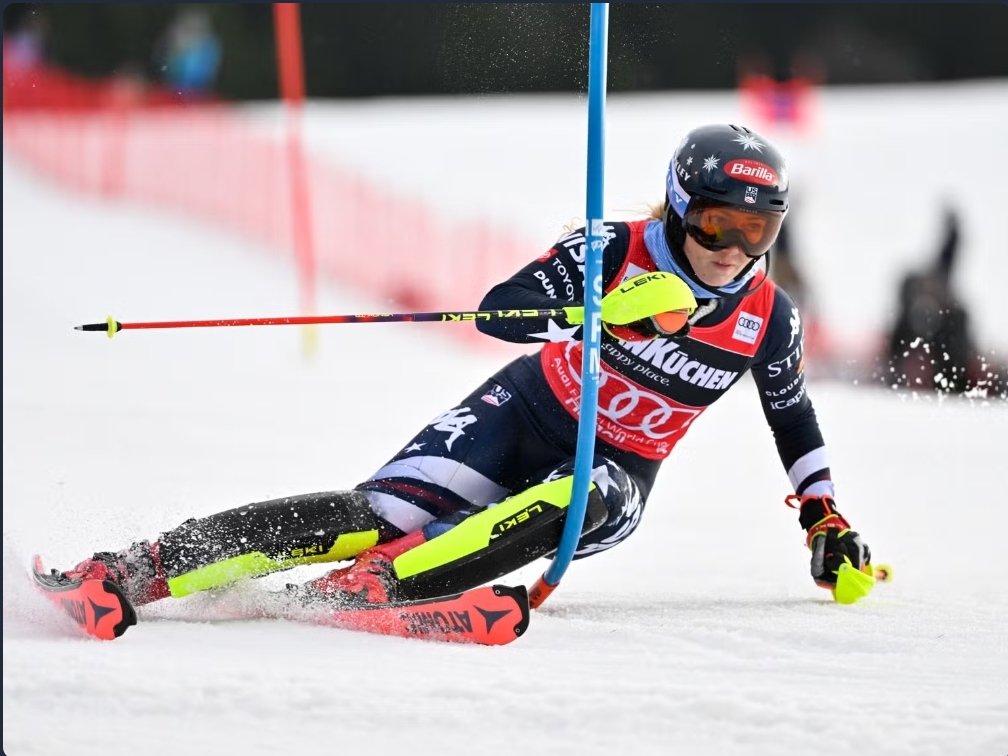
Mikaela Shiffrin blitzes down the race course.
Alain Grosclaude/Agence Zoom/Getty Images
Despite these impressive numbers, skiing is still widely regarded as a sport that does not generate the same level of financial reward as global giants like football or basketball. Even so, the latest earnings figures demonstrate that athletes who consistently perform at the highest level—particularly those who regularly reach the podium in World Cup races—can accumulate substantial prize money over the course of a season.
On the women’s side, Shiffrin once again proved why she remains one of the sport’s biggest stars. She finished at the top of the earnings list after a remarkable season in which she excelled in her signature discipline, slalom. The American skier secured nine slalom victories, coming close to completing a flawless season in that category. Her dominance in slalom, combined with solid performances in giant slalom events, allowed her to amass total prize winnings of €615,167, which converts to approximately $726,000.
While prize money represents a significant portion of her income, it is far from her only source of earnings. Like many high-profile athletes, Shiffrin also benefits from endorsement deals and sponsorship agreements, though the exact figures tied to those partnerships are not publicly disclosed. Even without those additional revenue streams, her prize earnings alone placed her well ahead of her closest competitors.
The gap between Shiffrin and the second-highest earner in women’s alpine skiing was considerable. Germany’s Emma Aicher secured the second spot with €387,265.50, while Austria’s Julia Scheib followed in third with €340,942. These figures underline just how dominant Shiffrin’s season truly was, as she outpaced her nearest rival by a significant margin.
On the men’s side, Odermatt delivered an equally commanding performance. The Swiss skier, known for his versatility across multiple disciplines, once again demonstrated his all-around excellence. He consistently reached the podium in events ranging from downhill to giant slalom, showcasing his ability to compete at the highest level in various formats. This consistency translated into total prize earnings of €741,254, or roughly $874,800, placing him comfortably at the top of the men’s standings.
Odermatt’s earnings far exceeded those of the next two highest-paid male racers. Brazil’s Lucas Pinheiro Braathen finished second with €359,264, while Switzerland’s Loïc Meillard came in third with €317,325. Much like in the women’s competition, the earnings gap highlights the extent of Odermatt’s dominance throughout the season.
Beyond the headline figures for alpine skiing, the prize money structure across different skiing disciplines reveals notable disparities. In a typical World Cup alpine race, a total prize pool of €167,619—approximately $197,800—is distributed among the top 30 finishers. The winner of the event receives €54,709, or about $64,500, while the athlete finishing in 30th place takes home €816, roughly $963. This tiered system ensures that even lower-ranked finishers earn something, though the rewards drop off sharply outside the top positions.
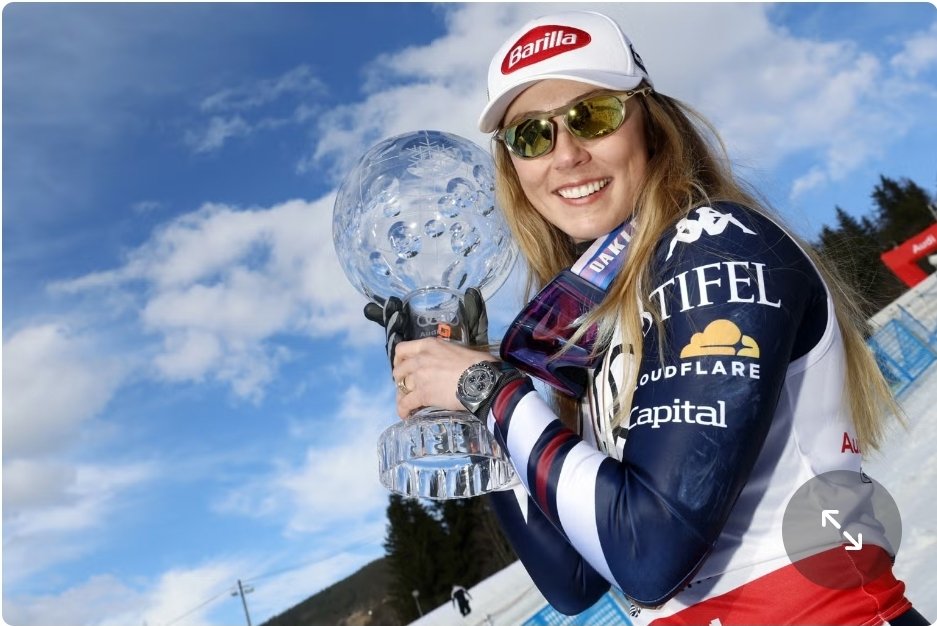
Mikaela Shiffrin in her element.
Alexis Boichard/Agence Zoom/Getty Images
In contrast, freestyle skiing events such as halfpipe and slopestyle generally offer smaller prize purses. For instance, during a men’s halfpipe competition held earlier in the season in Silvaplana, Switzerland, the total prize money available was €35,000, equivalent to around $41,000. This amount was shared among the top ten competitors, with the winner receiving €15,750, or about $18,500. Compared to alpine racing, the financial incentives in these disciplines are significantly lower, reflecting differences in structure, sponsorship, and audience reach.
Recognizing the need to improve athlete compensation, FIS has taken steps to increase prize money across its events. In the previous year, the organization announced that its council had approved a plan to raise prize funds by as much as 20% across all skiing disciplines. This increase is being funded jointly by FIS and Local Organizing Committees, although the latter’s contributions are made on a voluntary basis.
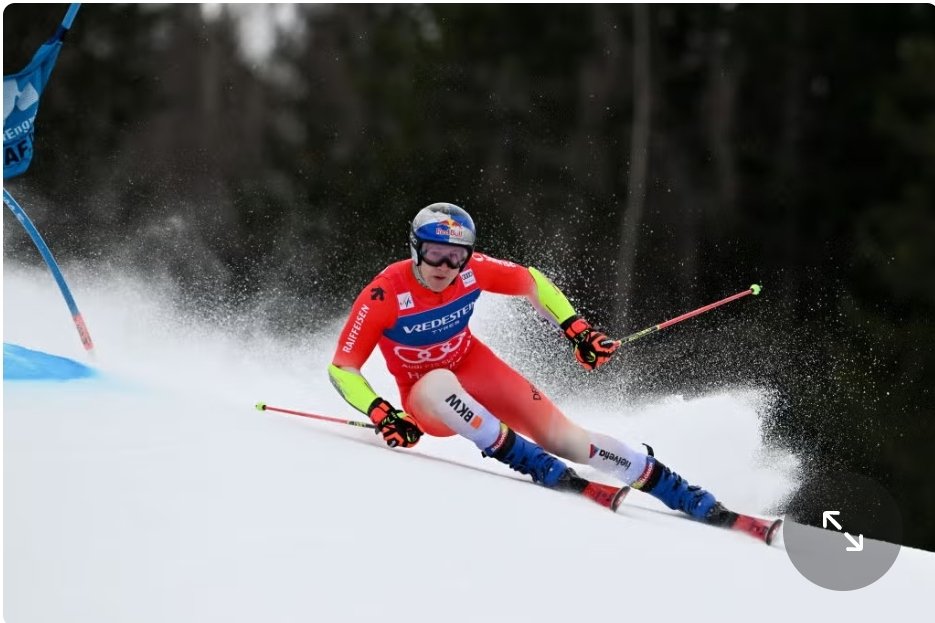
Marco Odermatt leans in.
Jonas Ericsson/Agence Zoom/Getty Images
FIS president Johan Eliasch acknowledged that while the increase represents progress, there is still considerable work to be done to ensure athletes are rewarded fairly for their performances. He described the initiative as an important خطوة forward but emphasized that it is only one stage in a longer journey toward better financial support for competitors.
Outside the FIS framework, other organizations are also attempting to enhance earning opportunities for skiers, particularly in freestyle disciplines. One notable example is the Snow League, a halfpipe competition series spearheaded by Olympic champion Shaun White. The league has gained attention for its more generous payout structure, which aims to provide athletes with greater financial security.
Under the Snow League model, the winner of an event earns $55,000, a figure that is comparable to what alpine World Cup champions receive for a victory. Additionally, every participant is guaranteed a minimum payout of $5,000, regardless of their finishing position. This approach not only rewards top performers but also ensures that all competitors leave with a meaningful sum, helping to offset the costs associated with training and travel.
Overall, the latest figures illustrate both the earning potential and the limitations of professional skiing. While top athletes like Shiffrin and Odermatt can accumulate hundreds of thousands of dollars—and in some cases approach the $1 million mark—through prize money alone, the sport still lags behind others in terms of overall financial rewards. Nevertheless, ongoing efforts by governing bodies and independent organizations suggest that the landscape may gradually improve, offering athletes more opportunities to be compensated in line with their talent and dedication.
-

 Blog7 months ago
Celtic issues a fiery VAR statement after Trusty’s red card appeal is dismissed, as furious chiefs release referee audio publicly.
-

 Blog1 week ago
Former official calls on SFA to contact Rangers over fan scenes during Celtic match, labeling them “completely unacceptable.”
-

 Blog7 months ago
Celtic informed their January signing under Martin O’Neill that he wouldn’t play a single minute this season.
-

 Blog7 months ago
Celtic issued an £83 million warning amid looming UEFA threats.
-

 Blog7 months ago
SFA Expected to Review Missed Penalty in Rangers v Celtic Clash
-

 Blog6 months ago
Police respond after reported disorder following Middlesbrough vs Millwall clash
-

 Blog1 year ago
“Courtside to Aisle-Side: Tyrese Haliburton and Jade Jones Set New Wedding Date”
-

 Blog7 months ago
£6m star is looking to leave Rangers this summer and has already announced his next club publicly.