
Blog
The story behind Mikaela Shiffrin’s path to Olympic gold and redemption.

For more than three hours on February 10, Mikaela Shiffrin sat down with her team to unpack how a day filled with expectation had unraveled into disappointment. What had begun with confidence and optimism had quickly turned into something frustrating and difficult to process.

After going medal-less in 2022, Mikaela Shiffrin returned to Olympic glory in the final race of the Milan Cortina Games, the slalom. Illustration: Kelsea Petersen / The Athletic; Ryan Pierse / Getty, Marco Bertorello / Getty, Tiziana Fabi / Getty
For years, the American alpine skiing superstar had been answering questions about her struggles at the 2022 Beijing Olympics. Widely considered the greatest skier in history, she shockingly failed to win a medal there, crashing multiple times across six races. Now, at the 2026 Winter Games, it seemed like history might be repeating itself. A poor performance in the slalom portion of the team combined event — where a downhill skier and a slalom specialist combine times — cost her and teammate Breezy Johnson a place on the podium.
The narrative resurfaced almost instantly: was there something about the Olympics that disrupted Shiffrin’s brilliance? This was precisely the scenario she and her team had hoped to avoid in Cortina d’Ampezzo. Instead, they were forced to confront it head-on and figure out how to prevent the rest of the Games from slipping away.
Even before the Olympics began, concerns had been raised within her inner circle. Her mother, Eileen — a former competitive skier who still played a coaching role — had suggested that skipping the Games might be worth considering. She feared that another emotionally draining experience like Beijing could be too much. Shiffrin, however, rejected that idea. Rather than retreat, she chose to face the emotional weight directly, working through it with her psychologist.
Later that evening, as the team continued their discussions, Breezy Johnson entered the room. As one of Shiffrin’s closest friends and teammates, Johnson brought a calm, practical perspective. She reassured Shiffrin that there was no need for self-blame. Instead, she encouraged her to approach the situation logically — just as she would after any race. Review the equipment, analyze the footage, identify what went wrong, and correct it.
That mindset shift proved crucial. Shiffrin later reflected that she didn’t spiral emotionally. She wasn’t angry or panicked. Instead, she recognized that there was still work to be done and that the Olympics were far from over.
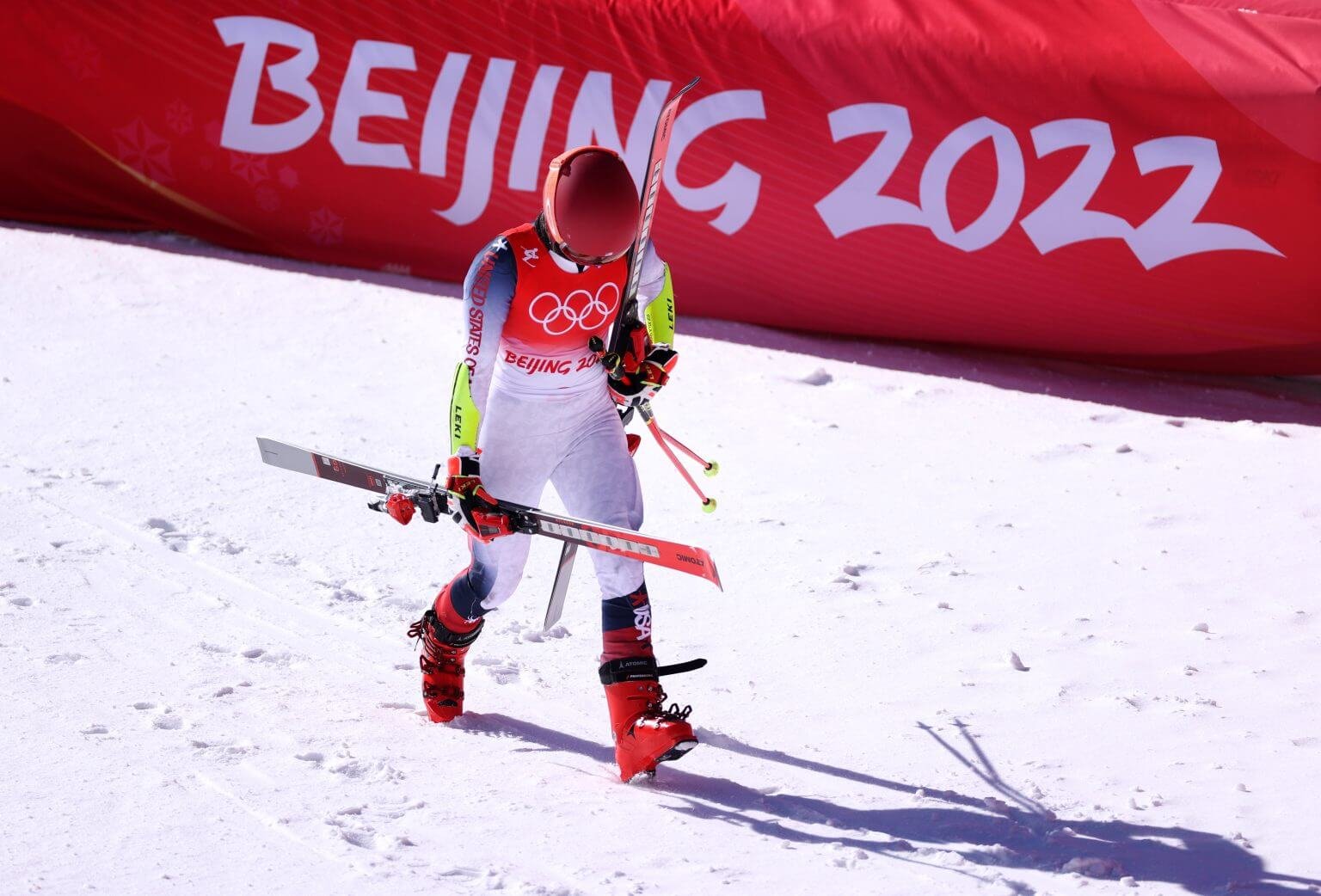
At the 2022 Beijing Olympics, Mikaela Shiffrin attempted to compete in all six events. She struggled throughout and left with no medals.Alex Pantling / Getty Images
Eight days later, she stood at the top of the podium, an Olympic slalom gold medal around her neck, as the sun dipped behind the rugged peaks of the Dolomites.
Her journey was not just about physical performance but about navigating psychological challenges, external pressure, and personal grief. For Shiffrin, winning wasn’t simply about adding another medal to her collection — it was about silencing doubts, both internal and external. She knew that only victory would quiet the criticism that had followed her since Beijing.
She also understood that her success in slalom was anything but automatic. Despite her dominance — including a record number of wins — she emphasized that her excellence came from constant effort. She trained relentlessly, never allowing herself to become complacent.
In the years since Beijing, she had been working closely with psychologist Abbey Fox. As the 2026 Olympics approached, that work intensified. One exercise involved repeatedly writing the word “Olympics” and noting the emotions it triggered. Often, it brought tears.
Those emotions were deeply tied to the loss of her father, Jeff Shiffrin, who died in 2020. He had been a central figure in her career — a mentor, supporter, and constant presence at competitions. His absence left a void that was impossible to ignore.
At times, Shiffrin questioned whether she even wanted to win Olympic gold without him there to witness it. Would achieving that goal honor his memory, or would it only amplify the pain of his absence? Did success mean accepting a reality she wasn’t ready to embrace?
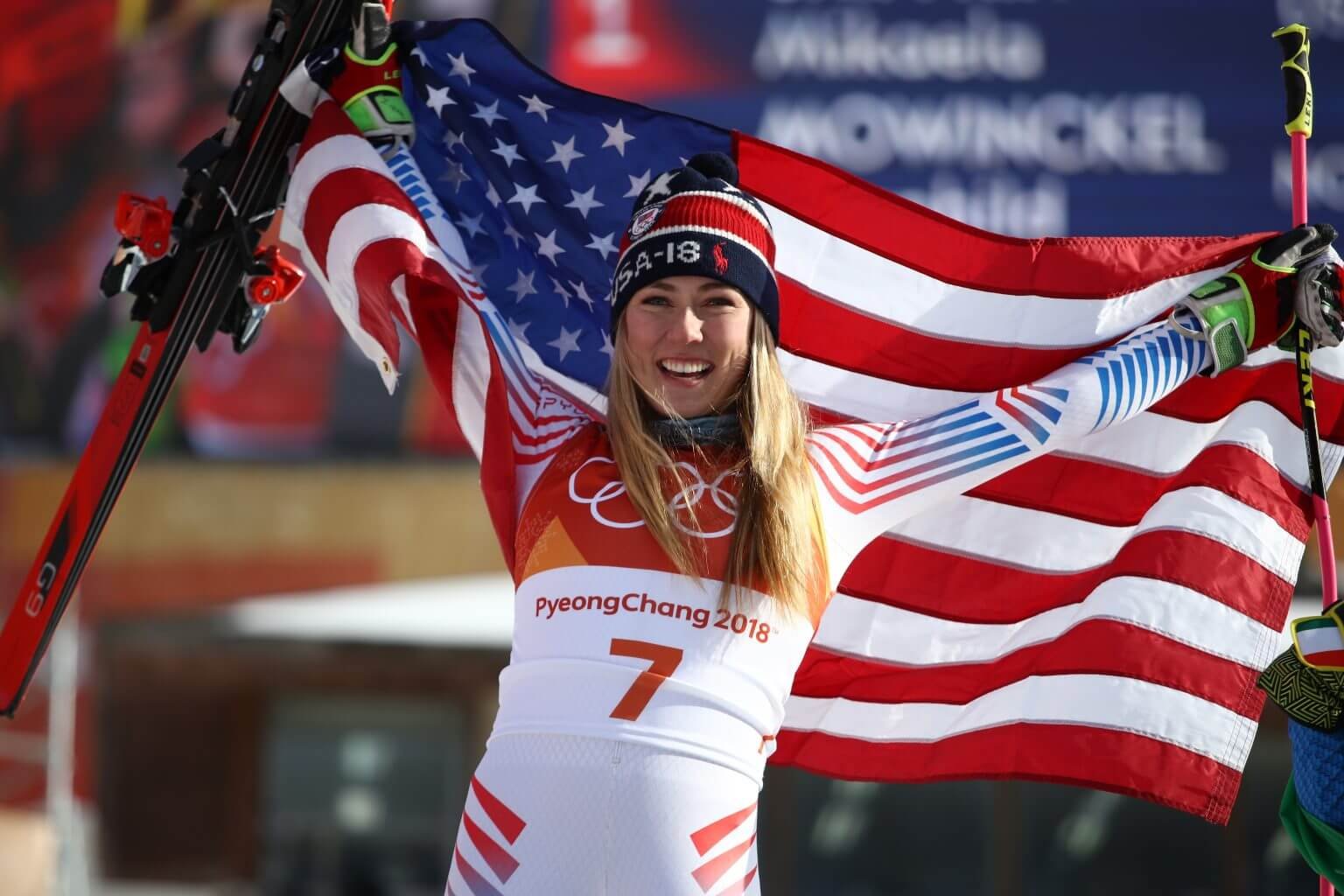
A gold in the giant slalom in Pyeongchang, South Korea, in 2018 was Mikaela Shiffrin’s last Olympic triumph before her win in the slalom at the 2026 Games.Ezra Shaw / Getty Images
These were complex and deeply personal questions, but confronting them became part of her preparation.
Ultimately, she decided that pushing through the emotional difficulty — competing at the highest level despite everything — was itself a way of honoring her father. She believed he would be proud of her for continuing to fight.
She also knew the Olympics would present unpredictable challenges. Months earlier, at a training camp in Chile, she had told her team that they might need to deliver difficult truths to keep her grounded. Everyone needed to be ready to respond when things didn’t go as planned.
By the time she arrived in Cortina, she was in exceptional form. She had dominated the slalom season, winning seven of eight races and finishing second in the other. She seemed nearly unbeatable.
But the Olympic environment brought its own complications.
Even the setting felt different. Cortina, a place she knew well, seemed unfamiliar. The visual atmosphere — from colors to surroundings — disrupted her usual sense of comfort.
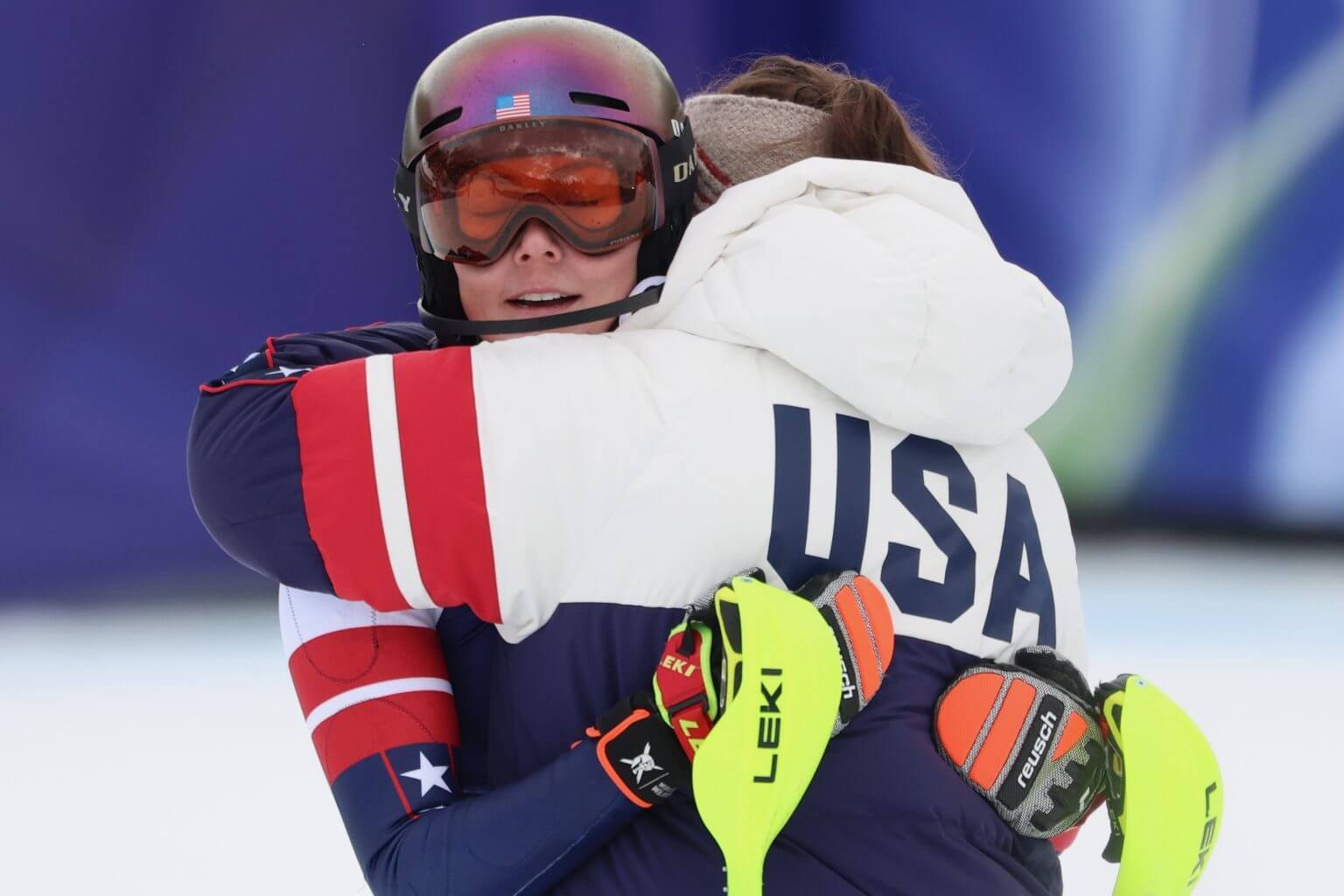
Mikaela Shiffrin (left) and teammate Breezy Johnson hug after Shiffrin’s slalom run in the Olympic team combined event knocked them off the podium in Cortina d’Ampezzo, Italy.Julian Finney / Getty Images
Off the slopes, external pressures added another layer. During a press conference, she was asked about representing the United States amid political tensions. She responded with a quote from Nelson Mandela emphasizing unity and inclusion. The reaction online was swift and polarized, drawing criticism from multiple directions.
Rather than engage, she chose to disconnect from social media and focus entirely on competition.
Meanwhile, she anticipated challenges on the course itself. In alpine skiing, national coaches design courses, which can create strategic advantages. Austria, a dominant nation in the sport, had secured key roles in setting Olympic courses.
Their approach included fast, straight sections designed to disrupt rhythm — a style that could challenge even the best skiers.
While Shiffrin excelled in technical turning, high-speed sections had occasionally been a vulnerability, particularly after a crash in 2024 that affected her confidence.
On the day of the team combined event, conditions added further difficulty. Warm temperatures softened the snow, creating slushy terrain that she hadn’t practiced on extensively.
As she inspected the course, she immediately recognized the potential issues.
Despite appearing composed during warm-ups, the race itself proved difficult. The combination of course design and conditions disrupted her rhythm, and her performance suffered.
Her result was disappointing. She finished far down the standings in the slalom portion, and the team dropped out of medal contention.
That evening, her team regrouped. Together, they concluded that the result was not a reflection of her overall ability but rather a product of specific circumstances.
With that perspective, they shifted their focus forward.
The plan began with rest. Even though Shiffrin felt the urge to train immediately, her coaches emphasized the importance of recovery.
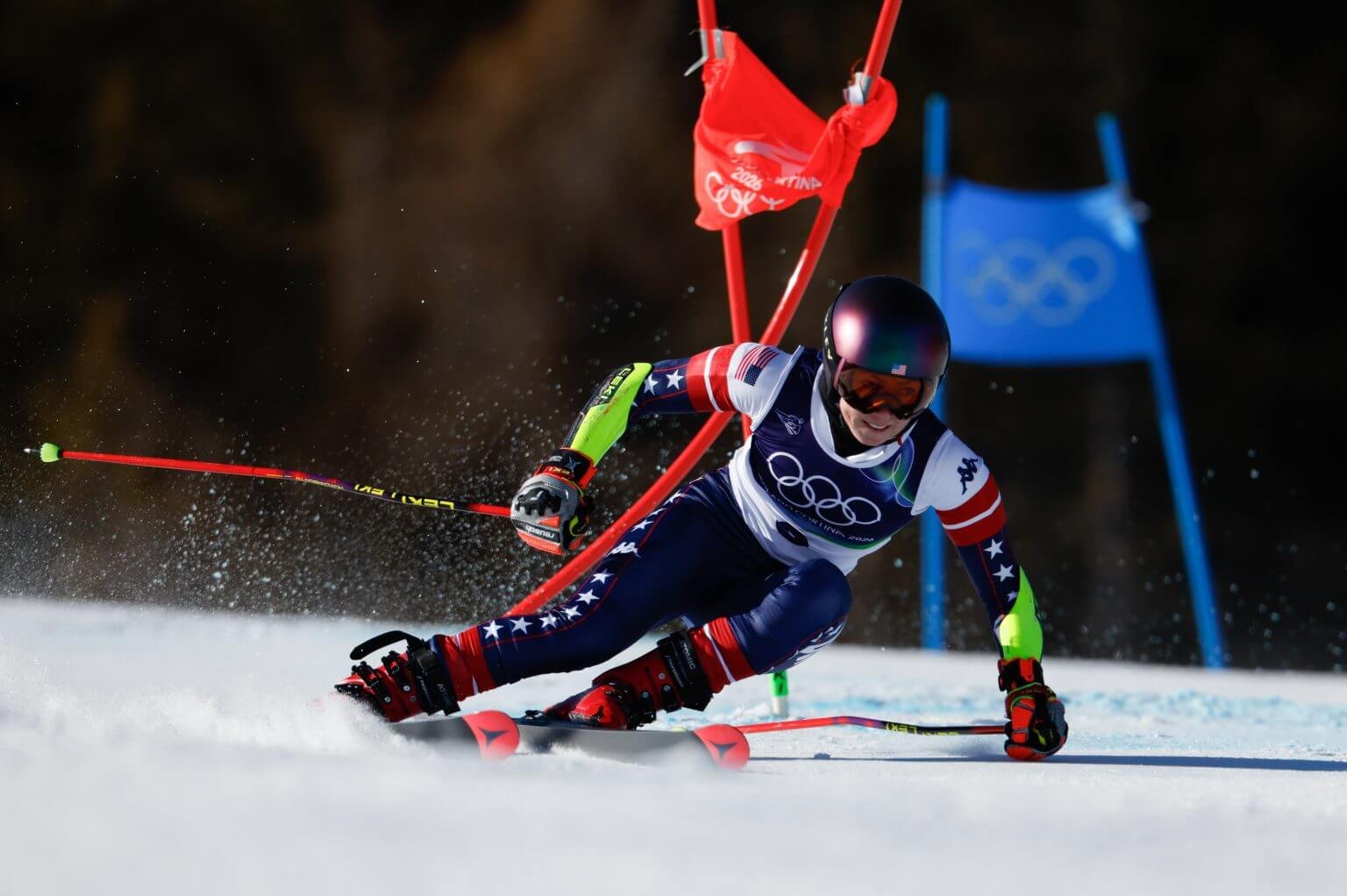
Mikaela Shiffrin finished 11th in the giant slalom — a result that was encouraging to her — three days before her triumph in the slalom.Christophe Pallot / Agence Zoom / Getty Images
The following day, they returned to training with a clear objective: adapt to challenging conditions. They simulated similar scenarios, allowing Shiffrin to rebuild confidence and refine her approach.
She pushed herself through multiple runs, adjusting to the patterns that had caused problems.
Next came the giant slalom event. Despite a strong performance, she finished 11th — just fractions of a second away from a medal.
Instead of frustration, she felt encouraged. Her skiing had been strong, and she was competing at a high level.
Now, her focus turned fully to the slalom.
On the morning of the race, her energy was noticeably different. She appeared calm, focused, and fully present.
Using mental techniques developed with her psychologist, she stayed grounded in the moment, focusing on immediate sensations rather than external pressures.
Her preparation showed immediately.
In the first run, she delivered a dominant performance, finishing more than a second ahead of her closest competitor.
Before the second run, she lay down in the snow, appearing calm. But beneath the surface, emotions surged. She realized that she was on the verge of winning Olympic gold — without her father there to witness it.
Tears came, but she composed herself.
When the race resumed, she delivered another exceptional performance. Her lead grew as she moved down the course, and the reaction from the crowd made it clear she had secured victory.
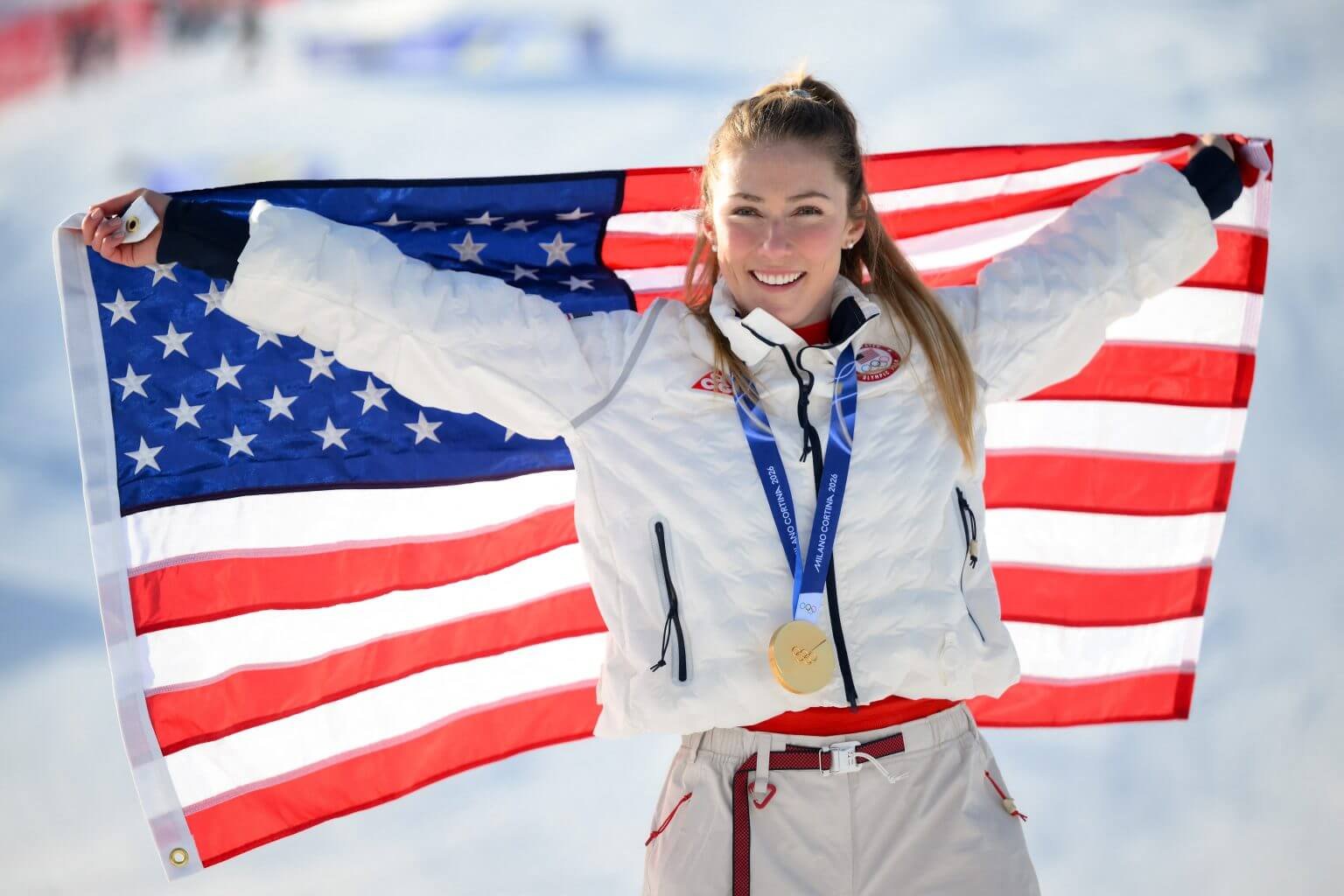
Mikaela Shiffrin celebrates with her gold medal from the Olympic slalom race. “We went and did it,” she says of rebounding from the poor start in the team combined.Marco Bertorello / AFP via Getty Images
At the finish line, she paused, reflecting quietly. After years of pressure, doubt, and emotional struggle, she was once again an Olympic champion.
Weeks later, reflecting on the experience, she spoke with a sense of fulfillment. The challenges she had faced — from difficult conditions to external criticism — had tested her.
But she had responded with resilience and determination.
On the sport’s biggest stage, she proved once again why she is considered the greatest of all time.
-

 Blog7 months ago
Celtic issues a fiery VAR statement after Trusty’s red card appeal is dismissed, as furious chiefs release referee audio publicly.
-

 Blog1 week ago
Former official calls on SFA to contact Rangers over fan scenes during Celtic match, labeling them “completely unacceptable.”
-

 Blog7 months ago
Celtic informed their January signing under Martin O’Neill that he wouldn’t play a single minute this season.
-

 Blog7 months ago
Celtic issued an £83 million warning amid looming UEFA threats.
-

 Blog7 months ago
SFA Expected to Review Missed Penalty in Rangers v Celtic Clash
-

 Blog6 months ago
Police respond after reported disorder following Middlesbrough vs Millwall clash
-

 Blog1 year ago
“Courtside to Aisle-Side: Tyrese Haliburton and Jade Jones Set New Wedding Date”
-

 Blog7 months ago
£6m star is looking to leave Rangers this summer and has already announced his next club publicly.