Blog
Three-man panel divided over Celtic VAR flashpoint as key refereeing claim emerges.

Kasper Hogh thought he had finally ended his frustrating spell without a goal when he found the net during Celtic’s narrow victory over Kilmarnock. The Danish forward had gone 15 matches without scoring and appeared to have given himself a timely confidence boost with a first-half finish. Instead, his celebrations were interrupted by a VAR intervention, leaving him to wait even longer for a breakthrough.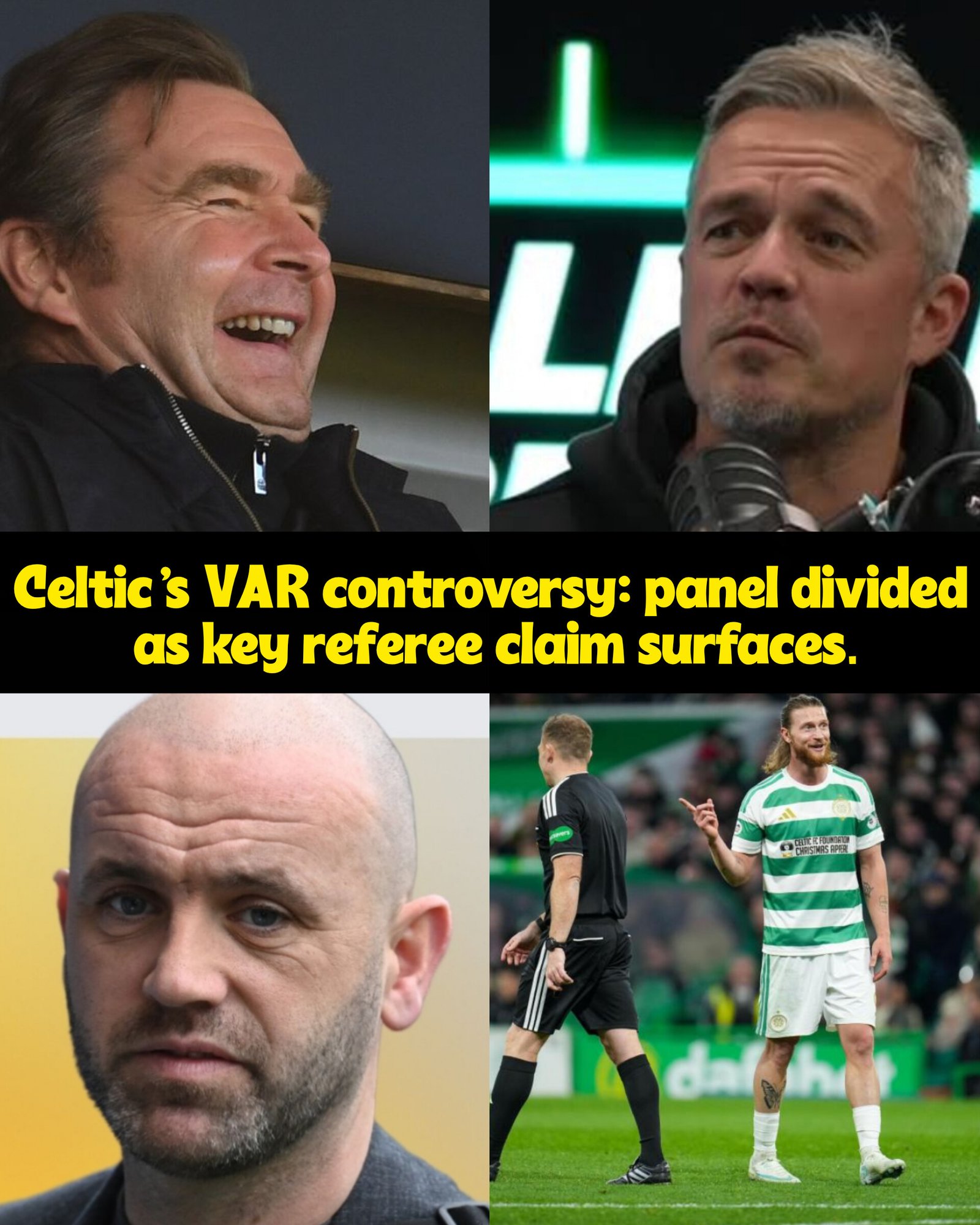
However, the goal was subsequently disallowed after officials reviewed an earlier incident involving Mika Baur and Kilmarnock captain Greg Kiltie. VAR identified a possible foul by the Celtic player during the build-up and recommended that referee John Beaton assess the challenge on the pitchside monitor.
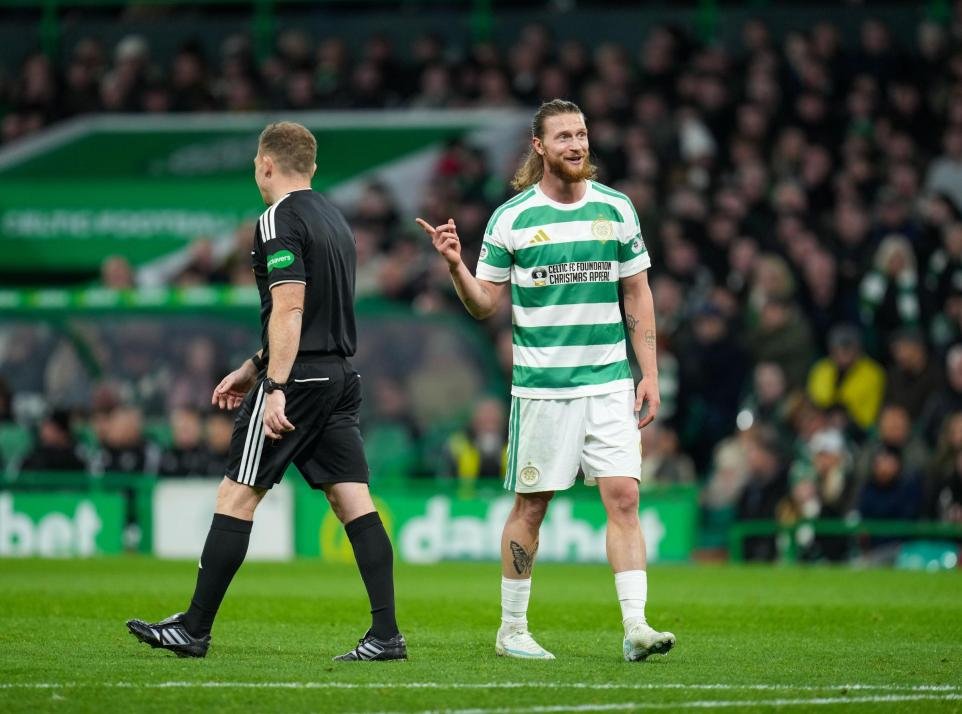
Kasper Hogh (Image: Stuart Wallace / Shutterstock)
Beaton took a brief look at the footage before deciding that Baur had fouled Kiltie. The referee therefore ruled out Hogh’s effort, meaning the Dane’s goal drought extended from 15 matches to 16. Celtic still secured the victory, as Liam Scales scored in the 26th minute to settle a tight contest and ensure the disallowed strike did not prevent them from taking all three points.
Simon Donnelly believes the decision was soft
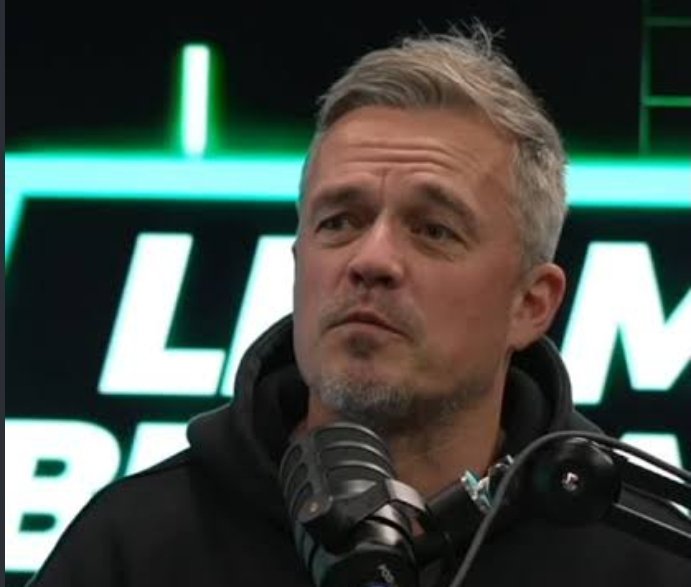
Simon Donnelly
Simon Donnelly was among those who questioned whether Baur’s challenge deserved to be punished. Speaking on Celtic TV, he explained that his first impression was that the midfielder had won possession with an excellent tackle.
Donnelly did acknowledge that Baur might have caught Kiltie’s foot during the challenge. Nevertheless, he felt the Celtic player had done enough to win the ball and was unhappy that the goal was disallowed.
He described the decision as soft and praised the attacking move that had led to Hogh’s finish. In Donnelly’s view, it was a fantastic team goal, while Baur had also performed impressively in the challenge that eventually attracted the officials’ attention.
James McFadden questions the need for a monitor visit
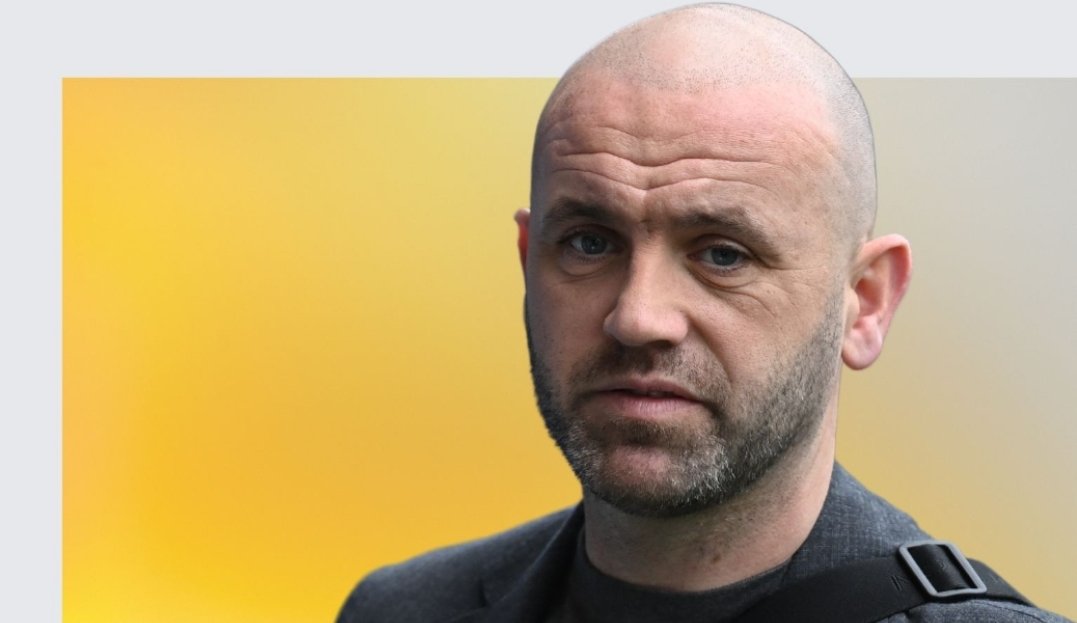
James McFadden
James McFadden also appeared surprised by the decision when discussing it on BBC Sportsound. He questioned whether Beaton had even needed to visit the pitchside monitor, suggesting that the referee might have been able to reach his conclusion without requiring a prolonged examination.
McFadden explained that the challenge looked clean when viewed at normal speed. From his perspective, Baur had made a good intervention and appeared to win the ball fairly.
However, the former Scotland international recognised that the officials must have considered the incident sufficiently clear to justify overturning the goal. His comments suggested that, although he initially saw nothing wrong with the challenge, the referee may have been shown evidence that changed the assessment.
Peter Grant insists the officials were correct
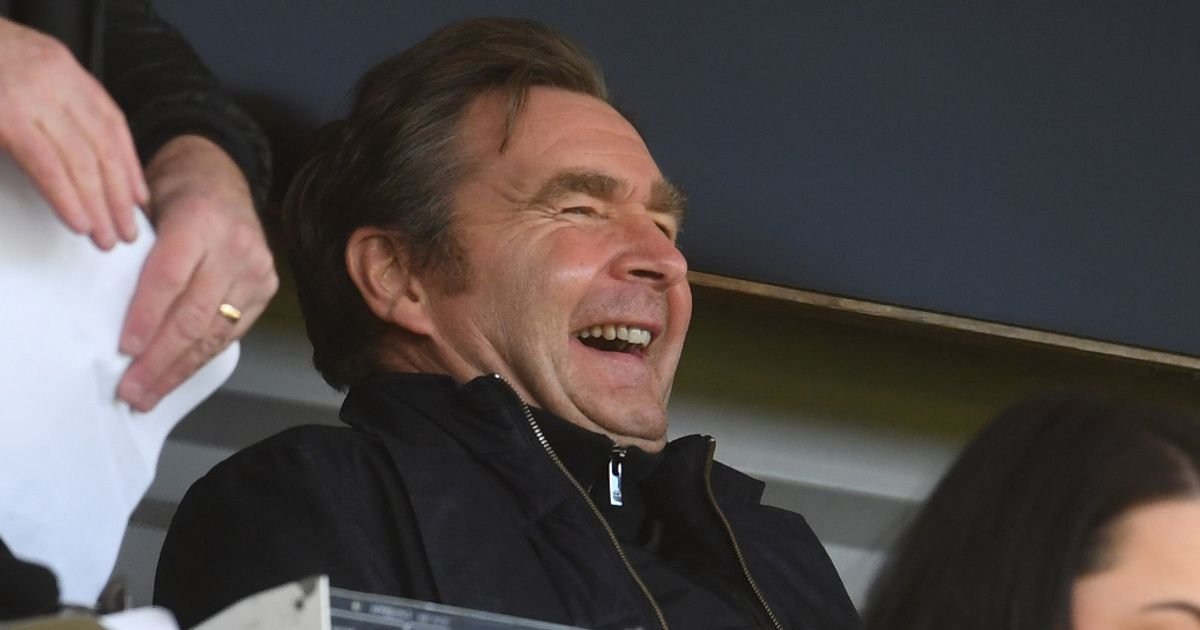
Peter Grant
Peter Grant disagreed with Donnelly and offered a strong defence of the referee’s decision. Speaking on Celtic TV, he argued that Baur had committed a foul because he had failed to make contact with the ball.
Grant’s explanation was straightforward: if a player does not win the ball and instead makes contact with an opponent, the referee can award a free-kick. He therefore believed the decision to disallow Hogh’s goal was justified.
He also admitted that Baur had carried out the challenge so effectively that he had not recognised the infringement while watching the match live. It was only after seeing the replay that Grant understood why the officials had intervened.
Grant added that Celtic would probably have expected a free-kick if the same type of challenge had been made against one of their own players. For that reason, he felt supporters should accept the decision rather than judge it differently because it went against their team.
Disagreement remains over the Celtic flashpoint
The contrasting reactions from Donnelly, McFadden and Grant demonstrate how divisive the VAR incident proved to be. Donnelly considered the decision too soft, McFadden thought the challenge looked clean in real time, while Grant believed Baur had fouled Kiltie and the officials had acted correctly.
Beaton’s quick review ultimately cost Hogh a goal that might have ended his frustrating run. Instead, his wait reached 16 matches, despite Celtic finding a winner through Scales in the 26th minute.
The result gave Celtic the points, but the disallowed finish remained a significant talking point. Supporters were left debating whether Baur had made a legitimate challenge or whether the referee was right to punish the contact on Kiltie.
For Hogh, the immediate disappointment was personal: he had appeared to score at last, only for the decision to be overturned. For Celtic, the debate centred on the consistency of VAR and whether the replay showed enough to justify cancelling the goal throughout the post-match discussion.
-
 Blog9 months ago
Celtic issues a fiery VAR statement after Trusty’s red card appeal is dismissed, as furious chiefs release referee audio publicly.
-
 Blog2 months ago
Former official calls on SFA to contact Rangers over fan scenes during Celtic match, labeling them “completely unacceptable.”
-
 Blog9 months ago
Celtic informed their January signing under Martin O’Neill that he wouldn’t play a single minute this season.
-
 Blog9 months ago
Celtic issued an £83 million warning amid looming UEFA threats.
-
 Blog8 months ago
SFA Expected to Review Missed Penalty in Rangers v Celtic Clash
-
 Blog7 months ago
Police respond after reported disorder following Middlesbrough vs Millwall clash
-

 Blog2 months ago
Middlesbrough receive a warning following Steve Gibson’s submission of a £1.5bn proposal.
-

 Blog1 year ago
“Courtside to Aisle-Side: Tyrese Haliburton and Jade Jones Set New Wedding Date”