
Blog
A fate worse than relegation awaits Leicester City.

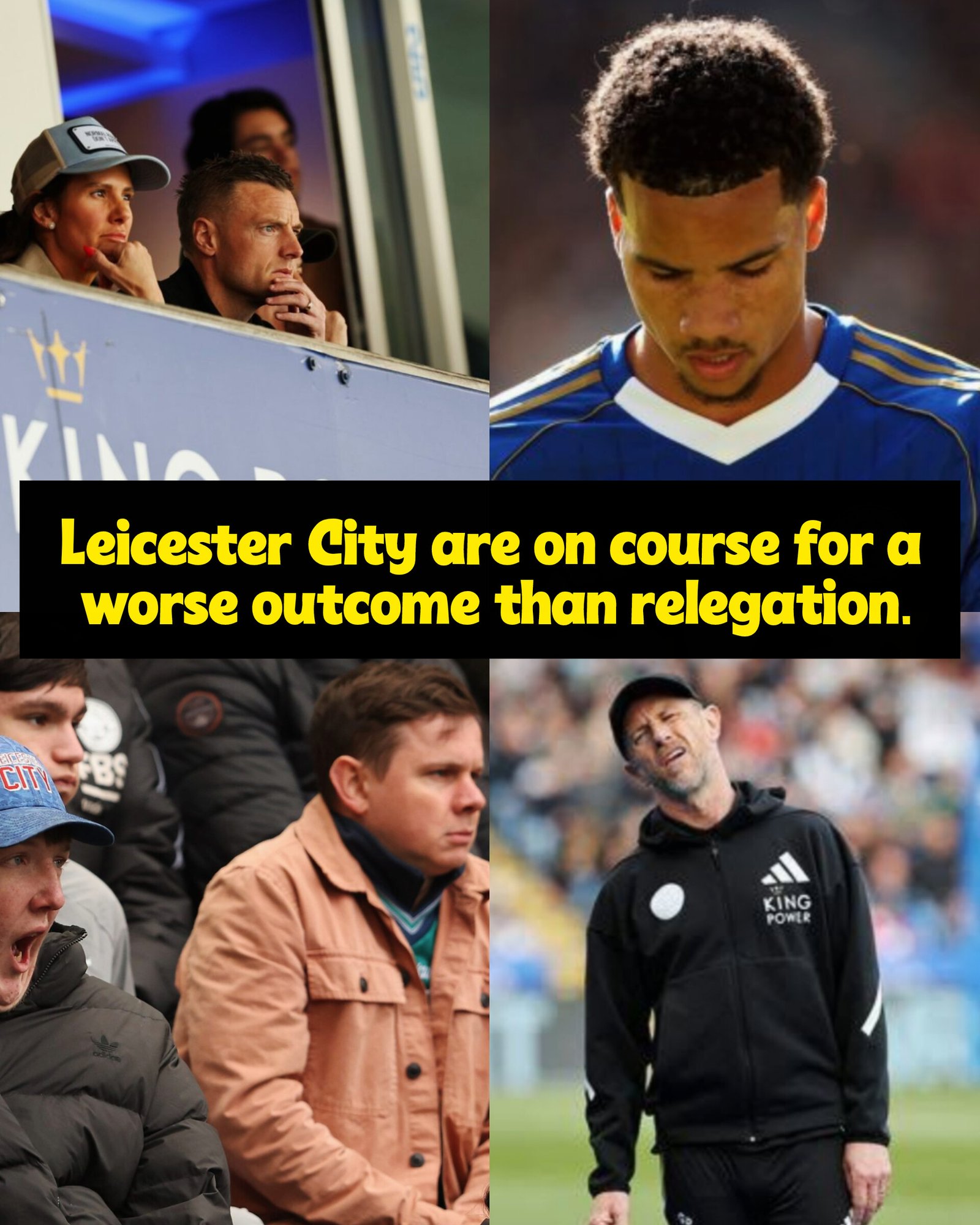
From Miracle Makers to a Club in Freefall
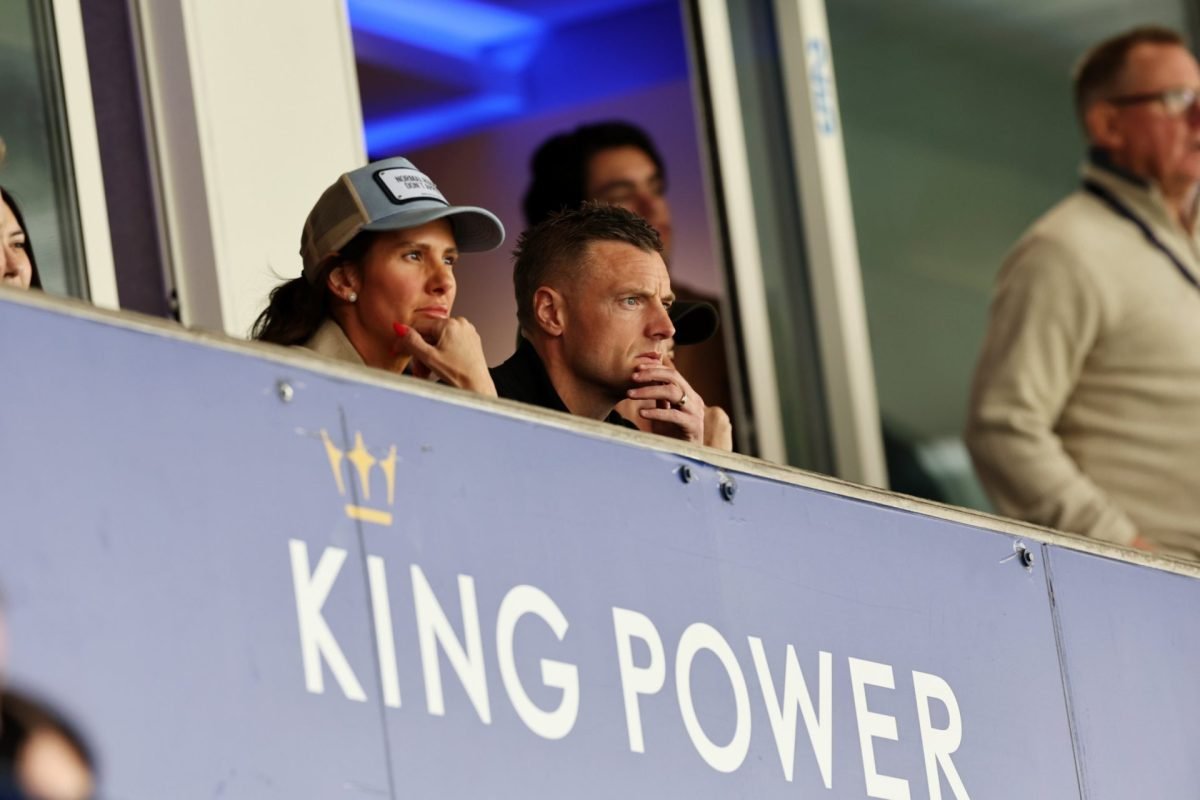
Jamie Vardy and Rebekah Vardy were in the stands on Saturday (Photo: Getty)


In just under a decade, Leicester City have undergone one of the most dramatic transformations in modern football. Once celebrated as the ultimate underdog success story, the Foxes are now staring at a scenario that feels even more damaging than relegation itself. The emotional toll on supporters, the financial implications, and the broader identity crisis engulfing the club all combine to create a bleak outlook that extends far beyond dropping divisions.
There have only been four instances of clubs suffering consecutive relegations from the Premier League since its formation in 1992. Now, a fifth appears increasingly likely, and few have felt quite as dispiriting as Leicester’s current trajectory. The 2015–16 champions are sitting four points adrift of safety in the Championship with just four matches remaining, leaving them on the brink of falling into League One.
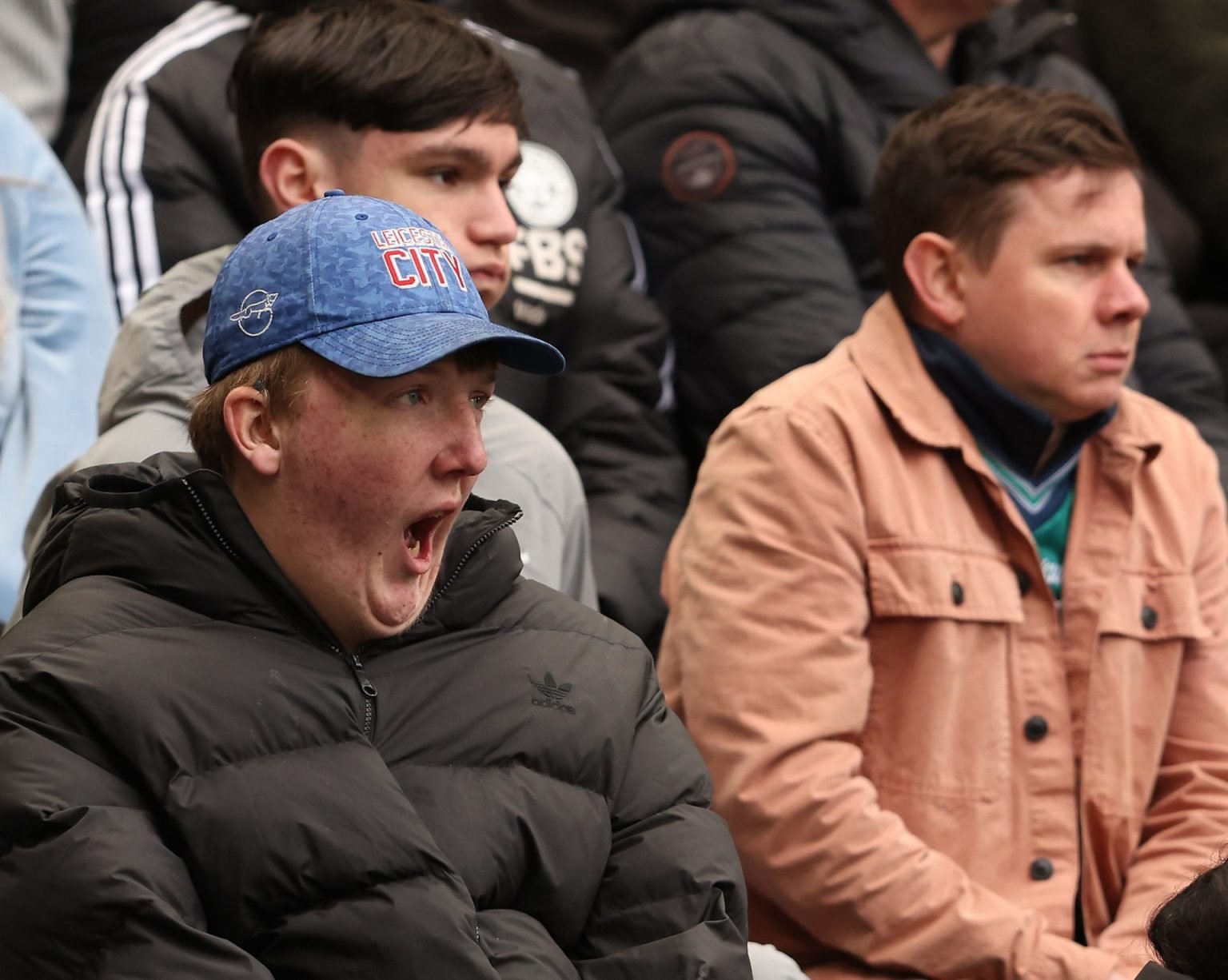
Leicester fans no longer fear the worst (Photo: Getty)
A Painful Presence: Vardy Watches On


Among those witnessing the club’s continued decline was Jamie Vardy, one of the defining figures of Leicester’s fairytale title triumph. Now playing abroad, Vardy returned to the King Power Stadium, watching from the stands as his former side slipped to another damaging defeat—this time against Swansea City.
Alongside Rebekah Vardy, he observed a performance that encapsulated Leicester’s struggles. It is possible that Vardy’s visit had been intended to commemorate the anniversary of that historic Premier League win, a moment that once united the club in joy and disbelief. Instead, any sense of celebration has been overshadowed by the grim reality of the present.
Leicester have, in many ways, become the architects of their own misery. The contrast between their past and present is stark, and for fans who lived through that unforgettable title-winning campaign, the current situation feels even more crushing.
Apathy Replaces Anger Among Supporters
Inside the stadium, the mood has shifted dramatically. While some fans have called for protests against the club’s hierarchy, the overriding emotion is no longer anger—it is exhaustion. Supporters still clap, but often out of habit rather than hope. Anticipation has been replaced by dread, with many bracing themselves for disappointment before a ball is even kicked.
The defeat to Swansea offered a microcosm of Leicester’s season. There were fleeting moments of promise—a shot striking the post, another cleared off the line—but they ultimately counted for nothing. A brief lapse proved decisive: a free-kick near the opposition’s box led to a careless pass, which was intercepted and swiftly turned into a counter-attack. Within seconds, the ball was in Leicester’s net, courtesy of Zan Vipotnik.
There was little surprise in how events unfolded. For many fans, it felt like a script they had seen too often. The inevitability of such moments has drained belief from the stands, leaving behind a sense of resignation.
Sliding Down the Table
The wider context only deepens the gloom. A series of unfavorable results elsewhere has widened the gap between Leicester and their rivals for survival. Clubs such as Portsmouth and Oxford United have edged ahead, leaving Leicester increasingly isolated near the bottom of the table.
Only Sheffield Wednesday sit below them, already relegated and burdened by a points deduction that sealed their fate long ago. Leicester themselves were also docked six points, with an appeal unsuccessful. Yet even without that penalty, their position would still be precarious, underlining how deep-rooted their problems are.
Had those points remained intact, Leicester would merely be hovering just above the relegation zone, still firmly entrenched in a battle they have struggled to compete in all season.
Financial Risks and Historical Warning Signs


The financial consequences of a drop into League One could be severe. Leicester already operate with one of the highest wage bills in the Championship, a reflection of their recent Premier League status and attempts to bounce back quickly. However, such spending becomes increasingly unsustainable outside the top tiers.
Their situation draws parallels with Blackburn Rovers, the only former Premier League champions to have fallen into the third tier. Blackburn’s journey serves as a cautionary tale, illustrating how difficult it can be to recover once a club begins to slide.
The gap between divisions has widened significantly in recent years. The Premier League, with its financial might, has effectively become a closed shop for many. Relegation now carries heavier consequences than ever before, making a fall into League One particularly damaging for a club of Leicester’s stature.
A Decade of Extremes
Leicester’s recent history is a study in contrasts. From the heights of their Premier League triumph to competing in European competitions and lifting domestic silverware, they enjoyed a period of sustained success. Yet that success has been followed by a rapid and alarming decline.
Relegation from the Premier League in 2022–23 marked the beginning of their downward spiral. Although they briefly returned to the top flight as Championship winners, they were unable to re-establish themselves, suffering another relegation the following season. Now, the prospect of a third successive drop looms large.
Leadership Questions and an Uncertain Future
Attention has inevitably turned to the club’s leadership. Owner Aiyawatt Srivaddhanaprabha—known as “Top”—has faced criticism for what many perceive as a lack of engagement during this critical period. This perceived detachment has filtered through the club, contributing to the sense of drift that now defines Leicester.
Manager Gary Rowett faces an uncertain future as well. Whether he will remain to oversee a potential rebuild is unclear, but the broader question is what direction the club will take in the coming years. The decisions made this summer could shape Leicester’s trajectory for the next decade.
From Fairy Tale to Cautionary Tale
What makes Leicester’s situation particularly striking is the symbolism attached to their fall. Their Premier League title win in 2015–16 was widely regarded as one of the greatest sporting achievements of all time, a reminder that anything was possible in football. Now, they represent a different kind of lesson.
Their decline highlights the dangers of financial mismanagement, short-term thinking, and a lack of long-term planning. Clubs across the footballing world may look at Leicester’s experience as a warning of what can happen when success is not carefully sustained.
Fans Left Powerless
Ultimately, it is the supporters who bear the emotional burden of this collapse. Once united in celebration, they now find themselves united in resignation. The passion remains, but it has been dulled by repeated disappointment and a sense that events are beyond their control.
There is little indication that significant changes will be made at the top in the immediate future. Relegation, however, appears increasingly inevitable. And for many Leicester fans, the most troubling aspect is not the drop itself, but the apathy that has replaced anger—a quiet acceptance that their club’s remarkable story has taken a painful and uncertain turn.
-

 Blog7 months ago
Celtic issues a fiery VAR statement after Trusty’s red card appeal is dismissed, as furious chiefs release referee audio publicly.
-

 Blog1 week ago
Former official calls on SFA to contact Rangers over fan scenes during Celtic match, labeling them “completely unacceptable.”
-

 Blog7 months ago
Celtic informed their January signing under Martin O’Neill that he wouldn’t play a single minute this season.
-

 Blog7 months ago
Celtic issued an £83 million warning amid looming UEFA threats.
-

 Blog7 months ago
SFA Expected to Review Missed Penalty in Rangers v Celtic Clash
-

 Blog6 months ago
Police respond after reported disorder following Middlesbrough vs Millwall clash
-

 Blog1 year ago
“Courtside to Aisle-Side: Tyrese Haliburton and Jade Jones Set New Wedding Date”
-

 Blog7 months ago
£6m star is looking to leave Rangers this summer and has already announced his next club publicly.