
Blog
Alpine skiing champion Mikaela Shiffrin talks about her post-Olympic journey, her role model Kylie Kelce, and additional topics

Mikaela Shiffrin has reflected on her life after the Olympics, opening up about the emotional lessons she learned from past disappointments, the mental strategies that helped her succeed in Cortina, and how she now views her legacy in the sport.
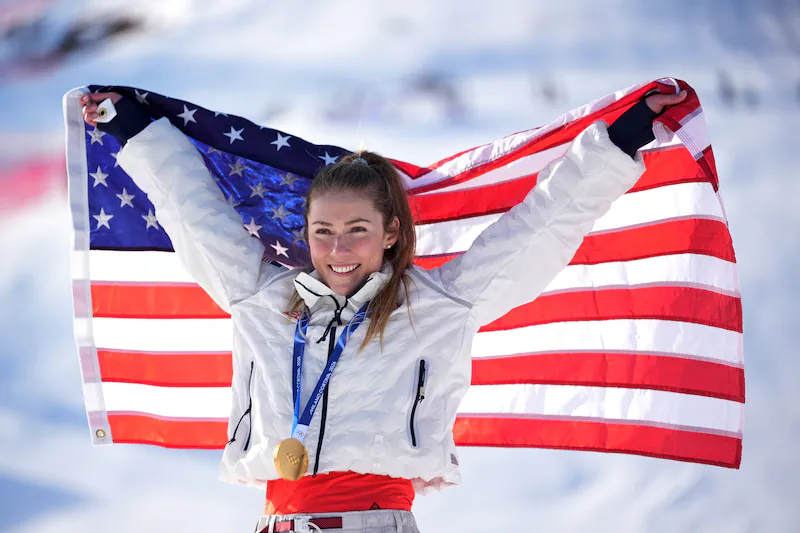
United States’ Mikaela Shiffrin is the most decorated alpine skier in history. She recently won a gold medal at the 2026 Winter Olympics.Read moreJacquelyn Martin / AP
The three-time Olympic gold medalist, widely regarded as one of the greatest alpine skiers of all time, recently sat down for an in-depth interview to discuss her experiences following the 2026 Winter Olympics, where she once again etched her name into the history books.
Shiffrin, now 31, became the oldest American woman to win Olympic alpine skiing gold after triumphing in the slalom event at the Milan-Cortina Games. Remarkably, she had also been the youngest American woman to win Olympic gold in alpine skiing when she first stood on top of the podium at just 18 years old during the 2014 Winter Olympics.
Over the course of her career, Shiffrin has built a résumé unlike any other in the history of alpine skiing. She became the first skier ever to reach 100 World Cup victories and has collected multiple World Championship titles, Olympic medals, and overall World Cup crowns. Her dominance over more than a decade has placed her among the most celebrated athletes in world sport.
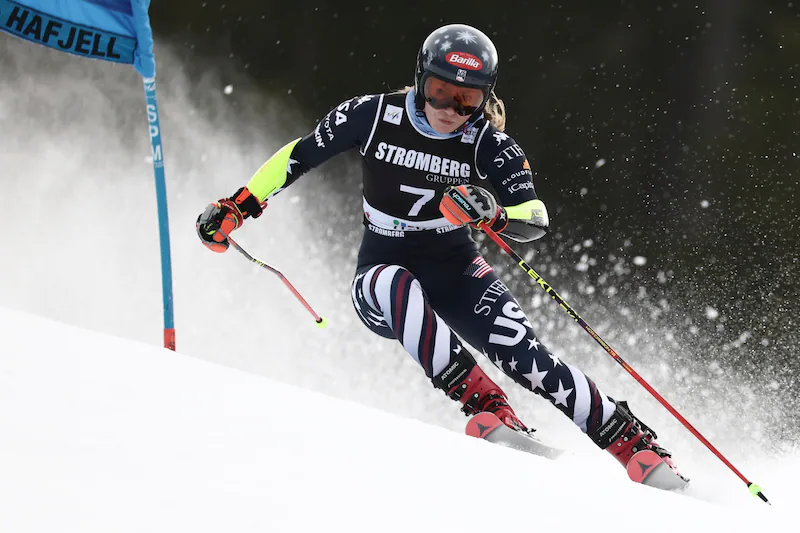
Mikaela Shiffrin competes in an alpine ski at the World Cup Finals in March.Gabriele Facciotti / AP
Despite all her achievements, Shiffrin admitted she never imagined growing up that she would one day be spoken about as the “GOAT” of alpine skiing.
Reflecting on how the label became attached to her career, she explained that the term simply was not commonly used when she was younger. While athletes such as Muhammad Ali were often referred to as the greatest ever, the modern “GOAT” debate had not yet become part of everyday sports culture.
Shiffrin acknowledged that she gradually grew into that status over time, rather than chasing it from the beginning of her career. She said she never really carried expectations about becoming the greatest skier in history, but instead focused on improving year after year and competing at the highest possible level.
One of the major topics she addressed during the interview was the contrast between the difficult 2022 Winter Olympics in Beijing and the far more successful experience she enjoyed in Cortina four years later.
At the Beijing Games, Shiffrin faced enormous pressure and entered several events as one of the overwhelming favorites for gold. However, the Olympics quickly turned into one of the most painful stretches of her career as she failed to finish in both the slalom and giant slalom competitions, unexpectedly leaving the podium entirely in those events.
The disappointing performances generated intense criticism and scrutiny, something Shiffrin admitted was emotionally difficult to process at the time.
However, she revealed that those experiences ultimately taught her valuable lessons that shaped her approach heading into the 2026 Olympics.
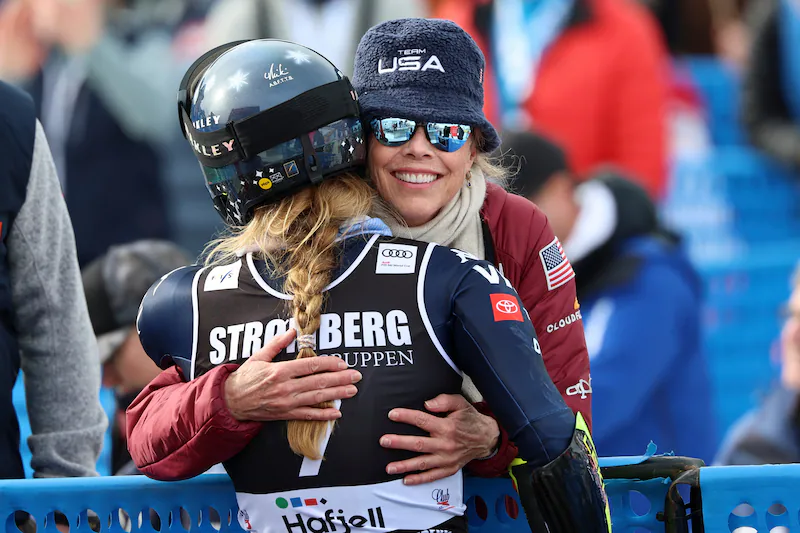
Mikaela Shiffrin is hugged by her mother Eileen at the finish area of an Alpine skiing event at the World Cup finals.Read moreMarco Trovati / AP
According to Shiffrin, one of the biggest realizations she gained after Beijing was understanding that her entire identity and self-worth did not revolve solely around Olympic results. During the Games, she explained, it can feel as though the Olympics become the center of the universe, creating a bubble where every success and failure seems magnified.
But once the event ends, athletes return to their normal lives, reconnect with family and friends, and rediscover the many important things that exist outside sport.
Shiffrin said the experience helped her recognize that her life was much fuller than she had previously appreciated. She realized that her value as a person was connected to many different aspects of her life rather than just skiing alone.
That perspective became especially important during the Milan-Cortina Olympics. Even though she still desperately wanted to succeed and win another gold medal, she was able to approach the competition with a healthier mindset and better emotional balance.
The American skier also spoke candidly about the fear and anxiety she experienced during Olympic competition.
She explained that one of the hardest parts of competing on such a massive stage is the fear of criticism and public backlash if things go wrong. According to Shiffrin, the Olympics demand athletes to risk everything emotionally and physically, while also exposing them to intense judgment if they fail to meet expectations.
To help manage those feelings during the 2026 Games, Shiffrin turned to an unusual but effective strategy — covering her mirror with motivational Post-it Notes.
The notes featured short messages and reminders designed to keep her mentally grounded throughout the competition. She said she added more messages every day as the Olympics progressed, using them as constant reminders of what truly mattered.
Shiffrin credited conversations with psychologists and teammates for helping her work through the emotional challenges she faced during the Games. The messages on the notes became a daily source of encouragement and stability as she navigated the pressure of competing at the highest level.
Now that the Olympics are over, Shiffrin has preserved the Post-it Notes as personal reminders of that journey.
She revealed that the notes are currently stored inside her journal at home, resting on top of her piano. The decorated skier said she is considering turning the messages into some sort of permanent display, perhaps engraved onto a plaque or transformed into artwork she can hang on her wall.
For Shiffrin, the notes symbolize not only her Olympic success but also the emotional resilience she developed throughout the experience.
She admitted that she had never used that technique before and is unsure whether she will ever need to rely on it again, but she described it as incredibly helpful during one of the most intense periods of her career.
The conversation also touched on her life after the Olympics and how busy things remained even after the closing ceremony.
Unlike many athletes who immediately return home following the Games, Shiffrin continued competing on the World Cup circuit for nearly two more months. She remained in Europe until the very end of March as the skiing season concluded.
That hectic schedule meant there was little time to fully process her Olympic triumph immediately afterward. Instead, she transitioned almost straight back into training, travel, and competition.
Even so, the emotional growth she experienced through both victory and disappointment appears to have transformed the way she now views her career.
Throughout the interview, Shiffrin repeatedly emphasized the importance of maintaining perspective, valuing relationships, and recognizing that athletic achievement represents only one part of life.
While many athletes are remembered purely for records and medals, Shiffrin’s reflections revealed a deeper understanding of success — one rooted not only in winning but also in resilience, self-awareness, and emotional balance.
Her comments also highlighted the remarkable journey she has experienced since becoming an Olympic champion as a teenager more than a decade ago.
From early dominance on the slopes to heartbreaking setbacks and historic comebacks, Shiffrin has continued evolving both as an athlete and as a person.
Now firmly established among the all-time greats in sport, she appears more comfortable than ever with the pressures and expectations that come with her status.
Even after years at the top, Shiffrin’s honesty about fear, criticism, and vulnerability continues to resonate with fans around the world.
Her willingness to openly discuss the mental side of elite sport has become one of the defining aspects of her public image, showing that even the most successful athletes still battle doubt and pressure behind the scenes.
As she moves forward following another Olympic chapter, Shiffrin remains one of the most influential figures in winter sports history — not just because of the medals she has won, but because of the perspective and authenticity she brings to the sport.
-

 Blog7 months ago
Celtic issues a fiery VAR statement after Trusty’s red card appeal is dismissed, as furious chiefs release referee audio publicly.
-

 Blog3 weeks ago
Former official calls on SFA to contact Rangers over fan scenes during Celtic match, labeling them “completely unacceptable.”
-

 Blog8 months ago
Celtic informed their January signing under Martin O’Neill that he wouldn’t play a single minute this season.
-

 Blog7 months ago
Celtic issued an £83 million warning amid looming UEFA threats.
-

 Blog7 months ago
SFA Expected to Review Missed Penalty in Rangers v Celtic Clash
-

 Blog6 months ago
Police respond after reported disorder following Middlesbrough vs Millwall clash
-

 Blog2 weeks ago
Middlesbrough receive a warning following Steve Gibson’s submission of a £1.5bn proposal.
-

 Blog1 year ago
“Courtside to Aisle-Side: Tyrese Haliburton and Jade Jones Set New Wedding Date”