
Blog
Andy Halliday states that Danny Rohl demonstrated a key characteristic that Rangers require, as Derek McInnes does too.

Former Rangers midfielder Andy Halliday believes Derek McInnes possesses the exact qualities needed to succeed at Ibrox, arguing that recent managerial appointments have shown that coaching ability alone is not enough to thrive under the intense spotlight that comes with leading Rangers.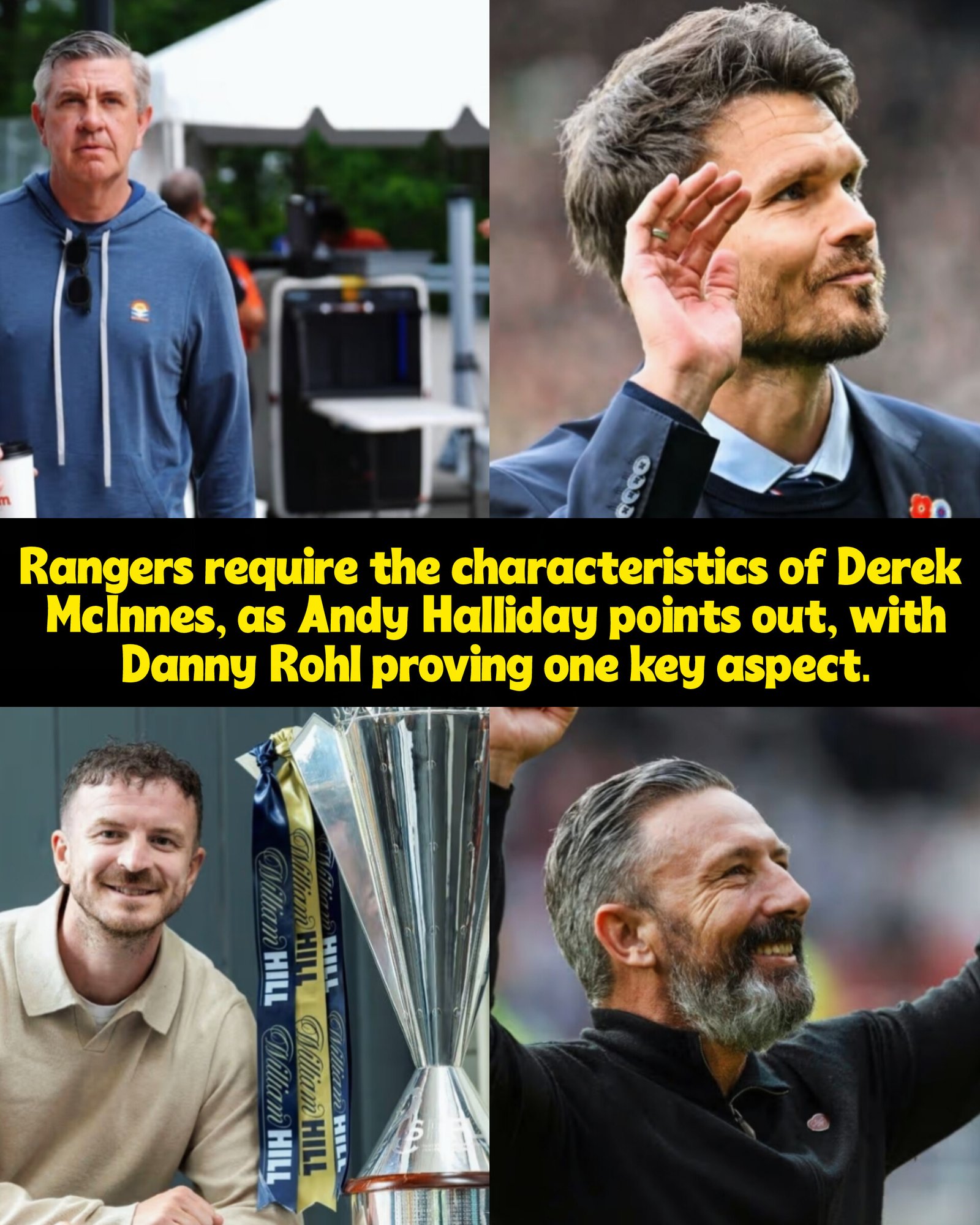
According to Halliday, the experiences of both Michael Beale and Danny Rohl demonstrate a crucial lesson about life at one of Scotland’s biggest clubs. While both men were widely regarded as talented coaches, neither was ultimately able to establish the authority, resilience, and leadership required to meet the unique demands that come with managing Rangers.
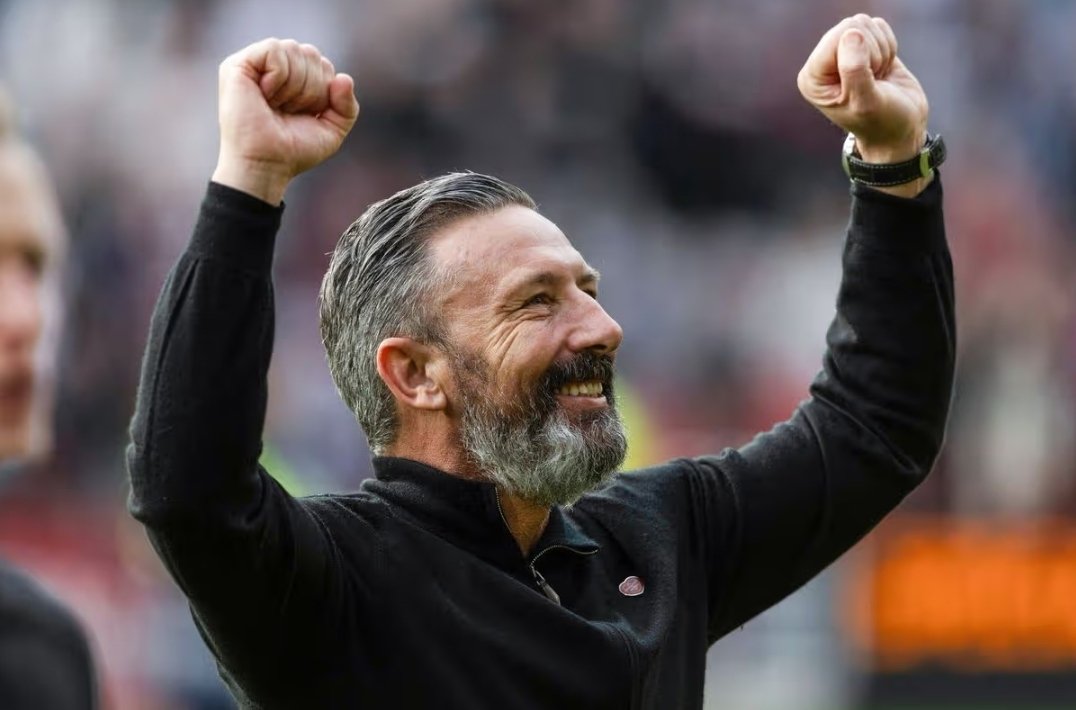
Derek McInnes
The appointment of McInnes represents a significant shift in direction for Rangers’ American ownership group. After previously opting for the modern “head coach” model, the club has now returned to the more traditional title of manager, underlining the broader responsibilities McInnes will assume as the new leader of football operations.
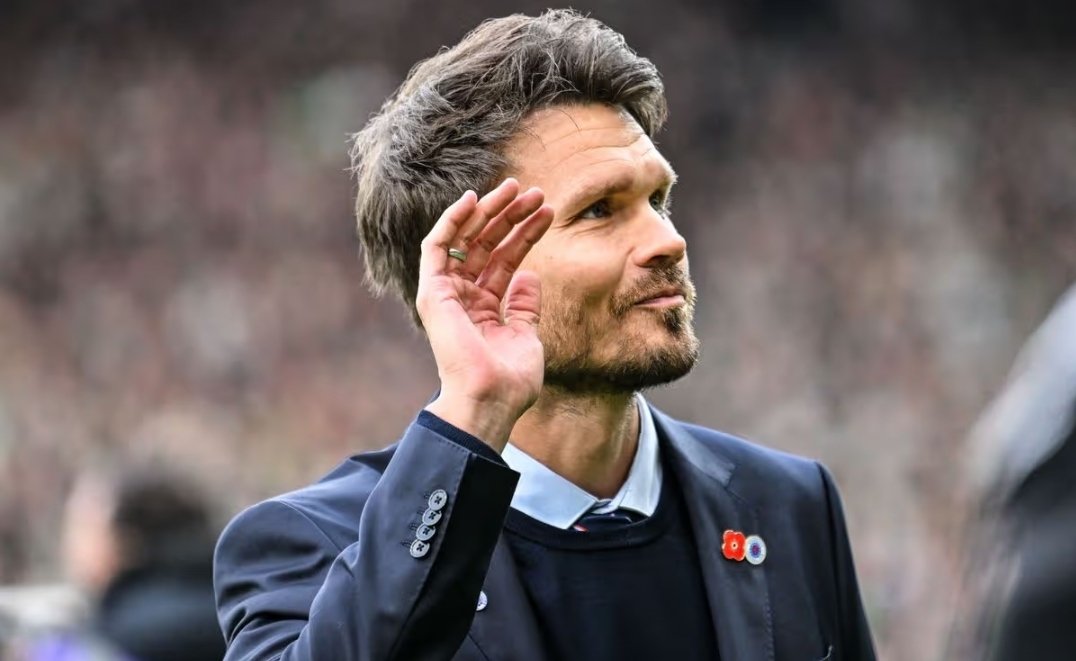
Danny Rohl
For Halliday, the move looks like the right decision at the right time.
Although he never had the opportunity to play under McInnes during his own career, Halliday is familiar with the reputation the 54-year-old has built throughout Scottish football. More importantly, he understands the characteristics that have consistently defined McInnes’ teams wherever he has worked.
One area where Halliday believes McInnes stands out is in creating squads that display determination, resilience, and strong mentality. Those qualities, he argues, have often been lacking at Rangers in recent years.
While Danny Rohl’s tactical ability was never seriously questioned during his eight months in charge, Halliday feels there were concerns regarding his handling of certain issues, particularly surrounding the mentality of the team.
By contrast, McInnes has repeatedly demonstrated an ability to build sides that remain competitive, disciplined, and mentally strong, even during difficult moments.
That was particularly evident during his impressive spell at Hearts. Under McInnes, the Edinburgh club mounted a remarkable challenge for the Scottish Premiership title and came agonisingly close to ending a 66-year wait for a league championship. Although they ultimately fell short, their consistency and determination earned widespread praise.
McInnes is now preparing to begin work with his Rangers squad when players return for pre-season training next week. The real start of his competitive reign will come on July 31 when Rangers travel to face Dundee United in their opening Scottish Premiership fixture of the new campaign.
Halliday believes Rangers supporters can be encouraged by the appointment because McInnes understands the pressures associated with managing a club of this size.
Speaking about the challenge, Halliday stressed that Rangers and Celtic are unlike any other clubs in Scotland. The scrutiny, expectations, and pressure attached to every result create an environment that requires far more than coaching expertise.
In his view, managers at either Glasgow giant must possess strong leadership skills, emotional intelligence, and the ability to communicate effectively with supporters and the media.
Halliday suggested that both Danny Rohl and Michael Beale were highly respected on the training ground and possessed excellent tactical knowledge. However, he believes the role demands much more than simply preparing a team for matches.
The Rangers manager must also be capable of navigating difficult periods, handling criticism, and ensuring confidence remains high throughout the dressing room.
According to Halliday, McInnes has already demonstrated throughout his career that he can cope with those pressures.
He pointed out that every manager inevitably encounters setbacks and criticism. What separates successful leaders from unsuccessful ones is often their response to adversity and their ability to keep players focused during challenging periods.
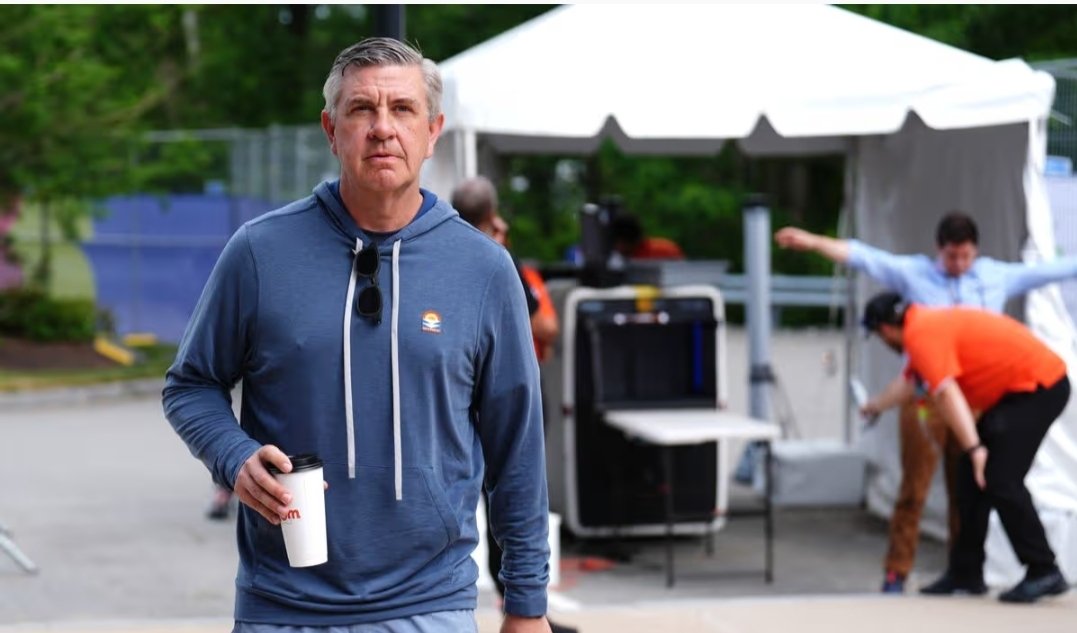
Rangers chairman Andrew Cavenagh ahead of a training session at the Revolution Training Centre in Foxborough, Massachusetts.
One example Halliday highlighted involved comments made by Danny Rohl toward the end of last season. The former Rangers boss repeatedly rejected suggestions that mentality issues existed within the squad.
Halliday believes that stance created concerns among supporters because many observers felt mental strength was clearly an area that required improvement.
He argued that fans want reassurance that a manager fully understands the team’s weaknesses. When a problem appears obvious to supporters but is not publicly acknowledged by the manager, doubts can begin to emerge regarding whether the situation is being addressed properly.
For Halliday, that disconnect was one of the factors that ultimately contributed to Rohl’s departure.
Looking ahead, he feels Rangers have upgraded by appointing McInnes.
When discussing the strengths of McInnes’ teams, Halliday repeatedly returned to the themes of character and resilience.
Throughout last season, Hearts developed a reputation for grinding out results even when performances were not always at their best. The team regularly found ways to secure victories late in matches, often through determination and persistence rather than moments of brilliance.
Halliday noted that several of Hearts’ wins came via narrow scorelines, including a notable run of 1-0 victories at Tynecastle. The ability to defend leads, maintain concentration, and secure clean sheets became one of the defining features of McInnes’ side.
Those traits, Halliday believes, are exactly what Rangers have lacked during crucial moments in recent seasons.
He also suggested that resilience has become an increasingly valuable quality throughout Scottish football, pointing to the national team as another example where mental toughness and organisation have played key roles.
In McInnes, Halliday sees a manager capable of instilling those qualities at Rangers.
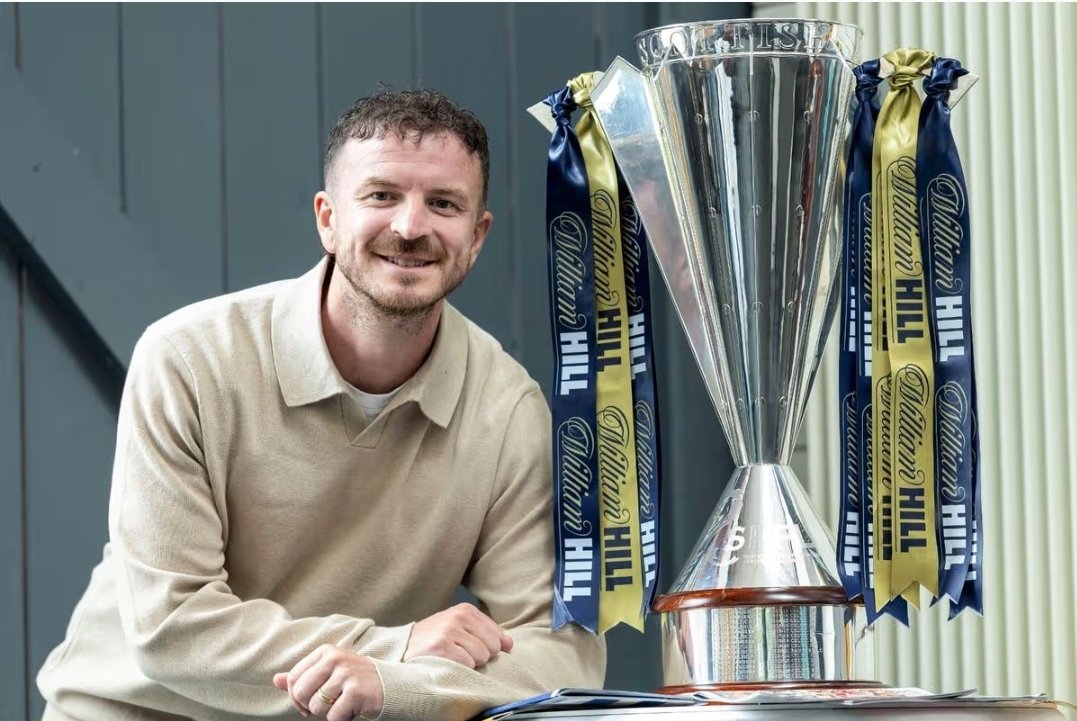
(Image: Jeff Holmes JSHPIX/Shutterstock)
He believes the new boss can help transform the mentality of the squad and improve their ability to perform under pressure when titles, trophies, and important matches are on the line.
However, Halliday also acknowledged that managerial change alone will not solve every issue facing the club.
He expects Rangers to remain active in the transfer market throughout the summer as McInnes begins shaping the squad according to his own vision.
Interestingly, this is not the first time McInnes has had the opportunity to take charge at Ibrox.
Nine years ago, Rangers approached him regarding the managerial position while Halliday was still part of the first-team squad. McInnes ultimately decided against accepting the role, although he has never publicly provided a detailed explanation for that decision.
Despite turning down the opportunity at the time, circumstances have changed significantly since then.
Halliday believes Rangers are now operating from a much stronger position behind the scenes under the ownership of Andrew Cavenagh’s American consortium and the leadership of chief executive Jim Gillespie.
He praised the current administration for recognising mistakes and taking action to correct them rather than ignoring problems.
Halliday also highlighted the recent appointment of Stig Inge-Bjornebye as performance director, describing it as another positive move in an area where Rangers previously lacked strong leadership.
The former midfielder suggested Bjornebye effectively underwent a trial period before being given the position permanently and believes his influence has already been visible.
He pointed to the club’s recruitment during the January transfer window as evidence of progress. Aside from Skov Olsen, whose loan spell was relatively short-term, Halliday felt Rangers generally recruited well and strengthened the squad intelligently.
Nevertheless, he stressed that stability remains the most important ingredient moving forward.
In recent years Rangers have repeatedly found themselves changing managers and restarting long-term projects before they had a chance to fully develop.
According to Halliday, that cycle has largely been the result of poor appointments rather than a lack of patience.
By selecting McInnes, he believes Rangers have finally chosen a candidate who offers significantly lower risk than many previous appointments.
The combination of experience, leadership, media handling, and proven success in Scottish football makes McInnes an attractive choice for a club desperate to re-establish consistency.
Ultimately, Halliday sees the appointment as one that benefits both parties. Rangers gain a manager with a proven track record, while McInnes receives the opportunity to lead one of the country’s biggest clubs.
Both Rangers and McInnes will be hoping the partnership proves successful and long-lasting, providing the stability and progress that supporters have been craving for several seasons.
-
 Blog7 months ago
Celtic issues a fiery VAR statement after Trusty’s red card appeal is dismissed, as furious chiefs release referee audio publicly.
-

 Blog1 week ago
Former official calls on SFA to contact Rangers over fan scenes during Celtic match, labeling them “completely unacceptable.”
-

 Blog7 months ago
Celtic informed their January signing under Martin O’Neill that he wouldn’t play a single minute this season.
-
 Blog7 months ago
Celtic issued an £83 million warning amid looming UEFA threats.
-

 Blog7 months ago
SFA Expected to Review Missed Penalty in Rangers v Celtic Clash
-

 Blog6 months ago
Police respond after reported disorder following Middlesbrough vs Millwall clash
-

 Blog1 year ago
“Courtside to Aisle-Side: Tyrese Haliburton and Jade Jones Set New Wedding Date”
-
 Blog7 months ago
£6m star is looking to leave Rangers this summer and has already announced his next club publicly.