Blog
David Murray questioned over Rangers’ EBTs as Simon Jordan explains why he rejected the scheme

Former Rangers owner David Murray has faced renewed questions about the club’s controversial use of Employee Benefit Trusts (EBTs), with former Crystal Palace chairman Simon Jordan explaining why he decided against using a similar tax arrangement during his time at Selhurst Park.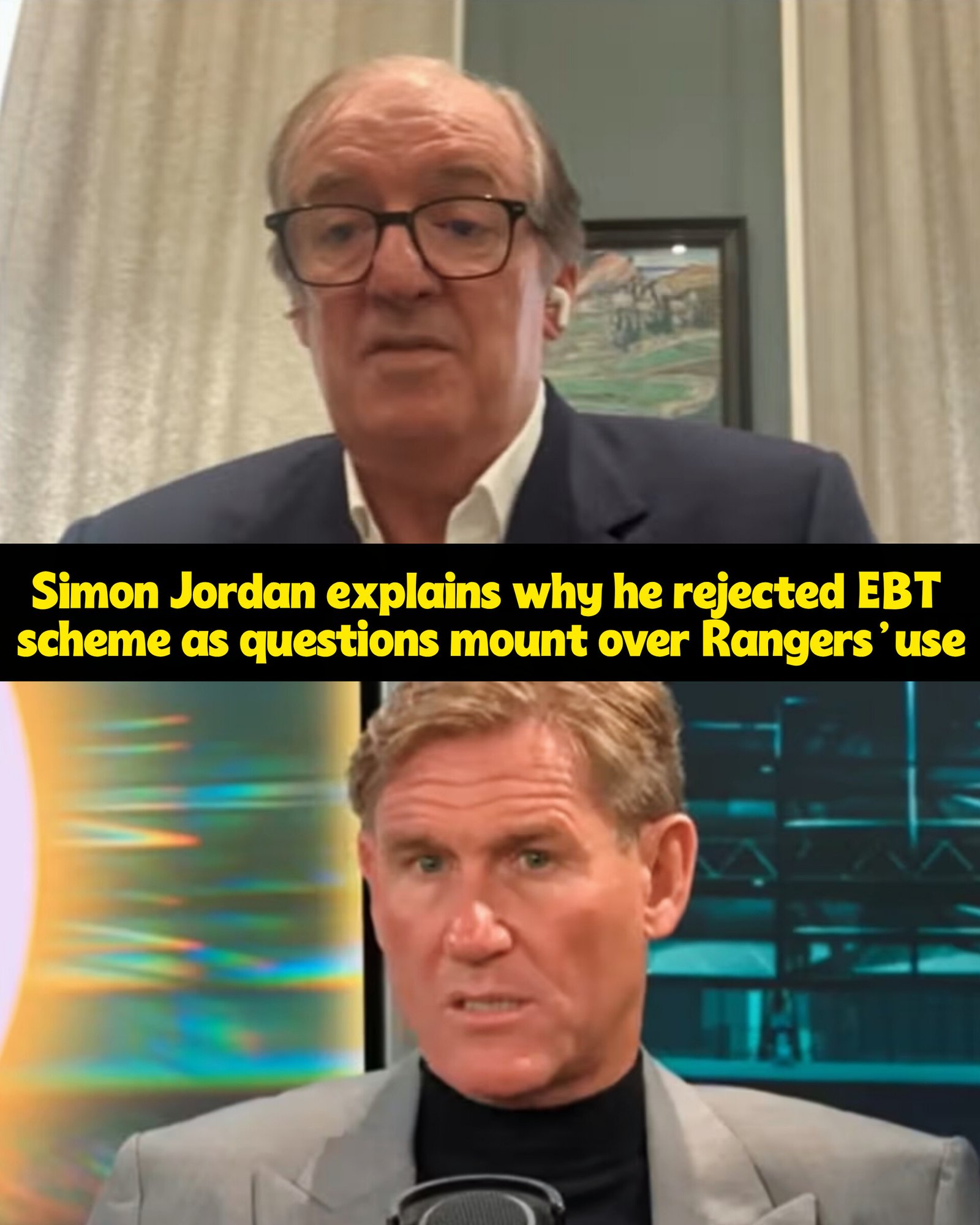
Murray was appearing on the Graeme Souness Tackles podcast alongside Rangers legend Graeme Souness when Jordan, another guest on the programme, challenged him over the decision to use the scheme during his time in charge at Ibrox.
The issue remains one of the most significant and controversial chapters in Rangers’ modern history. Between 2001 and 2010, more than £47 million was distributed to players, managers and directors through loans that were treated as tax-free.
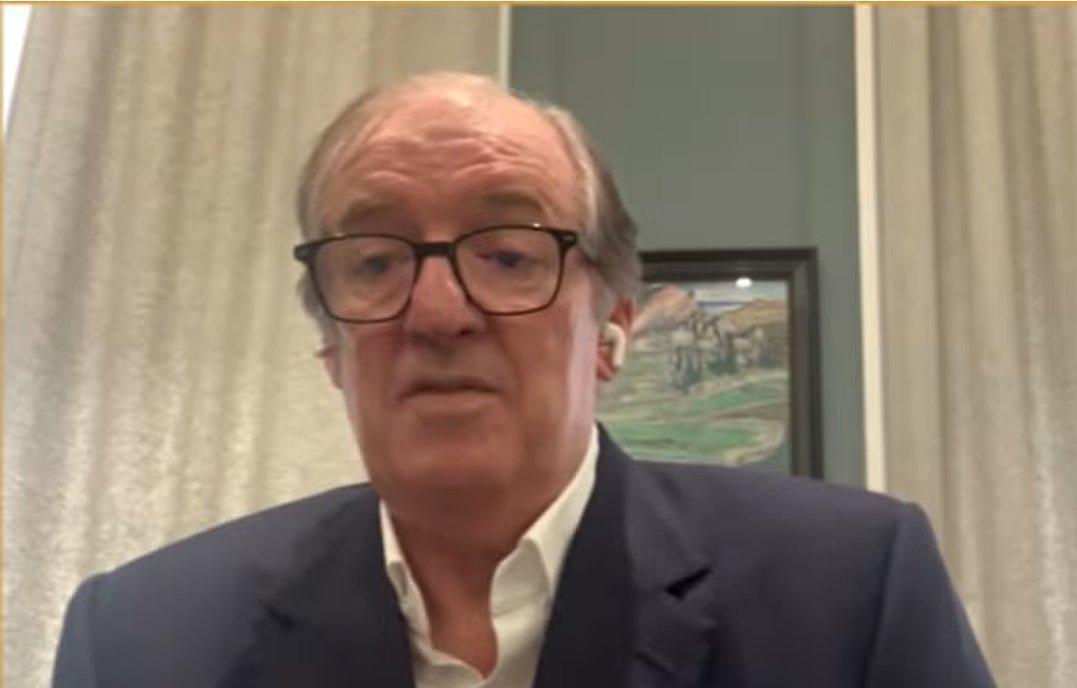
Former Rangers chairman Sir David Murray
The arrangement later became the centre of a long-running dispute between Rangers and HM Revenue and Customs.
In 2017, the Supreme Court ruled in HMRC’s favour in the case that became widely known as the “big tax case”, confirming the tax authority’s position concerning the payments made through the EBT arrangements.
There were also questions surrounding the disclosure of side agreements. An independent commission established by the SPFL concluded that Rangers had failed to properly disclose side-letter arrangements covering the period from 2000 to 2011. The club was subsequently fined £250,000, although that punishment came after Rangers had already entered liquidation.
Jordan explained that he had personally considered using a comparable structure after Palace won promotion to the Premier League. However, he ultimately decided against it because he believed HMRC would eventually challenge the arrangement.
He told Murray that he had examined the idea of using offshore image-right structures and non-recourse loans. Jordan acknowledged that such a system could potentially have saved Palace between £2 million and £3 million every year.
However, he said he was uncomfortable with the arrangement and feared that HMRC would eventually investigate it. Jordan also referred to concerns surrounding HMRC’s position as a creditor and the fact that the tax authority had lost its previous preferred status.
He then asked Murray what convinced him that Rangers’ arrangement was legitimate and why he was comfortable proceeding with it.
Murray explained that the scheme had been presented to him as a legitimate tax structure and said he approved it partly because of the professional advisers and auditors involved.
According to Murray, the arrangement had been examined by Rangers’ auditors and also by the auditors of his wider business interests. He argued that the involvement of major professional firms gave him confidence that the scheme was valid.
Murray said the fact that the arrangements had passed through several layers of auditing made him believe there was little reason to question their legality.
The former Rangers chairman also reflected on the circumstances that eventually led to the club’s financial collapse.
Murray sold Rangers to Craig Whyte for £1 after the club had secured three consecutive league titles. Rangers subsequently suffered a dramatic financial crisis under Whyte, eventually leading to the club’s liquidation.
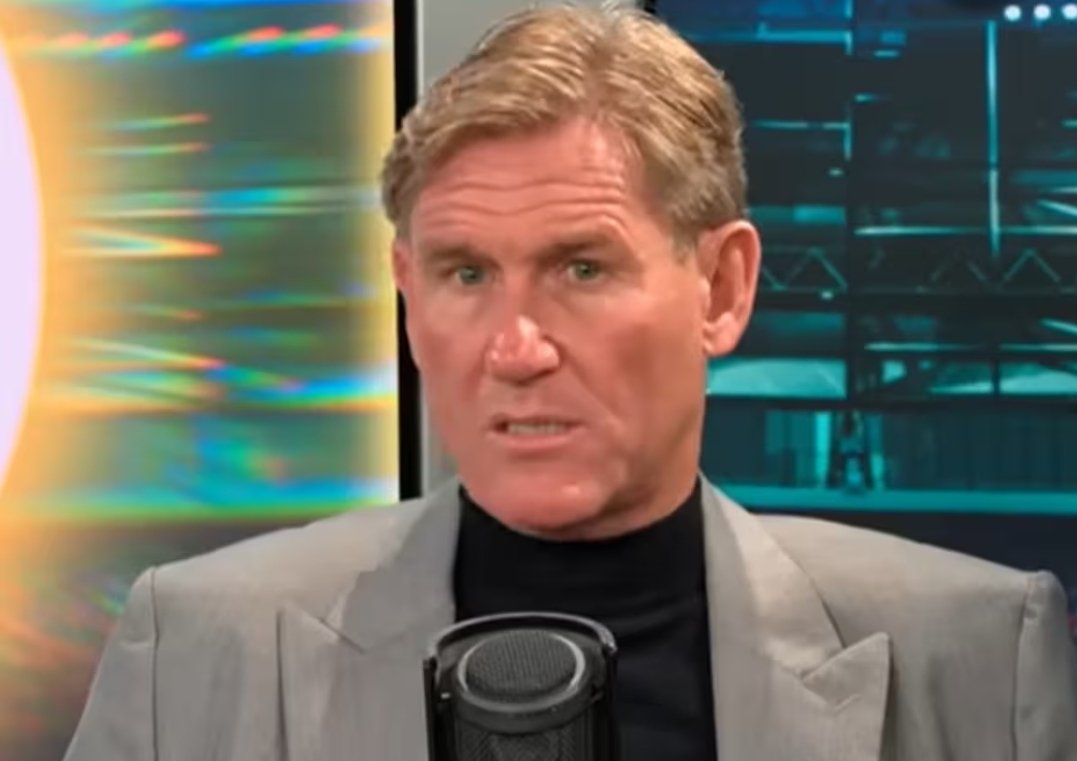
Simon Jordan speaking on talkSPORT
Murray argued that the tax dispute was only part of the financial problems facing Rangers. He claimed HMRC’s original tax demand was around £85 million before penalties increased the figure to approximately £130 million.
He also pointed to the collapse of the Bank of Scotland as another major factor. Murray said Rangers had substantial financial obligations at the time and that the bank’s failure left the club in an extremely difficult position.
In his view, the combination of the banking crisis and the tax dispute created circumstances from which Rangers could not recover.
Murray remains particularly critical of the penalties imposed by HMRC. He claimed that those penalties were eventually found to have been unlawful and argued that the final amount involved was around £33 million.
Murray maintained that Rangers could have survived financially if those circumstances had not occurred.
He also rejected the suggestion that his entire Rangers legacy should be defined by the club’s eventual collapse. Murray pointed to the successes achieved during his ownership, including the signing of Paul Gascoigne, the famous nine-in-a-row league title achievement and a trophy haul of 35 honours.
However, he also repeated his belief that Rangers had been deliberately targeted by HMRC because of the tax arrangements.
Murray suggested that the club had effectively been used as an example in the authorities’ wider fight against such schemes. He compared the situation with the modern scrutiny surrounding Manchester City, although he admitted he was unsure whether there was a genuine parallel between the cases.
He also revealed that he had been reluctant to commit another £50 million to a rights issue but eventually found the money to help keep Rangers operating.
Murray acknowledged that running a club of Rangers’ size came with enormous pressure, particularly from supporters. He admitted that some of his own decisions were influenced by vanity rather than sound judgment.
Despite defending many aspects of his time at Ibrox, Murray accepted that he had made mistakes.
His comments provide another insight into one of the most disputed periods in Rangers’ history, while Jordan’s intervention highlights how football executives faced very different choices when considering controversial tax structures.
For Rangers supporters, the debate over the EBT era remains closely connected to the financial collapse that followed, the club’s liquidation and the continuing arguments over who should bear responsibility for what happened.
-
 Blog7 months ago
Celtic issues a fiery VAR statement after Trusty’s red card appeal is dismissed, as furious chiefs release referee audio publicly.
-
 Blog3 weeks ago
Former official calls on SFA to contact Rangers over fan scenes during Celtic match, labeling them “completely unacceptable.”
-

 Blog8 months ago
Celtic informed their January signing under Martin O’Neill that he wouldn’t play a single minute this season.
-
 Blog7 months ago
Celtic issued an £83 million warning amid looming UEFA threats.
-
 Blog7 months ago
SFA Expected to Review Missed Penalty in Rangers v Celtic Clash
-

 Blog6 months ago
Police respond after reported disorder following Middlesbrough vs Millwall clash
-
 Blog1 week ago
Middlesbrough receive a warning following Steve Gibson’s submission of a £1.5bn proposal.
-

 Blog1 year ago
“Courtside to Aisle-Side: Tyrese Haliburton and Jade Jones Set New Wedding Date”